
Cheese is a cornerstone of Mediterranean cooking. From Portugal to Greece, there is no shortage of cheese varieties. But beyond the most famous and traditional cheeses, like Parmesan or a good aged cheddar, there are other dairy products that stray a bit from the typical firm or rind covered cheese, yet still end up in all kinds of savory and sweet dishes.
Good examples of that are cream cheese, ricotta cheese, mascarpone cheese, and sour cream. These products originally came about as a way to make good use of the natural byproducts of cheesemaking, putting leftover whey and cream to work instead of letting them go to waste. Over time, they became iconic, versatile ingredients in their own right.
While cream cheese and sour cream became especially popular in fillings and desserts, ricotta and mascarpone are frequently used in stuffed pastas, lasagnas, creamy risottos, puddings, and the famous Italian dessert tiramisu.
So there is nothing like talking a bit about each one, and maybe by the end you will feel like trying one you have not used before 😀
What Is the Difference Between Cream Cheese, Ricotta Cheese, Mascarpone Cheese and Sour Cream?
Cream Cheese
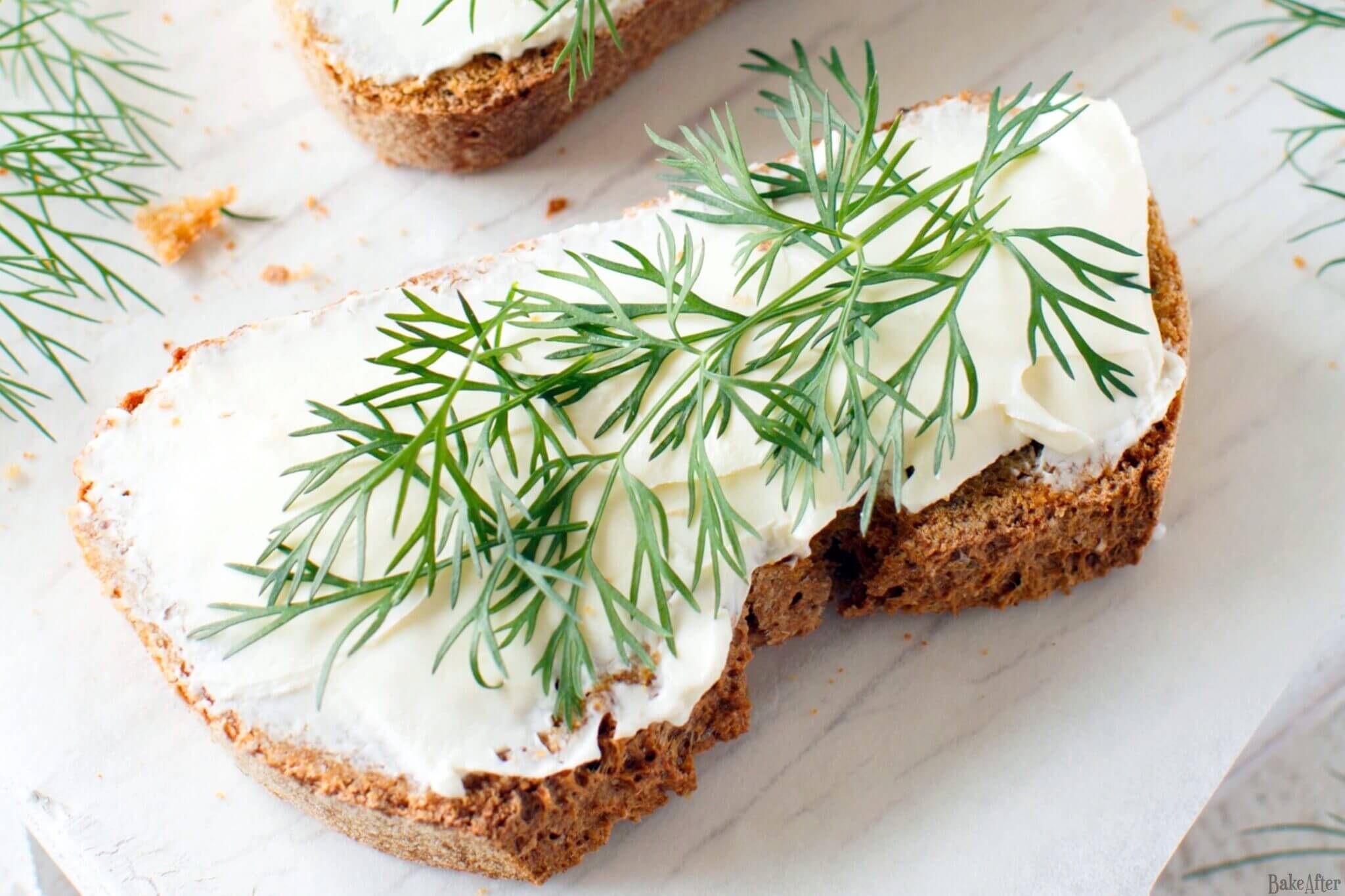
Cream Cheese is made from cow’s milk, and very much like most cheeses, bacteria is added to the milk and left to coagulate, separating the solid part of the milk (also known as the curds) from the liquid part (also known as the whey). From there it gets heated, which concentrates it and, above all, kills off the bacteria. At this point the curd is separated, and you could go on to make all sorts of cheeses from it.
But for cream cheese, what happens next is that milk and a handful of additives are mixed back into the curd, giving the cheese its signature creamy texture and, since it is a fresh cheese, extending its shelf life. Because of that, cream cheese is really a more modern, industrial type of cheese compared to most others on this list.
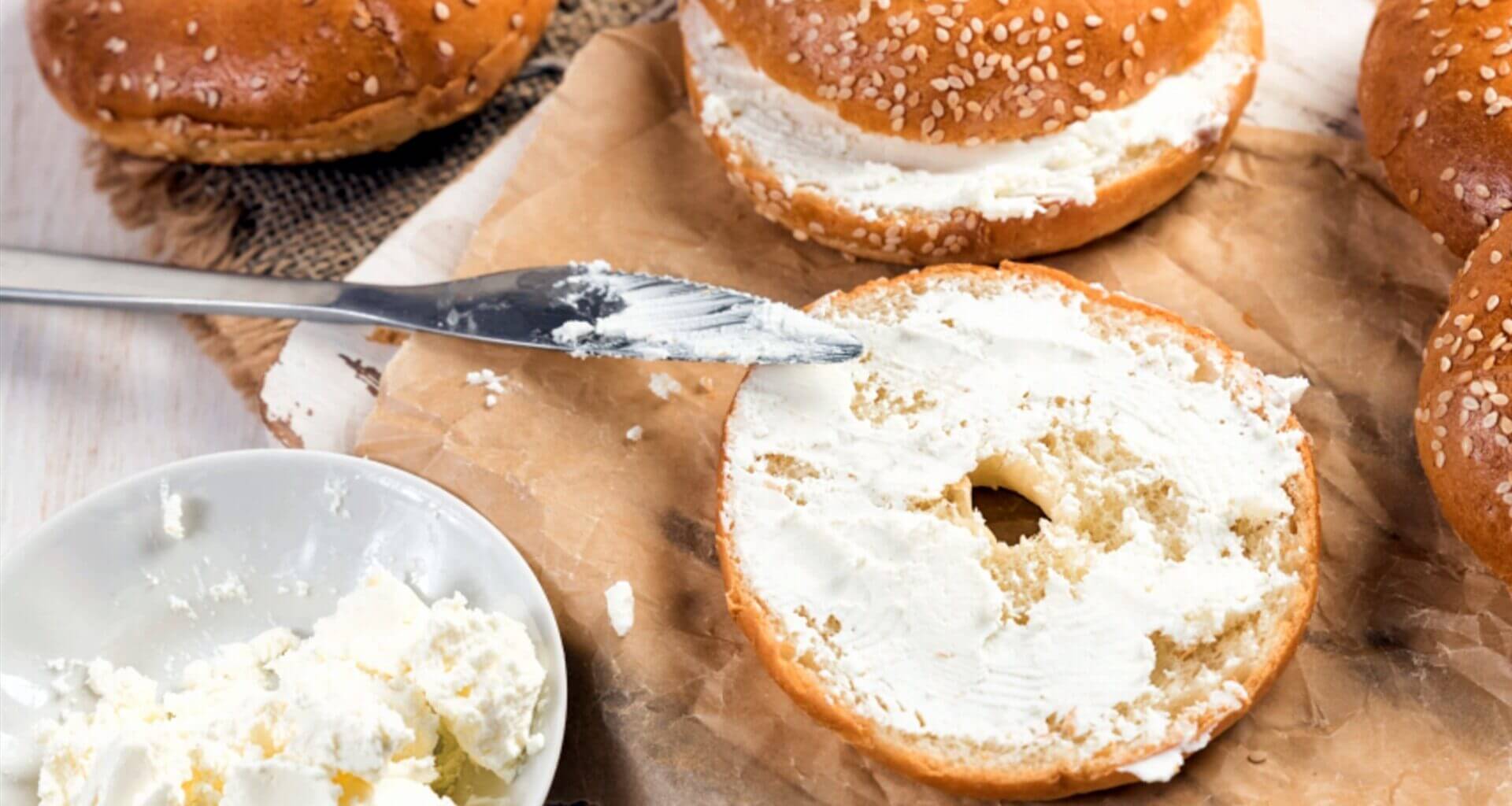
In appearance, cream cheese is white and, as the name suggests, smooth and creamy, with a light milky aroma. It shows up in sandwich spreads, cake and pancake fillings, and just about every kind of dessert from cheesecakes to mousses. Think of a fluffy Japanese style souffle cheesecake or a tangy blueberry cream cheese tart, both lean heavily on cream cheese.
Ricotta Cheese
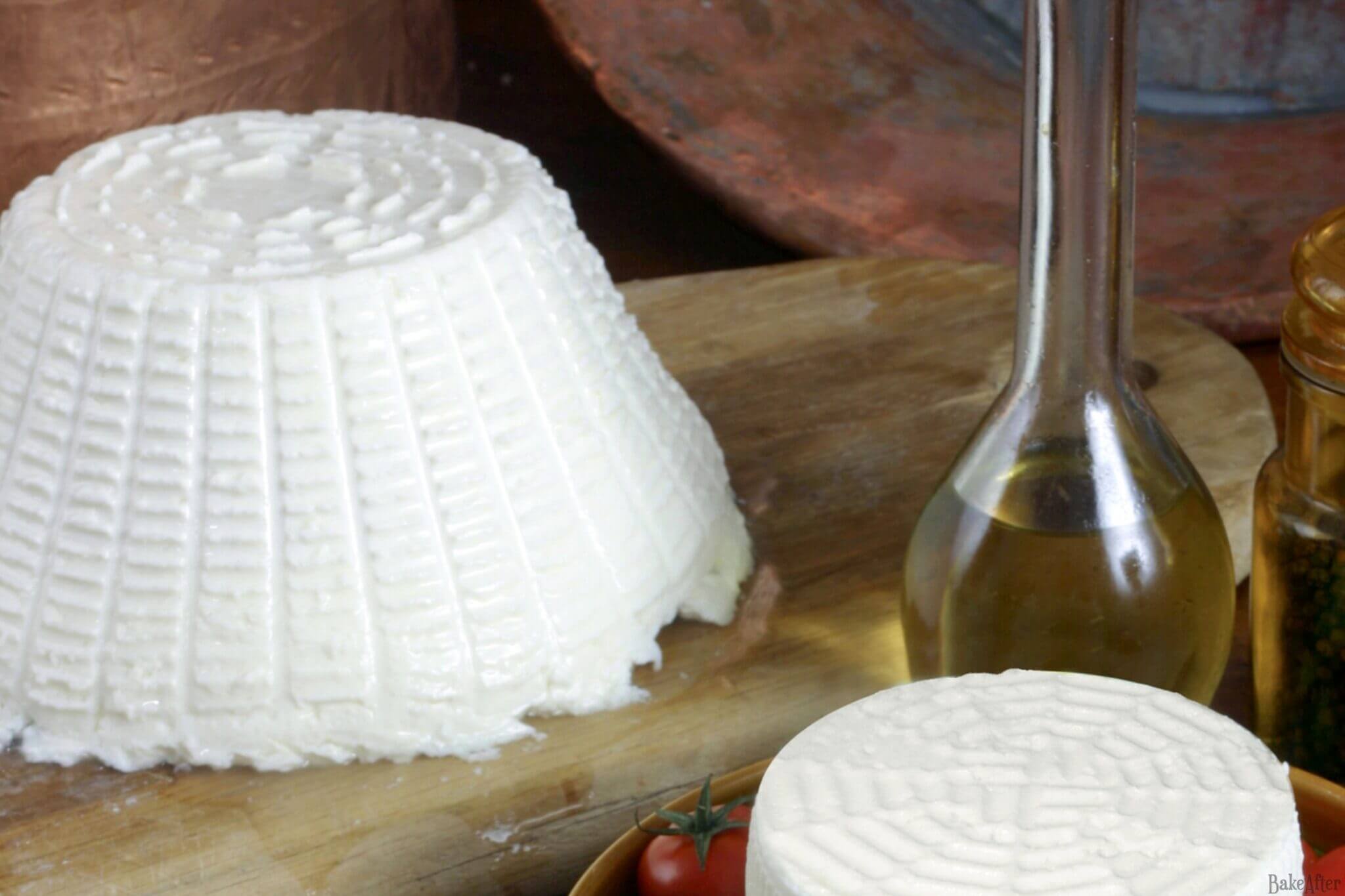
Ricotta can be made from several kinds of milk or mixed milks, cow, buffalo, goat, or sheep, by letting the milk ferment for longer than usual, somewhere between 12 and 24 hours. The curd is then removed (to go make other cheeses, like Parmesan :D) and the remaining liquid whey is cooked, which causes the leftover proteins still in the whey to curdle. After cooling, this second batch of curds is strained through a fine cloth, just like any other cheese, and what you end up with is ricotta cheese.
In appearance, ricotta is white with a fine, slightly granular texture and a mildly sweet flavor. Depending on the milk used, the aroma can be simple or fairly complex. It is most popularly used as a filling for lasagna and cannelloni, but it also forms the base of plenty of desserts. A chicken and ricotta lasagna is a classic example, and so is Migliaccio, a Neapolitan treat that sits somewhere between a pudding and a cake and is traditionally served around Easter.
Mascarpone Cheese
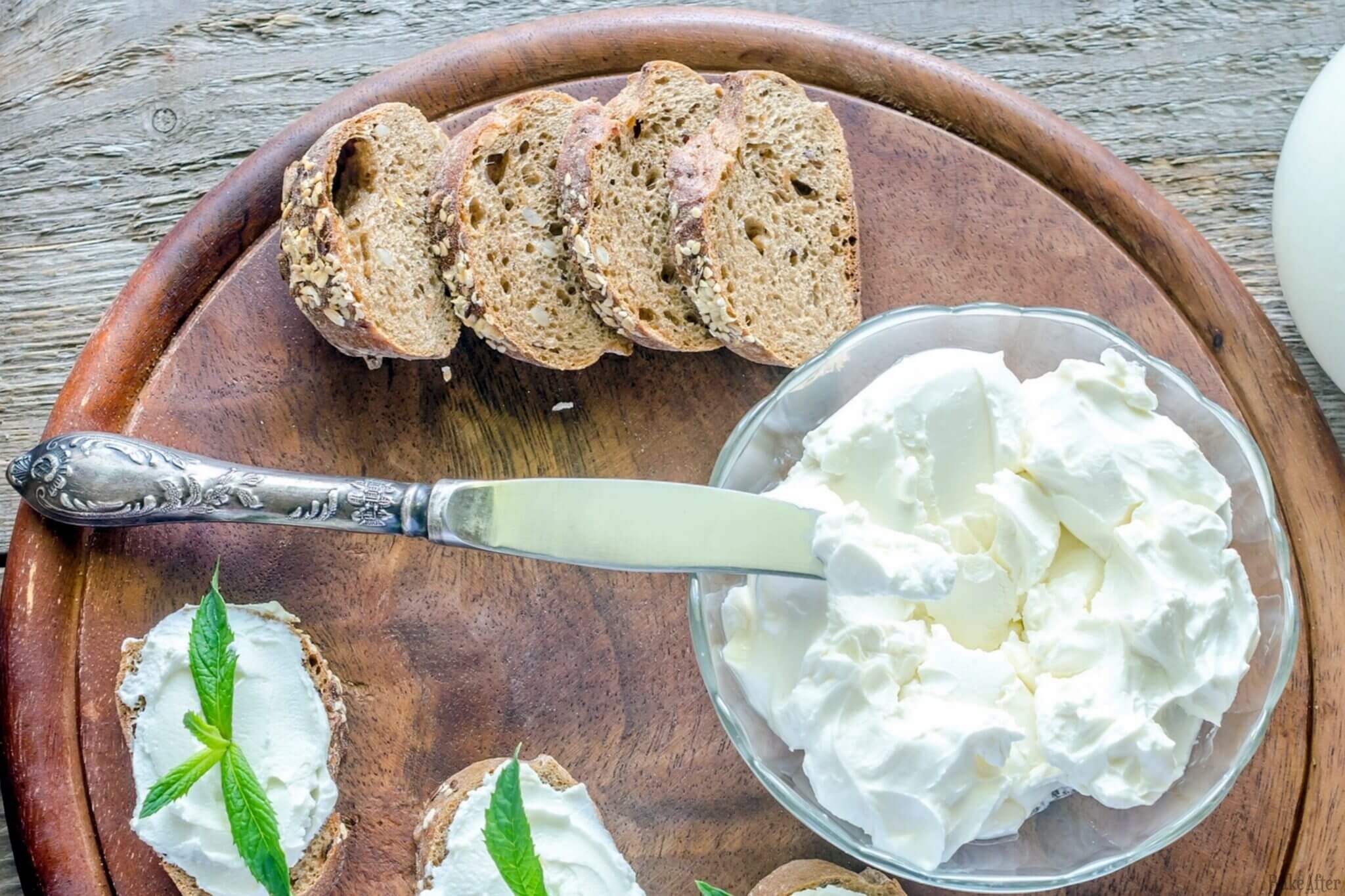
Mascarpone is made from cow’s milk, and it is really as simple as coagulating cream. As the cream coagulates it becomes denser and creamier, and lactic acid or tartaric acid is usually added to help that fermentation along. Worth noting, industrial mascarpone tends to be a blend of coagulated cream, milk, and a preservative, which is done to keep the fat content steady at around 80 percent. A traditional or homemade mascarpone, on the other hand, will be a bit richer, closer to 90 percent fat, since no milk gets added to stretch it and make it smoother.
In appearance, mascarpone looks a lot like heavy cream or thick whipped cream: white, with a dense, creamy texture and an intense cream flavor. Depending on how it was curdled, it can carry a fresher note, a bit like the difference between boxed cream and fresh cream. Mascarpone is used above all in desserts, though it also turns up in sauces. A crepe cake layered with mascarpone and fresh fruit is a lovely example, as are little mascarpone tarts, and of course there is no skipping the Italian classic, tiramisu, which pairs mascarpone with coffee and cocoa.
Sour Cream & Crème Fraiche
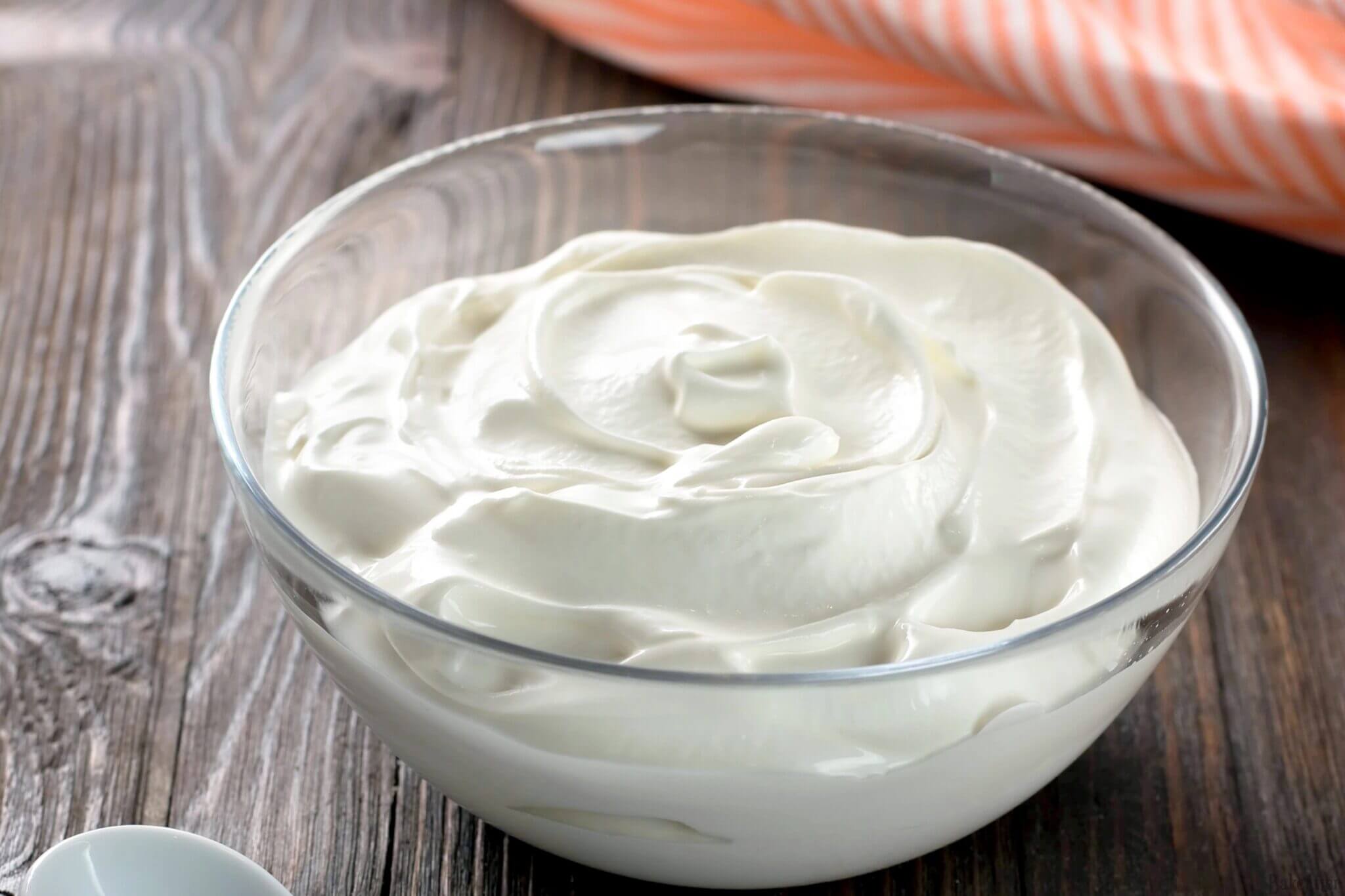
Sour cream is made from cow’s milk by fermenting cream with added lactic bacteria cultures. As it ferments, the cream does not just coagulate, it also turns sour, which gives sour cream its characteristic tang. There are several varieties depending on how much cream is used, how long it ferments, or which cultures are involved, and the most popular variety by far is the French crème fraiche, one of the richer styles, sitting at around 45 percent fat, with a notably mild, gentle tang (a lot of that fat also softens the sourness).
It is worth flagging that the sour cream sold in most American supermarkets is a leaner product than crème fraiche, usually closer to 18 to 20 percent fat, so the two can taste and behave a little differently in a recipe even though they come from the same family, so if a recipe asks for crème fraiche you might need to buy crème fraiche.
In appearance, sour cream looks much like mascarpone, since they are both coagulated cream at heart: white, with a thick, creamy texture and a soft sour edge. It is used in very similar ways to mascarpone, especially in desserts, but it also does great work adding creaminess and cutting through sweetness in naturally sugary soups and sauces. A spoonful stirred into pumpkin soup is a nice touch, and so is a dollop in a creamy chicken stroganoff (worth remembering that the traditional stroganoff recipe is made with beef and crème fraiche).
Cream & Double Cream
Cream is really the starting point for most of what we just talked about, so it is worth a quick word on its own. Unlike the others, cream does not need bacteria, fermentation, or any coagulating at all, it is simply the fattier part of milk, separated out, usually by spinning the milk in a centrifuge so the heavier, fattier part rises and gets skimmed off. No culture, no acid, no aging, just milk and gravity (or a machine doing the job gravity used to do).
What you end up with depends almost entirely on how much fat is left in it. Light cream sits at around 18 to 20 percent fat, half and half is even lower, closer to 10 to 12 percent, and heavy cream or whipping cream is the rich end of the scale, usually 36 percent fat or higher, which is exactly why it is the one that will actually whip up into peaks.
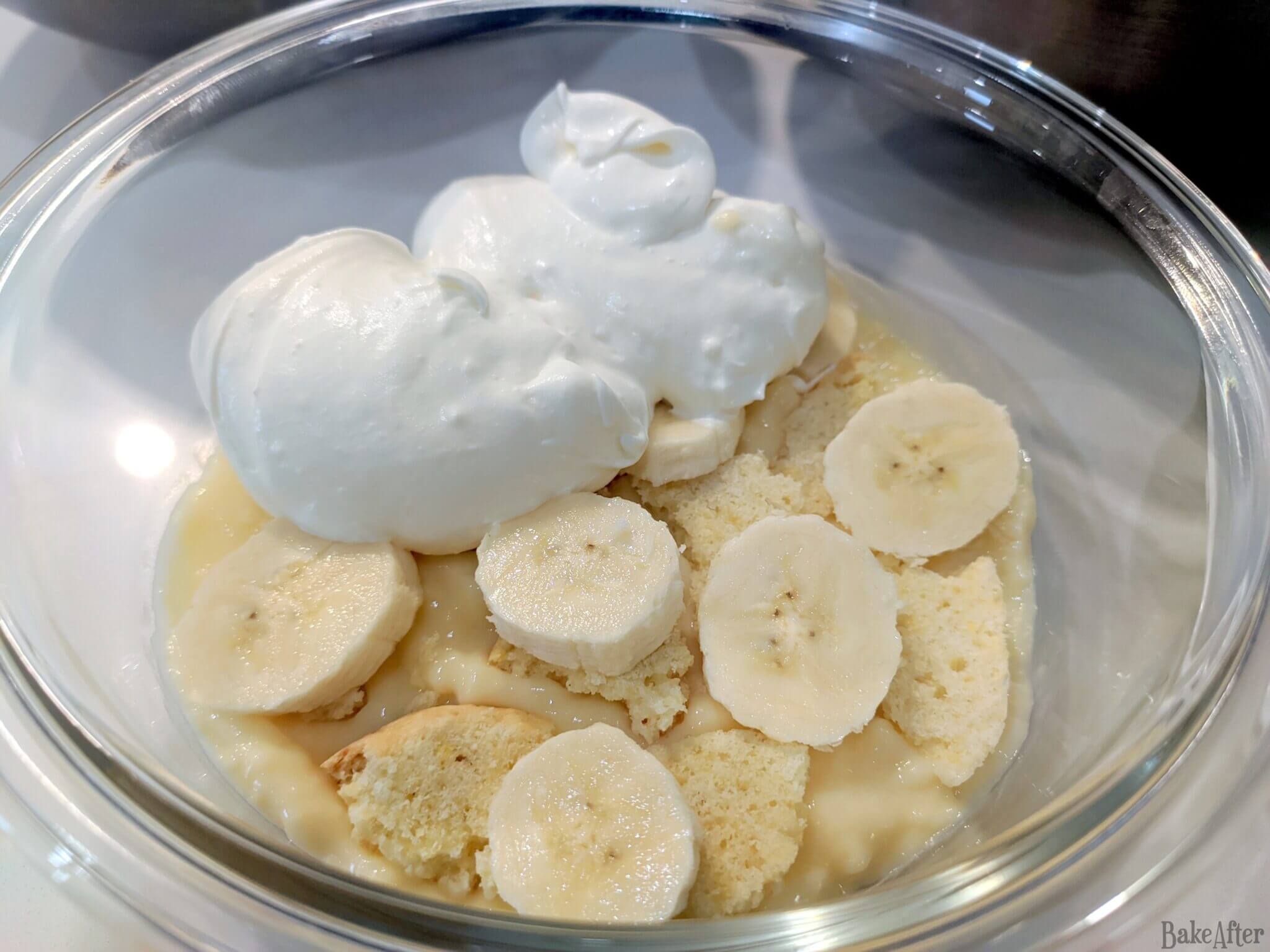
In appearance, cream is pale white to slightly yellow, thin and pourable on the lighter end, thick and almost syrupy on the heavy end, with a clean, mild milky flavor and no tang at all, since nothing here has fermented. It gets used everywhere, in coffee, in sauces to add body, whipped on top of desserts, or poured straight into soups to round them out. A splash in a creamy pasta sauce or a dollop of whipped cream with sugar (aka chantilly cream) on a slice of pie are about as classic as it gets.
It is also worth remembering that cream is the raw material every other product on this list starts from. Let it ferment with the right cultures and it becomes sour cream or crème fraiche. Coagulate it and it becomes mascarpone. So in a way, getting to know plain cream first makes it a lot easier to understand why the rest taste and behave the way they do, hehehe.
And there you have it. As you can see, these are all dairy derivatives, just processed in different ways, which is exactly what creates such different products, each with its own flavor and texture, and which can often be swapped in for one another.
As a personal note, these four plus cream are often better versions of the everyday staples we reach for without thinking, hehehe. Cheese will almost always have a more intense flavor than plain cream or butter, so instead of whipping cream for a dessert topping, why not whip mascarpone instead? You will end up with something twice as dense, rich, and flavorful.
Want a filling that is more solid and holds up longer under heat? Ricotta is a good call. Got a carrot soup that turned out too sweet? A spoonful of sour cream will fix that right up. Making a tuna sandwich and want something other than mayonnaise? Try a bit of cream cheese instead, hehehe, you can see where this is going, there is really nothing like experimenting with something new.
That about covers it, I hope you enjoyed this little breakdown. I will admit, I used to think cream cheese was something close to ricotta made from leftover curds, but it is actually much closer to a fresh cheese, the kind you would normally press to remove extra water and sell fresh. Cream cheese just skips the pressing and gets milk and a few other ingredients added instead, which is exactly what gives us the cream we all know. Until next time!

Extra Tips and Tricks
Take cream cheese and mascarpone out of the fridge about 20 to 30 minutes before using them in a filling or frosting. Cold cheese fights you and turns lumpy, room temperature cheese blends smooth.
Do not swap these four cheese into a recipe one for one without thinking about fat content. A baked cheesecake made with sour cream instead of cream cheese, for example, will set softer and looser, since cream cheese is far denser. Fine for a no-bake dessert, not always fine for a baked one.
If your ricotta seems watery, set it in a fine strainer or a cheesecloth over a bowl for half an hour before using it. It will firm up nicely and hold together much better in a filling.
Crème fraiche can usually be swapped for sour cream and the other way around, but remember the fat difference. Crème fraiche also tends to hold up better in a hot sauce without curdling, which makes it the safer pick if your dish is going to simmer for a while.
All four cheeses freeze reasonably well in a pinch, though the texture changes a little once thawed, more so for mascarpone and sour cream. They are usually best saved for cooked dishes rather than anything where smoothness really matters, like a frosting.
Once opened, keep an eye on these, they do not last nearly as long as a hard, aged cheese. A week to ten days in the fridge is a fair rule of thumb for most of them, so buy what you will actually use, better an extra trip to the supermarket than good product going to waste! ;D
Discover more from BakeAfter
Subscribe to get the latest posts sent to your email.