
For a change of pace, and since I’ve already got a giant pile of tips and tricks sitting around, I figured I also had a bunch of food facts and culinary curiosities worth sharing, some funny, some a little concerning. Let’s get into it. ;D Uhhh the mystery of it allllll…
15 Curiosities About Food, Ingredients, and Cooking
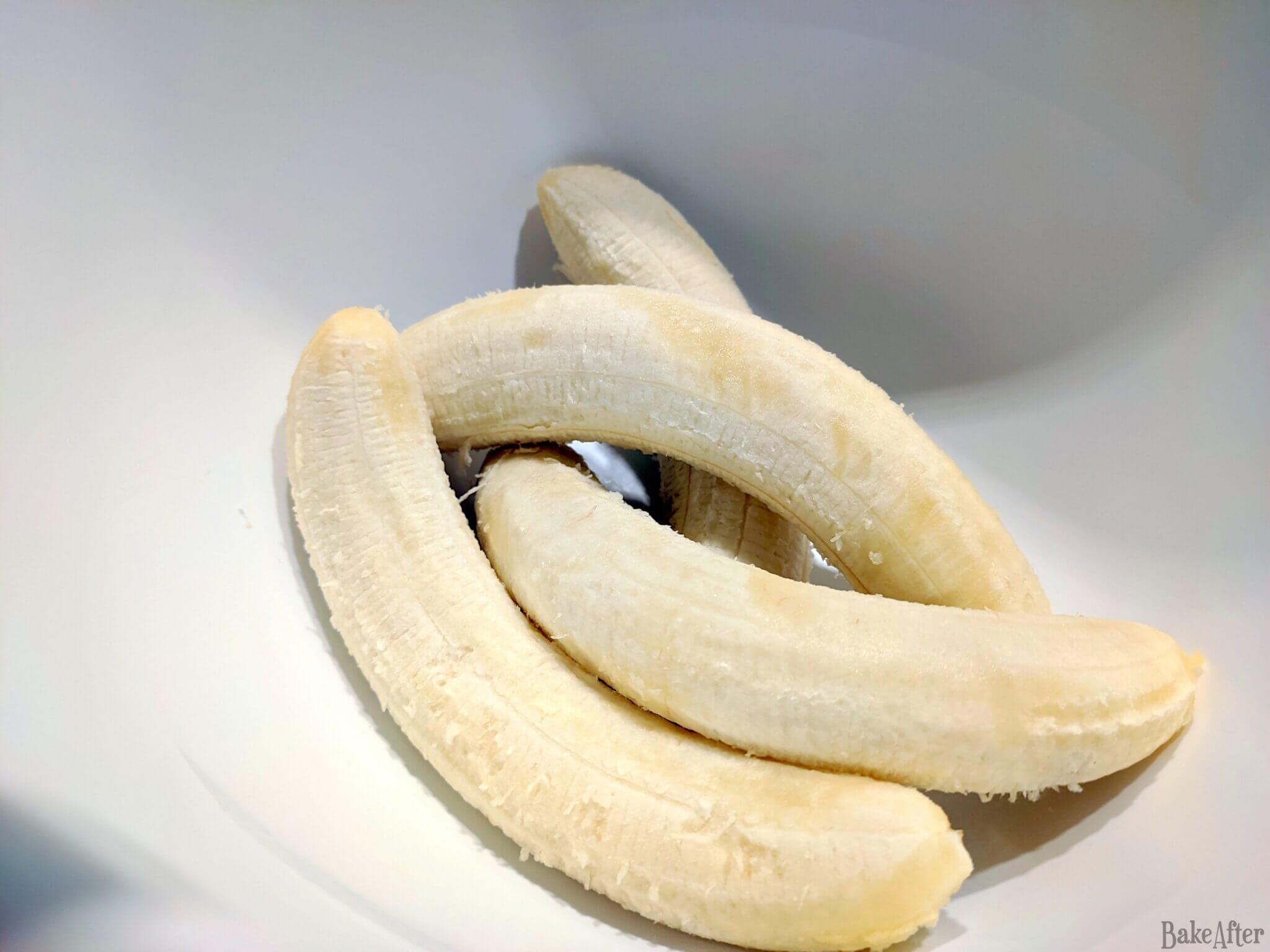
- Bananas Could Disappear. Seriously. The problem is that about 99% of the bananas we eat are the same variety, the Cavendish, and it’s under serious threat from a fungus that destroys the plant. Plenty of plantations have already been wiped out, and the outlook isn’t great. There are other banana varieties out there, but nobody’s found a real replacement yet. Ironically, Cavendish became the world’s banana in the first place because it was resistant to an earlier fungus that wiped out the previous favorite variety called Gros Michel.

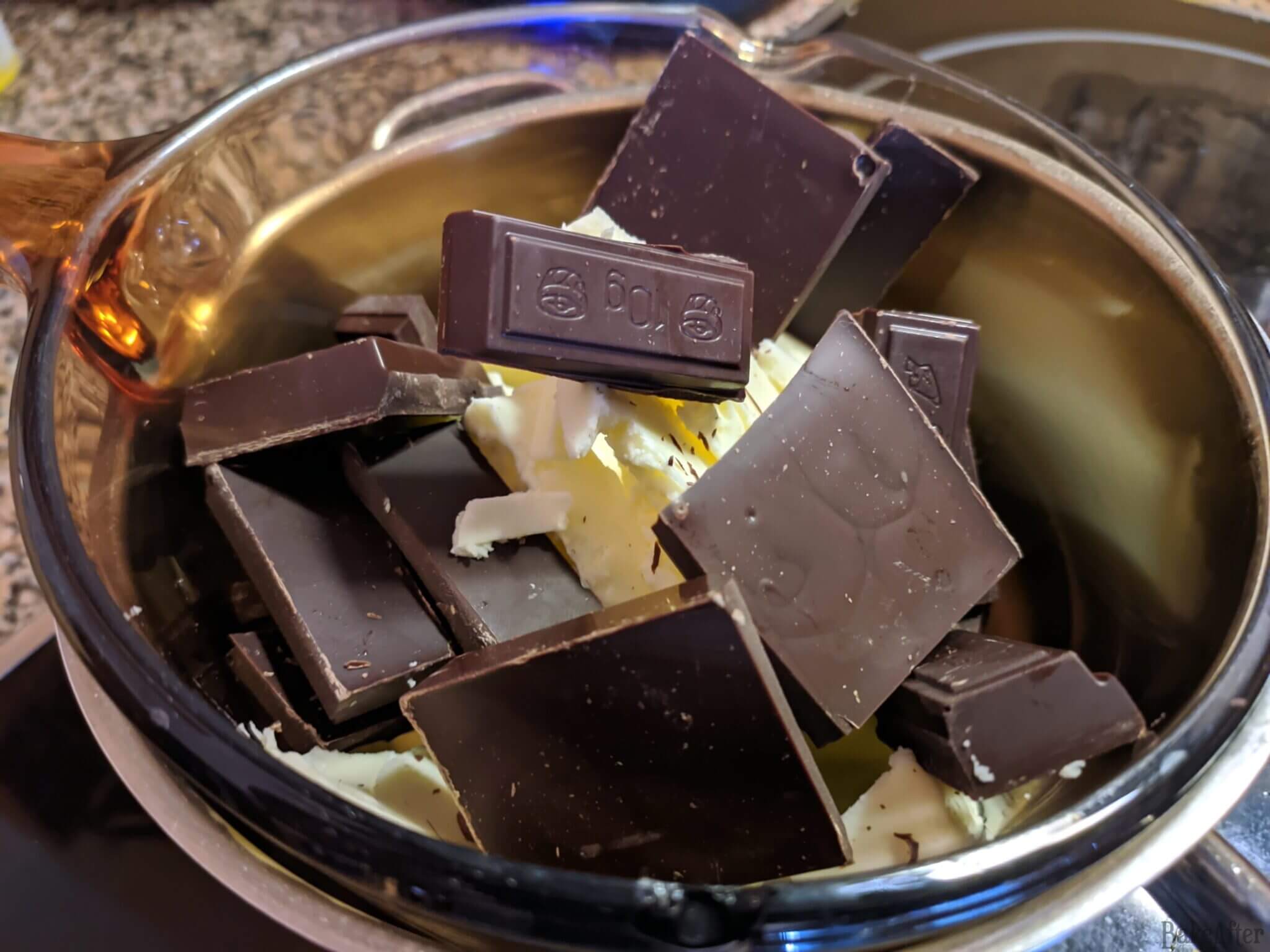
- Chocolate Could Also Disappear. With chocolate, the issue is simpler, cacao trees only grow well in a handful of specific regions, and as global chocolate demand keeps climbing without end, production capacity is eventually going to hit a wall. So chocolate could get a lot pricier and harder to find down the road, not even considering global warming issues.
- Bagged, Pre-Washed Salad Might Not Actually Be Washed Well. I know, the bag says “washed and ready to eat,” but lettuce is genuinely tricky to clean properly, even by hand, and mechanical washing struggles even more because of all the nooks and folds in the leaves that are hard to reach, so its washed as best as possible to not damage the salad.
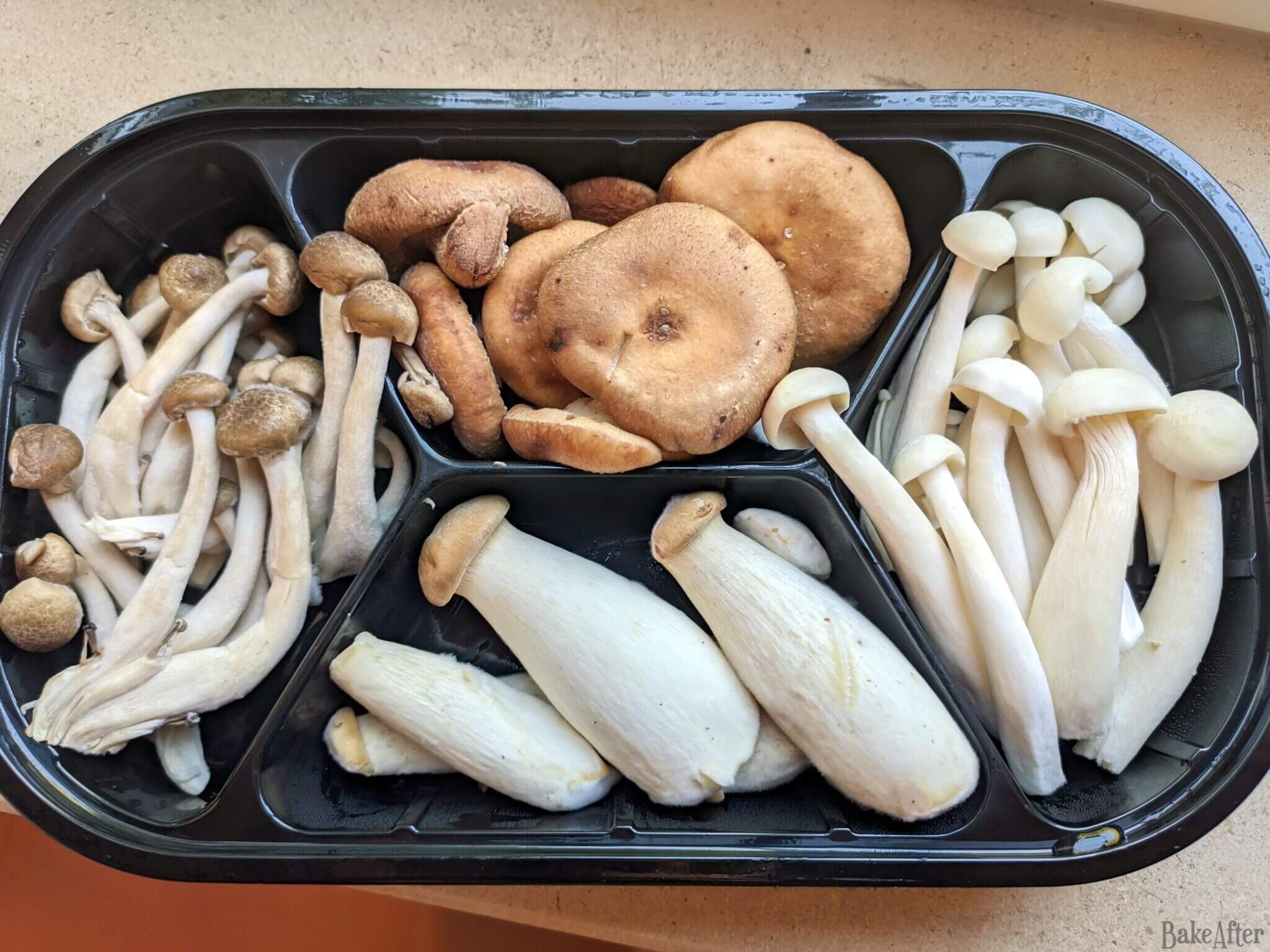
- It’s Nearly Impossible to Overcook Mushrooms. Thanks to their spongy, cavernous internal structure, once a mushroom is cooked, it’s very hard to keep cooking it to the point where it turns tough or falls apart.
- Pistachios Can Catch Fire All on Their Own. Yep, you read that right. If you store a large quantity of pistachios, their high fat content can cause them to self-heat through oxidation, and if that heat has nowhere to escape, the pile can eventually reach its autoignition point and burst into flames without any outside spark. This mostly happens at an industrial, bulk-storage scale, so your kitchen pantry bag is not a fire hazard. It’s also not exclusive to pistachios, any nut with a lot of fat carries some version of this risk when stored in huge quantities.
- Bananas Are Radioactive. Bananas are loaded with potassium, which is great for us, but potassium naturally decays and releases a small amount of radiation as it does. There’s no danger to you personally, a lethal dose would require an absurd number of bananas you would have more issues with the calories and excess potassium than the radiation, but a shipping container full of them can genuinely make a Geiger counter tick.
- Lima Beans and Almonds Contain Cyanide. Lima beans and almonds, along with the seeds of several fruits, apples included contain a tiny amount of cyanide. If the name doesn’t ring a bell, cyanide is a chemical used in all sorts of industrial processes, including mining, but it’s also a well-known poison with a long history.
- White Chocolate Doesn’t Actually Contain Any Cocoa. From the cacao bean you get two things, cocoa solids, the brown part with that deep, slightly bitter chocolate flavor, and cocoa butter, the clear fat from the bean. White chocolate is made using only the cocoa butter, no cocoa solids at all, so it doesnt have any cocoa.
- Spicy Food Doesn’t Actually Burn Your Tongue. It sure feels like it does, but the chemical responsible, capsaicin, is really just tricking your brain into thinking something is burning. That’s why spicy food hurts without there being any actual damage happening. It’s all in your head, quite literally.
- Honey Is Basically Bee Vomit. Bees collect nectar from flowers and swallow it, then head back to the hive and regurgitate it, and that regurgitated nectar becomes the honey we know and love.
- Color, Sound, Smell, Sight, and Even Altitude Change How Food Tastes. Hot chocolate reportedly tastes better out of an orange mug. Bread tastes better fresh out of a bakery than it does anywhere else. High-pitched sounds tend to make food taste sweeter, while low-pitched sounds tend to bring out more bitterness. And airplane food tends to taste weirdly flat, even when it’s heavily seasoned, largely because cabin pressure and dry air dull your sense of smell, which is a huge part of how we perceive flavor.
- The Wasabi Next to Your Sushi Probably Isn’t Real Wasabi. That bright green paste sitting beside your sushi almost everywhere in the world, more than 90% of the time, even in Japan itself, is usually made from horseradish, mustard, and green food coloring. Real wasabi is expensive and notoriously hard to grow, so restaurants overwhelmingly reach for the substitute instead. It delivers a similar kick, just sharper and longer lasting than the real thing that tends to have a milder spiciness.
- Pigs Don’t Sniff Out Truffles Because They’re “In the Mood.” For decades the story was that truffles release a compound similar to a male pig’s sex hormone, which supposedly drove female pigs wild trying to dig them up. More recent research points elsewhere, the real attractant appears to be dimethyl sulfide, a compound that simply smells like appetizing food to pigs. When researchers tested the hormone on its own, the pigs barely reacted to it at all.
- Ketchup Used to Be Sold as Medicine. Back in the 1830s, an American doctor named John Cook Bennett started selling concentrated tomato extract, including in pill form, as a cure for everything from indigestion to cholera. The whole business collapsed once people realized that a lot of the competing “tomato pills” on the market didn’t contain any tomato at all, just flour and laxatives.
- Peanuts Aren’t Technically Nuts. Despite the name, peanuts are botanically legumes. They grow underground rather than on a tree, and they’re actually closer relatives of beans and peas than they are of walnuts or almonds. This is also part of why some people with tree nut allergies can eat peanuts just fine, and vice versa.
- Strawberries Aren’t Technically Berries. Botanically speaking, a strawberry is what’s called an accessory fruit. What you’re actually eating is the swollen base of the flower, and the real fruits are those tiny yellow specks on the surface, each one holding its own seed, while bananas, on the other hand, do qualify as true berries under the botanical definition, which sounds backwards but is completely true.
- Honey Basically Never Goes Bad. Archaeologists have found honey in Egyptian tombs thousands of years old that was still perfectly edible. This works because honey has almost no available water for bacteria or fungi to use, it’s quite acidic, and bees add an enzyme that produces a small amount of hydrogen peroxide, creating an environment that’s hostile to nearly every microbe out there. As long as the jar stays sealed and dry, honey can last almost indefinitely.

And we are done, hope you enjoyed this list… sometimes its nice to fresh it up and have some fun! ;D See you all tomorrow! Yeah it was just 15! But i remembered a couple more hehehehe…
Discover more from BakeAfter
Subscribe to get the latest posts sent to your email.