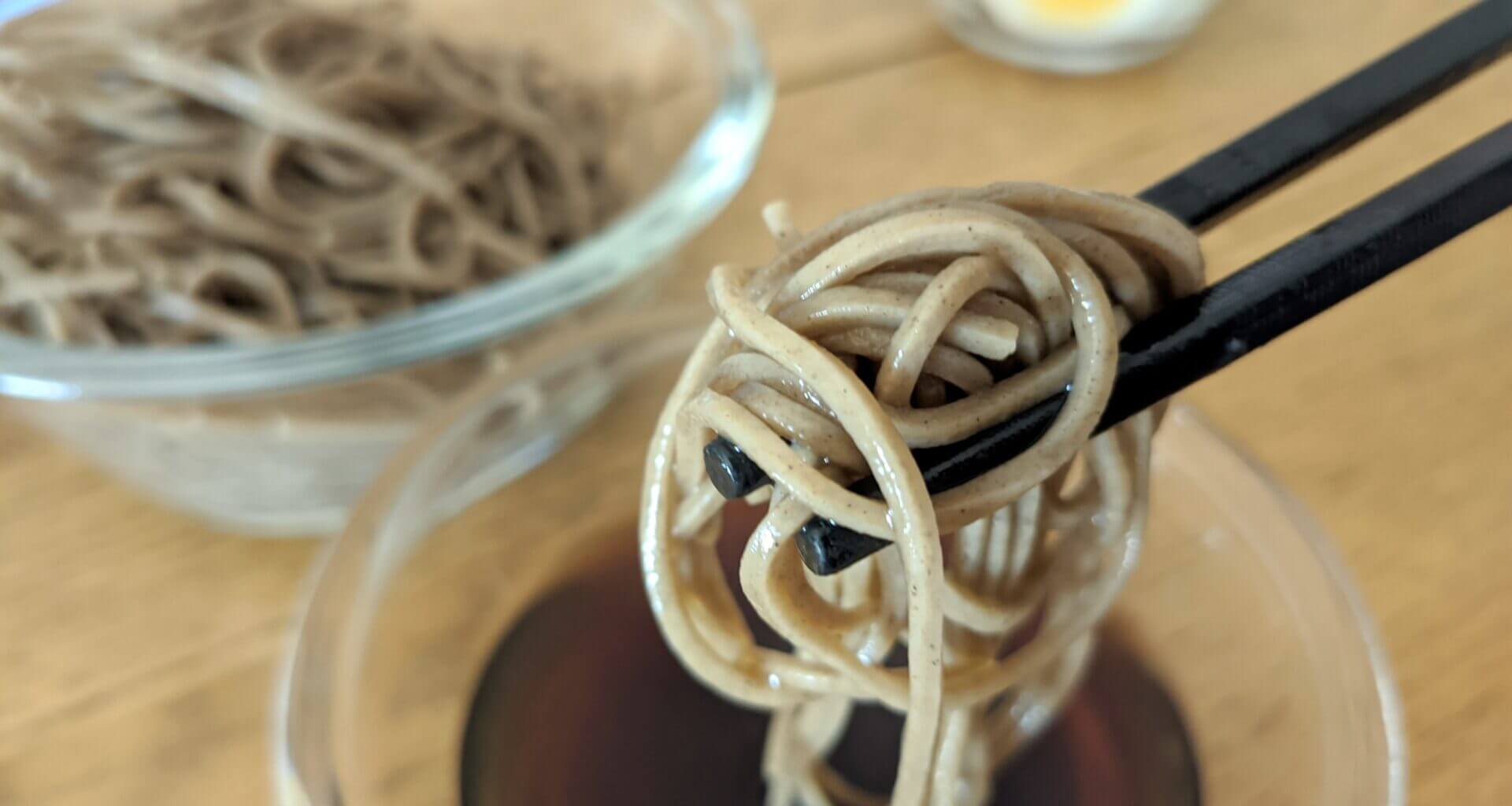

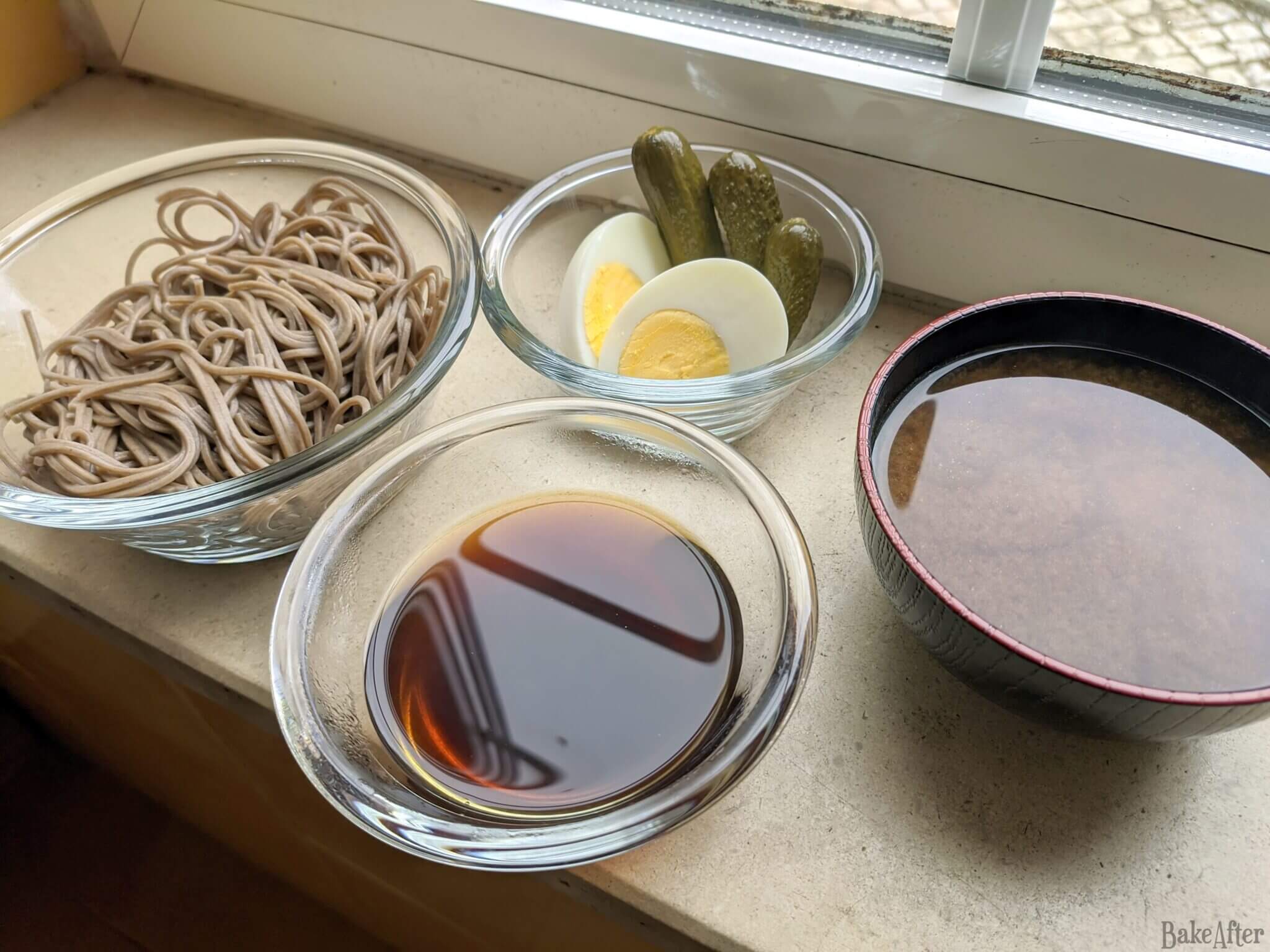
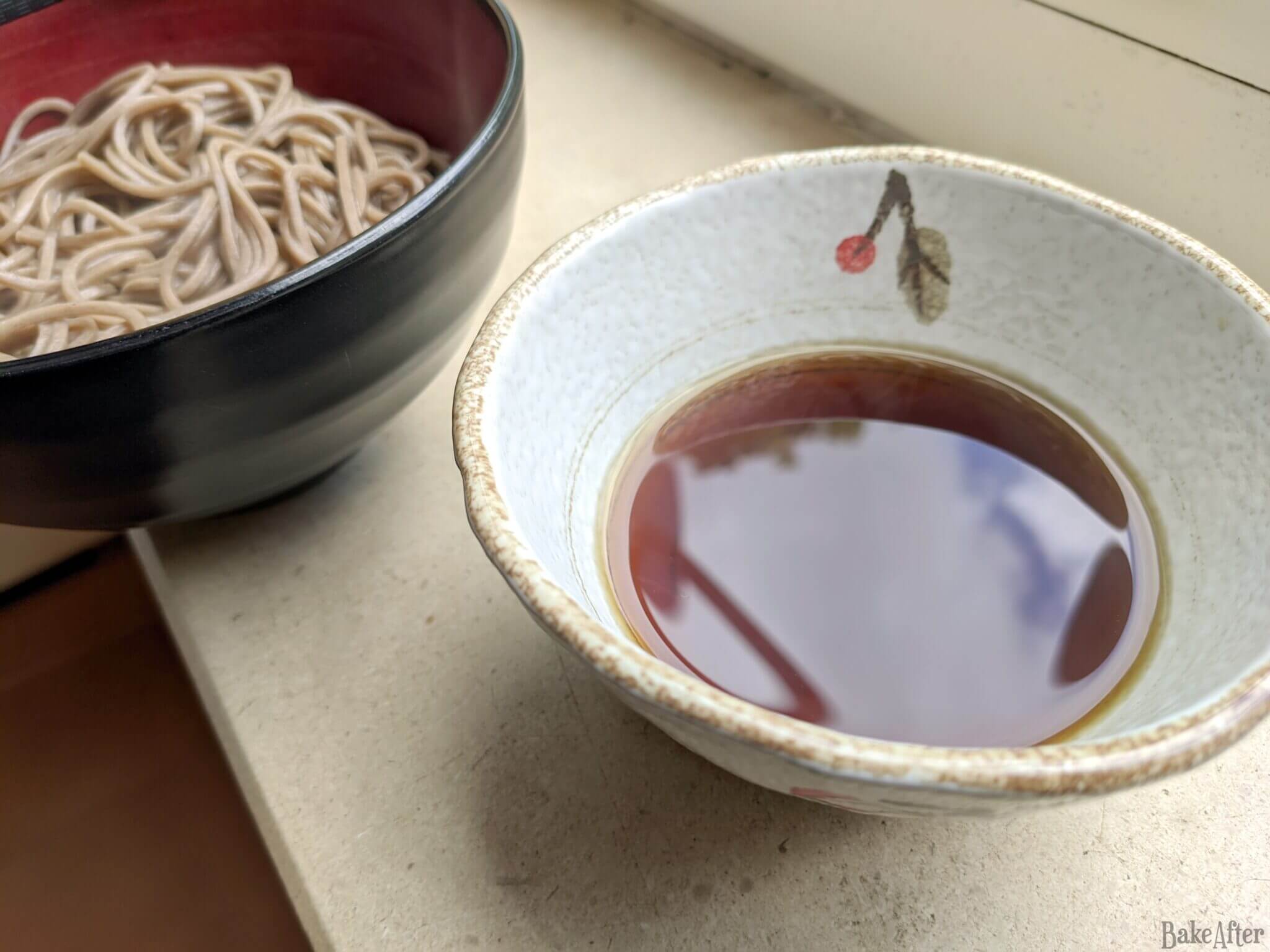
Soba is a type of Japanese noodle made with buckwheat, which is where that grayish brown color comes from. In Japan it’s often served either hot or cold alongside a dipping sauce, and in this case I went with a classic called hon dashi, or hondashi. There are several versions out there with different flavors and bases, but this one is built on a traditional dashi. To keep things practical I used instant dashi, though if you happen to have kombu (dried seaweed), katsuobushi (dried bonito flakes), iriko or niboshi (dried anchovies or sardines) and shiitake mushrooms on hand, you can absolutely make this broth from scratch at home.
The other ingredients are mirin, which starts out as sake but with lower alcohol and more rice sugar, and it’s used all over Japanese cooking, soy sauce, which I’m sure you already know, made from soybeans and a grain, fermented together, and sake, which is rice wine.
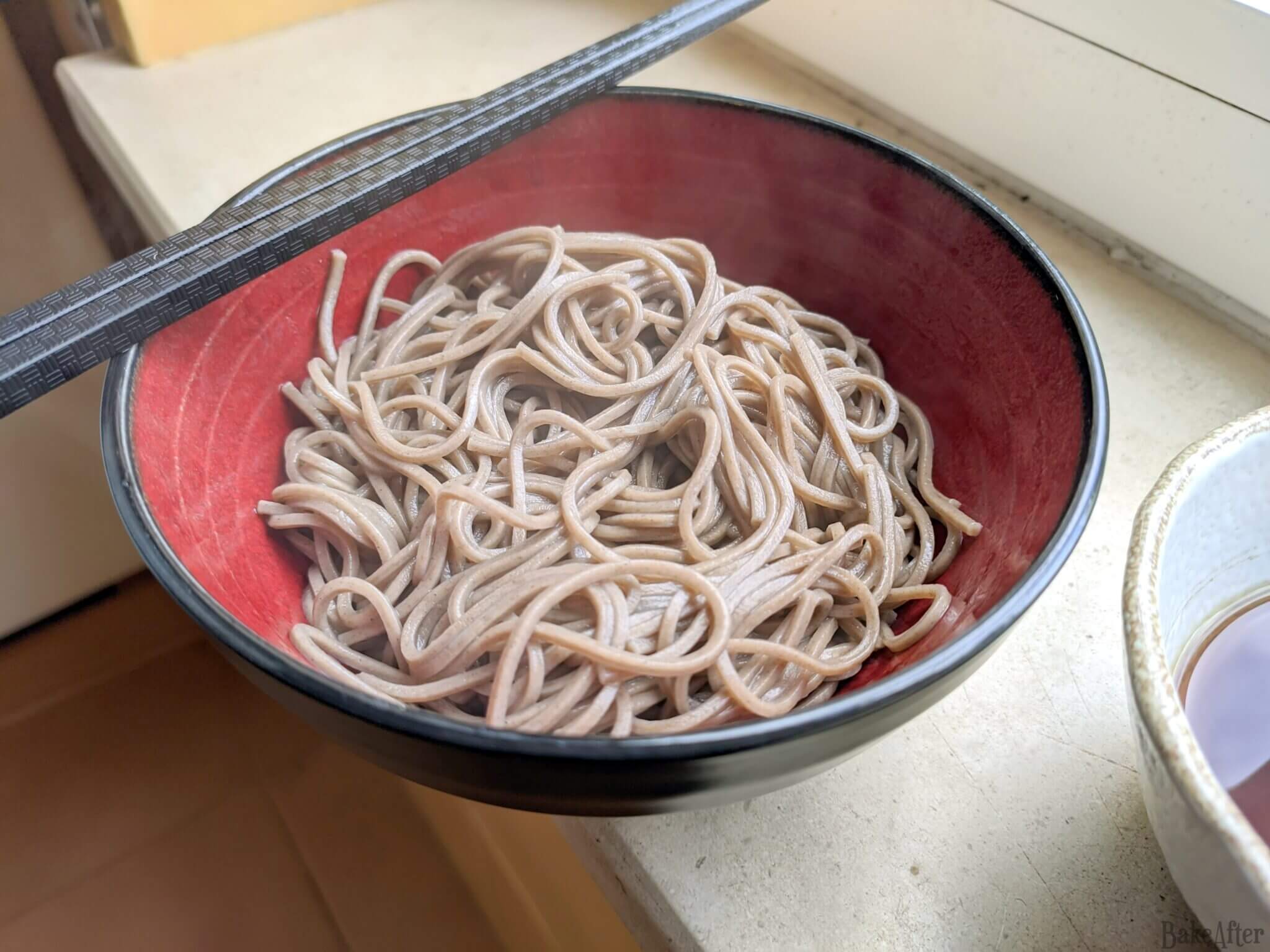
As for how to eat it, you can do what I did and eat the noodles cold, but it’s just as good with the noodles hot, it really comes down to personal taste, or time of the year if its hot or cold outside, also i served with some boiled eggs and pickled cucumbers but that’s optional and not commonly served in Japan. The technique is simple, pick up a bit of noodle with your chopsticks, dunk it in the sauce, and eat, repeat until it’s all gone, hehehe. Let’s check the recipe!
Japanese Cold Soba Noodles with Hon Dashi Dipping Sauce
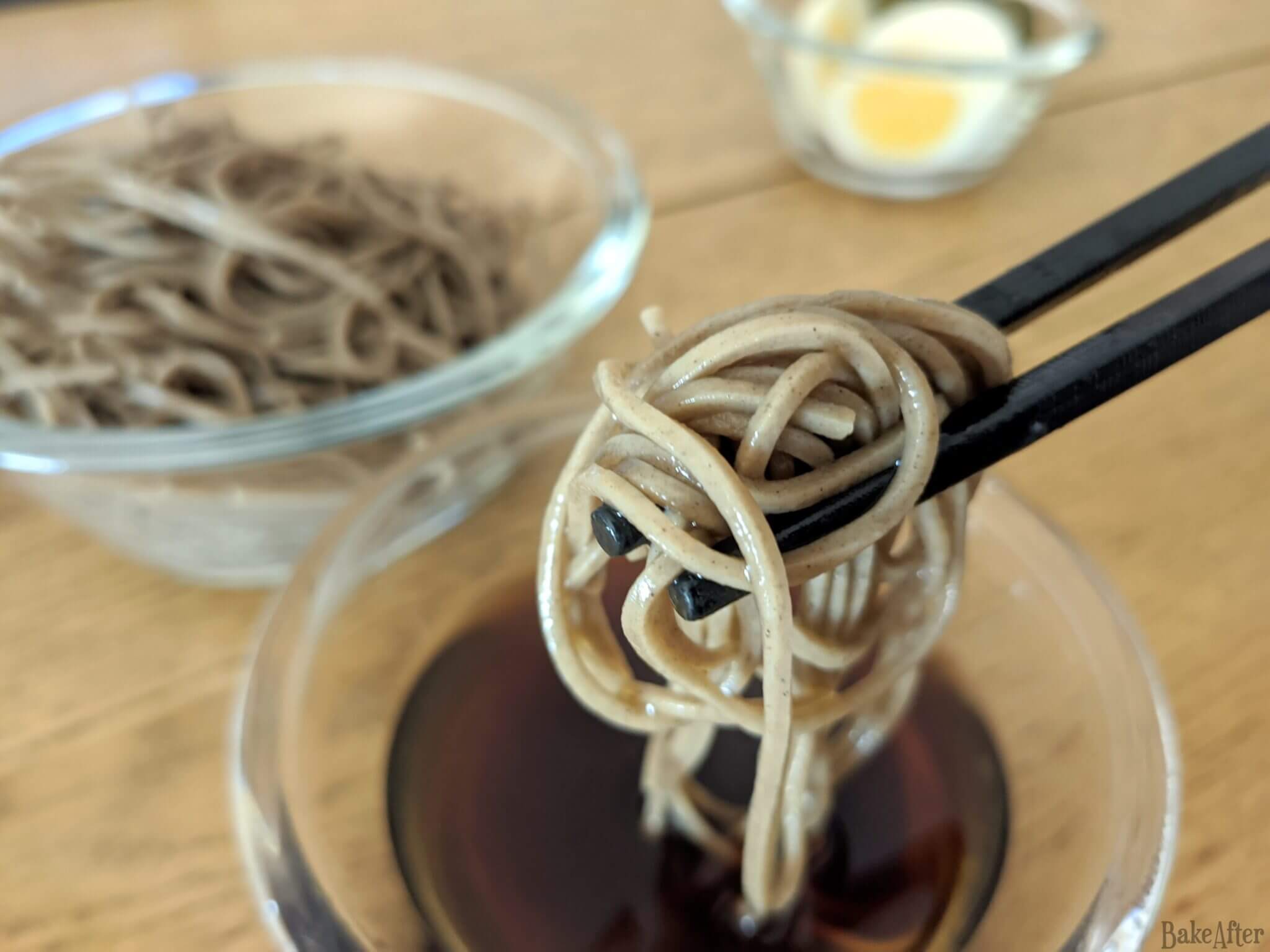
This is a classic summer and winter dish in Japan, hot sauce for dipping in the winter, cold sauce for dipping in the summer, both are equally delicious in their own way.
Ingredients
- Soba Noodles – 1 Serving
- Water – 120ml
- Instant Dashi – 1 Packet (+/- 5g)
- Mirin – 30ml
- Soy Sauce – 15ml
- Sake – 15ml
- Boiled Egg – 1 (Optional)
- Cucumber Pickles – 2 (Optional)
Directions
- Start by making the sauce. Add the water, dashi, mirin, soy sauce, and sake to a small saucepan over medium heat. Heat until lukewarm, but do not let it boil. Remove from heat.
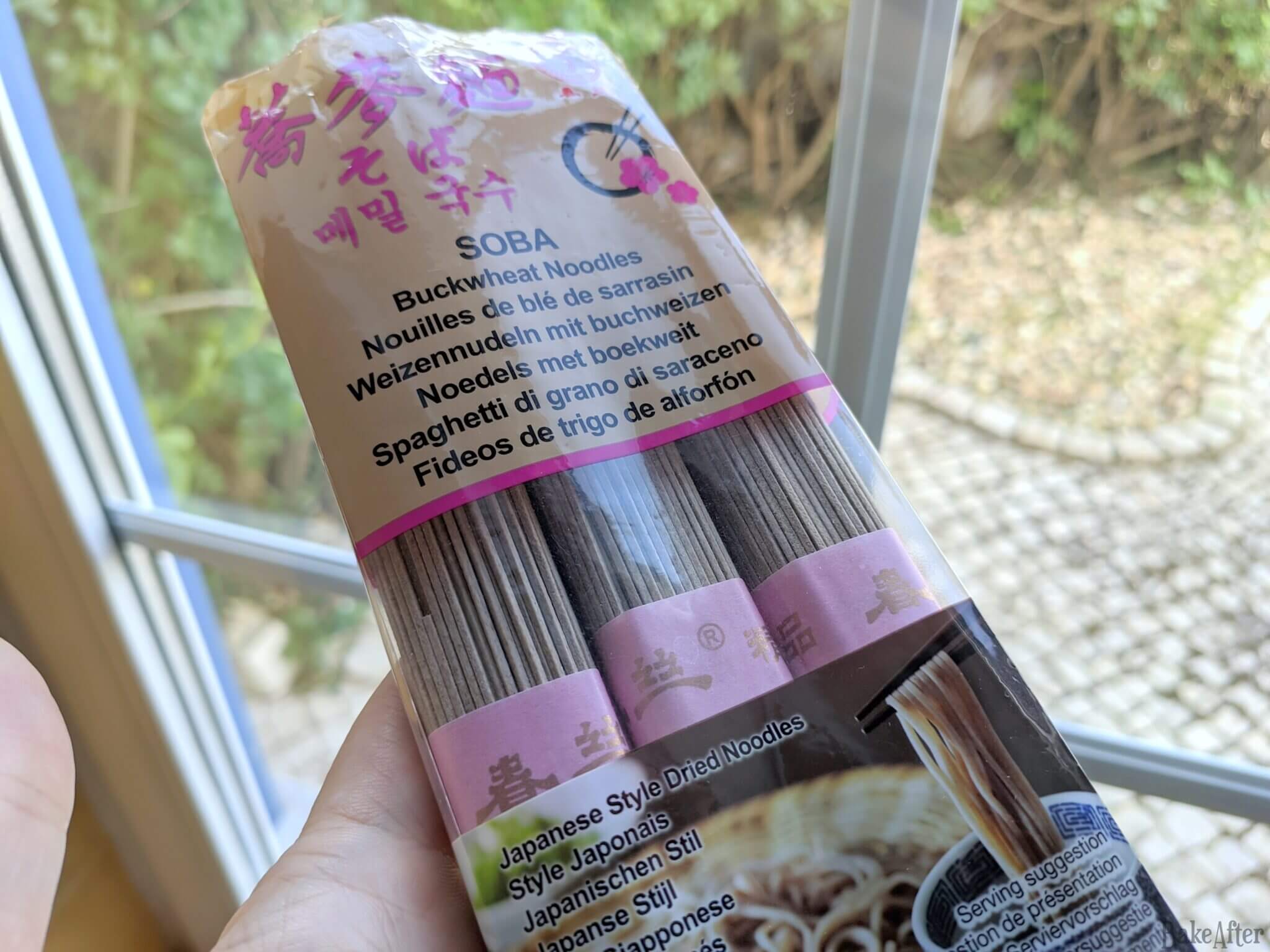
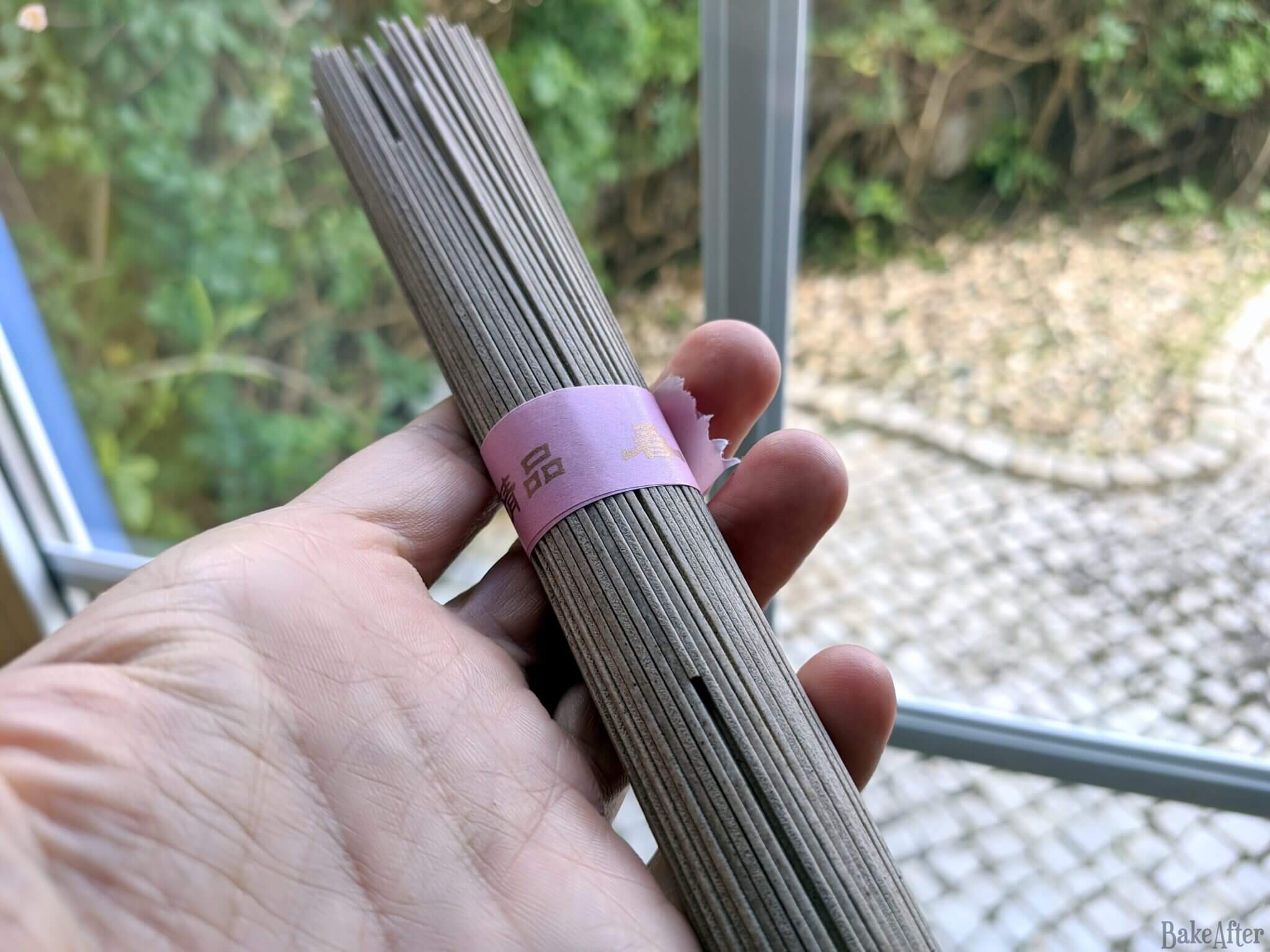
- Then cook the soba noodles in another pot with plenty of boiling water. Read the cooking instructions for the time, but it’s usually between 5 and 6 minutes. Follow the time, because unlike regular soba noodles, overcooked soba noodles will become mushy again.
- Drain the noodles if you want them hot, or rinse them with cold water if you prefer them cold. Serve with the sauce (warm, with warm noodles, cold or room temperature with cold noodles), and that’s it! Simple and delicious, enjoy!
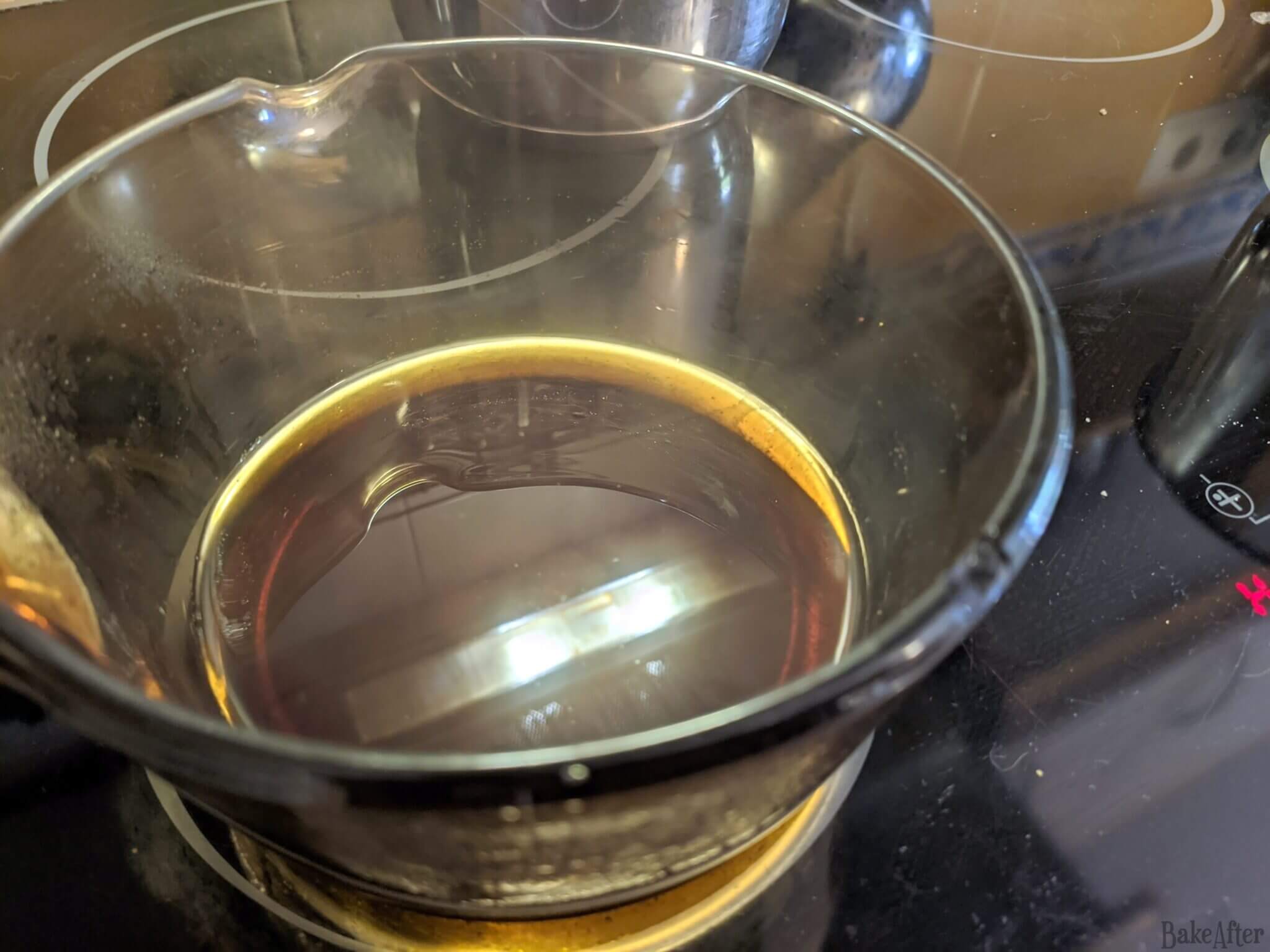
Instant dashi packets vary in saltiness by brand, so taste your sauce before serving and adjust with a touch more water or soy sauce if needed.
Don’t skip the “not boiling” rule for the sauce, boiling it can make the dashi taste flat and slightly bitter.
If you’re serving the noodles cold, rinse them really well under cold running water and gently rub them between your hands, this washes off the excess surface starch and keeps the noodles from clumping.
Soba cooks fast and keeps cooking a little from residual heat even after draining, so if you’re unsure, pull it a touch early rather than late, better a tiny bit chewy than a rubbery mess.
This recipe scales up easily, just multiply the sauce ingredients by however many servings of noodles you’re making.
Leftover sauce keeps in the fridge for a couple of days and reheats gently on the stove or in short bursts in the microwave.
A drizzle of toasted sesame oil or a sprinkle of toasted sesame seeds on top is a nice, very traditional touch if you want to dress it up a little.
This recipe for Japanese Cold Soba Noodles with Hon Dashi Dipping Sauce was originally created on BakeAfter.com. Esta receita de Soba com Hon Dashi foi publicada em português no Iguaria.com.
Nutrition
Per Serving: 426 calories; 1 g fat; 88.5 g carbohydrates; 14.5 g protein.Did you try this recipe?
Let me know how it turned out for you! You can leave a comment below ;D
Discover more from BakeAfter
Subscribe to get the latest posts sent to your email.