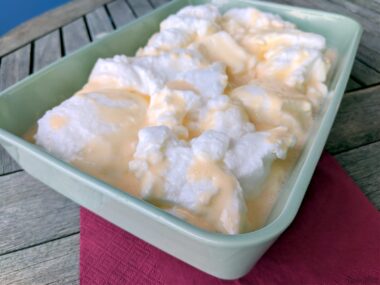

This recipe was a pretty interesting adaptation, we had literally tons of oranges and tangerines sitting around the house, and at some point it became obvious that we needed to do something with the oranges besides just eating them one by one 😀 And of course the simplest thing is always to go for a cake, from their i went with whole orange cake, but here’s the problem, every whole orange cake I had made before was either whole orange with carrot or whole orange with almond, always something extra!
So it’s time to invent something new hahaha, a Bittersweet Whole Orange Cake with a Fragrant Orange Syrup!!! This one goes super extra orange, a lot of these recipes tend to use just one orange, this one takes two, and to replace the almonds I’m using Greek yogurt and swapping the oil for butter. In my head all of this was going to make a very solid cake (there’s not much for the flour to “grab onto” as it rises), so I’m covering the whole thing with an orange and saffron syrup to make sure the end result is sweet and moist.
Yes, the cake is dense (and it was), but with a syrup you get one more flavor to contrast with the sweet and sour of the cake, plus it always brings that extra moisture, and I have to say the end result was really good. Baking tons of cakes always builds up some experience for doing… experiments! ;D This is a perfect cake for anyone who loves oranges on the bittersweet side and not the super sweet kind, because using the peel gives the cake a sweet and sour touch. It’s still a sweet little cake, but with that slightly bitter note in the background! So let’s get to the recipe!
Moist & Bittersweet Whole Orange Cake with Greek Yogurt and Saffron Orange Syrup

Nothing like a super moist sweet and sour cake, i love the combination of sweetness and sour from the orange peel, and yes you do cook and use the whole oranges yes with peels!
Ingredients
- Oranges – 2 large (Thin-Skinned)
- Butter – 100g (Room Temperature)
- Greek Yogurt – 100g (Plain, Room Temperature)
- Sugar – 200g
- Eggs – 3 (Large)
- Flour – 250g
- Baking Powder – 1 Teaspoon
- Salt – A Pinch
- Oranges – 2 (Juice and Julienned Zest)
- Lemon – 1/2 (Juice)
- Sugar – 125g
- Saffron – A Pinch (About 10–12 threads)
- Water – 2 Tablespoons
Directions
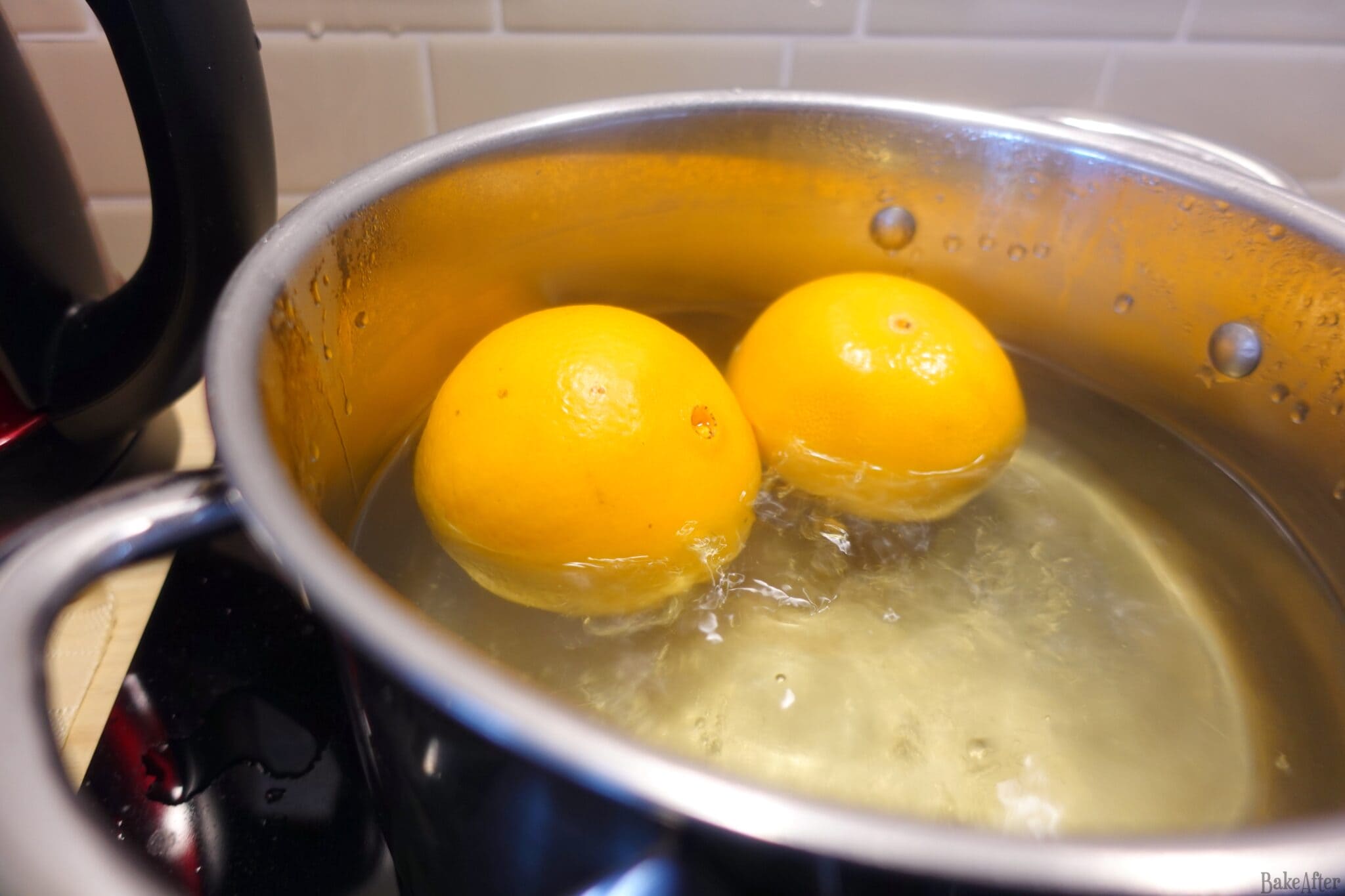
- Start by washing the oranges thoroughly, then place them in a small saucepan, cover with water, and bring to a boil over high heat. Let them boil for about 10 minutes (this step reduces the bitterness of the peel and removes any wax or unwanted residues).
- Discard the water, cover the oranges with fresh water, and simmer over medium heat for about 40 minutes until they are very soft.
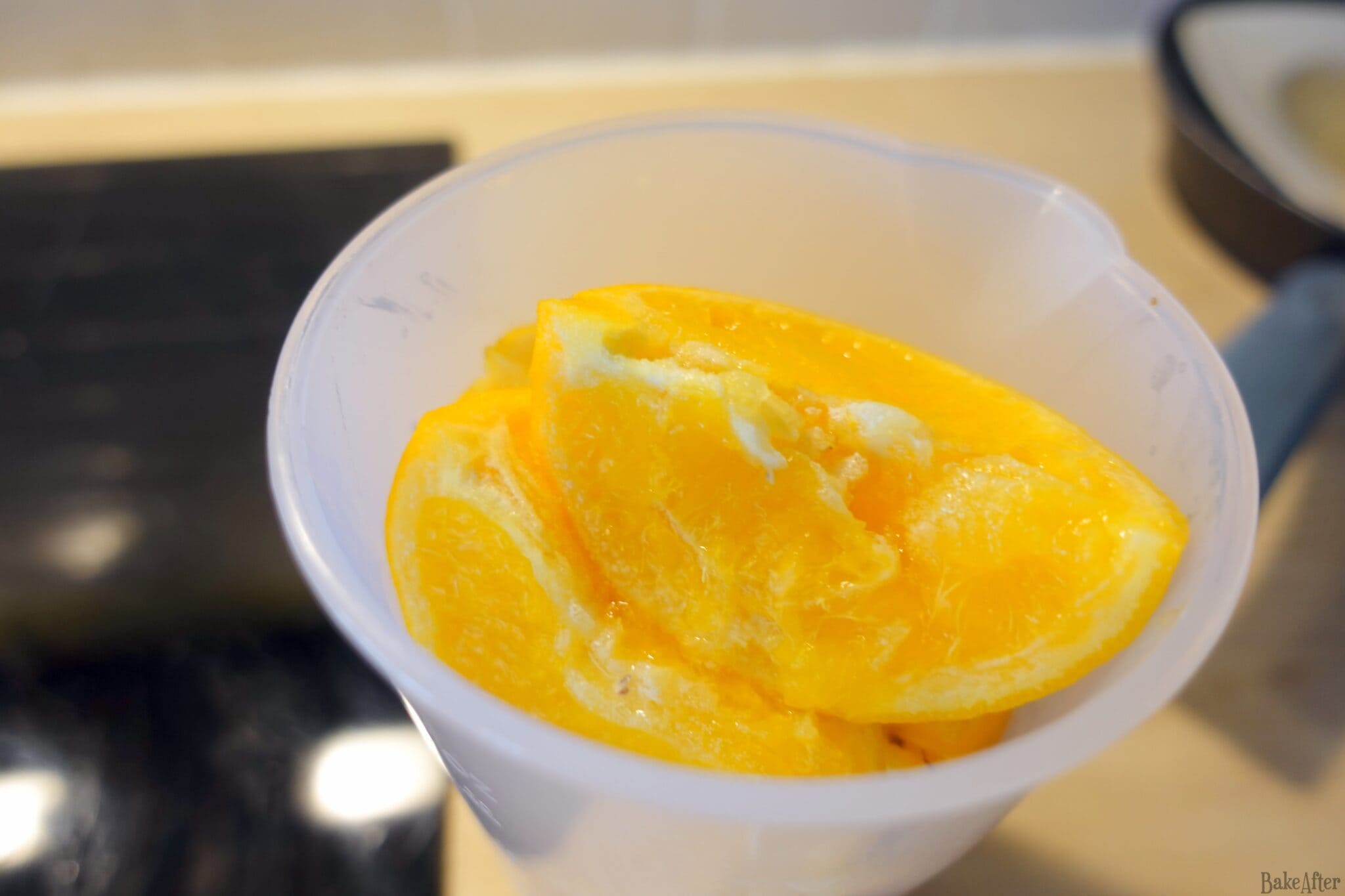
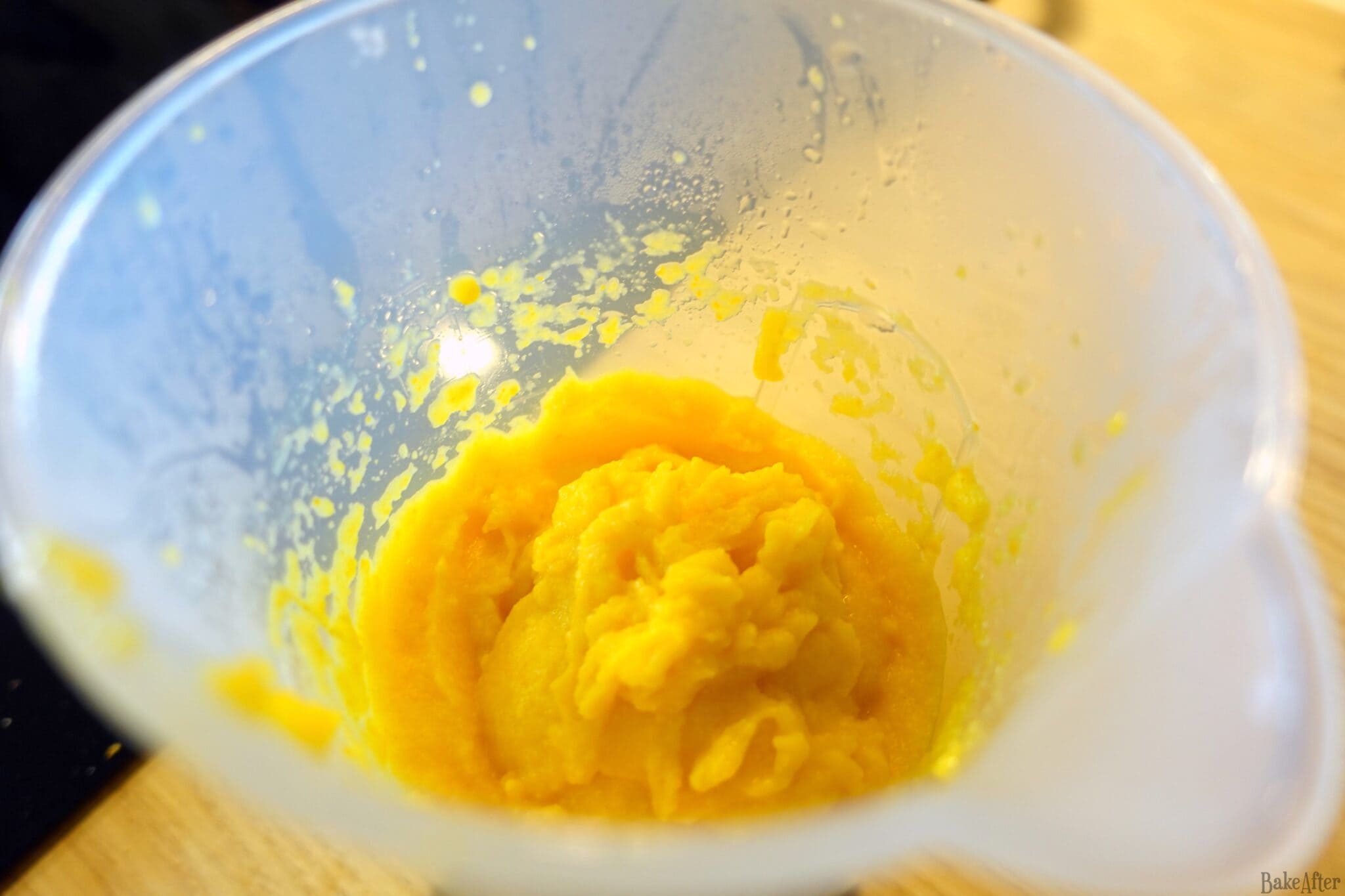
- Remove the oranges from the heat, let them drain and cool, then cut them into pieces, remove the seeds, and blend everything, peel and pulp, into a smooth paste.
- Preheat the oven to 160°C (320ºF) and prepare a round cake pan by lining the bottom with parchment paper and greasing the sides with butter.
- In a bowl, whisk the room temperature butter with the sugar until the mixture turns pale and creamy.
- Add the eggs one by one, whisking well after each addition.
- Stir in the Greek yogurt followed by the blended orange pulp, and mix everything thoroughly.
- Finally, sift in the flour, baking powder, and a pinch of salt, and fold everything together until you have a smooth batter.
- Pour the batter into the pan and bake for 50 to 60 minutes (since it is a very moist cake, it is best baked at a lower temperature, for slightly longer than usual). As always, test for doneness by inserting a toothpick into the center, if it comes out clean, the cake is ready!
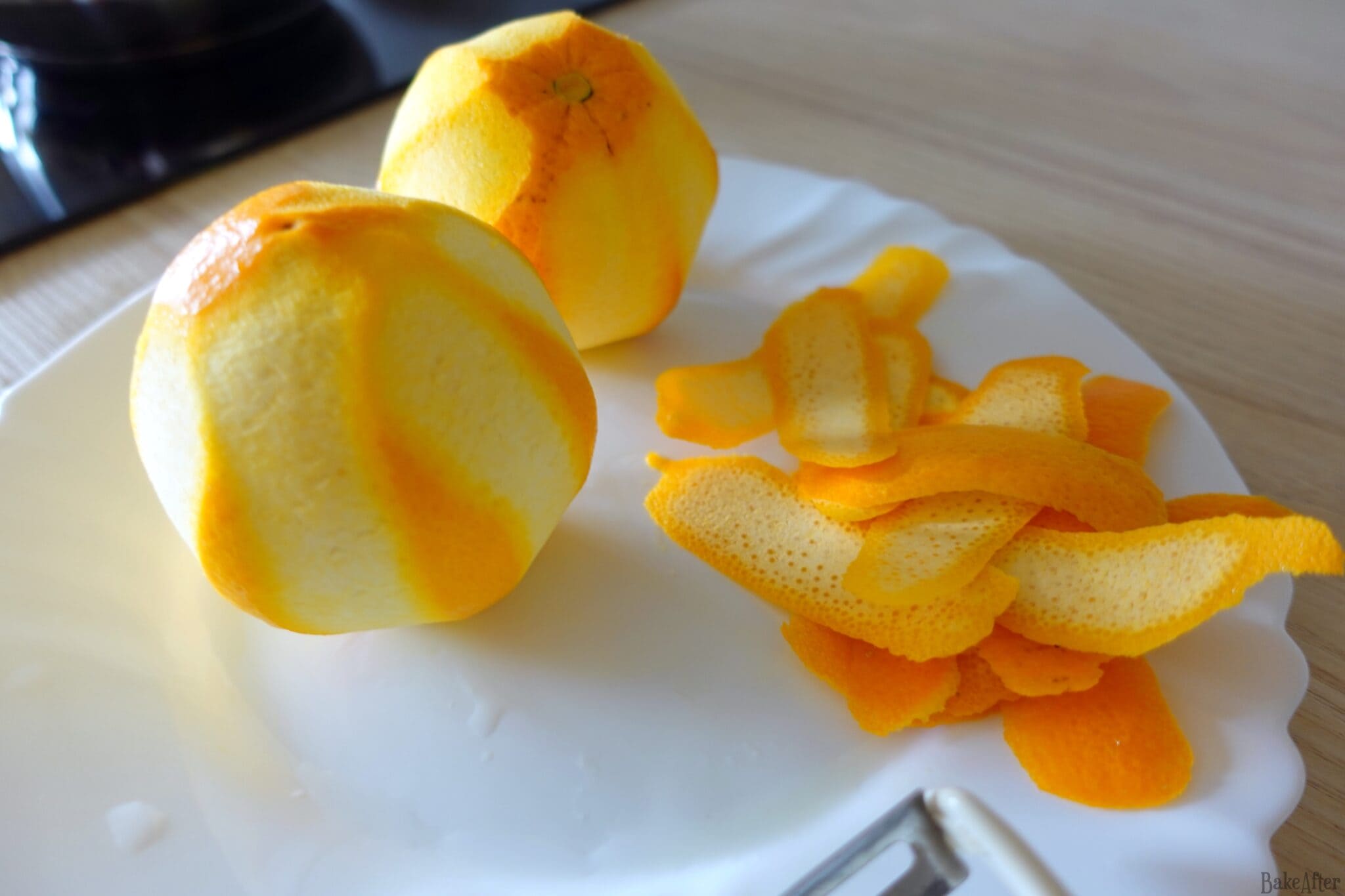
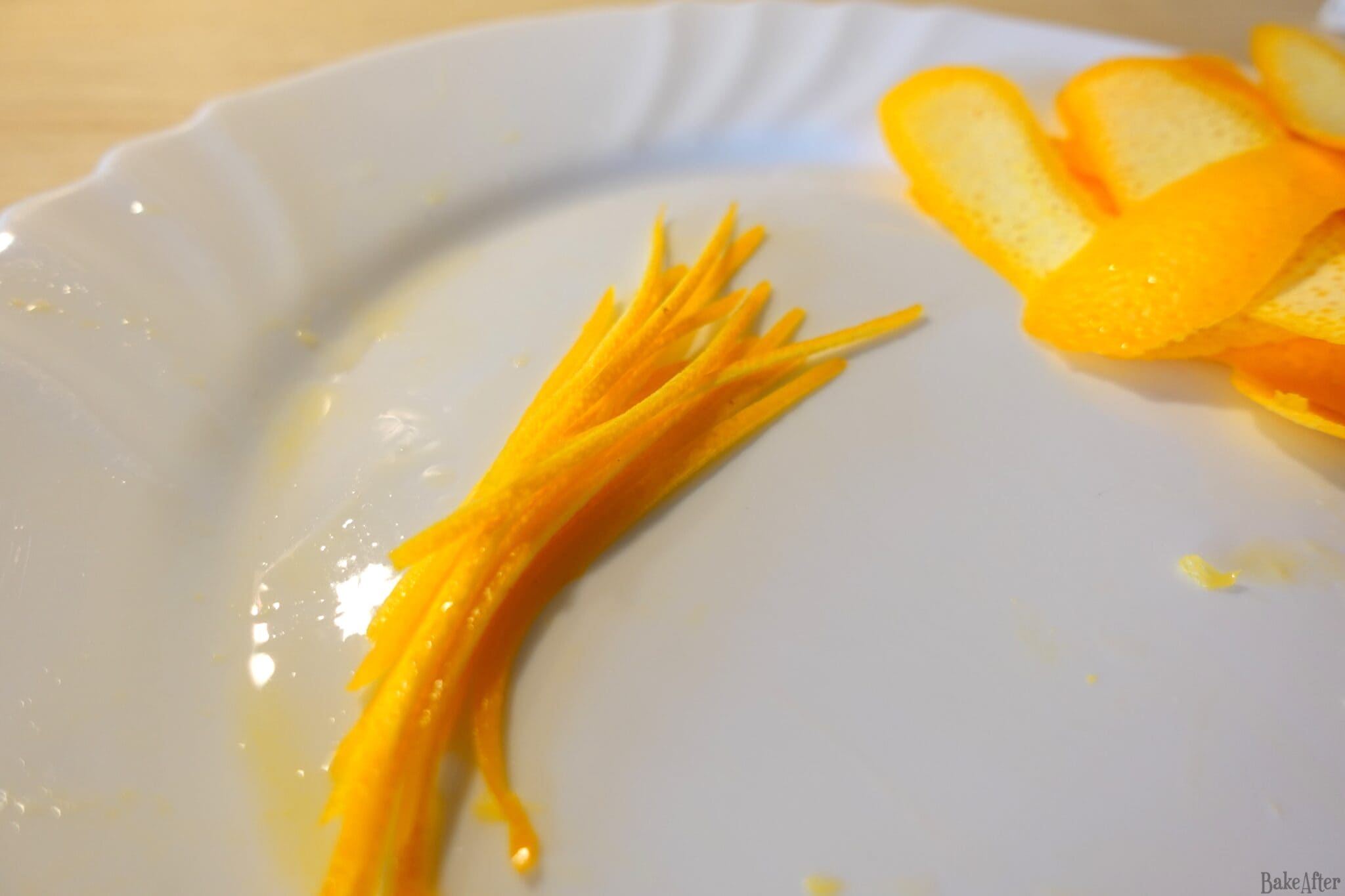
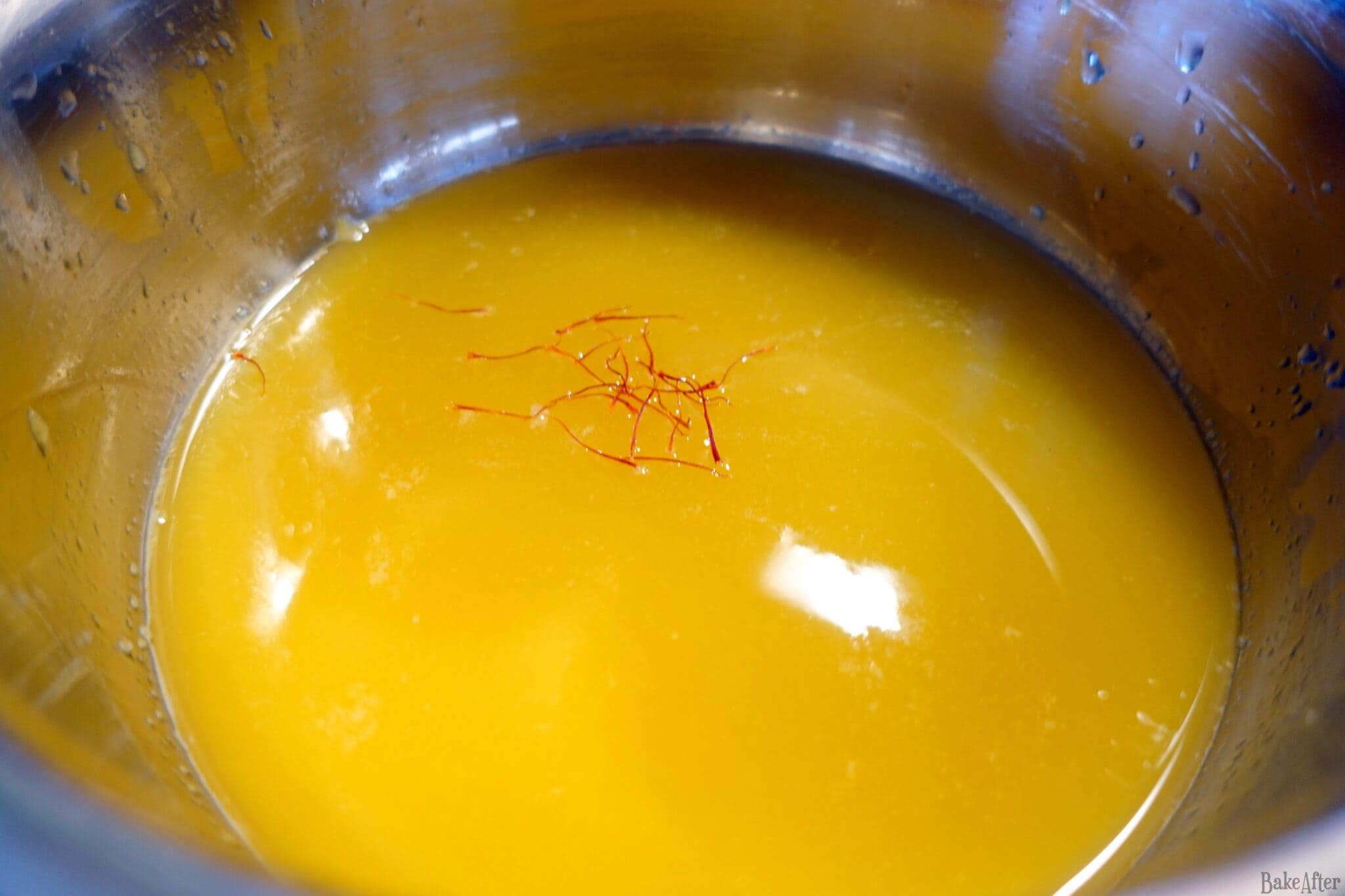
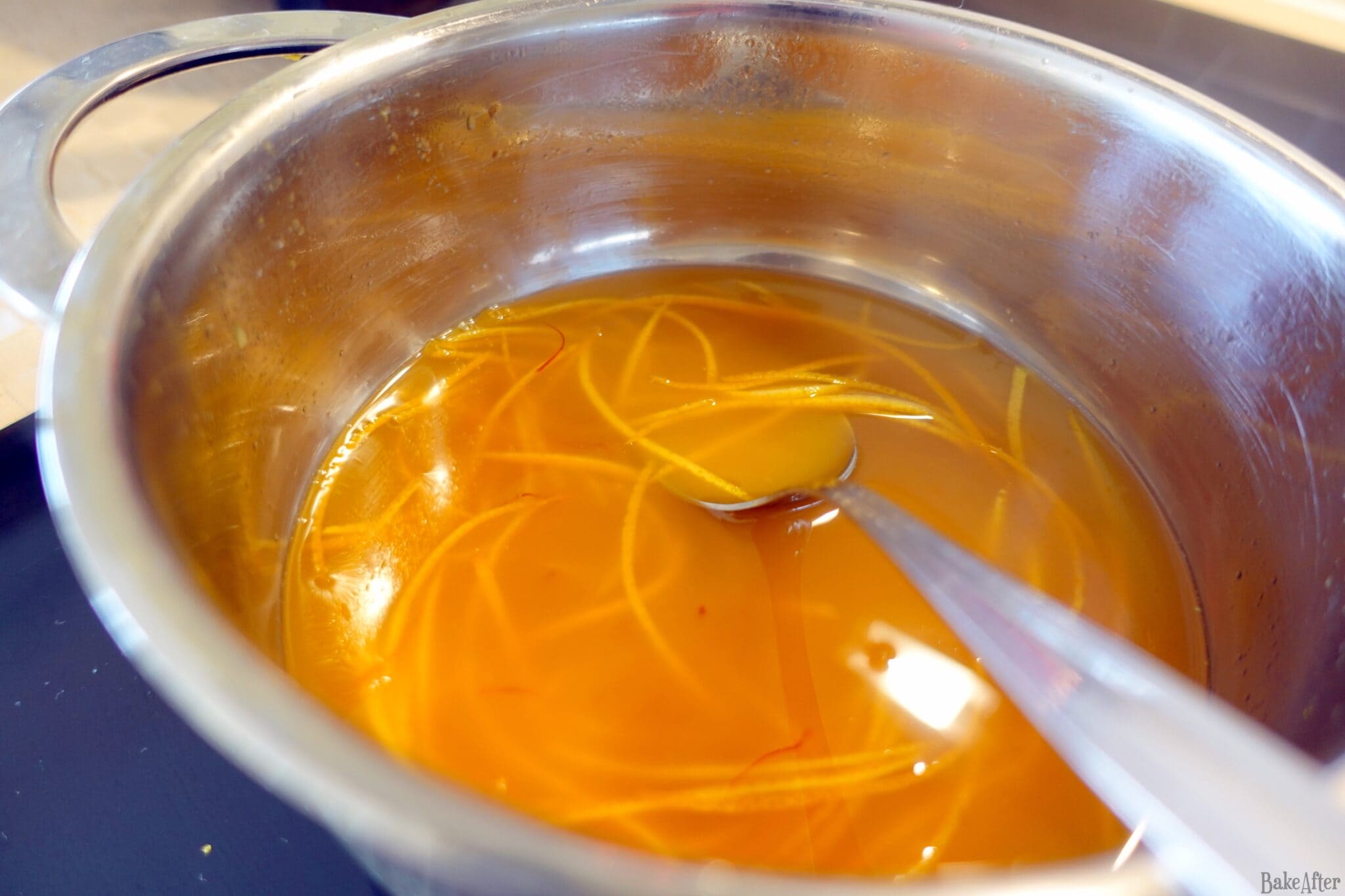
- While the cake is baking, prepare the saffron, orange sugar syrup, wash the two oranges, use a peeler to remove the peel, and cut the peel into thin strips (julienne). In a small saucepan, combine the juice of those two oranges, the juice of half a lemon, 125g of sugar, a pinch of saffron, and two tablespoons of water.
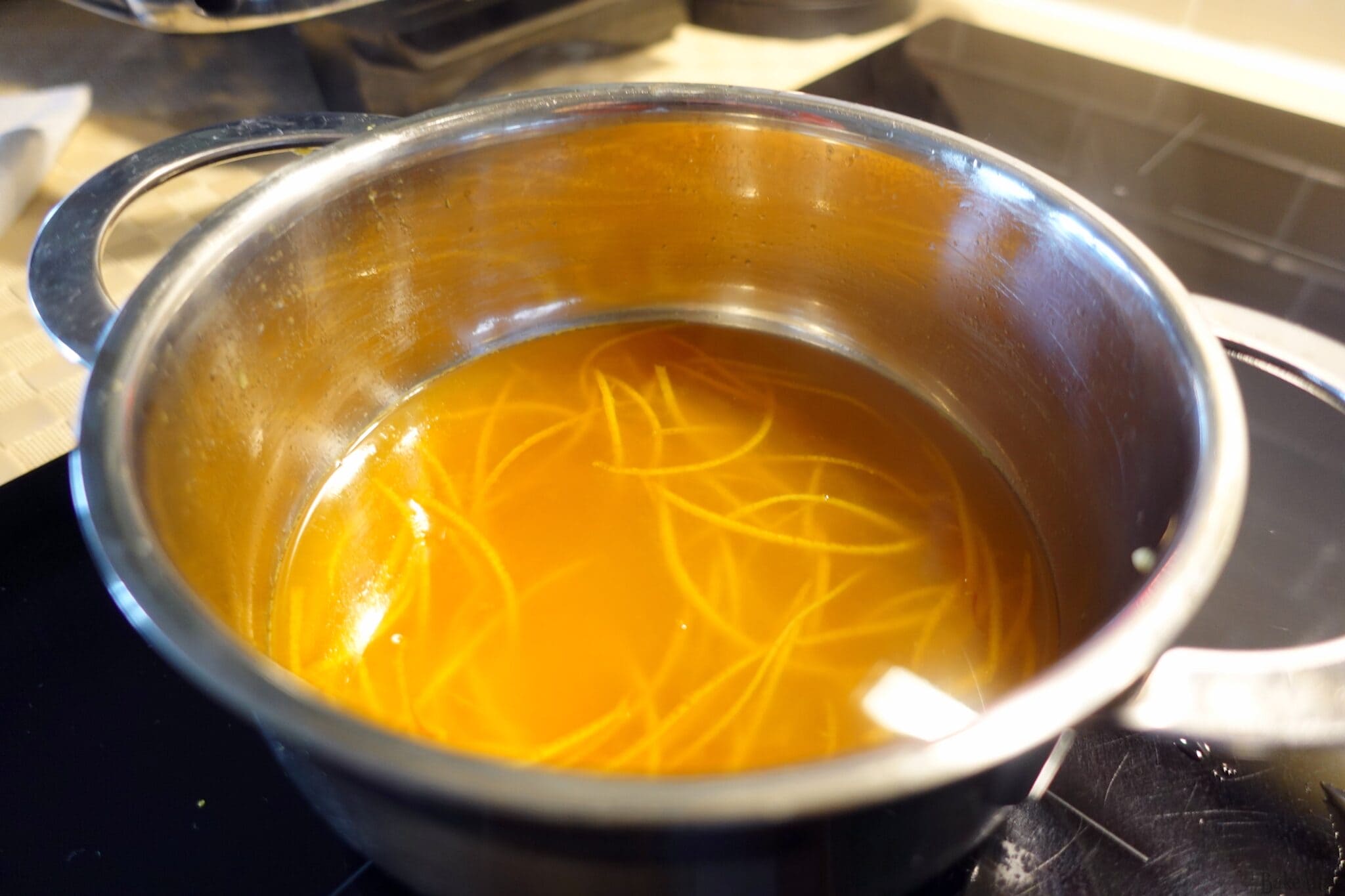
- Place that over low heat, once the sugar has completely dissolved, add the julienned strips of peel and cook for about 10 to 15 minutes until a light syrup forms.
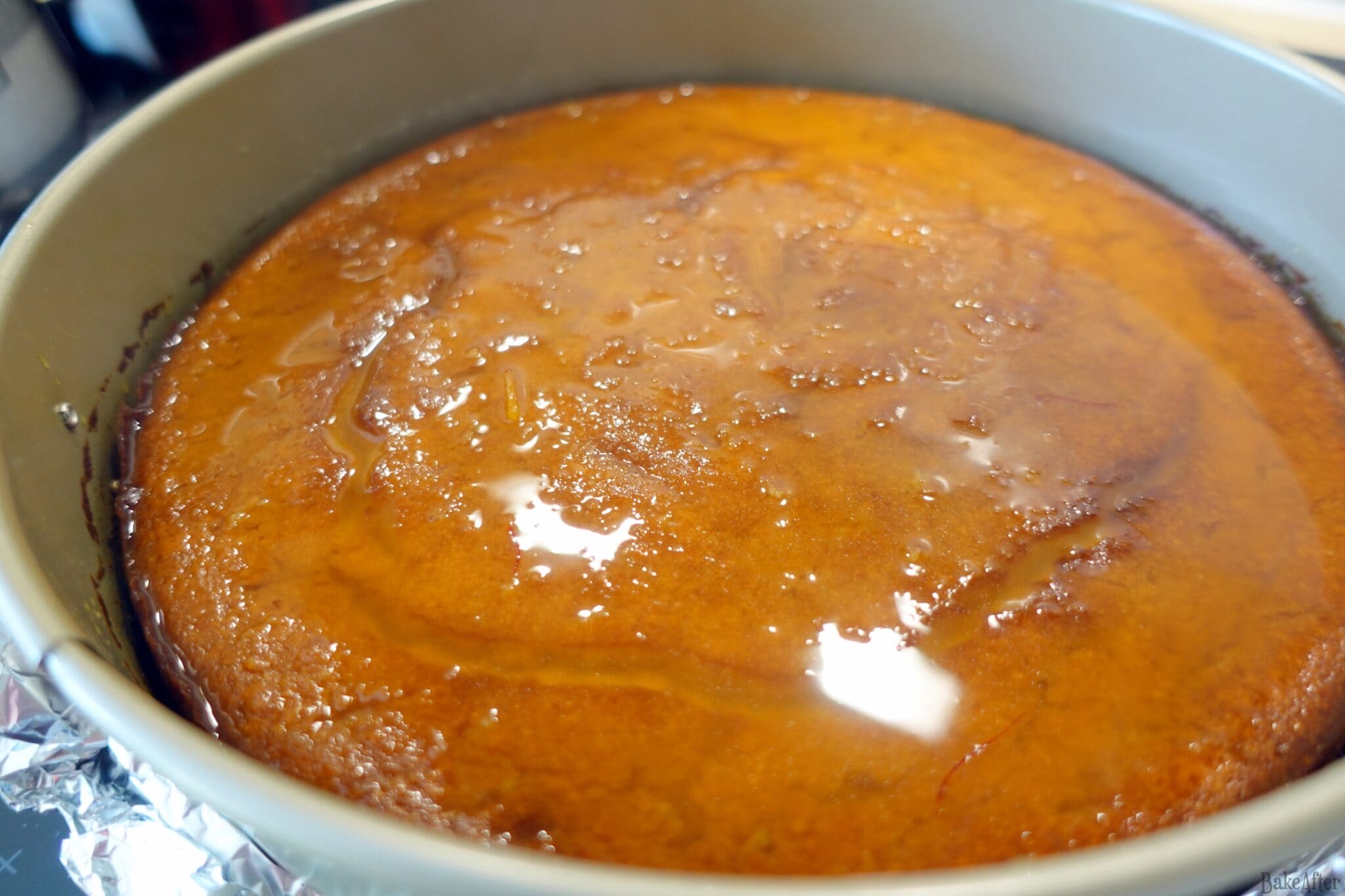
- When the cake comes out of the oven, use a fork to prick the entire top surface. Then, slowly pour the syrup over it, allowing the cake to absorb the liquid (ideally, do this while the cake is still in the baking mold to prevent runoff), pouring gradually until all the syrup is used up.
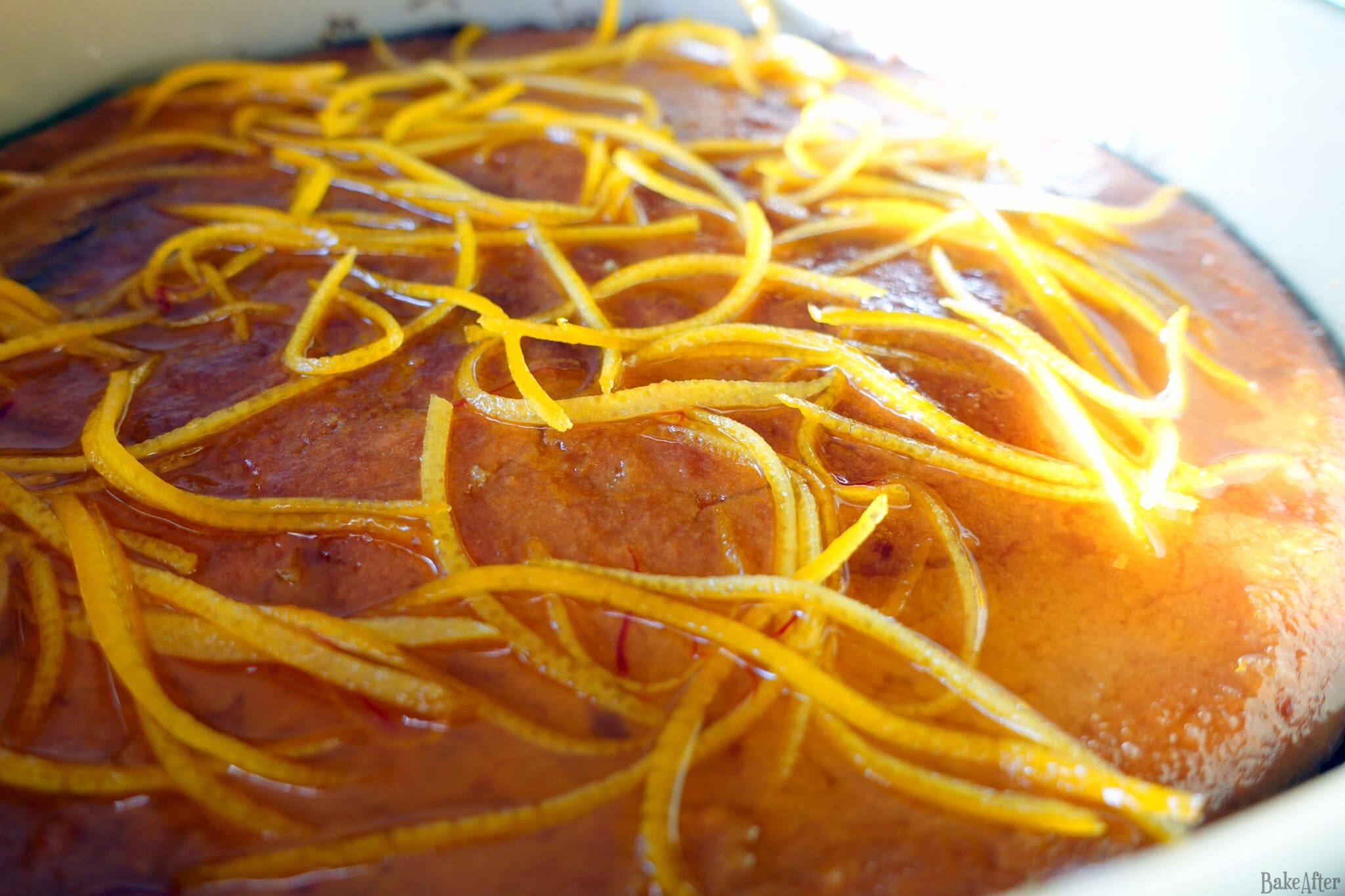
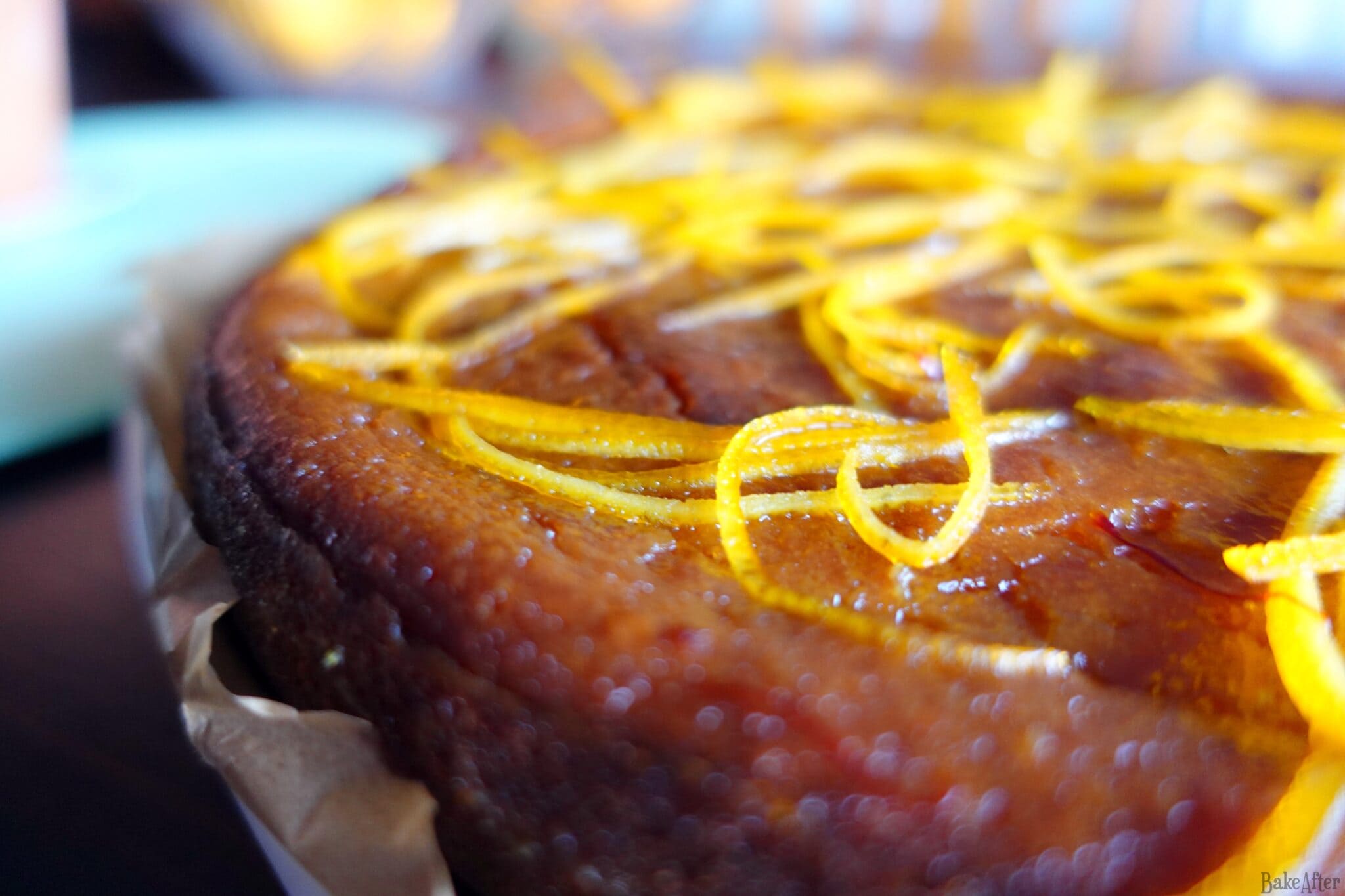
- Finally scatter the julienned peel over the top of the cake, arrange it nicely, and it’s ready to serve, enjoy!
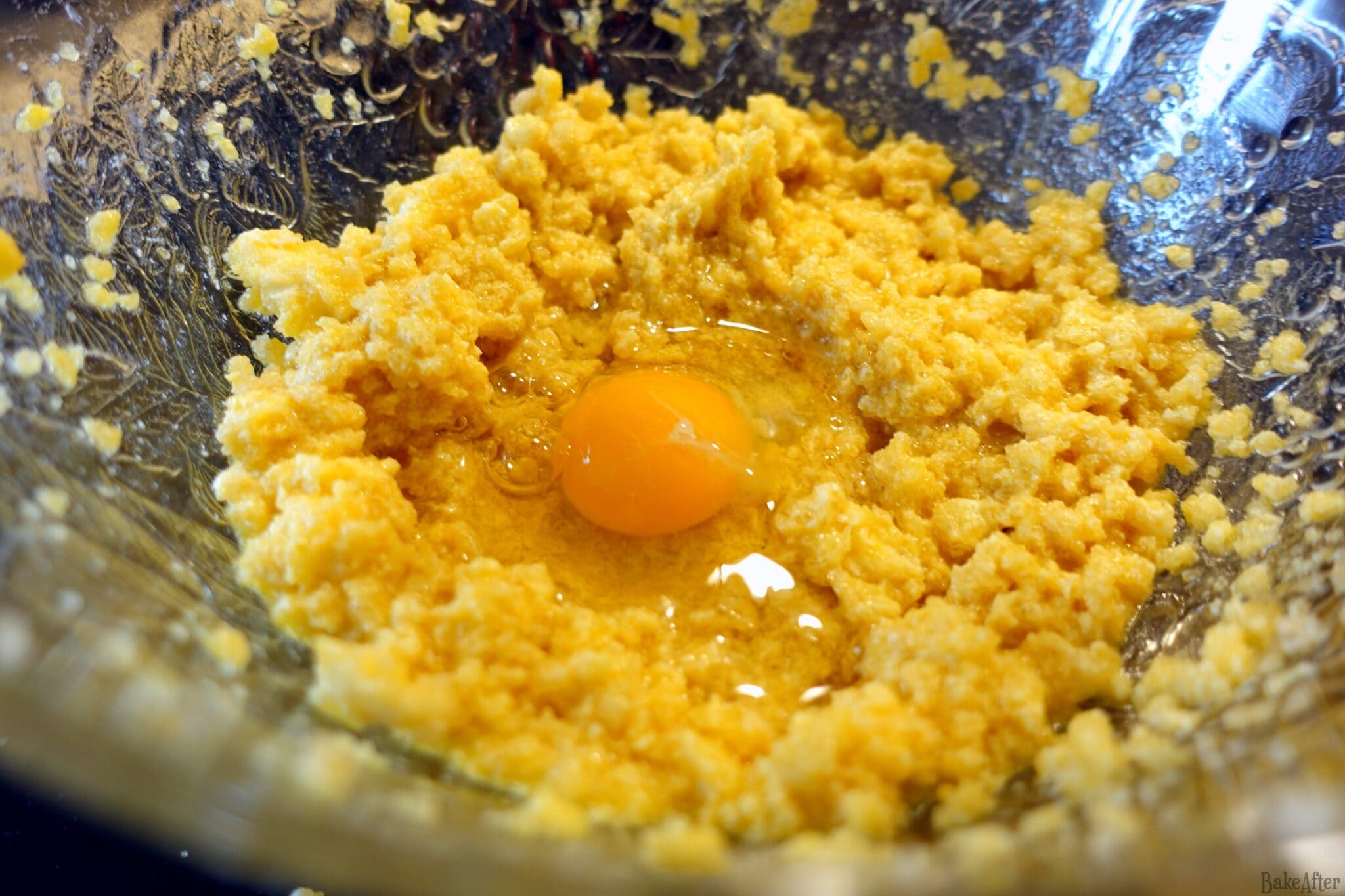
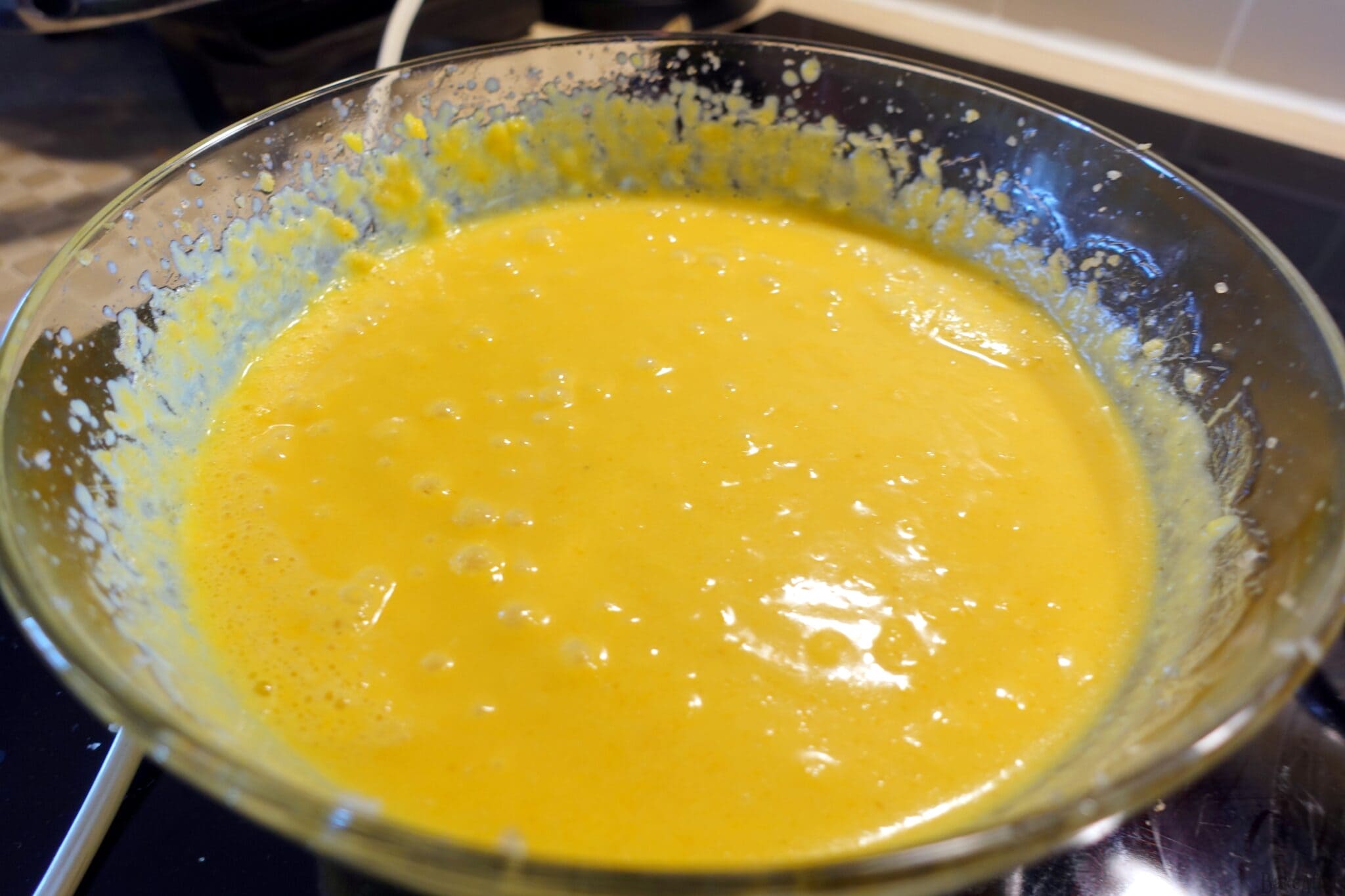
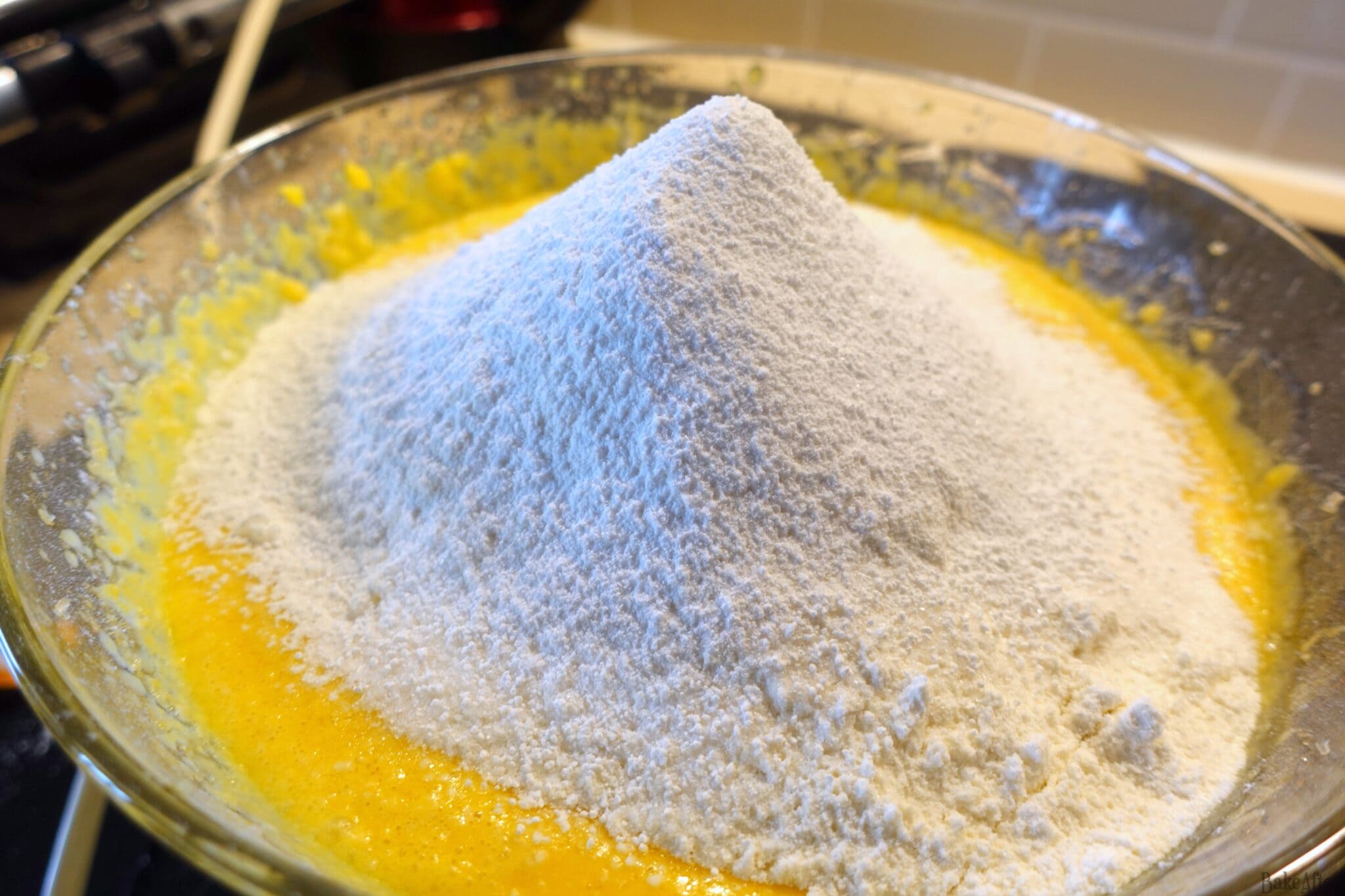
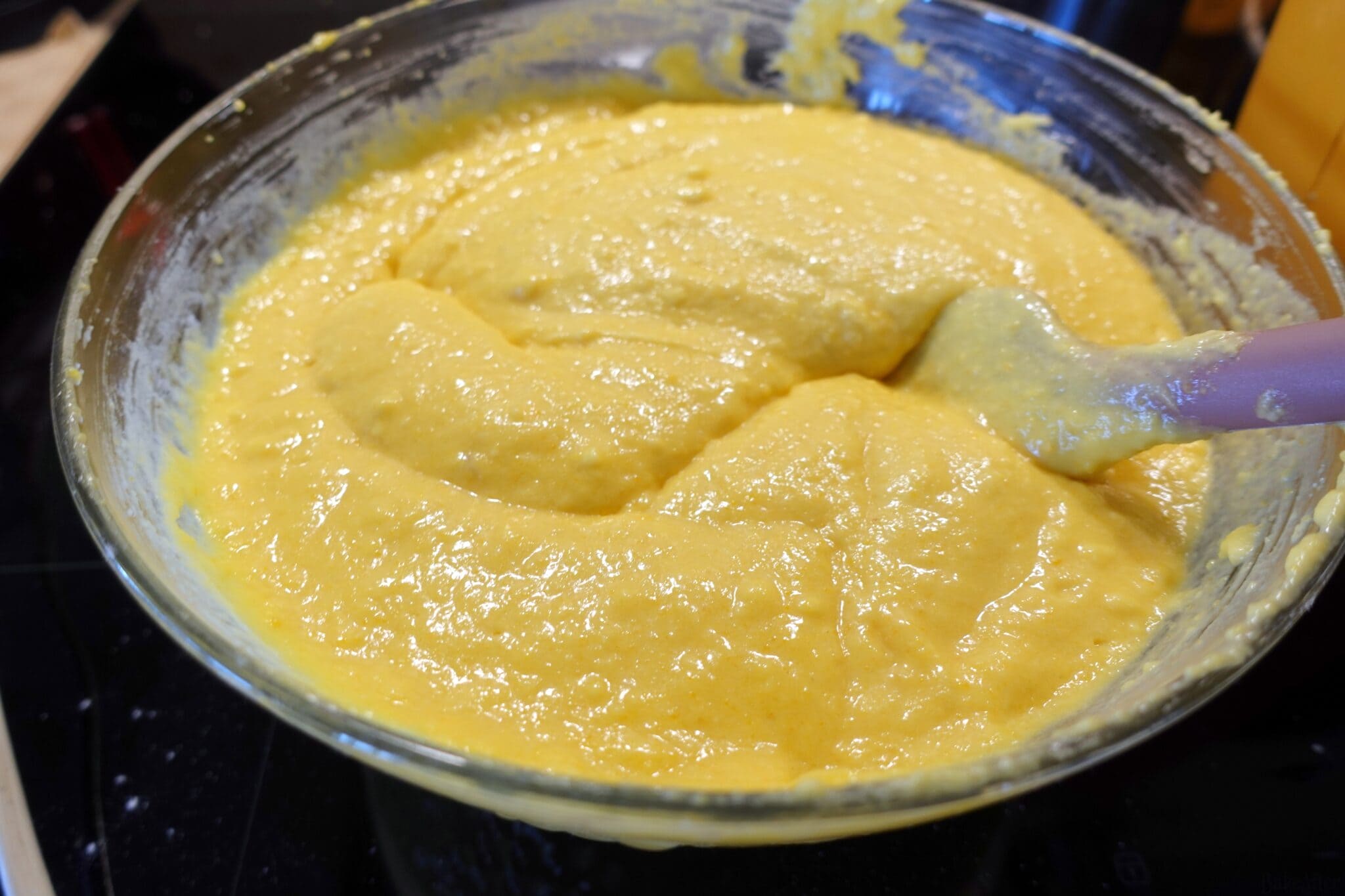





It’s a good idea to have the Greek yogurt and the butter at room temperature, because that’s the only way to get a good emulsion in the batter, and the better the batter comes together, the creamier the cake will be.
The golden rule for cakes with syrup is… Hot Cake, Cold (or Room Temperature) Syrup! This is because if both are very hot there’s a risk of the cake getting too soggy and starting to fall apart instead of absorbing the syrup.
Try to find thin-skinned oranges, ideally organic or unwaxed, since the whole fruit goes into the cake. Thick, pithy peels will make the cake more bitter than bittersweet.
Don’t skip the boiling step, and don’t rush it. The oranges should be soft enough that a knife slides through with no resistance, otherwise you’ll end up with little chewy bits of peel in the crumb.
Blend the oranges until the paste is really smooth. Any leftover chunks of peel will bake into the cake as tough little pieces.
A round pan of about 9 inches (23 cm) works well for this amount of batter. Because the cake is so moist, if the top starts browning too fast near the end, cover it loosely with foil.
Taste the syrup before you pour it. If your oranges were very sweet, an extra squeeze of lemon will bring back the sweet and sour balance.
This cake is even better the next day, once the syrup has had time to settle into the crumb. Store it covered at room temperature for 3 to 4 days.
Serve it with a spoonful of Greek yogurt or lightly whipped cream, and the tangy creaminess will play really nicely with the bittersweet orange.
This recipe for Moist & Bittersweet Whole Orange Cake with Greek Yogurt and Saffron Orange Syrup was originally created on BakeAfter. Esta receita de Bolo Agridoce de Laranjas Inteiras com Calda Perfumada de Laranja foi publicada em português no Iguaria.
Nutrition
Per Serving: 280 calories; 9.4 g fat; 44.8 g carbohydrates; 5 g protein.Did you try this recipe?
Let me know how it turned out for you! You can leave a comment below ;D
Discover more from BakeAfter
Subscribe to get the latest posts sent to your email.