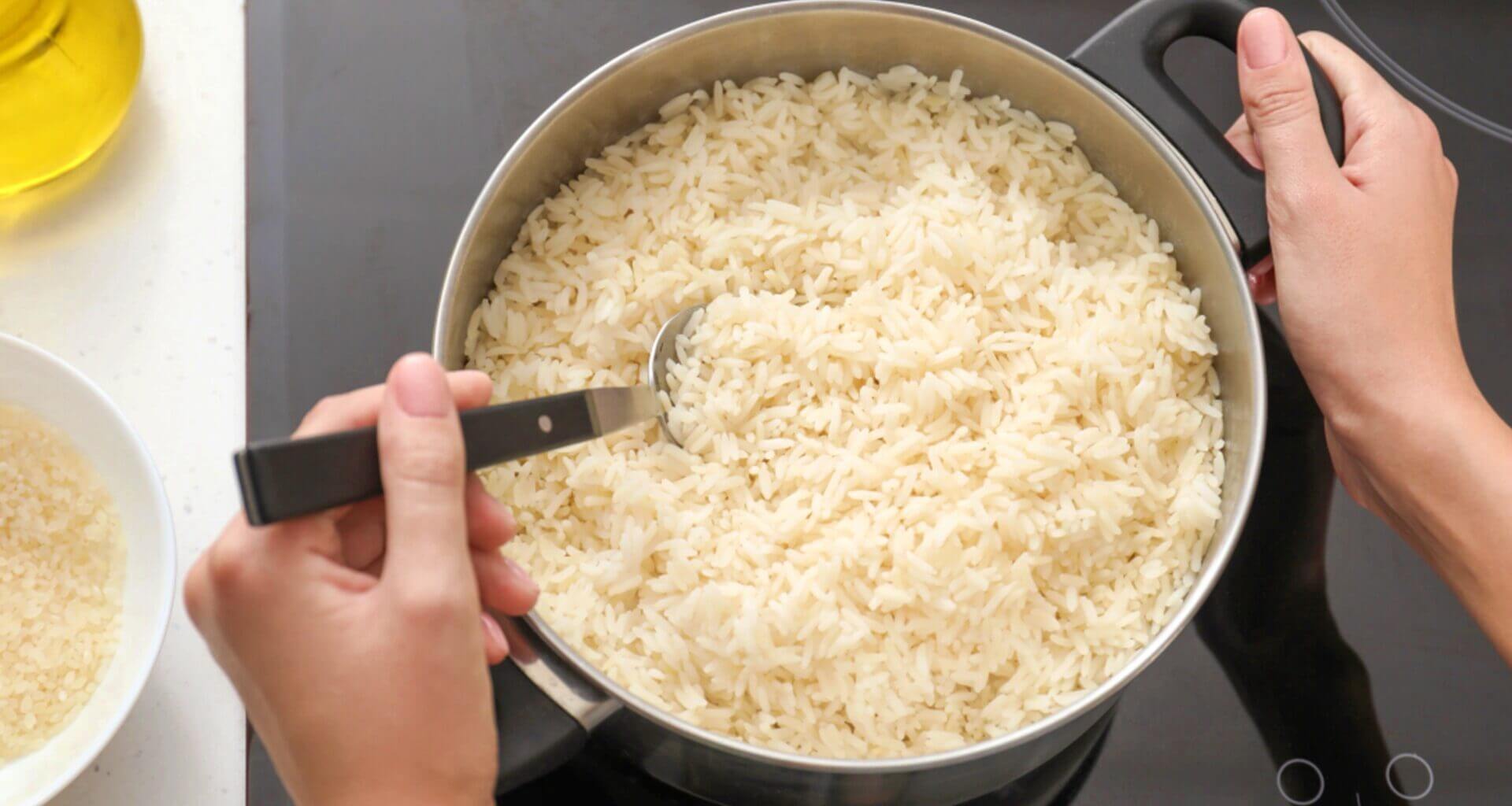

I absolutely love rice, it might be one of my favorite things to have on a plate (maybe i have some Asian genes hahahaha), and the easiest way to get it right every single time is with a rice cooker. Anywhere in Asia will tell you the same thing, a rice cooker is basically a kitchen essential, not a luxury, because it takes all the guesswork out and gives you consistent results without you having to think about it. After a rice cooker, your next best options are the microwave or a steam cooker, both of which also take a lot of the babysitting out of the process. But life isn’t always that convenient, sometimes all you have is a pot and a stove, so here is a quick and practical guide to get good, fluffy rice using nothing but a saucepan or pot.
Quick note before we start, this is for plain cooked rice, the kind you’d serve as a side or use as a base for something else. Once you have that down you can build on it with vegetables, meat, fish, spices, whatever you like, plain rice is really just the starting point for a huge number of dishes.
The Right Way to Cook Rice on the Stovetop
Instructions For Short Grain Rice
Short grain rice is starchier and stickier, so it needs a bit less water and a gentle hand. Rinse it first to wash off some of the surface starch, then use about 1 part rice to 1 and 1/4 parts water. Bring it to a boil, then drop the heat right down to low, cover, and let it simmer without lifting the lid for about 15 to 18 minutes (depends on pot, type of short grain rice and amount). Turn off the heat and let it rest, covered, for another 10 minutes before fluffing with a fork.
Instructions For Medium Grain Rice
Medium grain behaves a lot like short grain, just slightly less clingy. Rinse it the same way, use roughly 1 part rice to 1 and 1/2 parts water, bring to a boil, cover, lower the heat to a bare simmer, and cook for about 15 to 20 minutes. Rest it covered for 5 to 10 minutes off the heat before serving.
Instructions For Long Grain Rice
Long grain is the easiest of the three, it has less starch so the grains naturally stay separate and fluffy. Rinsing is optional here but never hurts. Use about 1 part rice to 1 and 3/4 parts water, bring to a boil, cover, reduce to low, and simmer for 15 to 20 minutes. Let it rest for 5 minutes covered, then fluff.
Note, that these ratios are general guidelines, not gospel. Packaging instructions (have to point this out, take notice of packaging instruction if someone knows how their rice should be cooked is the producer), altitude, your stove, and even your pot can shift things slightly, so treat these numbers as a strong starting point and adjust with experience.
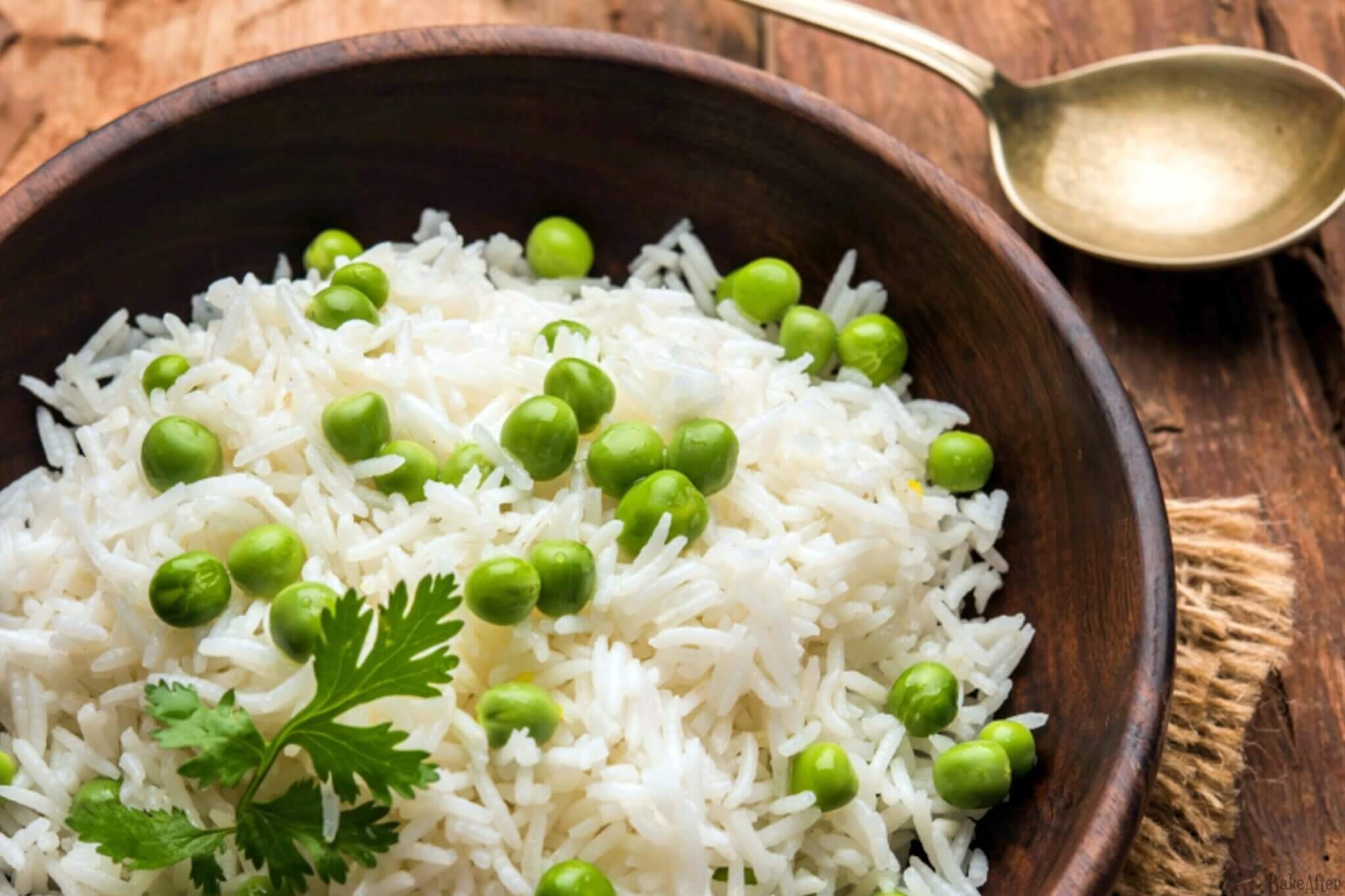
Most Popular Types of Rice to Cook on the Stovetop
- Jasmine rice, long grain, fragrant, slightly sticky. Rinse until the water runs mostly clear, use a touch less water than a standard long grain ratio, around 1 to 1 and 1/2, and simmer covered for about 15 minutes.
- Basmati rice, long grain, aromatic, and best when soaked for 20 to 30 minutes before cooking, this helps the grains cook up long and separate. Use about 1 to 1 and 1/2 water ratio and simmer for 15 to 18 minutes.
- Sushi rice, short grain, needs a good rinse until the water runs clear to remove excess starch, then cook with a 1 to 1 and 1/10 ratio, simmer covered for about 15 minutes, and let it rest before seasoning with vinegar, sugar, and salt if you’re making it for sushi.
- Arborio rice, short to medium grain, mostly used for risotto where you add hot broth gradually while stirring instead of the standard cover and simmer method, it needs more attention than the rest but that’s what gives risotto its creamy texture.
- Parboiled or converted rice, any grain size, processed to have less surface starch, cooks up very loose and fluffy, use a bit more water than raw rice and simmer for about 20 to 25 minutes.
- Brown rice, any grain size, has the bran layer still on so it takes longer and more water, roughly 1 to 2 water ratio, simmering for 40 to 45 minutes, covered.
How to Tell Which Method Fits Your Rice
As a rule, the shorter the grain the stickier the rice and the more careful you need to be with water and heat. The longer the grain, the more forgiving and the drier and fluffier the final result. If you’re ever unsure what you’re working with, check the bag, most rice sold in stores will tell you the type right on the label.
So if you want a lose rice, better get a long grain rice, if you want a fluffy rice, get a short grain rice, also if you are following a recipe use the recommended rice, especially if its a rice recipe, if the recipe just tells you rice, it means use whatever rice you prefer!
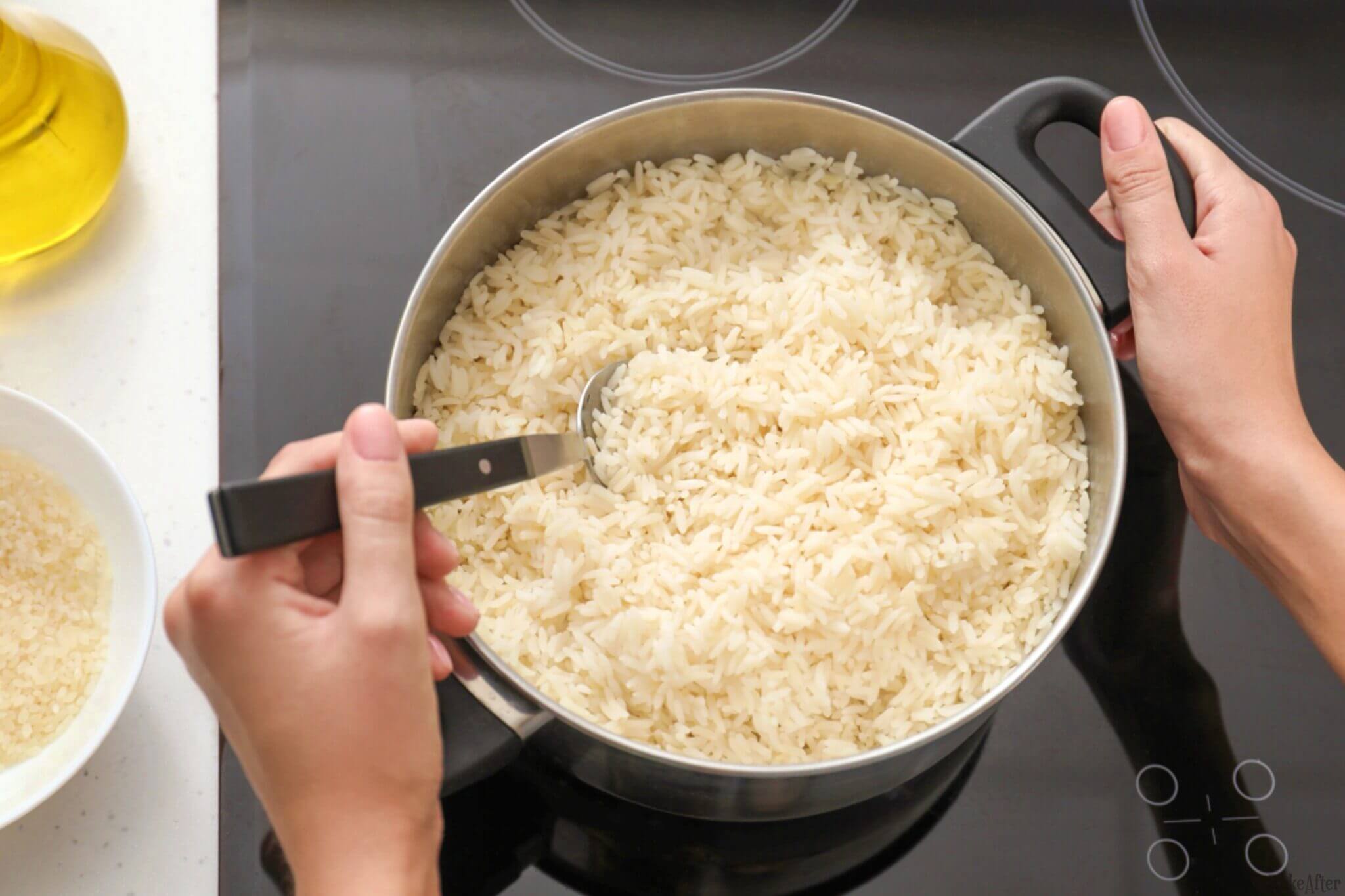
Some Tips and Tricks for Cooking Rice
- I know I know, but if you eat rice often, seriously consider getting a rice cooker, it’s a small investment that pays off in consistency and saves you the use of the stovetop altogether, most machines also keep rice warm for hours without drying it out, they are awesome!
- Never lift the lid while the rice is simmering, every time you do you let steam escape and that steam is doing a lot of the actual cooking and fluffing of the rice.
- Letting the rice rest off the heat for 5 to 10 minutes before fluffing makes a real difference, it lets the moisture even out through the pot instead of staying concentrated at the bottom.
- Rinsing rice isn’t just about washing dirt off, it’s mostly about removing surface starch so the grains don’t clump as much, this matters more for short and medium grain rice than for long grain, but note if you are doing like a congee or sweet rice for these you don’t want to wash the rice because you want the extra starch.
- Remember that plain rice is just the beginning, the stovetop method above is also the base for a lot of full dishes, not just a side. Japanese okayu is rice simmered slowly in a lot of water until it turns into a soft, soupy porridge, Chinese congee is a similar idea, cooked low and slow with broth until creamy, and Portuguese arroz doce is rice simmered in milk with sugar, lemon zest, and cinnamon for a sweet dessert. There are countless other stovetop rice dishes across different cuisines, so once you’re comfortable with the basics, it’s worth exploring beyond plain rice.
And that’s it, hope this was useful and helps you get better rice on the stove, until next time!
Discover more from BakeAfter
Subscribe to get the latest posts sent to your email.