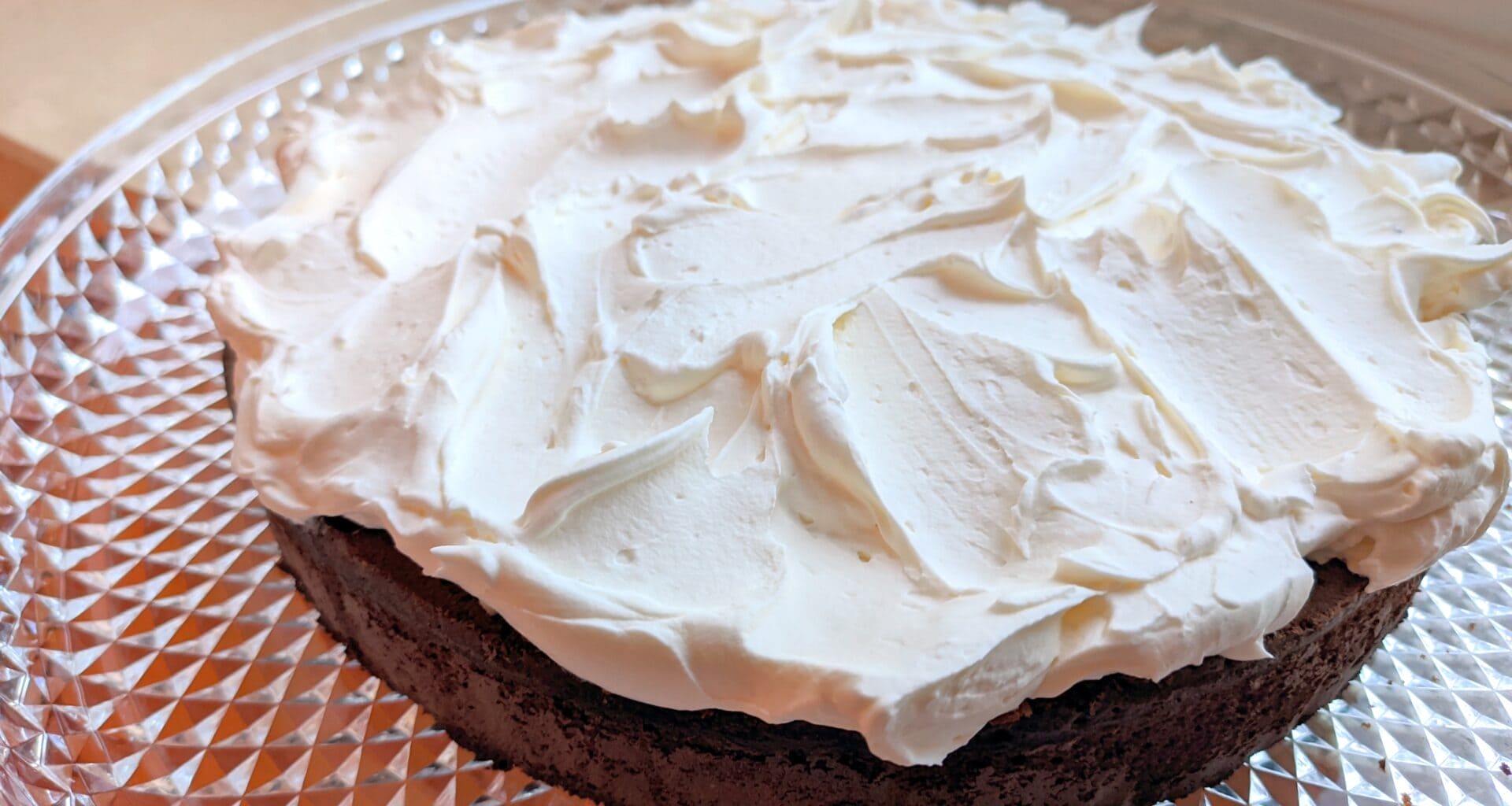

Frosting, icing, glaze, call it what you like, it’s basically a sweet cream or paste where sugar gets mixed with something else: water, milk, egg whites, butter, cream cheese, chocolate and so on. In the US, “frosting” usually means the thick, fluffy kind and “icing” the thinner, shinier kind, but plenty of people use the two words for everything, and honestly nobody will arrest you. 🙂
Most of the time we also add flavor, like vanilla or cocoa, and some color to make it look nicer or to have a contrast in color or flavour, look I’m not against food coloring, I just think it’s one of those ingredients we tend to overuse. If you’re making a rainbow unicorn cake for a kid’s birthday, go for it. If you’re coloring something nobody will ever notice, for a nice cookie or tea cake, maybe skip it.
So I wanted to share the most common types, from the traditional to some more modern ones, mostly because I’ll be reading a recipe and think, hmm, this frosting doesn’t make sense here. Or that a different one would be better. Or that a frosting isn’t needed at all. If your cake is simple, not too sweet, or has a distinct flavor, a frosting can be a perfect match. But if you have a super sweet caramel and chocolate cupcake and you top it with… I don’t know chocolate buttercream, that’s sweet on top of sweet. It’s too much, and it turns something that could be delicious into something sickly sweet.
So the more types you know, the better your choices will be. I’ll focus on frostings and icings, but I’ll also include a few classic toppings and fillings, since they tend to be used in similar ways, sometimes as filling sometimes as toppings. So let’s go! ;D
Different Types of Frosting and Icing

Powdered Sugar Glaze (Simple Icing): The simplest of them all. It’s powdered sugar mixed with water, milk, or sometimes fruit or lemon juice, stirred until smooth. It’s thin and runny, and it sets into a soft, slightly shiny layer. It’s perfect for donuts, cinnamon rolls, bundt cakes, scones, and for adding a little sweetness and shine to a cake after baking. Add more liquid to make it drizzle, more sugar to make it spreadable.
How it holds: Fine at room temperature and easy to make ahead, but it stays a bit sticky and can soak into warm cakes, so let your cake cool first. It’s not meant for stacking or detailed decorating.
Royal Icing: Made with powdered sugar, egg whites (or meringue powder) and a little lemon juice, whisked until thick and glossy. Make it softer and you can spread it over a cake. Use less liquid for stiff details and piping, or thin it with tiny drops of water for smooth flooding/spreading, which is why it’s perfect for decorating sugar cookies and gingerbread houses. If you want a softer, wetter finish, go for a glaze. If you want a crisp, firm finish, royal icing is your friend.
How it holds: Excellent. It dries hard and keeps its shape, and it lasts for days. The trade-off is that it’s very sweet and not great for soft cake toppings, since it gets quite firm to bite into. Keep it covered while working, because it crusts over fast.
American Buttercream: Butter whisked with powdered sugar, usually with vanilla, a splash of milk or cream, and a pinch of salt. Whisk it until creamy. Softer buttercream needs a bit more liquid, thicker needs more sugar. It’s the classic cupcake topping, and it works for filling and covering all kinds of cakes.
How it holds: Very well for piping swirls and borders, and it’s the easiest buttercream to make. It’s quite sweet and forms a light crust. It softens in heat, so avoid leaving it out in a warm room or in the sun. Cakes with it are fine at cool room temperature for a day, and longer in the fridge.
Swiss and Italian Meringue Buttercream: These are the silky, less sweet cousins. For Swiss, you warm egg whites and sugar together, whip them into meringue, then whisk in soft butter. For Italian, you pour hot sugar syrup into whipping egg whites and then add the butter. The result is smooth, light and not overly sweet. These are the ones bakeries often use for wedding cakes and layer cakes with sharp edges, also note that these Meringues cook the egg whites so they are more stable and safer.
How it holds: Very well. It’s stable, pipes beautifully and gives a really smooth finish. It takes more time and a bit more practice, and if it looks curdled halfway through, keep whipping, it usually comes together. Needs refrigeration in warm weather, but let it come back to room temperature before serving.

Italian Meringue: There are different types of meringue, and the French is probably the most common, and the Italian is the most stable of the 3 classic meringues (French, Italian and Swiss). You whisk egg whites while slowly pouring in hot sugar syrup, and keep whisking until the mixture cools. That gives it a super stable, glossy and creamy structure. It’s used as a topping and filling for cakes and pies, like lemon meringue pie or baked Alaska.
How it holds: Very stable, and it can be toasted with a kitchen torch. It’s best the same day, as it can weep or turn sticky after a while, especially in humid weather.
Cream Cheese Frosting: Made with cream cheese, powdered sugar, and often butter and vanilla. Just whisk until thick and creamy. It’s used like buttercream, and it’s the classic frosting on carrot cake and red velvet cake. The big difference is the flavor, tangy and a bit less sweet, and the texture, which is softer and creamier.
How it holds: It’s the softer one of the group. It spreads easily but doesn’t hold sharp piping or tall layers well, and it can turn runny if over-whisked or if the cream cheese is too warm. Always keep cakes with it in the fridge, and take them out about 30 minutes before serving.
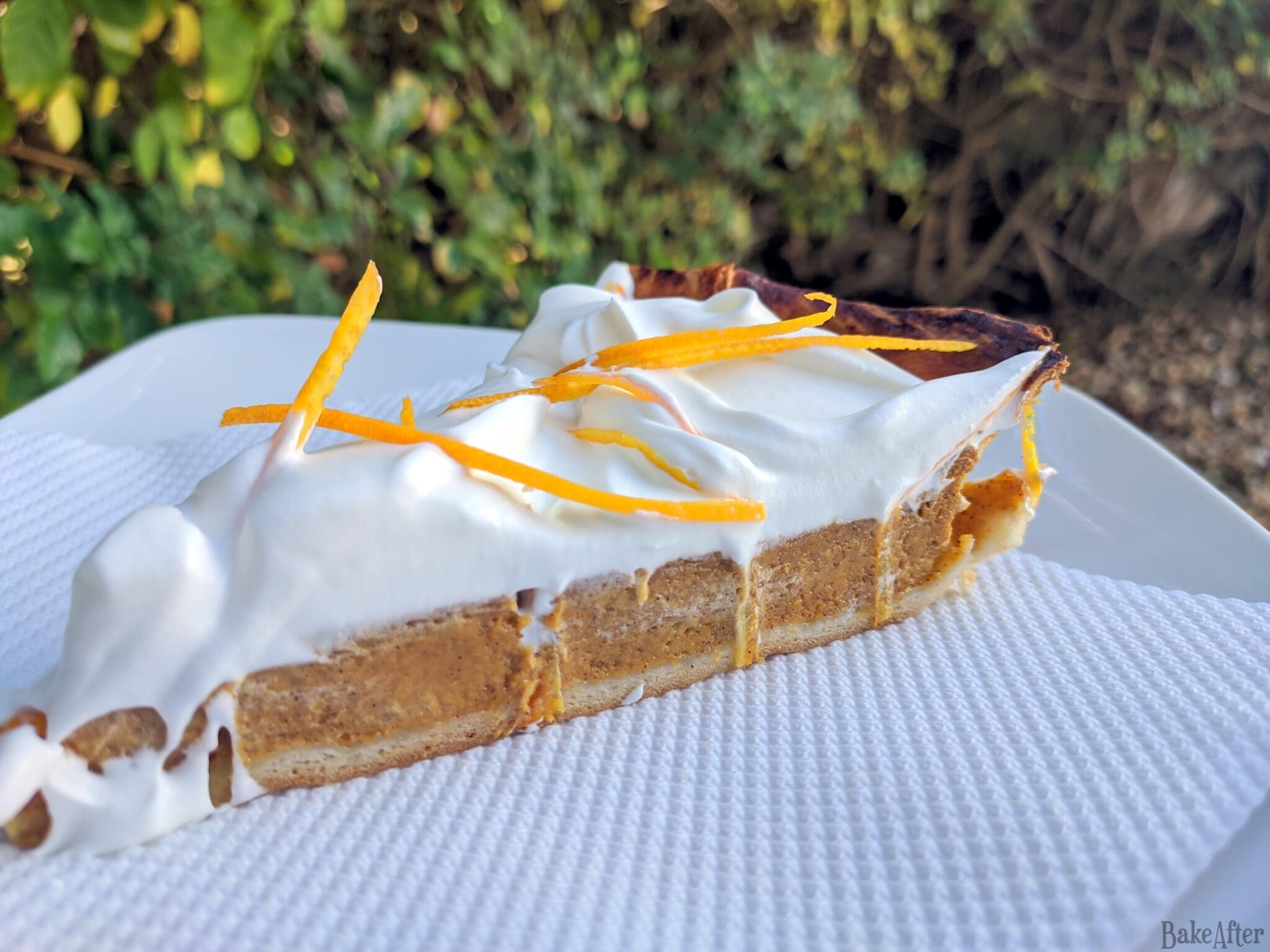
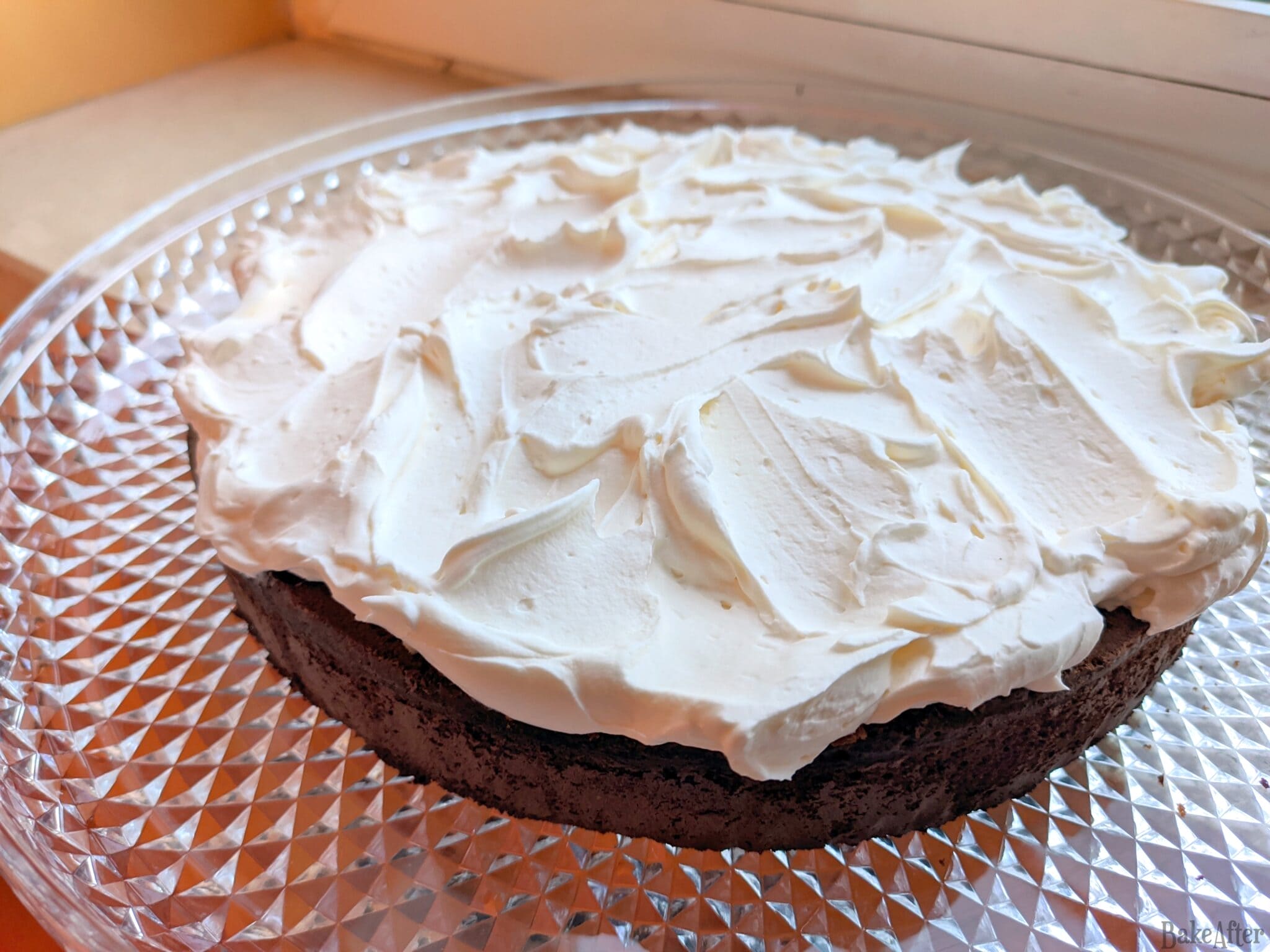
Whipped Cream Frosting: Heavy cream whipped with a little sugar and vanilla until it forms soft or stiff peaks. Light, fluffy and not very sweet, it’s great with fruit, sponge cakes and chocolate cakes.
How it holds: It’s the most delicate. It’s best the same day or the next, and it must stay in the fridge. For better stability you can add a spoonful of mascarpone or a bit of cream cheese. It softens quickly in heat.
Fondant: Ugh, hated by kids everywhere hahaha. It’s made from sugar, water and glucose (or corn syrup), cooked and kneaded until it feels like soft modeling clay. Rolled-out fondant covers cakes in a smooth, flawless layer, and it can be shaped into figures and decorations. Very common on commercial and celebration cakes. Many home cooks also use a marshmallow version, which is easier to make.
How it holds: Perfect for shape and stacking, and it keeps cakes sealed. But it’s not the best for flavor, and it can get sweaty in the fridge or in humid weather. It’s more of a decorating tool than something you pick for taste.
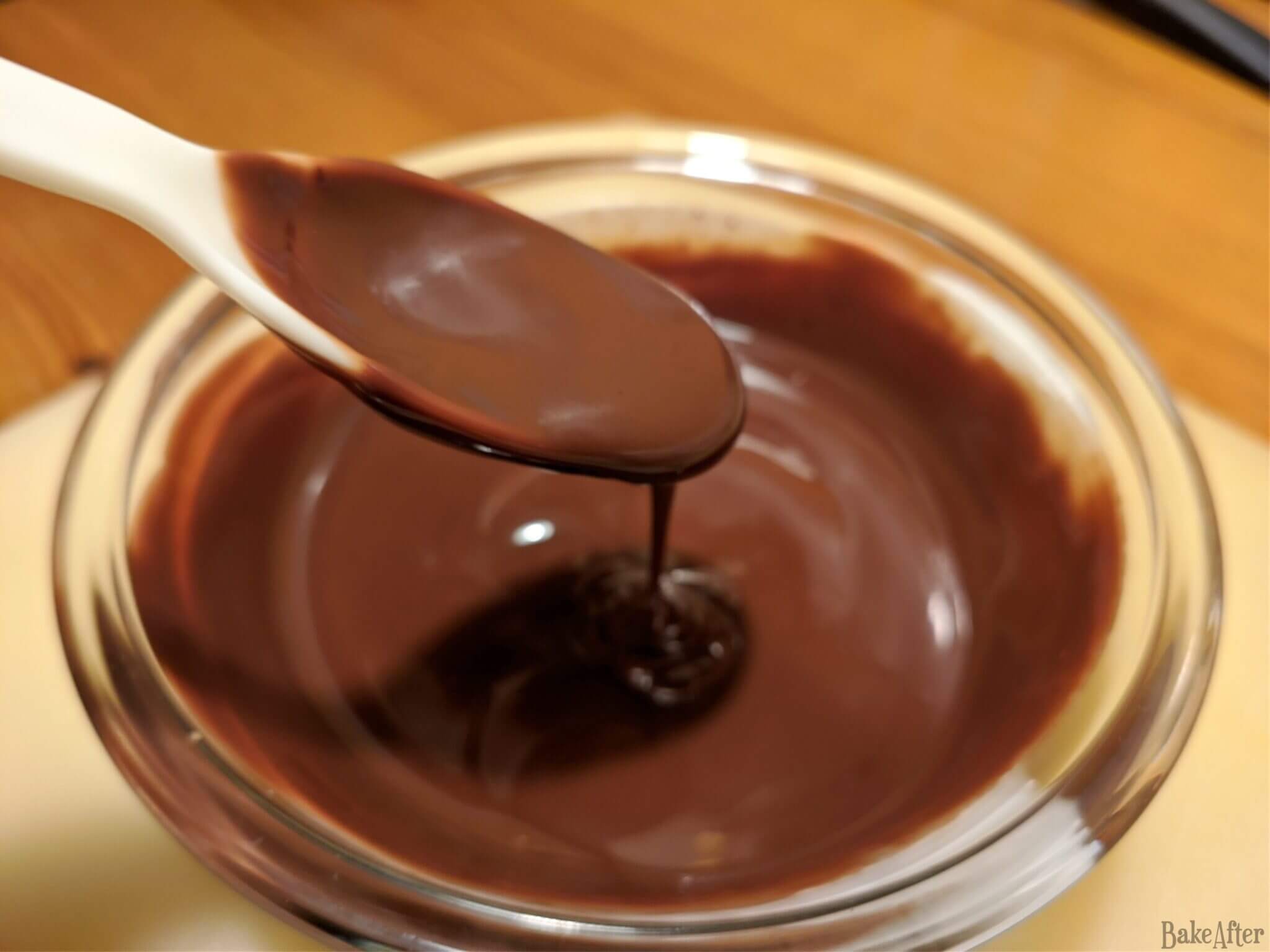
Chocolate Ganache: Super simple, just chocolate and cream (some versions add butter). There are thousands of variations, because dark chocolate makes a very different ganache from milk or white chocolate. You heat the cream, pour it over chopped chocolate, and stir until thick and glossy.
Since you can change the ratio, you can make it very runny, almost like hot fudge for pouring over a cake, or whip it cool into a fluffy frosting, or make it dense enough to roll into truffles. It’s a super versatile topping and filling.
How it holds: Very well. A pourable ganache sets into a shiny, smooth coat, and a thicker one works under fondant. It keeps for days at cool room temperature and longer in the fridge. White chocolate ganache is softer, so use more chocolate.
Chocolate Fudge Frosting: A cooked frosting of sugar, butter, milk and chocolate or cocoa, poured or spread while still warm. It sets into a soft, fudgy layer, a little like candy.
How it holds: It sets quickly, so you need to work fast. It’s great for sheet cakes and brownies, but not for piping.
Caramel Frosting: A less common one, made with caramelized sugar (or brown sugar), butter and cream. You cook the sugar until it’s caramelized, take it off the heat, and add butter and cream, stirring until it becomes creamy. I like a version of this for caramel popcorn, but it’s also a classic on cakes or as a layer inside a tart or cake.
How it holds: It sets quickly as it cools, so work fast. It’s rich and very sweet, so pair it with a simple, less sweet cake. Keeps well at room temperature for a day or two.
Which One Should You Pick?
- Easiest for beginners: powdered sugar glaze, American buttercream
- Best for piping: American buttercream, Swiss or Italian meringue buttercream
- Least sweet: whipped cream, Swiss or Italian meringue buttercream, cream cheese
- Best for hot weather: American buttercream made with shortening, royal icing, fondant
- Best for smooth, sharp layer cakes: Swiss or Italian meringue buttercream, ganache
- Best for cookies and decorations: royal icing
- Needs the fridge: whipped cream, cream cheese frosting, meringue buttercreams (in warm weather)
Tips and Tricks with Frostings and Icings
- Let your cake cool completely before frosting. A warm cake melts buttercream and makes glazes disappear.
- Sift your powdered sugar. It takes a minute and saves you from lumpy frosting.
- Use soft, not melted, butter. About 65°F (18°C) is right, soft enough for a finger to leave a dent but not greasy.
- Add a pinch of salt. It cuts the sweetness and makes the flavor pop, especially with chocolate frostings.
- Add liquid a teaspoon at a time. It’s easy to thin out a frosting and a pain to rescue a runny one.
- Fix runny frosting by adding more powdered sugar, or by chilling it for 15 minutes. If it’s too stiff, add a splash of milk or cream.
- Use a thin “crumb coat.” Spread a thin layer, chill for 20 minutes, then add the final layer for a cleaner finish.
- Match the frosting to the cake. A sweet cake wants a tangy or lightly sweet frosting, and a plain cake can handle something richer.
- Go easy on food coloring. Gel colors give strong shades with just a tiny drop, and won’t thin your frosting like liquid ones.
- Dip your knife or spatula in hot water and wipe it dry for a smoother finish.
- Bring chilled cakes to room temperature before serving. Butter-based frostings taste much better soft.
And that’s it! I hope you found the list useful. I’ve tried pretty much all of these over time, hehehe. If you need a recipe, just look around the site or follow the examples, and until next time, Happy Baking! ;D
Discover more from BakeAfter
Subscribe to get the latest posts sent to your email.