
So here is a question I get asked all the time, well in one form or another, stuff like “can I fry with extra virgin olive oil” or “is regular olive oil the same thing, just cheaper” or “should I even bother with a second bottle of oil in my kitchen.”
These are all fair questions, and I can give a proper answer instead of the usual internet shrug of “it depends”. So let’s actually go through it, what oil even is, what makes olive oil special, and then the part everybody actually wants, when to reach for extra virgin olive oil and when you are better off putting it away and grabbing something else.
Yes, yes im gonna ramble a bit, but i think if you know what everything is, then it will always make sense in your head why you use this instead of that, instead of me just telling you, just do this or that… let’s get to it!
What Is Oil, Really?
Before we get into olive oil specifically, it helps to understand what an oil or a fat actually is. Oils and fats, whether they come from plants (olive, sunflower, corn, canola, peanut, and so on) or from animals (butter, lard, tallow), are basically concentrated sources of energy made mostly of fatty acids, and the ratio of those fatty acids (saturated, monounsaturated, polyunsaturated) is what decides how the oil behaves, how stable it is under heat, and even how it affects your health in the long run. Olive oil happens to be very high in monounsaturated fat, which is one of the reasons it has such a good reputation.
So most vegetable oils are made by pressing the plant, seed, or fruit, either mechanically (cold pressing, which is the gentler and more nutritious method) or through a chemical process using solvents, where the plant material is crushed, mixed with a solvent, combined with the oil, and then the solvent is evaporated off, leaving the oil behind. There is nothing dangerous about the solvent method, but because it usually involves heat, the oil will end up losing some of its natural flavor and nutrients along the way, which is part of why a cold pressed oil tastes and behaves differently from a refined one, even when they come from the exact same plant.
Olive oil is simply the oil pressed from olives, and depending on how it was made and how pure it is, it gets sorted into different grades, which brings us to the next part.

The Different Grades of Olive Oil
- Extra Virgin Olive Oil, this is the good stuff, made from just pressing olives with no heat and no chemicals involved, and it has to meet strict standards for acidity and flavor. It keeps the most flavor, aroma, and nutrients of any olive oil, and it is also, unsurprisingly, the most expensive.
- Virgin Olive Oil, made the same mechanical way as extra virgin, just with slightly higher acidity and a little less character. Perfectly fine, just a notch below.
- Regular or “Pure” Olive Oil (sometimes just labeled Olive Oil), this is usually a blend of refined olive oil and a bit of virgin or extra virgin oil added back in for flavor. It has a much more neutral taste and a noticeably higher smoke point than extra virgin, which makes it more forgiving with cooking.
- Light or Refined Olive Oil, the word “light” here has nothing to do with calories, it just means a very refined, very mild tasting oil, with the highest smoke point of the olive oil family.
- Olive Pomace Oil, extracted from what is left of the olives after the first pressing, using heat and solvents. It is the cheapest and most neutral of the bunch, mostly used commercially for frying not sold in normal supermarkets.
So really, “olive oil” is not one product, it is a whole family, and knowing which member of that family you are holding matters a lot depending on what you want todo with the olive oil.
Smoke Point, Why It Actually Matters
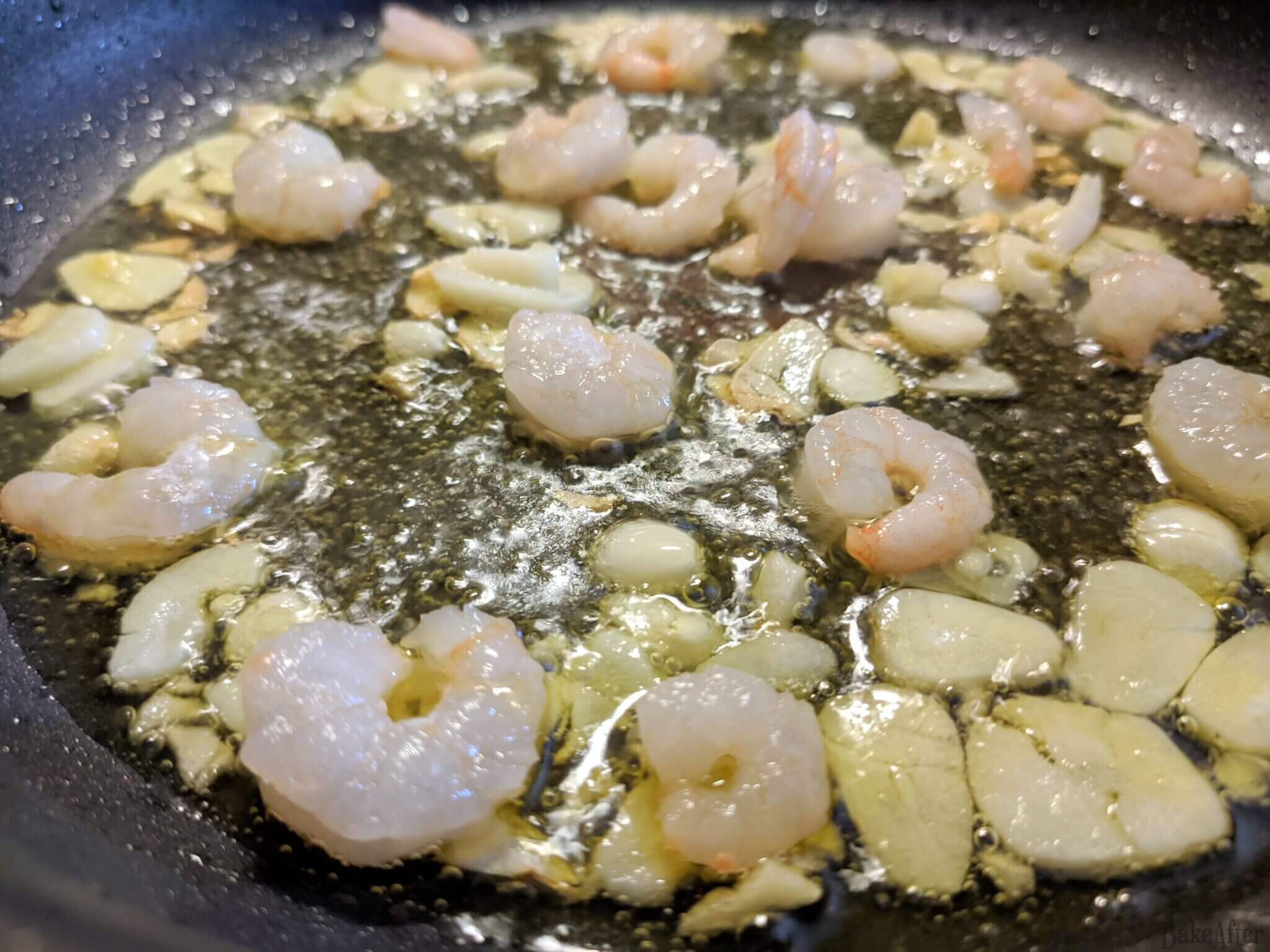
Now the smoke point of an oil is the temperature at which the fat in it starts to break down, and the clearest way to notice it happening is, well, you will literally see smoke coming off the pan. Knowing the smoke points of your oils matters for two reasons. First, safety, once an oil starts smoking, the next step down the line is catching fire, so smoke is your cue to pull the pan off the heat and let things cool down. Second, quality, once an oil passes its smoke point it starts to break down, taste burnt or bitter, and lose a good chunk of its nutritional value, so a smoking oil is basically a ruined oil, and food cooked in it is not going to taste its best.
As a sidenote, my rule of thumb when i see a smoking oil, is to take the pan out of the heat, to let it cool down, then get another pan, more oil and start again, that’s it.
Back on track, frying is great if done right, it means cooking many ingredients well, means cooking them hot enough, fast and hot searing gives flavor in meat and fish, and gives fried food that crisp, less greasy texture everyone wants. So if you know roughly where an oil’s smoke point sits, you can make a smarter choice for whatever you are about to cook.
Table of Approximate Smoke Points
| Oil or Fat | Smoke Point (°C) | Smoke Point (°F) |
|---|---|---|
| Extra Virgin Olive Oil | 190 to 207°C | 375 to 405°F |
| Virgin Olive Oil | 199 to 216°C | 390 to 420°F |
| Regular/Pure Olive Oil | 199 to 243°C | 390 to 470°F |
| Light Olive Oil | 241 to 243°C | 465 to 470°F |
| Olive Pomace Oil | 238°C | 460°F |
| Butter | 121 to 177°C | 250 to 350°F |
| Ghee (Clarified Butter) | 249 to 252°C | 480 to 485°F |
| Lard | 182 to 191°C | 360 to 375°F |
| Refined Vegetable/Canola Oil | 204 to 221°C | 400 to 430°F |
| Refined Avocado Oil | 243°C | 470°F |
| Refined Peanut Oil | 232°C | 450°F |
| Refined Sunflower Oil | 227 to 232°C | 440 to 450°F |
| Unrefined Sunflower Oil | 107°C | 225°F |
| Refined Corn Oil | 227 to 232°C | 440 to 450°F |
| Sesame Oil | 177°C | 350°F |
| Coconut Oil | 177°C | 350°F |
| Refined Palm Oil | 235°C | 455°F |
Keep in mind these numbers are approximate, they shift a bit depending on the brand, the quality of the batch, and how the oil was stored, so treat this as a general guide to help you pick the right tool for the job, the right oil for the cooking, it is not a rulebook carved in stone.
When to Use Extra Virgin Olive Oil
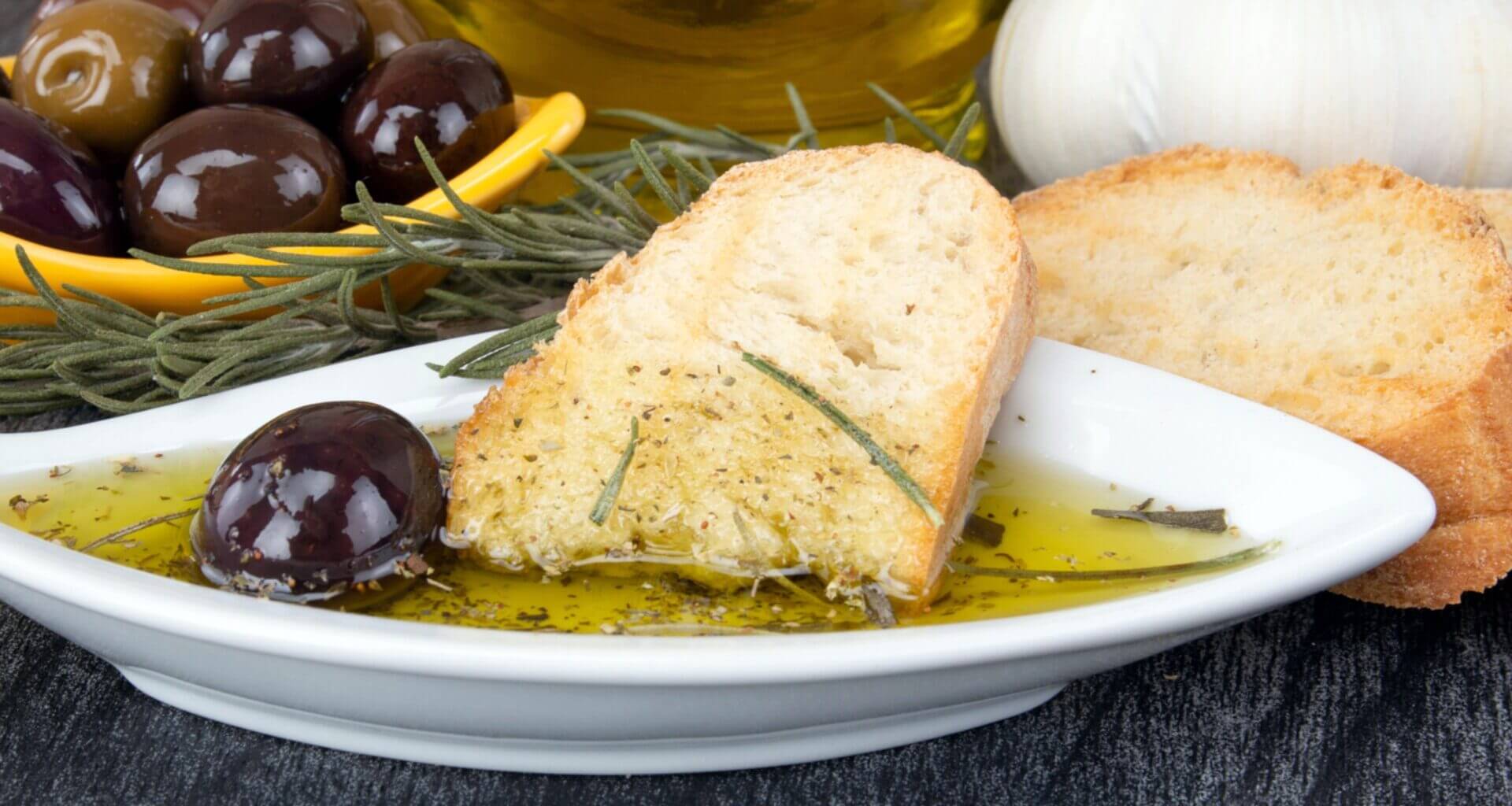
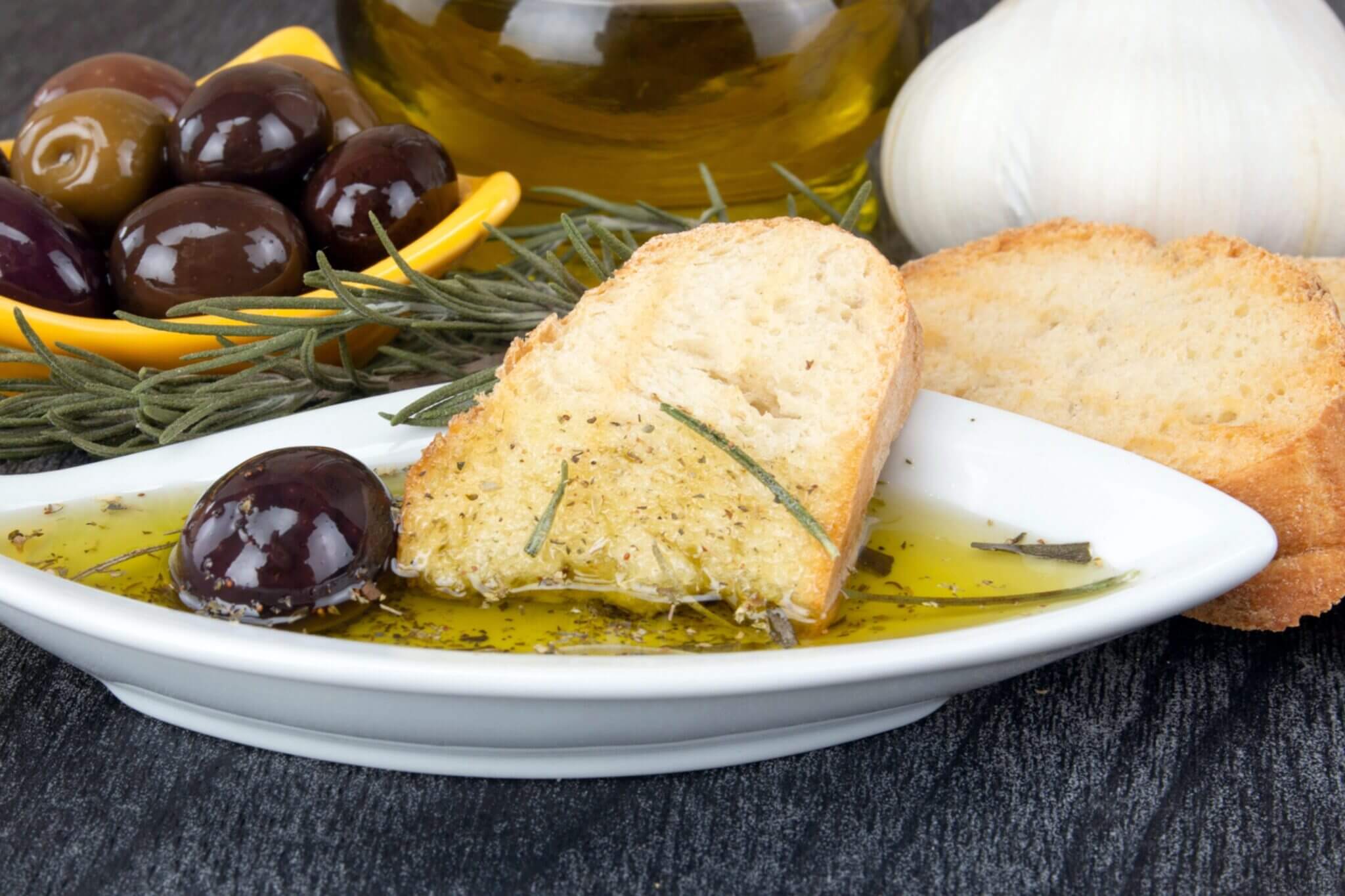
Extra virgin olive oil is at its very best when it is not pushed too hard by heat, or not heated at all. Think salad dressings, drizzling over soups, bruschetta, hummus, a finishing touch on grilled vegetables or a bowl of pasta, dipping bread, or stirring into a sauce right at the end of cooking. This is where its fruity, peppery flavor actually gets to shine instead of burning off.
It also works nicely for gentle, lower heat cooking, like softly sautéing onions and garlic for a soffritto, simmering a tomato sauce, or a light pan sauté that never gets past medium heat. Or even cooking immersed in oil, low and slow. As long as you are staying well under its smoke point, extra virgin olive oil holds up fine and adds a lot of flavor to the dish.
What you generally want to avoid is deep frying with it, or searing something in a screaming hot pan, or using it in high heat roasting, not because it is dangerous exactly, but because you would be wasting good, expensive oil on a job where its flavor gets destroyed and a cheaper oil would do just as well, if not better for much less price.
When to Reach for a Different Oil
If you are deep frying, searing a steak to get that crust, stir frying at high heat, or roasting vegetables at a high oven temperature, you want an oil that can take the heat without breaking down, and ideally one that will not overpower the dish with its own flavor. This is where refined oils come in, refined vegetable oil, refined peanut oil, refined sunflower oil, or clarified butter (ghee) if you want a bit of buttery richness that can still handle serious heat. These oils, having a higher smoke point and a neutral taste, let the ingredient itself be the star.
For baking, most recipes are built around a neutral oil or butter, since the goal there is usually moisture and texture rather than flavor from the fat itself, so a mild vegetable oil is normally the better choice over olive oil, which can bring a flavor you may not want in your cake, only cakes that ask for olive oil are the best ones to put olive oil, and again because you are cooking, you don’t need to use the extra virgin quality.
And for anything where you want a very specific oil, for a strong flavor added at the end, like sesame oil in an Asian style stir fry, walnut oil over a salad, these speciality oils should almost never be used for actual cooking, their smoke points are often too low anyway, they are mostly meant to be drizzled on at the very end, the same way you would use extra virgin olive oil.
A Quick Word on Other Fats
Butter brings incredible flavor but has a fairly low smoke point, so it is great for gentle sautéing, baking, or finishing a sauce, but not for high heat frying, unless you clarify it first (clarified butter or ghee), which removes the milk solids that burn and pushes the smoke point way up. Lard and other animal fats sit somewhere in the middle, sturdy, flavorful, and quite good for frying and roasting. And if you are trying to cut down on any of these fats for health reasons, remember that things like mashed avocado, plain yogurt, pureed vegetables, or a good tomato sauce can often stand in for oil in dressings, dips, and even some baking, without needing to reach for a bottle at all.
Tips and Tricks with Oils
- Store all your oils, extra virgin olive oil especially, in a cool, dark place, away from the stove, heat and light, these are what age oil faster and dull its flavor, that’s why olive oil is sold in dark colored bottles or even in tins.
- Buy extra virgin olive oil in smaller bottles if you do not go through it quickly, it does not improve with age like most wine or even vinegars, it slowly loses its character.
- Keep at least two oils on hand, like for Mediterranean cooking, its one good extra virgin olive oil for finishing and low heat cooking, and one neutral, high smoke point oil for frying, searing, and baking. You really do not need more than that for most home cooking. For Asian Cooking it would be a cooking oil for most things like sunflower oil and a sesame oil to season and finish dishes.
- If you see wisps of smoke coming off your pan, take it off the heat immediately, that oil is already starting to break down and the flavor will only get worse from there.
- Do not judge an oil purely by price, a mid range extra virgin olive oil from a reputable producer is often just as good for everyday cooking as a pricier bottle, save the fancy stuff for drizzling where you will actually taste it.
- Treat oil the way you would treat salt, it should season and enhance a dish, not drown it, a little goes a long way, both for your wallet and for your health.
And that’s it, now just for fun, I went and checked on the supermarket all the varieties of olive oil, yeah olive oil is super big business, so nowadays you have all kinds of different “types”, like flavoured versions (normally good ideas with things like rosemary, basil, pepper, garlic, chili and bad ideas like with truffles), like harvest versions (from specific regions or farms), limited editions (yes hahaha, really), and a whole bunch of really estranged named olive oils that i couldn’t really tell what they mean, trust me I’m not making this stuff up:
- “Delicate”, “Subtle”, “Smooth, “Sublime”, “Distinct” – So basically it means nothing, just check what kind of olive oil it really is…
- “Selected”, “Reserve”, “Premium”, “Gourmet” “Chef”, “Gold”, “Choice”, “Superior” – Like you could make a reserve of olive oil like you can do with wine… please…
- “Essential”, “Classic”, “Versatile – The bullshit category, it tends to be the cheapest ones from major brands, misleading, just check what kind of olive oil it really is.
- A Name of a Place, Region, Farm, “Cooperative”, “Herdade” – These are just from a specific region or a specific farm, its a good idea if you like a particular olive oil, it will most likely be very similar every year.
- “Sustainable”, “Biological”, “Bio” – Hahahah like olive oil doesn’t grow on trees, what’s next? vegetarian and gluten free olive oil? And what does it mean sustainable are they putting up solar panels? I know, I know, what they are saying hehehe its from sustainable/biological agriculture, but it feels its just another label to put on.
- “Green”, “Aged”, “Aged Olives”- What does that mean? You want the olive oil as fast as possible from the olives to the bottle, aged or “Maduro” makes no sense with olive oil… who wants old olive oil? Up top im telling you to try and not let your olive oil get old and these guys are trying to sell old olive oil like its better? what?
And just one more note from me, personally i go with just extra virgin olive oil for most things and then sunflower oil for frying and other oils if the recipe asks for it, but note that I’m in and from Portugal i would tell anyone living in Portugal, Spain, Italy, Greece todo the same, extra virgin olive oil here is not that expensive and you should use it sparingly anyways and its omni present in our culinary traditions!
BUT, But, but…. I’ve lived abroad, and in that case, i would use other oils or just normal olive oil for most cooking and let my extra virgin olive oil just for the occasional raw dishes, it will be way more economical and the smart way to use it! So it also depends on where you are and what oils you have available. Last time i was in Japan I had like a tiny 150ml extra virgin olive oil bottle, it was… my precious…. ;P And that’s fine, like i said it should be used sparingly…
Hope this was helpful and see you next time! 🙂 Ohh ohhh and yes here on BakeAfter when i say olive oil i mean 95% of the time Extra Virgin Olive Oil! 😀 But if you want to be smart and you if you read this article you are, you should use the right kind of olive oil for the dish!
Discover more from BakeAfter
Subscribe to get the latest posts sent to your email.