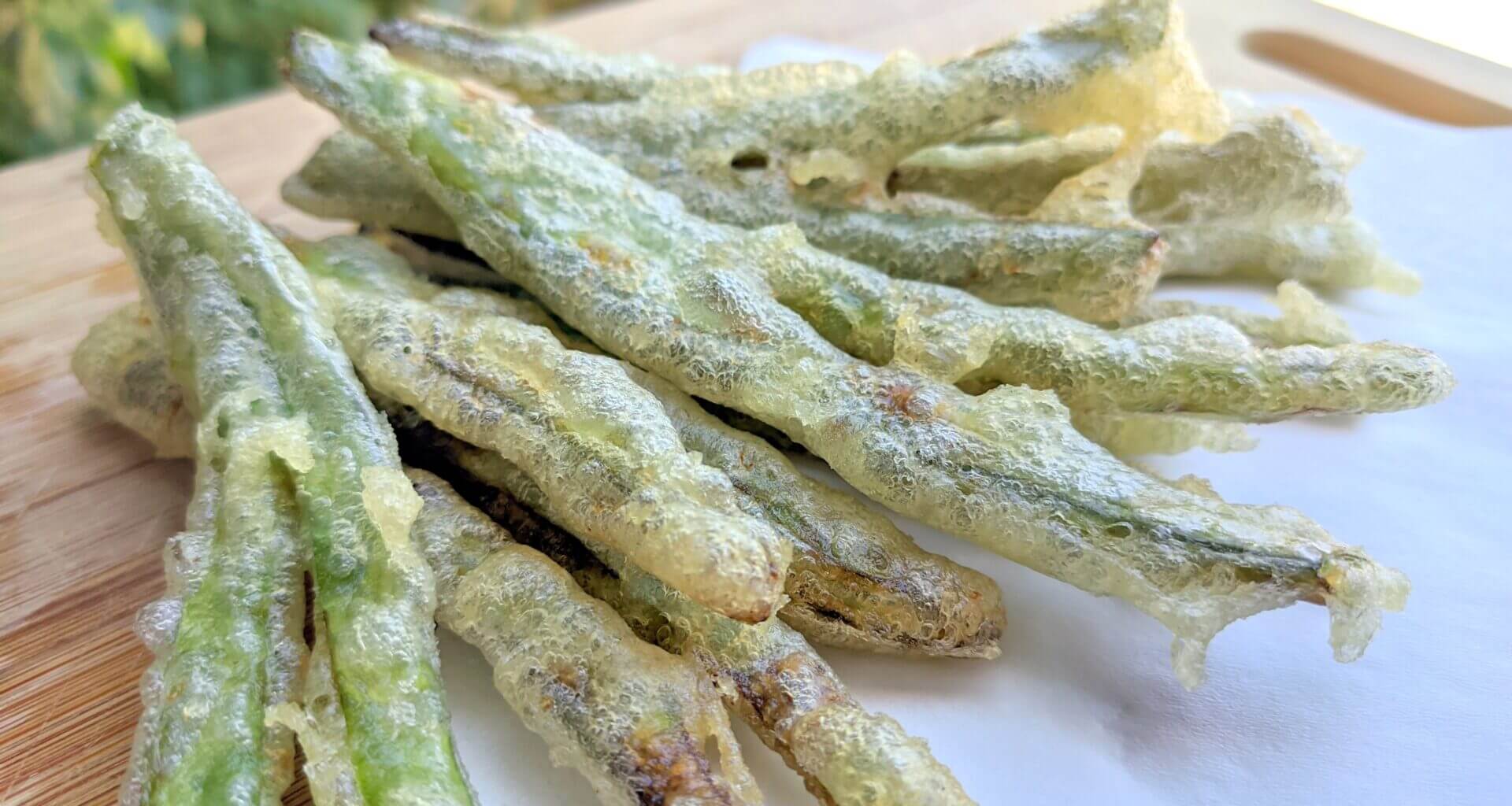

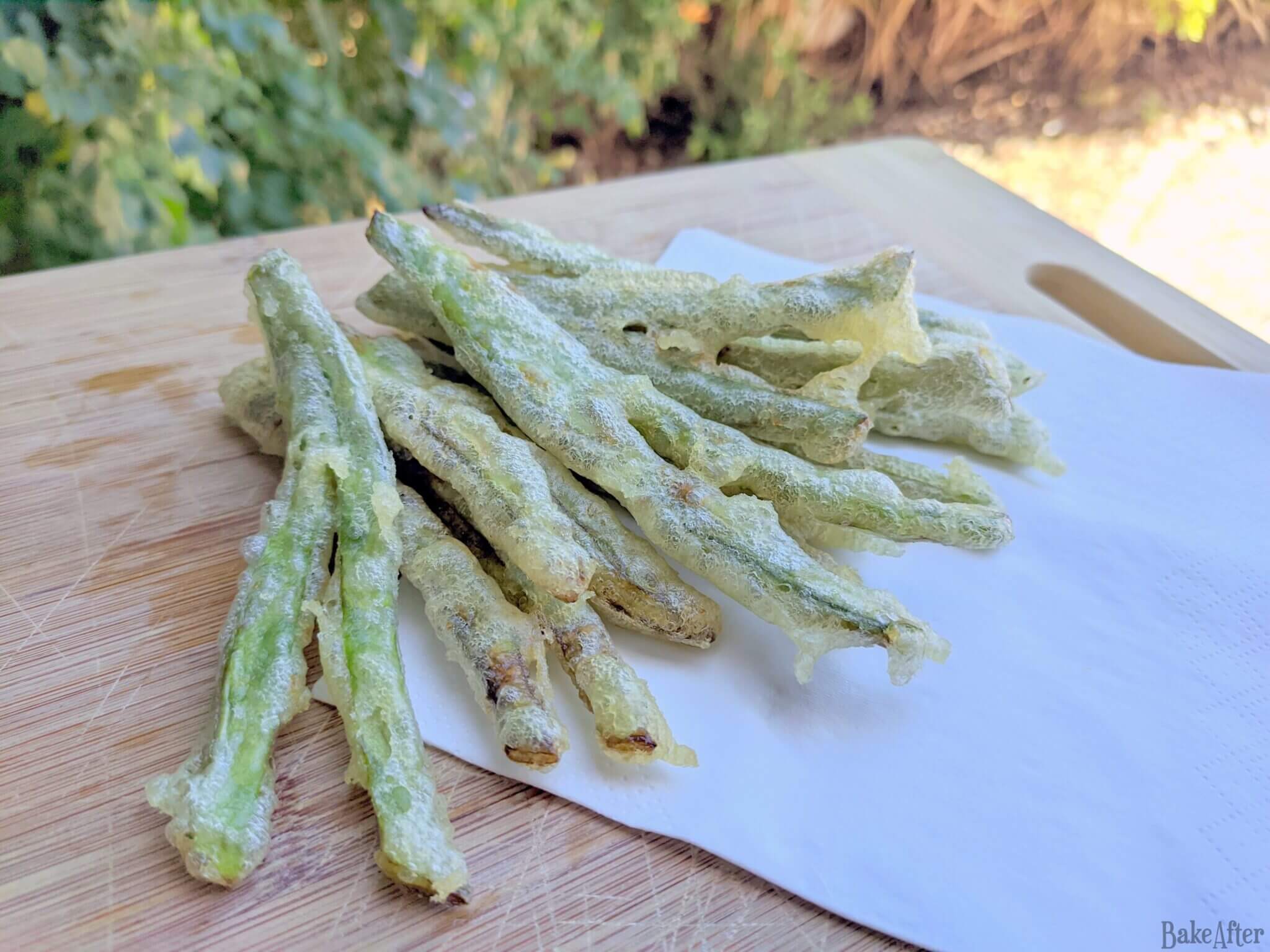
So, how about kicking things off with a fusion that just makes all the sense in the world, taking the classic Portuguese peixinhos da horta and coating them in a traditional Japanese tempura batter? Now, a quick note here, for this recipe I used ready-made tempura flour, which is pretty common in Japan, where you can find all sorts of products designed to simplify specific steps in the kitchen, not the whole process. In this case, all I need to do is combine the flour mix with ice-cold water or sparkling water, and that’s it. But if you don’t have tempura flour on hand, no worries at all, it’s just a mix of regular flour with a little cornstarch (or yam flour, rice starch, or potato starch), and the key things are the right ratio and making sure the water is super ice cold (check the notes below for more help with that).
Now, in case you’re not familiar with peixinhos da horta, these are a simple and beloved Portuguese snack made of boiled green beans coated in a batter and fried, the name literally means “little fish from the garden,” because the shape reminds of little fish, and well, the green beans do come from the garden, obviously hehehe. It’s believed the dish has its roots in periods of religious dietary restrictions, like Lent, when people got creative with dishes and snacks that used no meat or fish.
And here’s a fun little piece of food history that makes this fusion feel even more fitting, Japanese tempura actually has Portuguese origins! Portuguese missionaries in Japan introduced the practice of frying not just vegetables but also shellfish in a batter, again as a meat and fish alternative during religious fasting periods. In fact, the word “tempura” is thought to come from the Latin “tempora,” the plural of “tempus,” meaning time, referring to those periods of religious fasting and abstinence.
I have to say, I’ve eaten green beans done in a tempura style both in Japan and in Portugal, so this is not exactly a new idea, but the little twist here is that I partially cooked the green beans first and seasoned them with a pinch of salt (the way portuguese peixinhos da horta are made), whereas in a classic tempura the vegetables tend to go in raw and unseasoned, with the flavoring coming mainly from the batter and the dipping sauce. I cooked them to about 80% tenderness, still with a little bite, and I have to admit, my version turned out pretty great! ;D Let’s check the recipe!
Japanese Style Crispy Green Bean Tempura
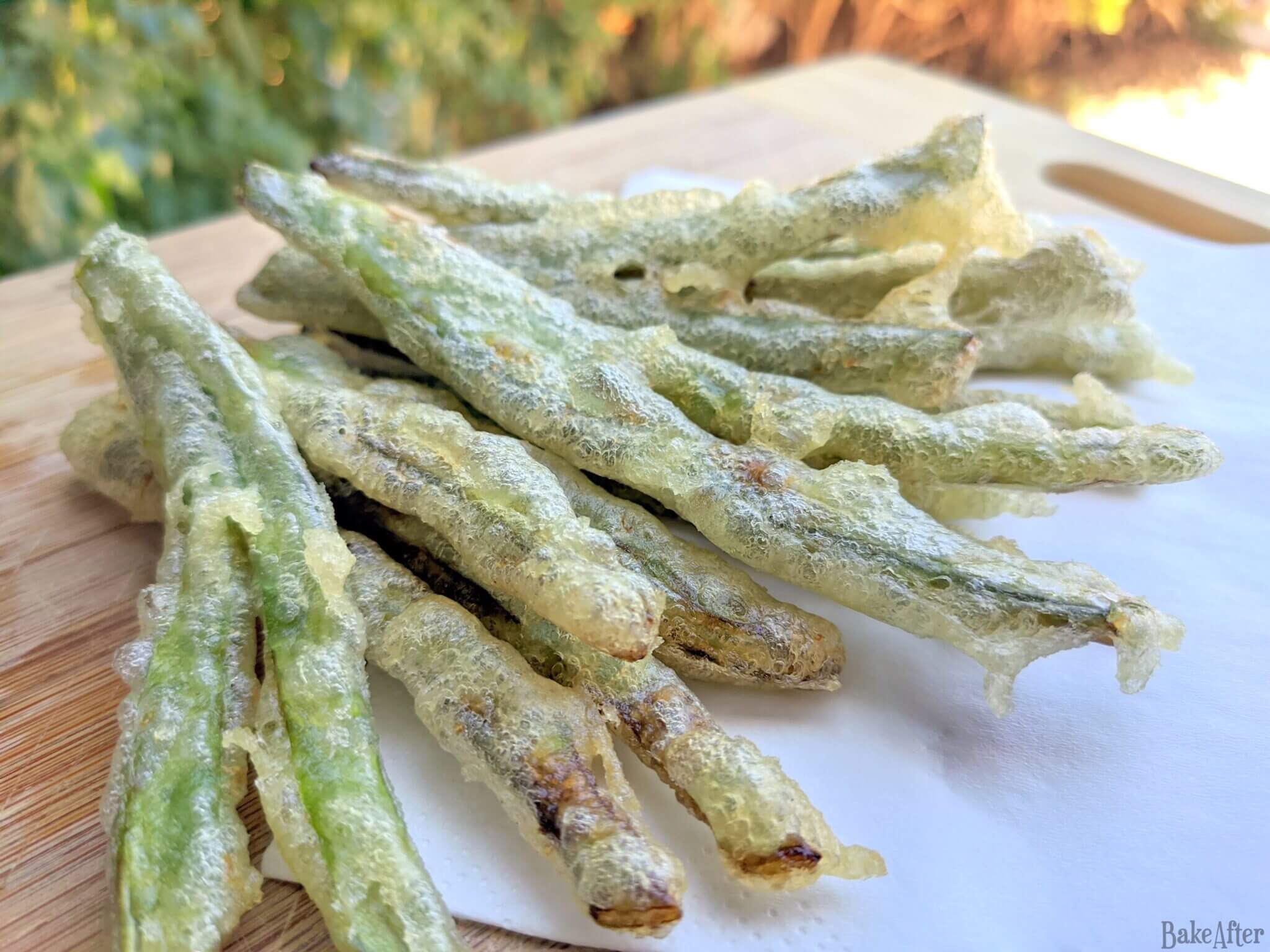
You gotta try this recipe at home, nothing like the classic Portuguese peixinhos da horta with a light, crispy Japanese tempura coating. The perfect snack and an absolutely unbeatable combination hehehe.
Ingredients
- Tempura Flour – 100g
- Sparkling Water – 160ml (Very Cold)
- Green Beans – 500g
- Sunflower Oil – For Frying
- Salt – A Pinch
Directions
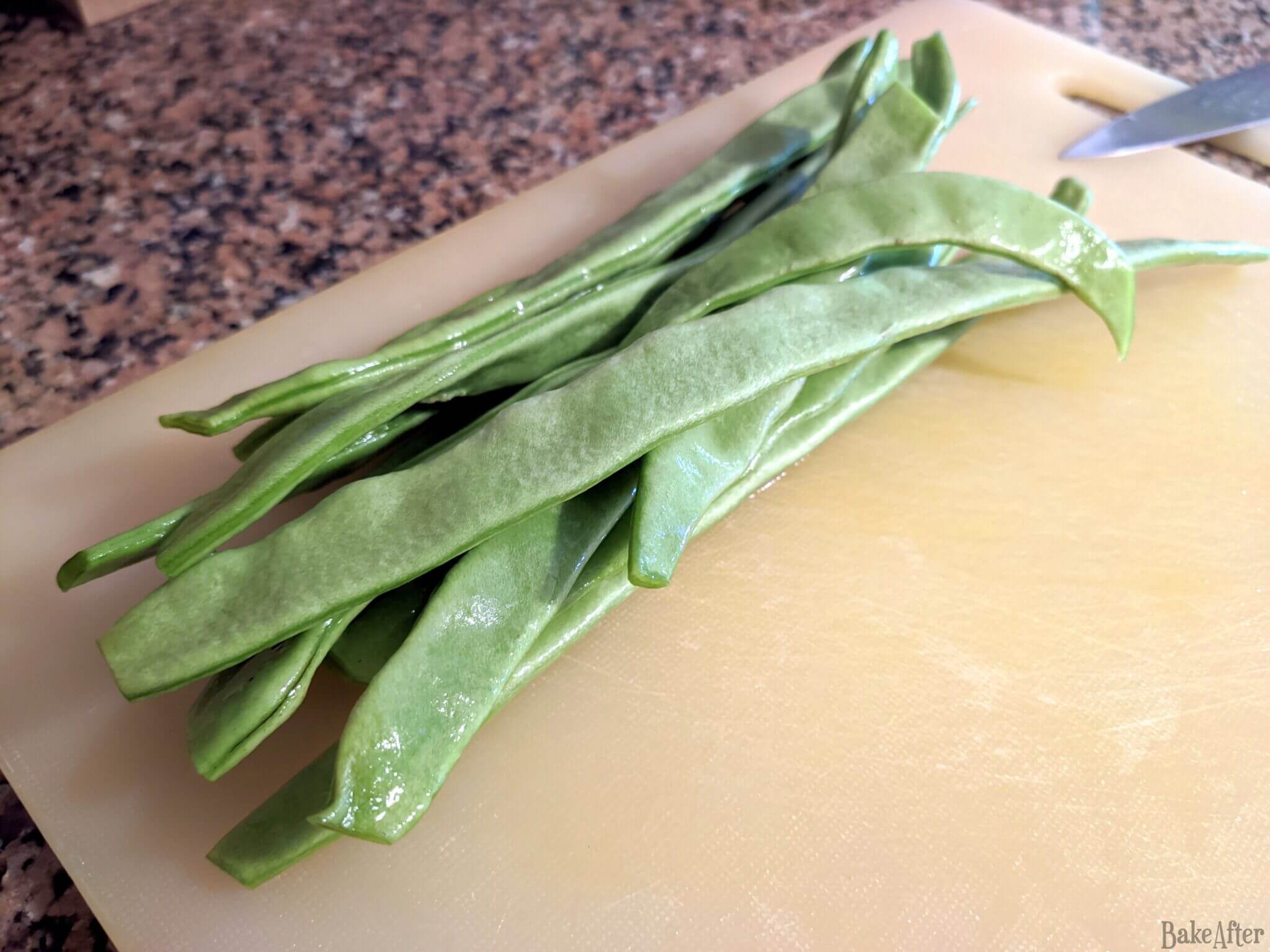
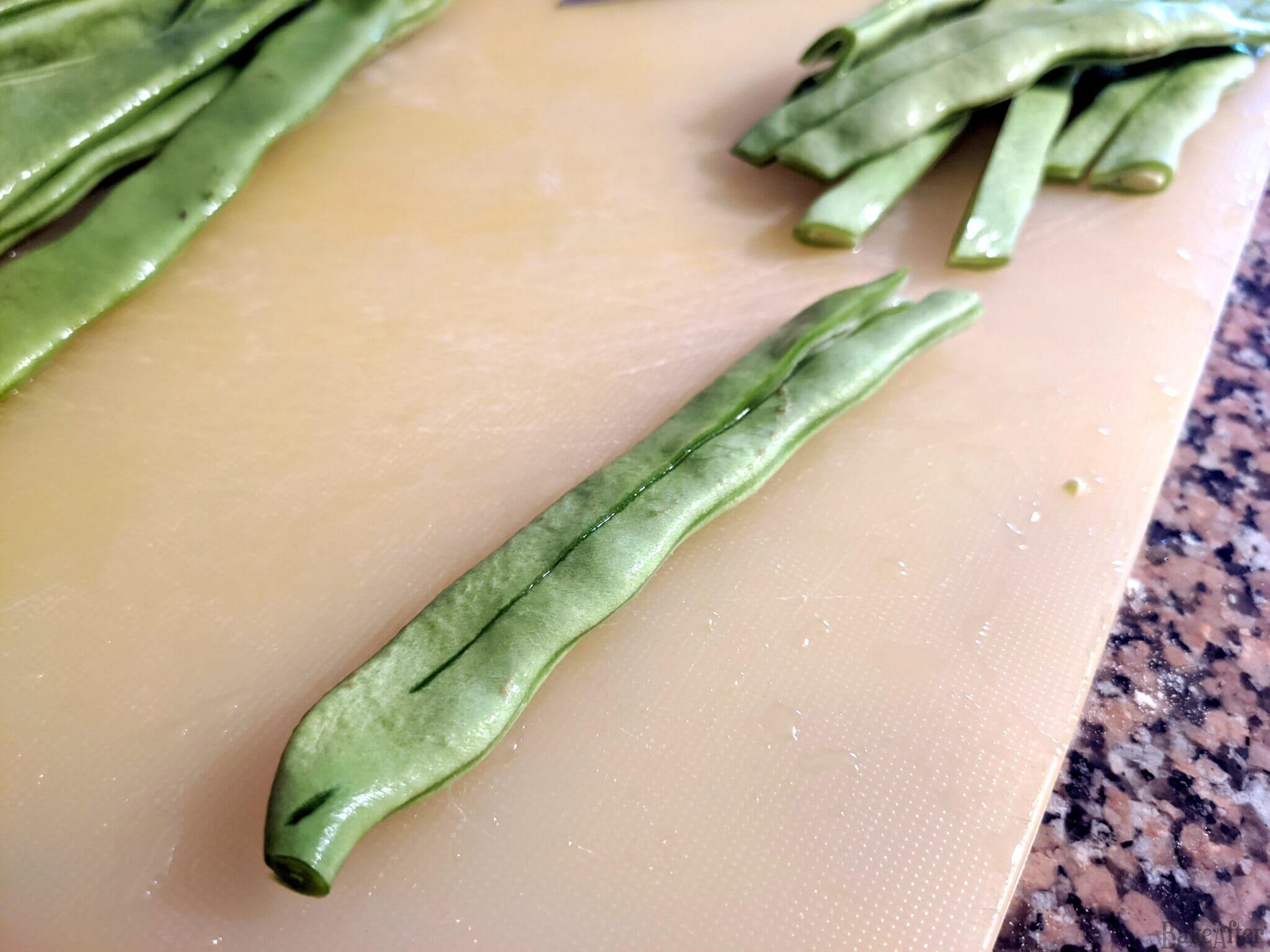
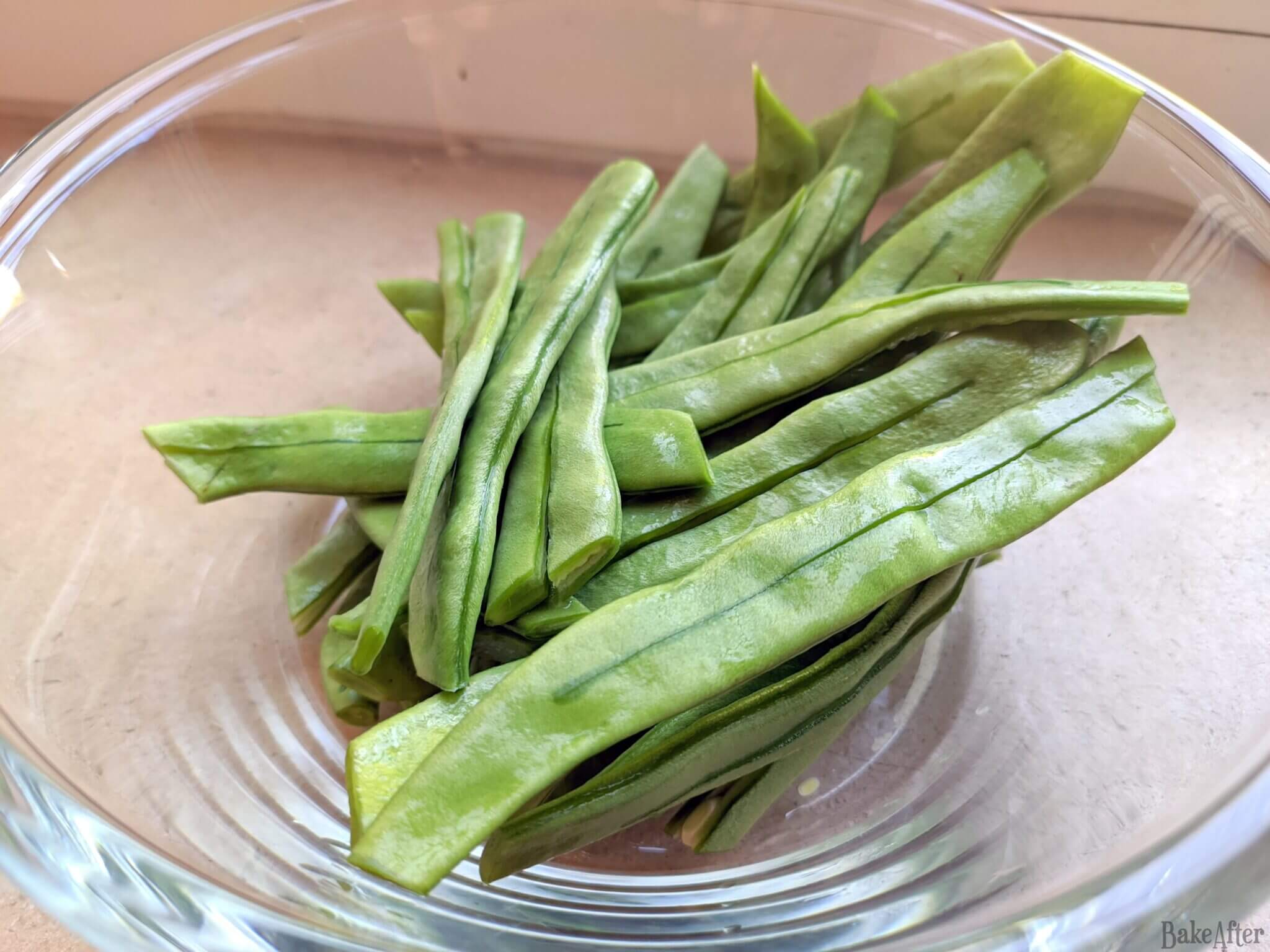
- Start by washing the green beans, trim the ends, and then make a lengthwise cut down the middle of each bean, about 2/3 of the way. Place them in a small saucepan and repeat for all the green beans.
- Cover with water and a pinch of salt. Bring to a boil and cook until they are about 60% to 80% tender (cooking fresh green beans completely is tricky because it depends on the thickness of the beans and whether they are fresh or frozen, but for fresh beans of a regular size, I would say about 15 minutes after the water is hot). So, around 12 minutes, but keep tasting them. You want them almost tender, but still a little crisp and not too soft.
- When they are almost tender, remove and drain all the green beans, and let them cool.
- Prepare the batter by combining the tempura flour with very cold sparkling water. Mix until you obtain a very liquid batter. Set aside.
- Now, take the green beans and place them on kitchen paper or a towel to remove as much moisture as possible (this will help the batter adhere and become nice and crispy).
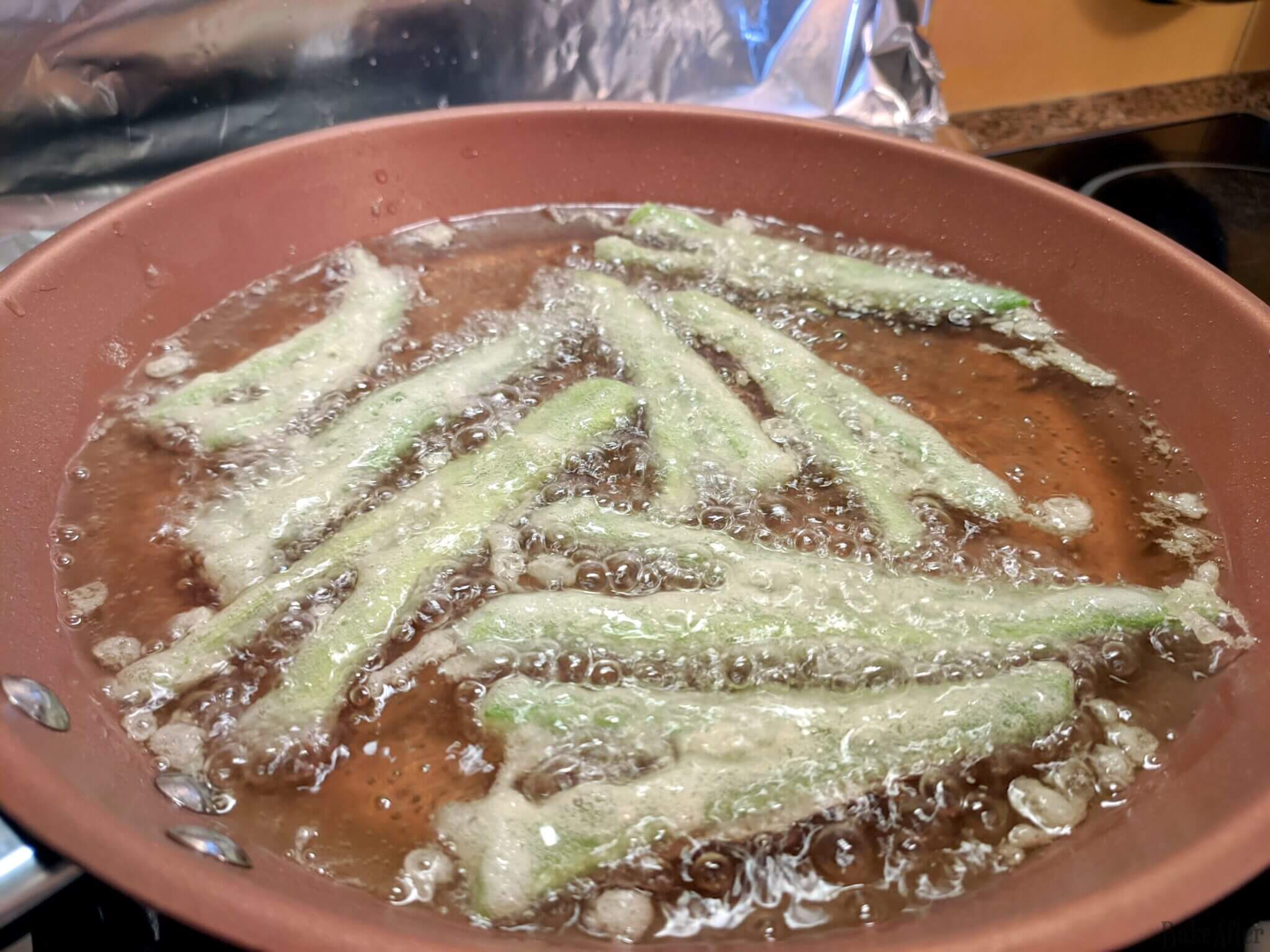
- Heat a frying pan with oil over medium heat (you can check if it’s at the right temperature by adding a little batter; if it bubbles, the oil is at the right temperature for frying).
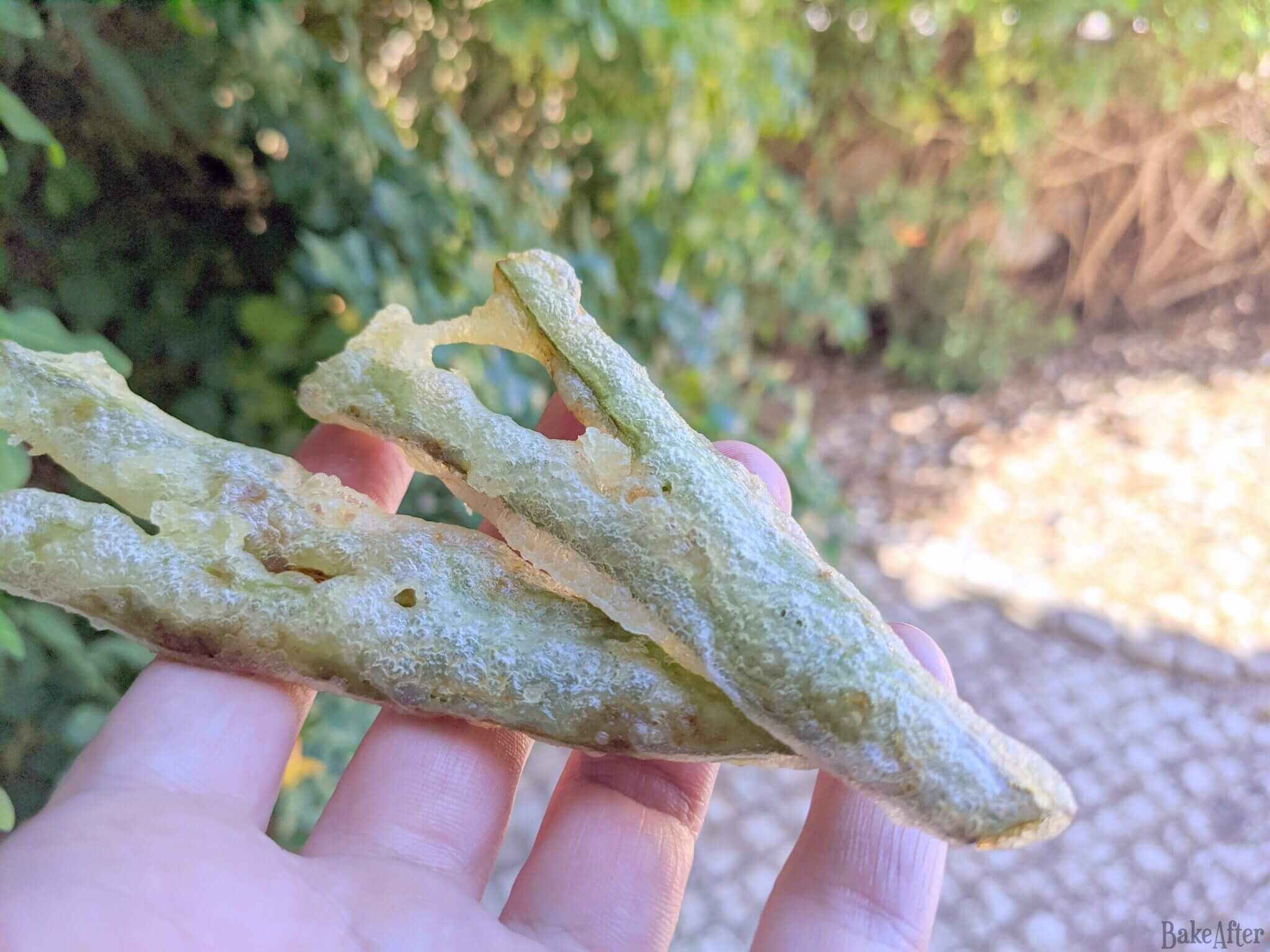
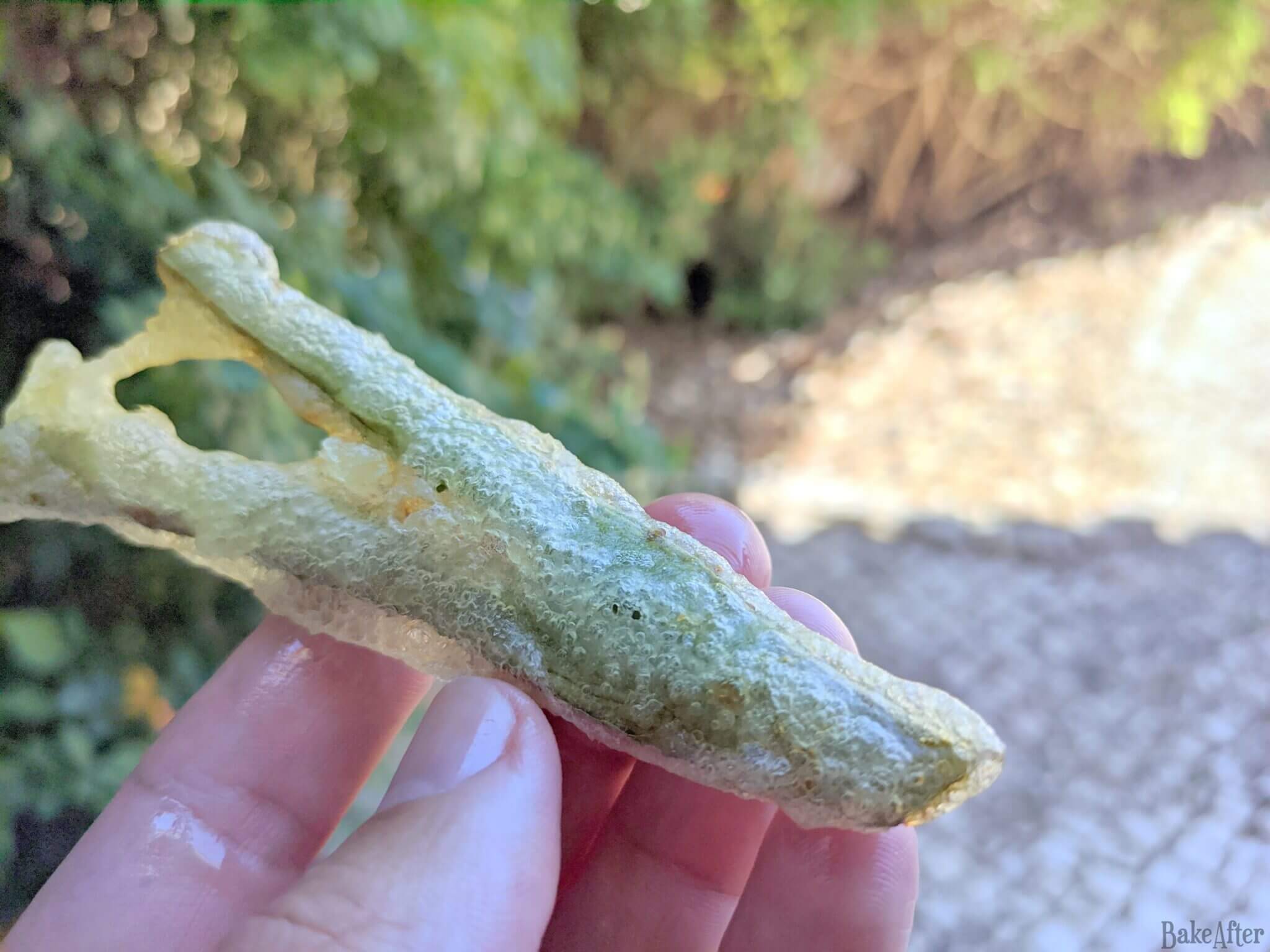
- Finally, dip each bean in the batter and drop it into the oil. Fry until crispy and slightly toasted at the edges (note that since the batter doesn’t contain egg, the color will always be pale).
- Remove to a wire rack to drain or place on kitchen paper. Repeat for the remaining green beans until you have no more. Enjoy! ;D
If you want an extra bit of flavour, try swapping some of the ice-cold sparkling water with ice cold beer. The carbonation works wonders on the crispiness!
If you don’t have ready-made tempura flour and want to make your own from scratch, it’s simple: combine 85g of wheat flour (go for T55 or cake flour because the lower the protein content, the crispier the result), 15g of cornstarch, and a pinch of salt. Mix well and you’re set.
For a classic Japanese tempura dipping sauce, mix together in a bowl 240ml of water, 60ml of mirin, 2 tablespoons of soy sauce, and 1 tablespoon of fish sauce. Stir it all together and it’s ready to serve. You can drizzle a little over the tempura or just dip the tip of each piece into a small bowl of it on the side.
Make sure you dry the green beans really well before coating them in the batter. Any extra moisture on the surface will prevent the batter from sticking and can also cause oil to splatter when frying, so take a little extra time with this step, it makes a big difference!
Unlike a lot of Portuguese batters, which tend to be thicker and hold up reasonably well even when cold and a little softer, tempura is really a “right now” kind of thing. It’s best eaten immediately while it’s still hot and crispy from the frying, as it loses that wonderful crunch quite quickly. So have your plates ready and eat straight away!
Feel free to use this same batter with all kinds of other ingredients. Shrimp, onion rings, carrot strips, broccoli florets, anything you like really, it all works beautifully in a tempura! ;D
This recipe for Japanese Style Crispy Green Bean Tempura was originally created on BakeAfter.com. Esta receita de Peixinhos da Horta Japoneses • Tempura de Feijão Verde foi publicada em português no Iguaria.com.
Nutrition
Per Serving: 313 calories; 15.4 g fat; 38.5 g carbohydrates; 5.4 g protein.Did you try this recipe?
Let me know how it turned out for you! You can leave a comment below ;D
Discover more from BakeAfter
Subscribe to get the latest posts sent to your email.