
Happy Easter Saturday! Of course, to celebrate the occasion I had to go and share another traditional portuguese folar easter bread! This version is not exactly common around Portugal, but there’s nothing quite like trying new ones, right? And honestly, if you’re looking to bake something a little different this Easter, this is the perfect recipe for you! ;D
Now, the Fogaça from Santa Maria da Feira is one of Portugal’s most iconic regional breads, and it carries a story worth knowing. Legend has it that back in 1505, as the plague swept through Portugal, the people of the Santa Maria da Feira region made a solemn vow to São Sebastião (Saint Sebastian), if the plague spared their lands, they would hold a great festival in his honor. The plague passed, the promise was kept, and from that tradition was born, called the Festa das Fogaçeiras, now one of the most beloved local celebrations in Portugal. And the offering at the heart of this festival is the fogaça itself, a beautifully shaped sweet bread whose distinctive four cuts on top represent the four towers of the region’s medieval castle.
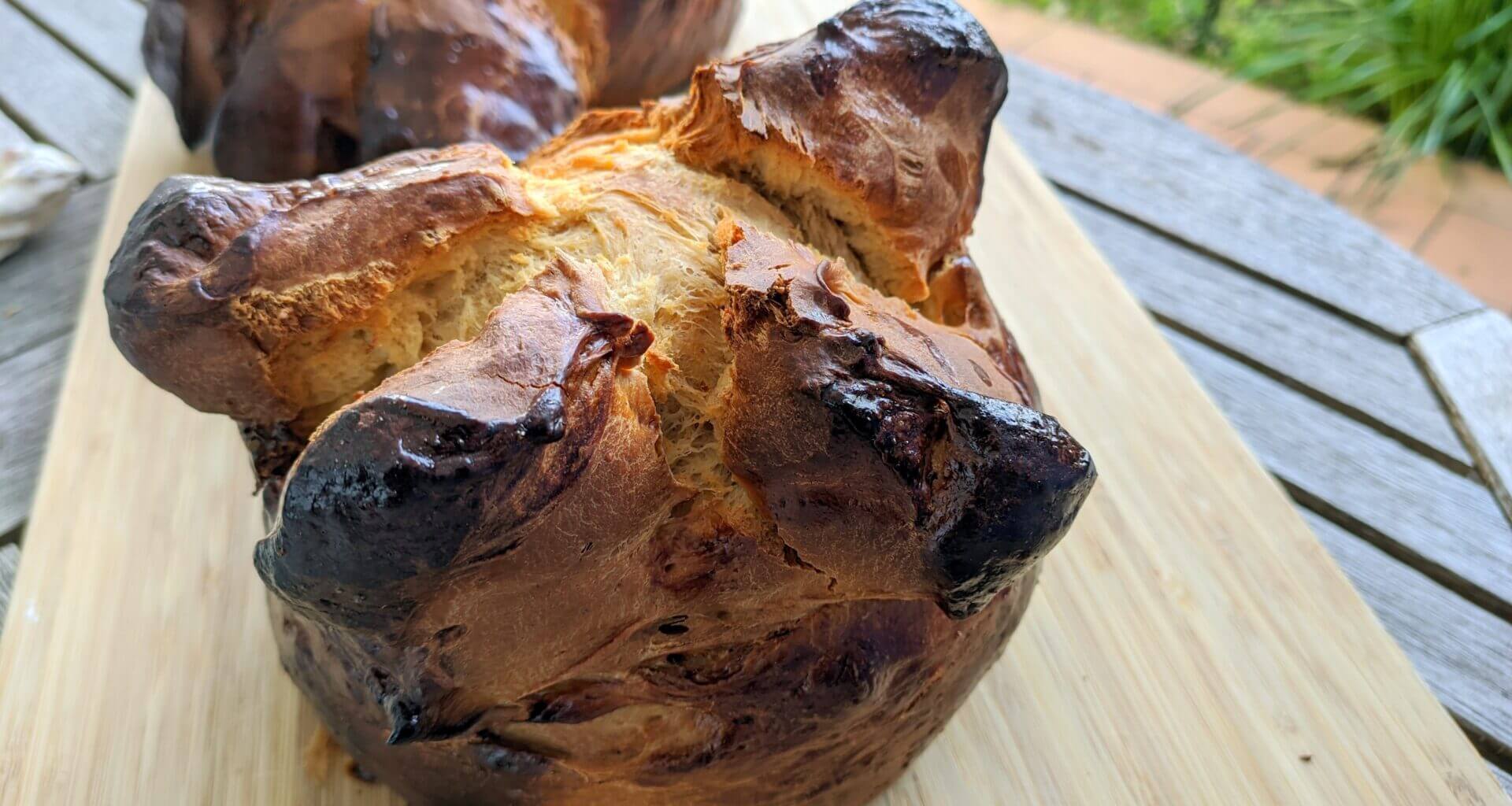
As a folar, this bread is of course tied to the festival but it can absolutely be made for Easter as well. I would say it’s not an especially complicated folar in terms of the dough, which is a lovely variation on the classic Portuguese sweet bread. The tricky part is in the shaping, stretching the dough just right, forming the roll, getting those towers to stand proud and tall. I’ll be honest, one of mine came out looking pretty good, and the other one, well, it took a bit of a tumble. So in terms of looks it wasn’t a complete triumph! But in terms of flavor? They were absolutely delicious. And honestly, that’s what counts. Let’s get to the recipe!
Traditional Easter Sweet Castle Bread from Santa Maria da Feira • Fogaças
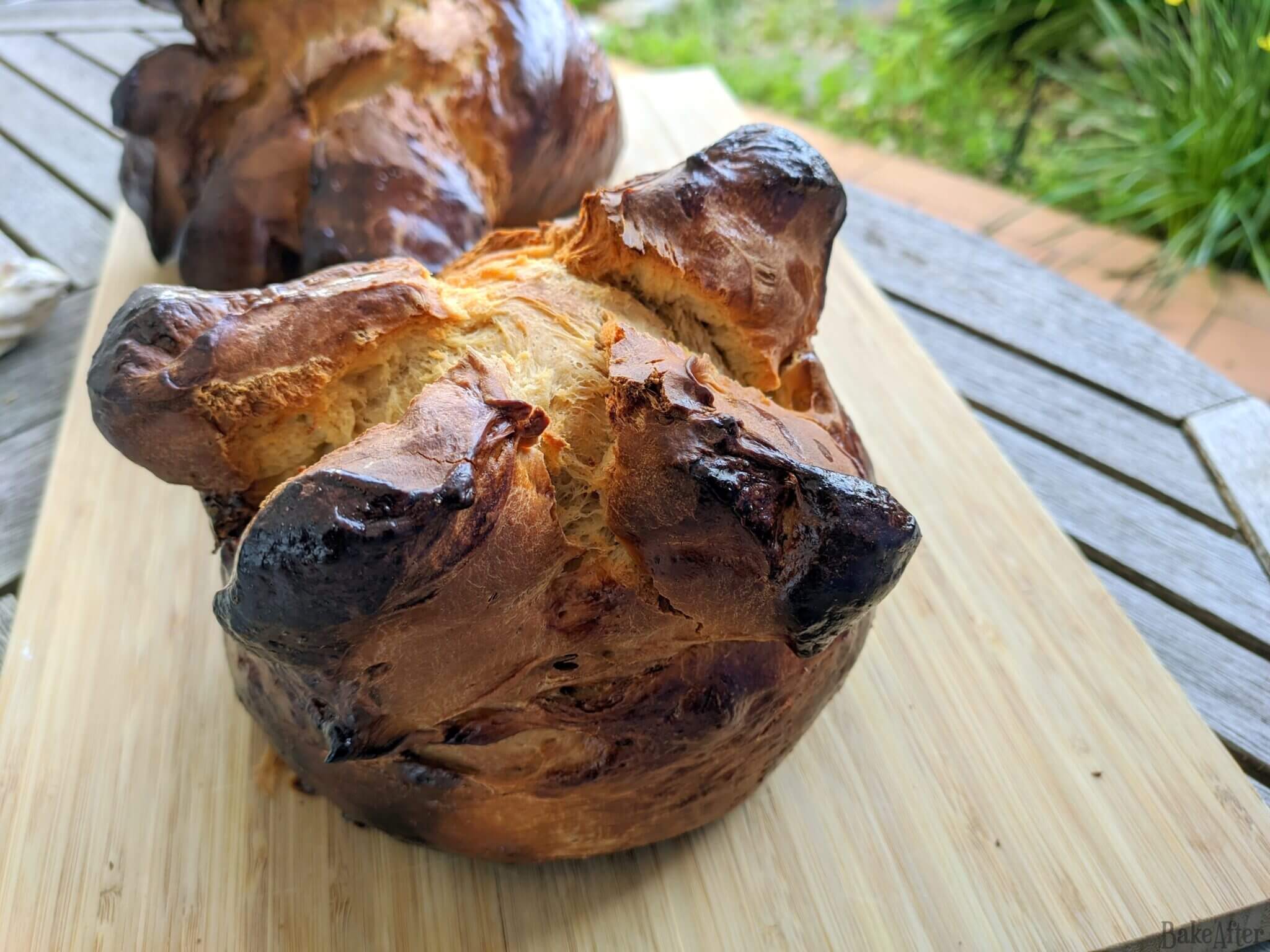
Want a new Portuguese style Easter sweet bread to try at home? How about a Fogaça bread, it's a delicious slightly sweet bread perfect for any Easter table! ;D
Ingredients
- Flour – 200 g
- Water – 120 ml (warm)
- Baker’s Yeast – 1 packet (dry) or 50 g (fresh)
- Flour – 600 g
- Sugar – 160g
- Unsalted Butter – 120g
- Eggs – 3 (large)
- Lemon – 1 (zest)
- Cinnamon – 1 Teaspoon
- Salt – 1 Teaspoon
- Egg – 1 (For Brushing)
Directions
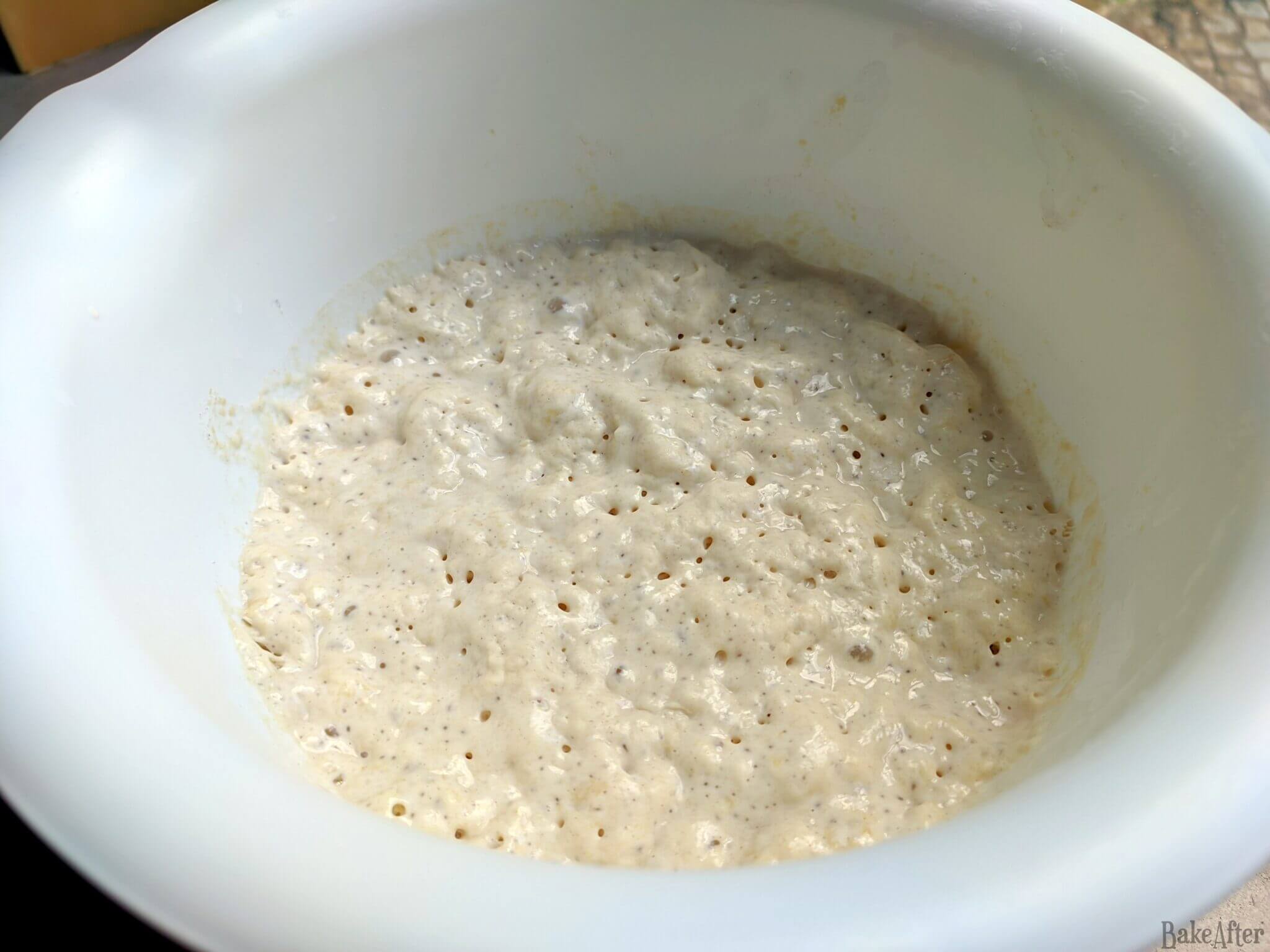
- Start by making the yeast starter, dissolve the yeast in 120 ml of warm water, let it rest for about 15 minutes, then add 200 g of flour and stir until you have a soft dough.
- Let the dough rise in a bowl for about 30 minutes in a warm place, or a little longer, until it doubles in size.
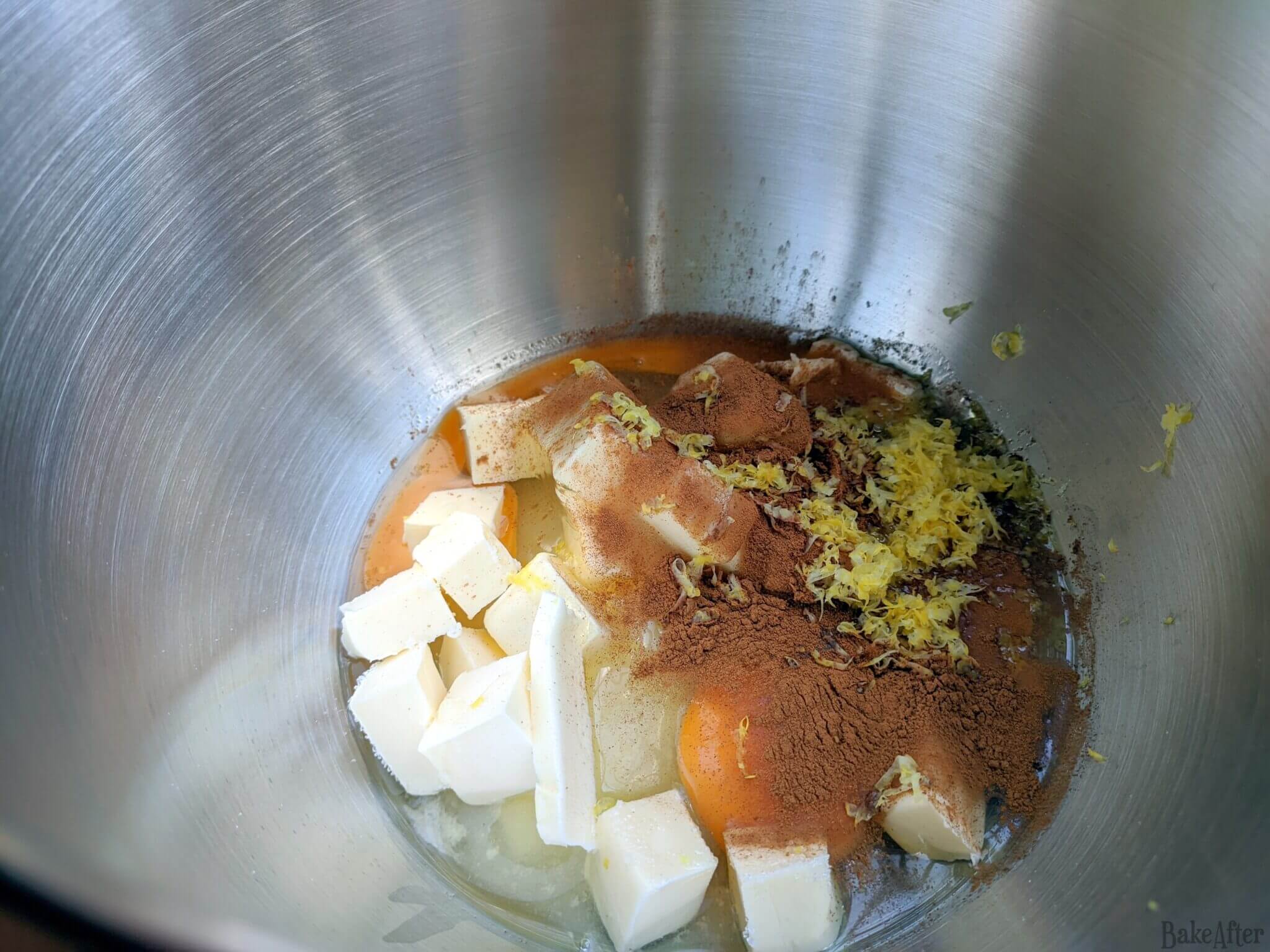
- Now combine the sugar, cinnamon, salt, eggs, lemon zest, and butter in a bowl, and whisk them together briefly.
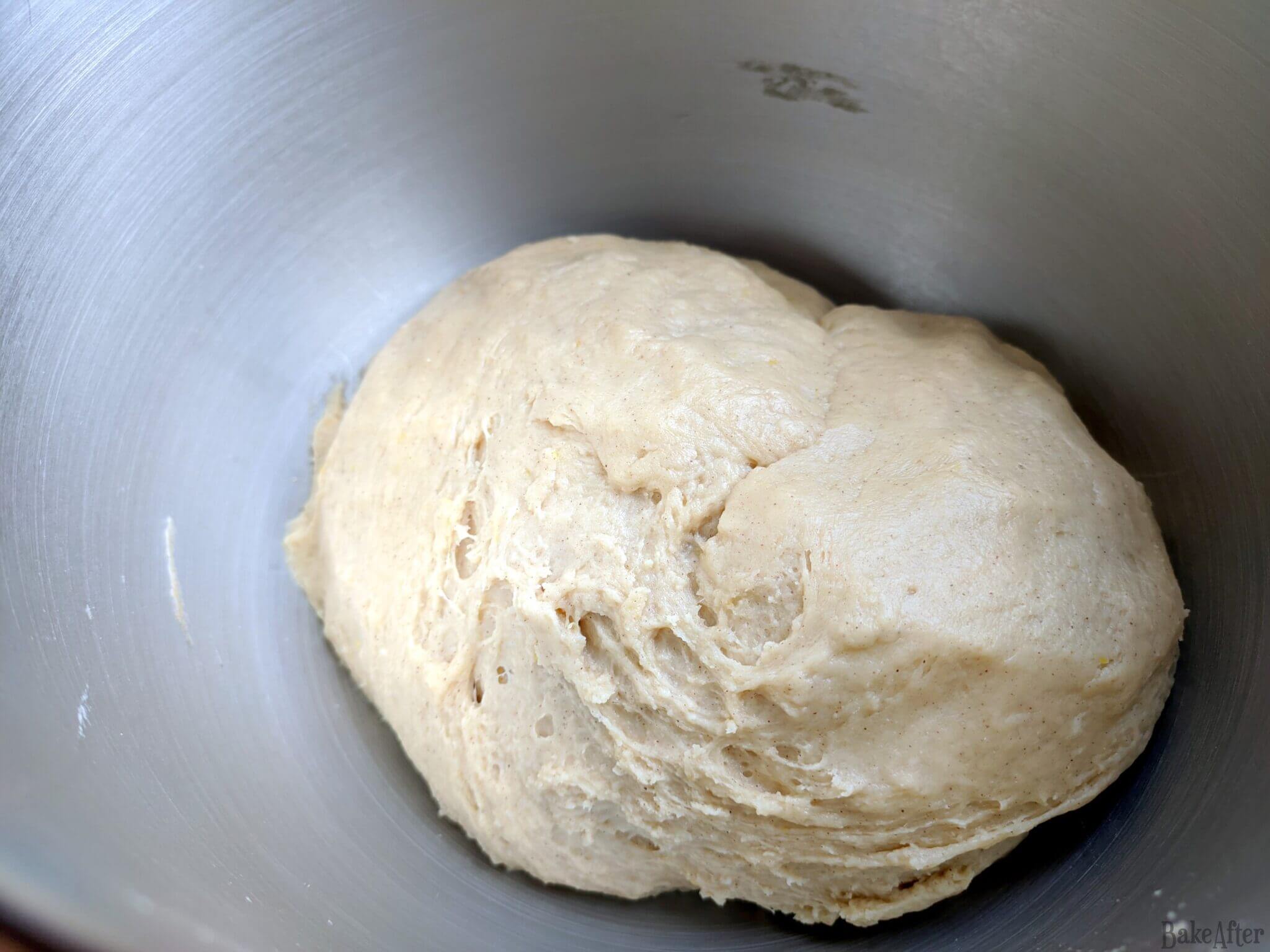
- Then add the 600gr of flour and the proofed dough, and knead until you form a smooth ball with the consistency of bread dough.
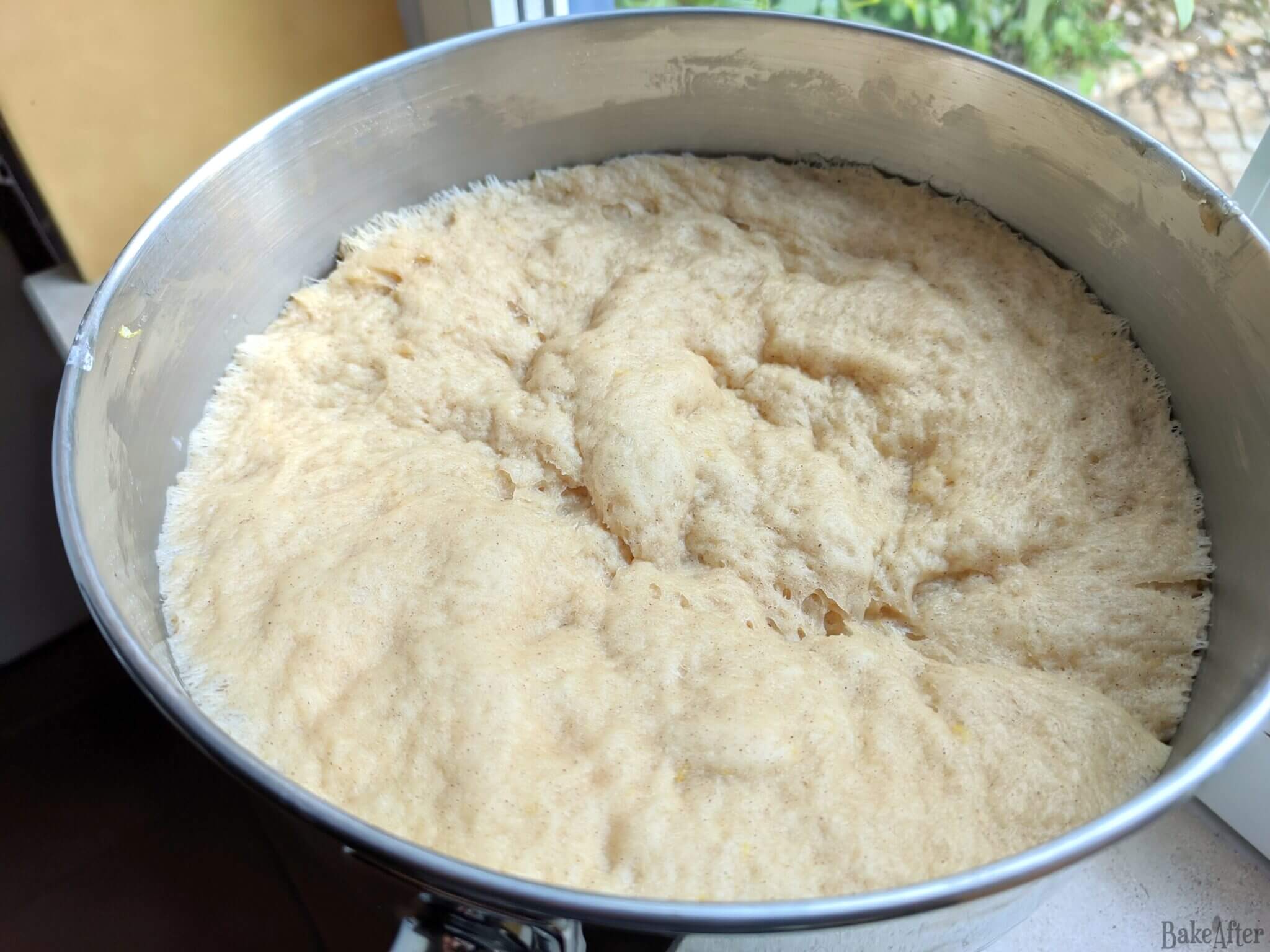
- Place the dough in a large bowl covered with a cloth and leave it in a warm place to rise until it doubles in volume (in my case on a warm day, it took just over an hour).
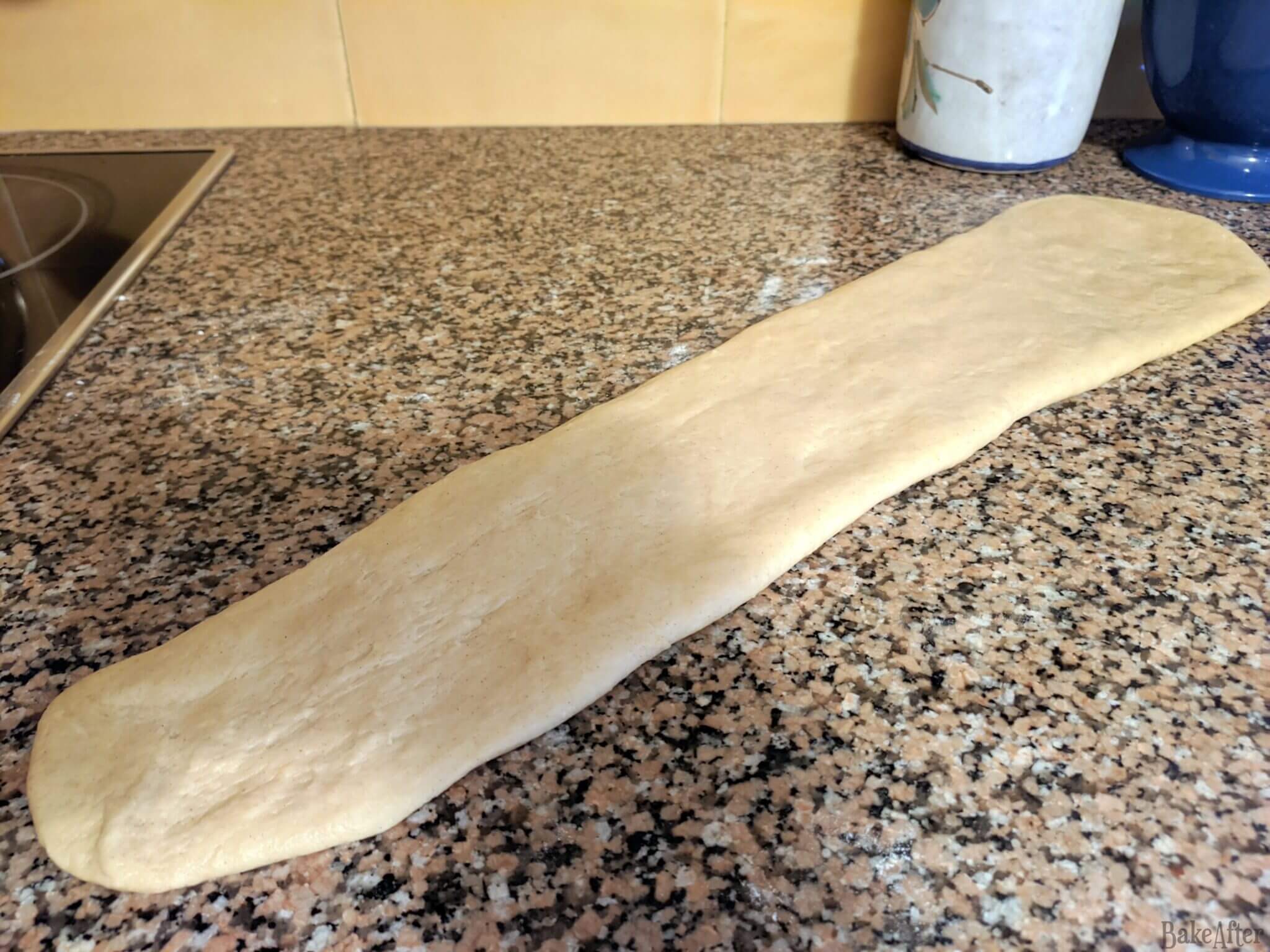
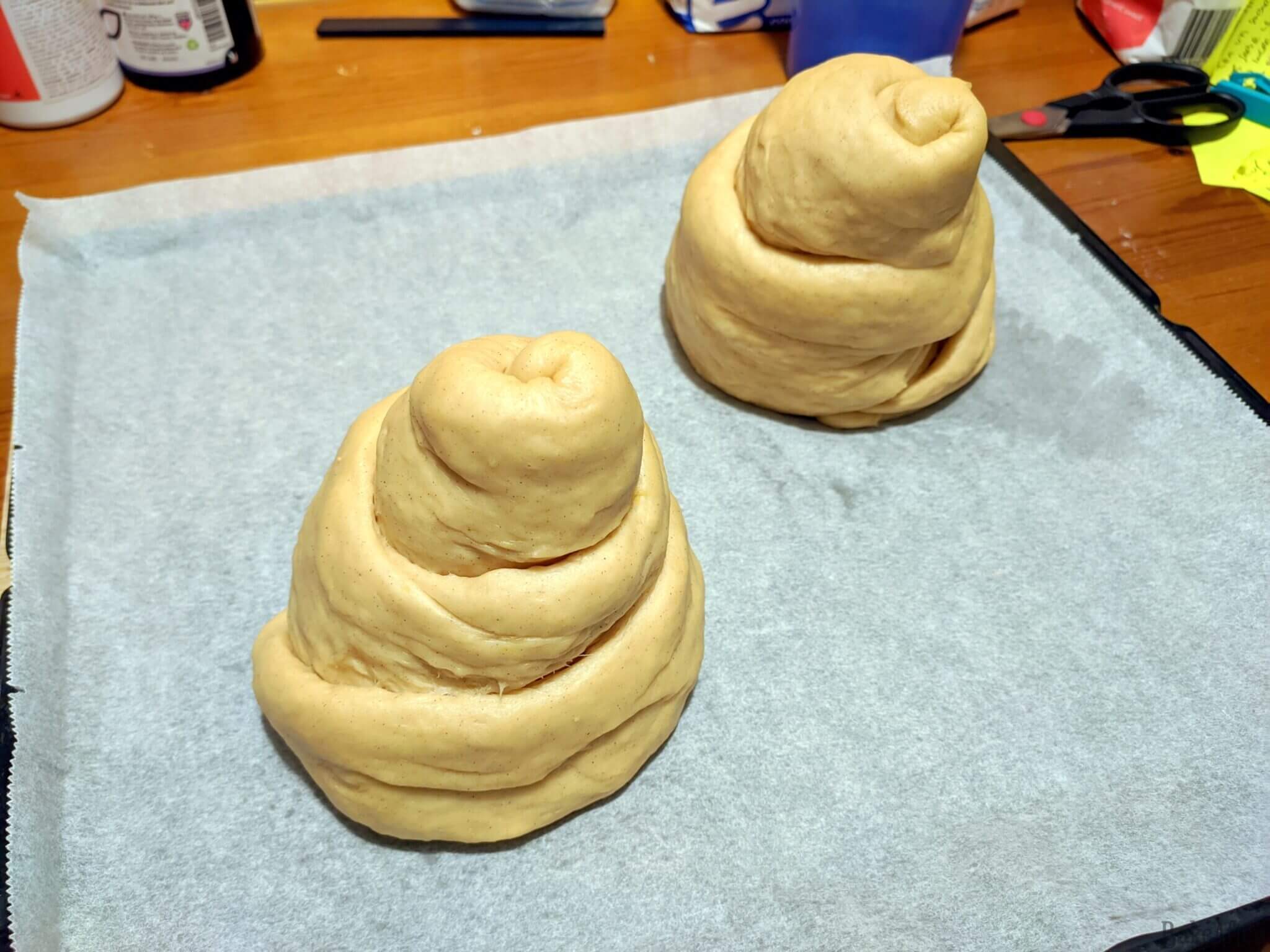
- Then transfer the dough to a floured work surface, divide it in half, and stretch it out with your hands into a long rectangle, with one side longer than the other.
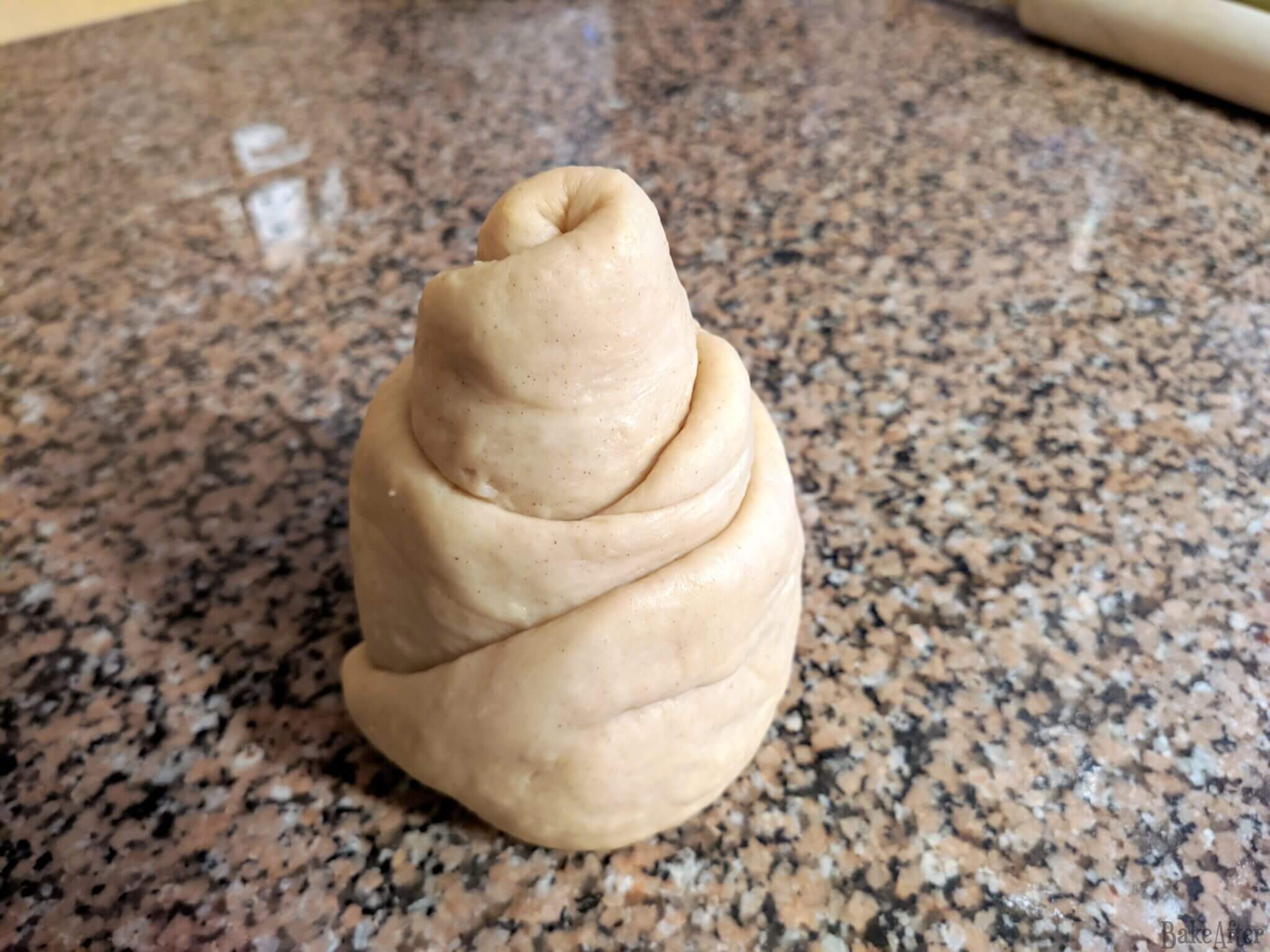
- Now, starting from the wider side, begin rolling it up to form a log of dough where the center is slightly higher and gradually slopes down, creating a plump log.
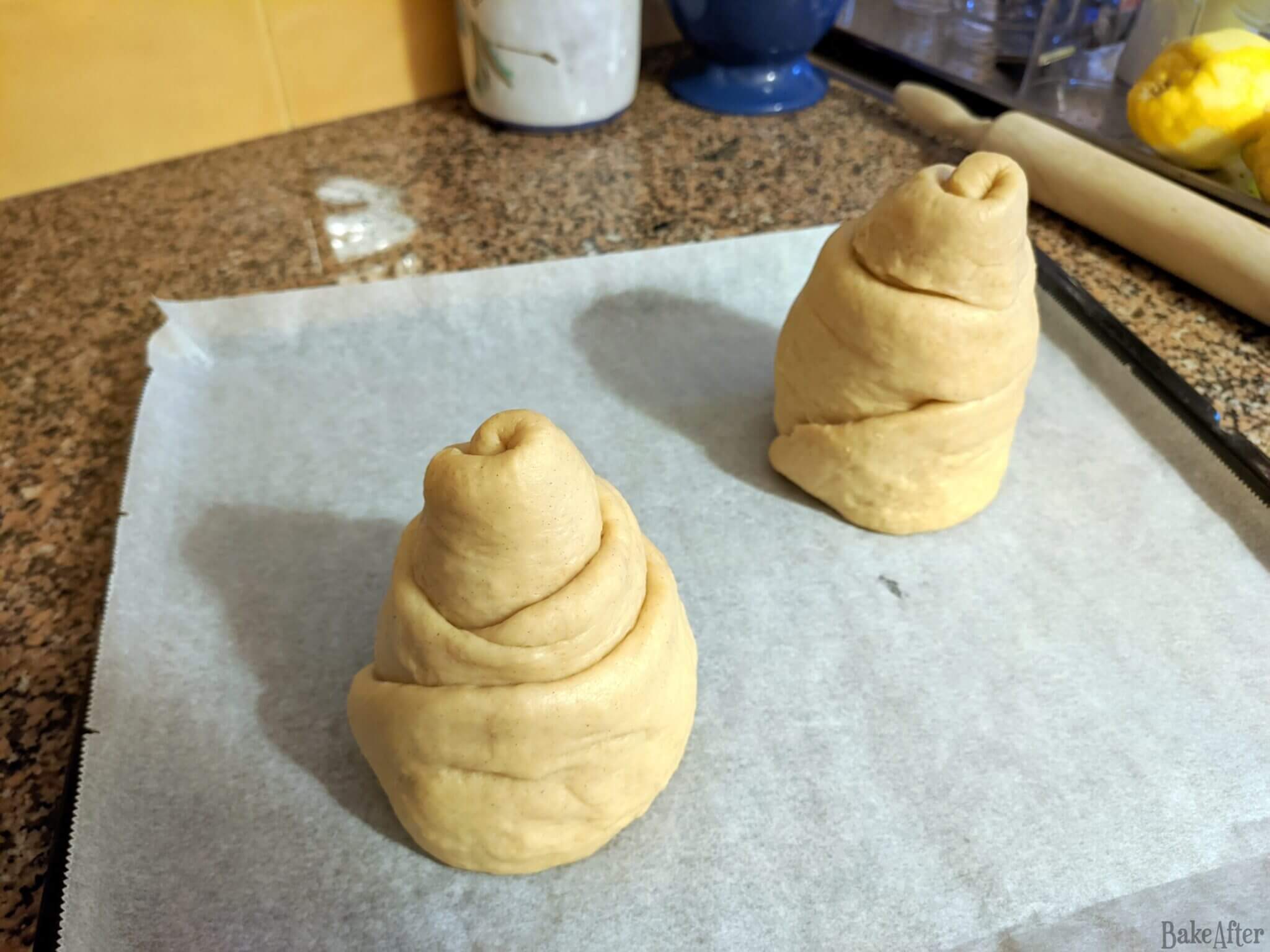
- Place both loaves on a baking sheet lined with parchment paper, and let them rise again for about 1 hour until they have grown to again double their size.
- Preheat the oven to 200°C.
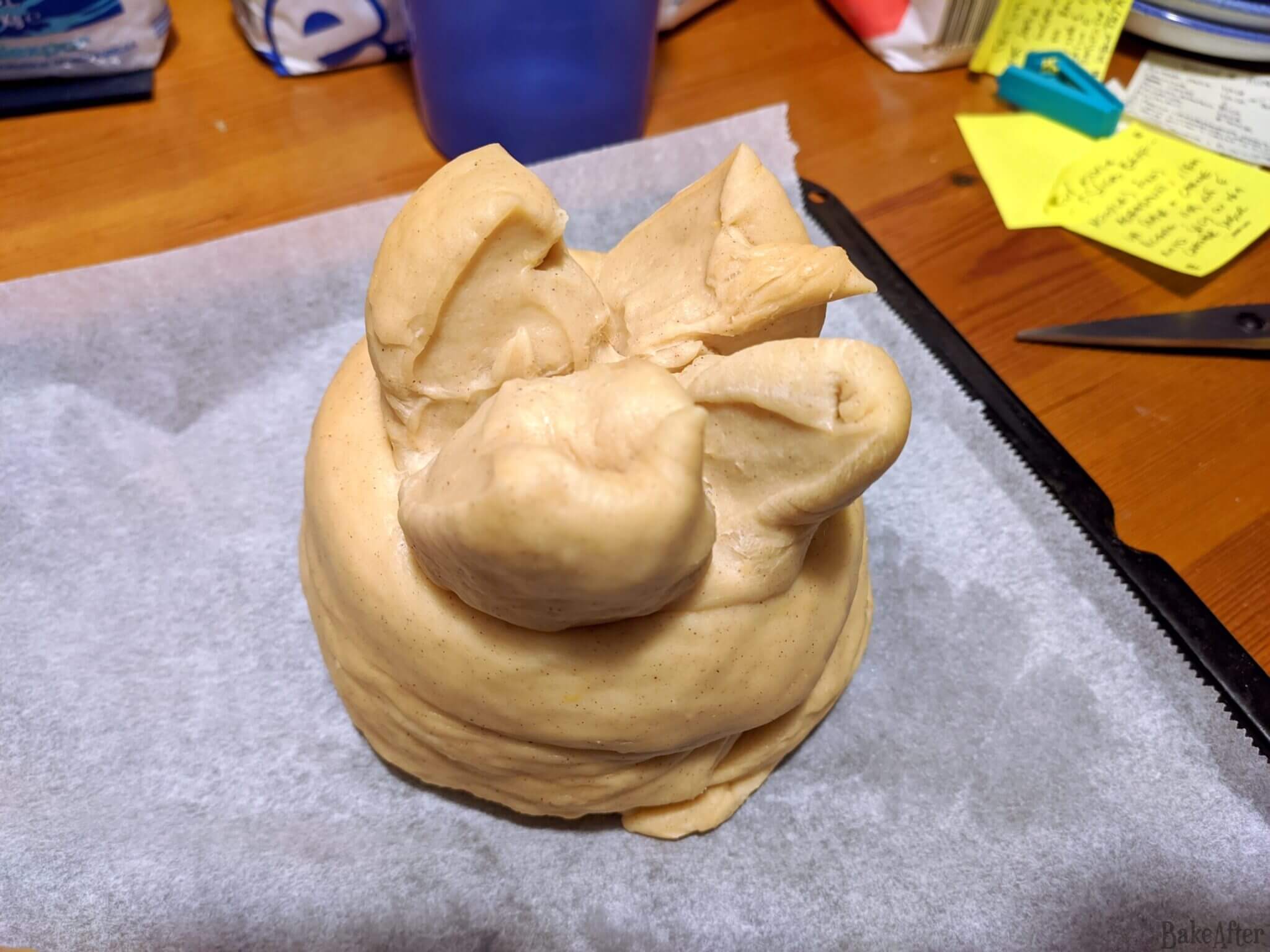
- Now that the loaves have risen, brush them with 1 whisked egg and use scissors to make 4 cuts on top to create the “castle towers.”
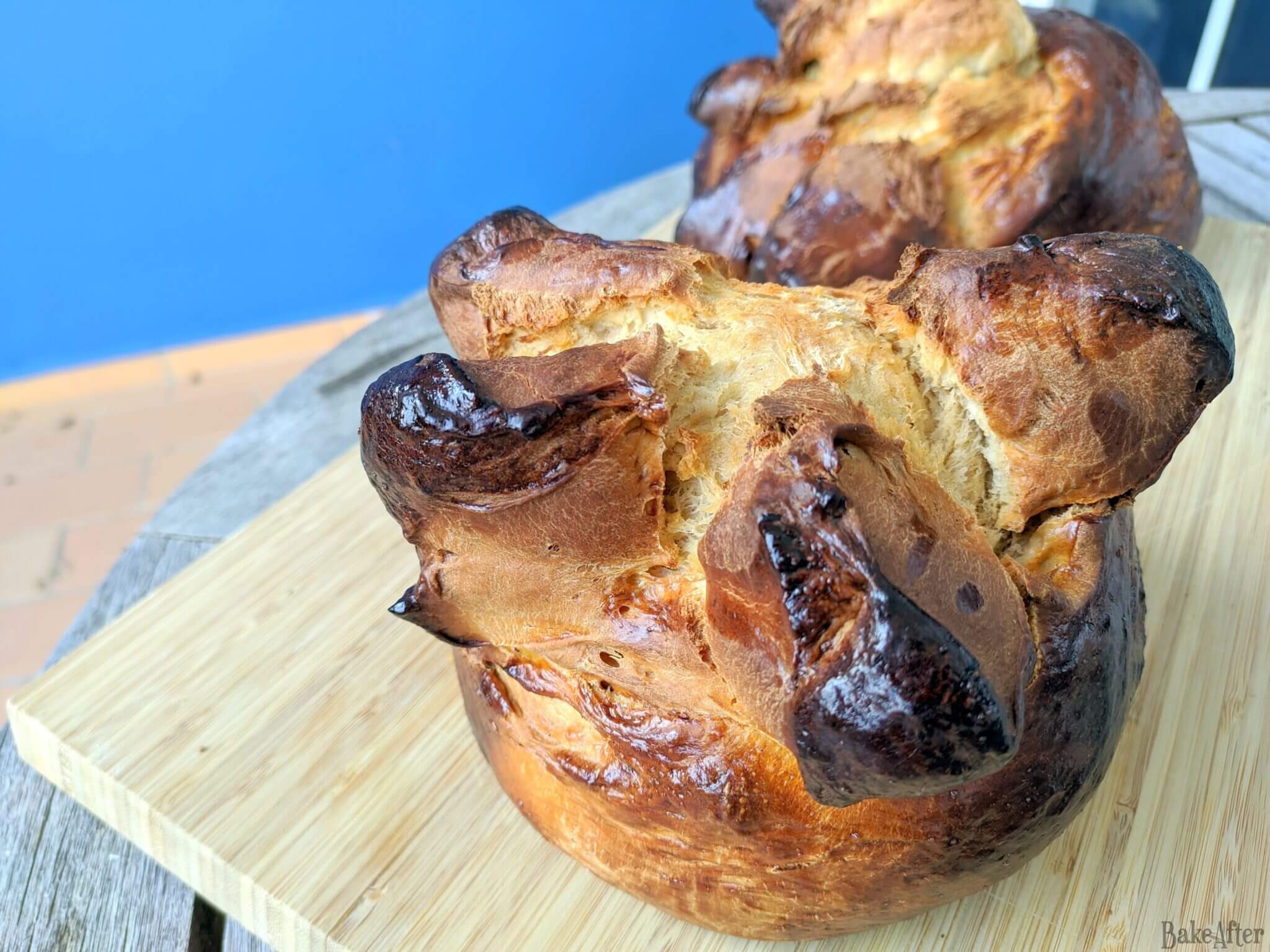
- Then place the loaves in the oven, let them bake for about 15 minutes, then remove them and use your hands to open the towers slightly to allow the heat to penetrate the inside of the loaf.
- Return them to the oven for another 20 minutes to finish baking. If you’re not sure if they’re done, you can always poke them with a knife, if it comes out dry, they’re ready, if it comes out with dough on it, they need a little longer.
- And that’s it! Take them out of the oven when they are golden! Enjoy, and Happy Easter!
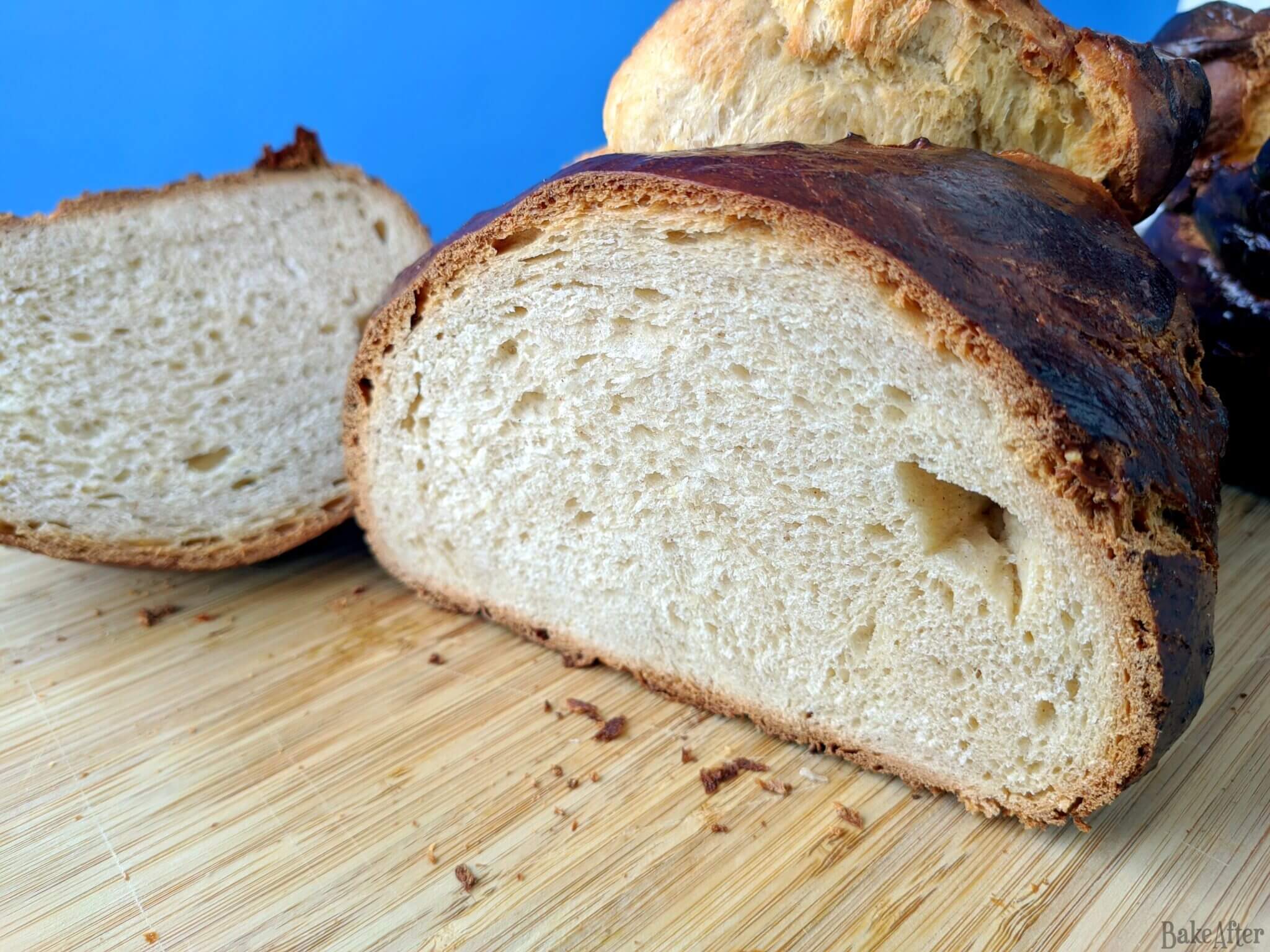
Try not to overwork the dough when shaping. I fussed with one of mine too much while trying to fix the stretch, and the bottom ended up denser and less fluffy than it should have been. Once you’ve got your shape roughly right, leave it alone!
A properly baked fogaça should have a lovely golden color all over, not dark tips on the towers. If yours are browning too quickly, consider dropping the oven temperature by one notch, say to 180 oC (350 oF), or putting some aluminium on the top to protect the breads, especially in the last stretch of baking.
If you want to get closer to the authentic look of the Festa das Fogaçeiras version, the four tower cuts should be made confidently and spread out evenly along the top. Don’t be timid with the scissors! Opening them gently halfway through baking is the step that really makes the difference for a fully cooked interior.
This bread is absolutely perfect for Easter and a wonderful change from the usual folar. If you’re sharing it on Easter Saturday, as I am, it’ll be ready to enjoy fresh with the whole family on Easter Sunday morning! ;D Also compared with a classic folar i would say this is very similar in texture but a little different in flavour a little less spiced and dense.
This recipe for Traditional Easter Sweet Castle Bread from Santa Maria da Feira • Fogaças was originally created on BakeAfter.com. Esta receita de Fogaças de Santa Maria da Feira foi publicada em português no Iguaria.com.
Nutrition
Per Serving: 403 calories; 11 g fat; 66 g carbohydrates; 9.9 g protein.Did you try this recipe?
Let me know how it turned out for you! You can leave a comment below ;D
Discover more from BakeAfter
Subscribe to get the latest posts sent to your email.