
Yeah, there is one thing that happens to basically everyone who bakes cookies at some point, you follow the recipe, its probably one you used a dozen times, everything looks normal going into the oven, and then you open the door and either your cookies have turned into thin, lacy puddles that merged into one giant cookie continent hehehe i hate it, but the kids love it! ;D Or they came out looking like little dinner rolls that barely moved at all, and you are left wondering what on earth happened?
The good news is that cookie spread is not a random thing, and it is not bad luck, well most of the times. It comes down to a pretty simple tug of war happening inside your dough the moment it hits the heat of the oven. Once you understand that tug of war, you can basically predict, and control, whether your next batch comes out thick and puffy or thin and crisp, exactly as you want it. I think its always important to remind yourself that baking is more chemistry than normal cooking and so little tweaks can make a huge difference, so let me walk you through it.
The Quick Cookie Rule
Think of your cookie dough as being pulled in two directions once it goes into the oven. On one side you have everything that makes the dough flow and spread outward, mostly melting fat and dissolving sugar. On the other side you have everything that makes the dough set and hold its shape, mostly the proteins and starches in the flour and eggs firming up as they cook.
Whichever side wins that race, and how fast it wins, decides what your cookie will look like. If the dough sets before it has a chance to flow, you get a thicker, puffier cookie. If the dough stays loose and flowing for longer before it finally sets, you get a thinner, flatter, usually crispier cookie. That is really the whole rule. Everything else is just details on how to push the balance one way or the other.
What Makes a Cookie Thicker and Puffier
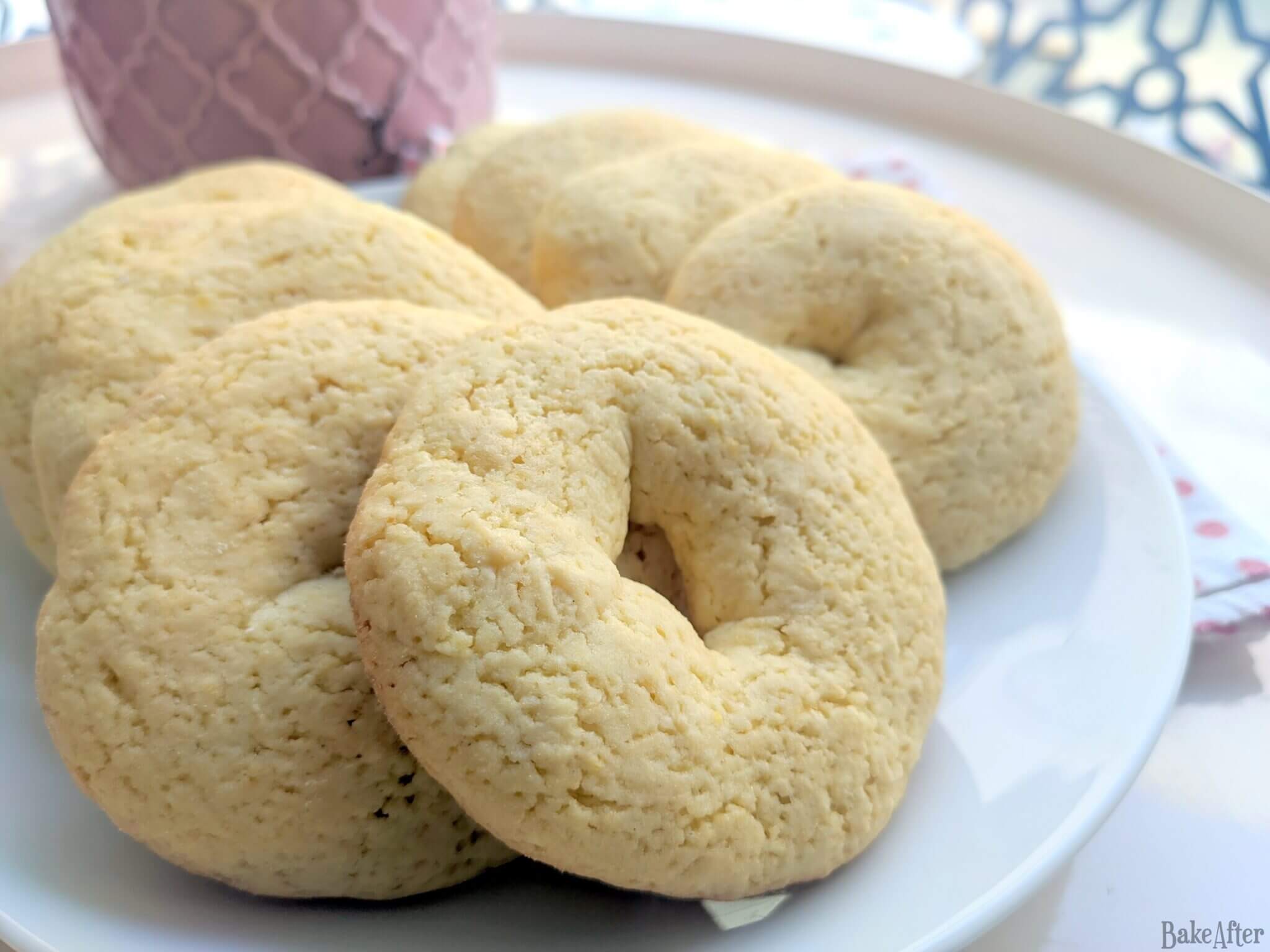
If you want your cookies to hold their shape and come out tall and soft in the middle, you want the structure side of that tug of war to win early. A few things help with that.
More flour in the dough gives you more structure to begin with, so there is simply more material to firm up and less relative fat and sugar pulling things outward. Chilling your dough, and this really matters, keeps the butter solid for longer once the cookies hit the oven, which delays the melting and buys your flour and eggs time to set the structure before the fat has a chance to spread everything out. This is also why so many recipes tell you to refrigerate the dough for at least thirty minutes, or even overnight, it is not just for flavor, it genuinely changes the shape of the finished cookie, if the cookie is cut to have a specific shape, 99% of the time it will have to be refrigerated or even frozen.
More egg, particularly egg white, adds extra protein and moisture that firms up in the oven and helps hold the cookie’s shape (remember meringues). And a cooler oven, somewhere in the 300 to 325°F (about 149 to 163°C) instead of 375°F or above (about 190°C), gives the structure more time to set before the fat fully melts, which is actually a well known trick among bakers when a recipe is spreading more than they would like, you simply drop the oven temperature and bake a little longer.
Baking powder also plays into this, though it is worth being precise about it. Baking powder is close to pH neutral and releases most of its gas gradually and later in the bake, which tends to give you a puffier, more cake like cookie with less spread. Baking soda, on the other hand, is alkaline, and that alkalinity actually weakens the dough’s structure a bit and speeds up browning, which pushes cookies toward spreading more, not less, along with giving them that classic chewy, darker edged look. So if your goal is specifically height and puff, baking powder is doing more of that work for you than baking soda is.
What Makes a Cookie Thinner and Spread Out More
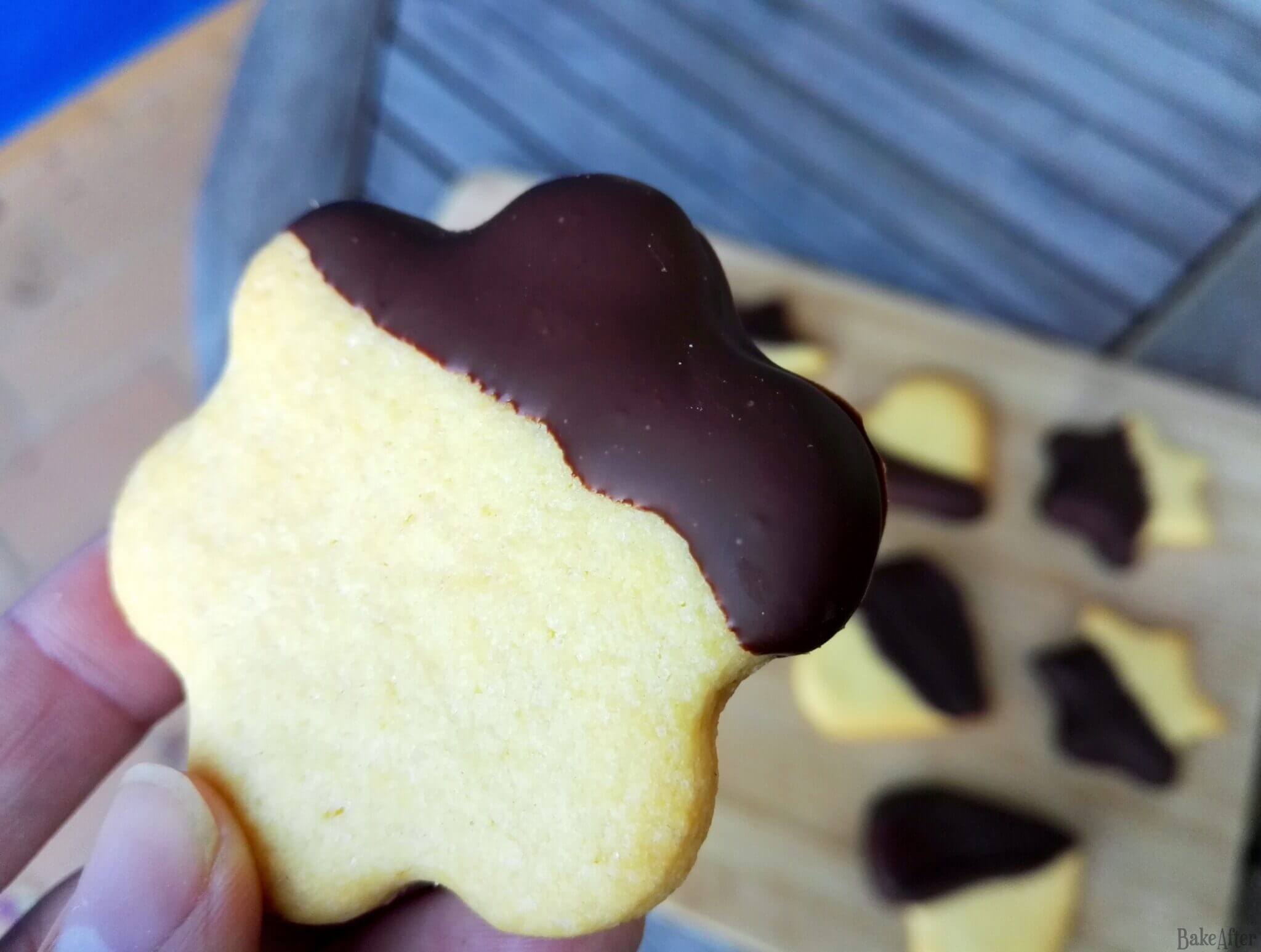
Now flip all of that around, and you get the recipe for a thin, crisp, spread out cookie. Too much butter or oil relative to the flour means there is simply more fat to melt and carry the dough outward before anything sets. Too much sugar does something similar, sugar is hygroscopic, meaning it holds onto liquid, and when it releases that liquid in the heat of the oven you get extra moisture pushing the dough to flow before the structure can catch up.
A warm dough is one of the sneakiest culprits. If your butter or dough sat out too long, or the kitchen is warm, the fat is already halfway to melting before the tray even goes into the oven, so the flow phase starts almost immediately instead of needing to warm up first. This is different from just “soft” butter, room temperature butter around 65 to 68°F (18 to 20°C) is what most recipes expect and calibrate for, but butter that has gone fully soft, greasy, or was melted and cooled is a completely different story and will spread far more aggressively.
Not enough flour, for the opposite reason of what I mentioned above, leaves too little structure to resist all that melting fat and dissolving sugar. And placing your dough balls on a hot baking sheet, one that just came out of the oven from the previous batch, or one that is heavily greased, gives the dough a head start on spreading before it even gets real oven heat, which only makes the spread that happens afterward even worse.
A Quick Sidenote on Sugar Type
This is a small detail, but it is one that trips a lot of home bakers up without them realising why. Not all sugar behaves the same way in a dough. White granulated sugar is essentially pure sucrose and does not hold onto much moisture at all, while brown sugar contains molasses, which makes it noticeably more hygroscopic, meaning it grabs and holds onto water more strongly than white sugar does.
Here is the part that surprises people, that extra moisture in brown sugar dough actually tends to make the structure set a little earlier in the bake, so cookies made mostly with brown sugar often spread somewhat less than an identical dough made with all white sugar. Where you really notice the difference between the two sugars is not so much in the spread itself, but in the texture once the cookie cools. Brown sugar holds onto that moisture even after baking, which is why brown sugar cookies tend to stay soft, moist, and a little chewy or oozy in the center days later. White sugar cookies dry out and firm up faster, which is why an all white sugar cookie tends to end up crispier and snaps more cleanly when you bite into it. So if you are chasing a specific texture, adjusting your sugar ratio is honestly one of the easiest levers to pull, more brown sugar for soft and chewy, more white sugar for thin and crisp.
Tips and Tricks with Cookies
- Always chill your dough if a recipe is spreading more than you want, even fifteen to thirty minutes in the fridge can make a real difference, and overnight is even better, lots of times to save time, i do my dough on purpose the night before, so when its time to bake its just putting it into the oven!
- For cookies, use a kitchen scale instead of measuring flour by volume. It is very easy to accidentally scoop less flour than a recipe intends, and that small shortfall is enough to throw off the whole balance.
- In the same vein, measure your leavening carefully, and remember that baking soda and baking powder are not interchangeable, one pushes toward spread and chew, the other toward puff and lift.
- Let your baking sheet cool down completely between batches, or use a second sheet, dropping dough onto a hot tray is one of the most overlooked causes of spread.
- If your kitchen is warm, keep your dough in the fridge between batches instead of leaving the whole bowl out on the counter.
- Double check that your butter is truly at room temperature and not accidentally soft or greasy, if you can see it starting to look shiny or oily, it has gone too far.
- If a favorite recipe keeps spreading more than you like, try lowering your oven temperature by 25 degrees and adding a couple of extra minutes to the bake, this alone fixes a surprising number of spread problems, remember not everyone has the same oven as you do!
And that’s really it. Cookie spread may look like a mystery until you see it as that simple race between flow and structure, once you know which ingredients and habits are pulling on which side, you can nudge your own cookies in whichever direction you actually want them to go.
Do you have a go to trick for getting your cookies exactly the way you like them? I would genuinely love to hear it on the comment section! ;D Have a great one!
Discover more from BakeAfter
Subscribe to get the latest posts sent to your email.