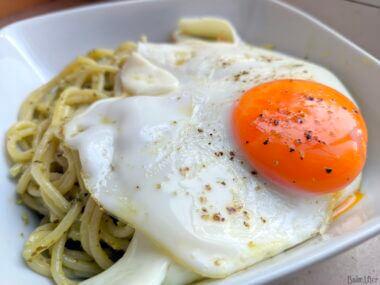

Salt is one of those ingredients almost nobody thinks twice about, we just add it, taste, add a bit more, and move on, but there’s actually a lot going on behind that habit, from why our bodies crave it in the first place, to why some dishes only need a pinch and others need a good couple of teaspoons, so let’s get into it.
Why We Add Salt to Food
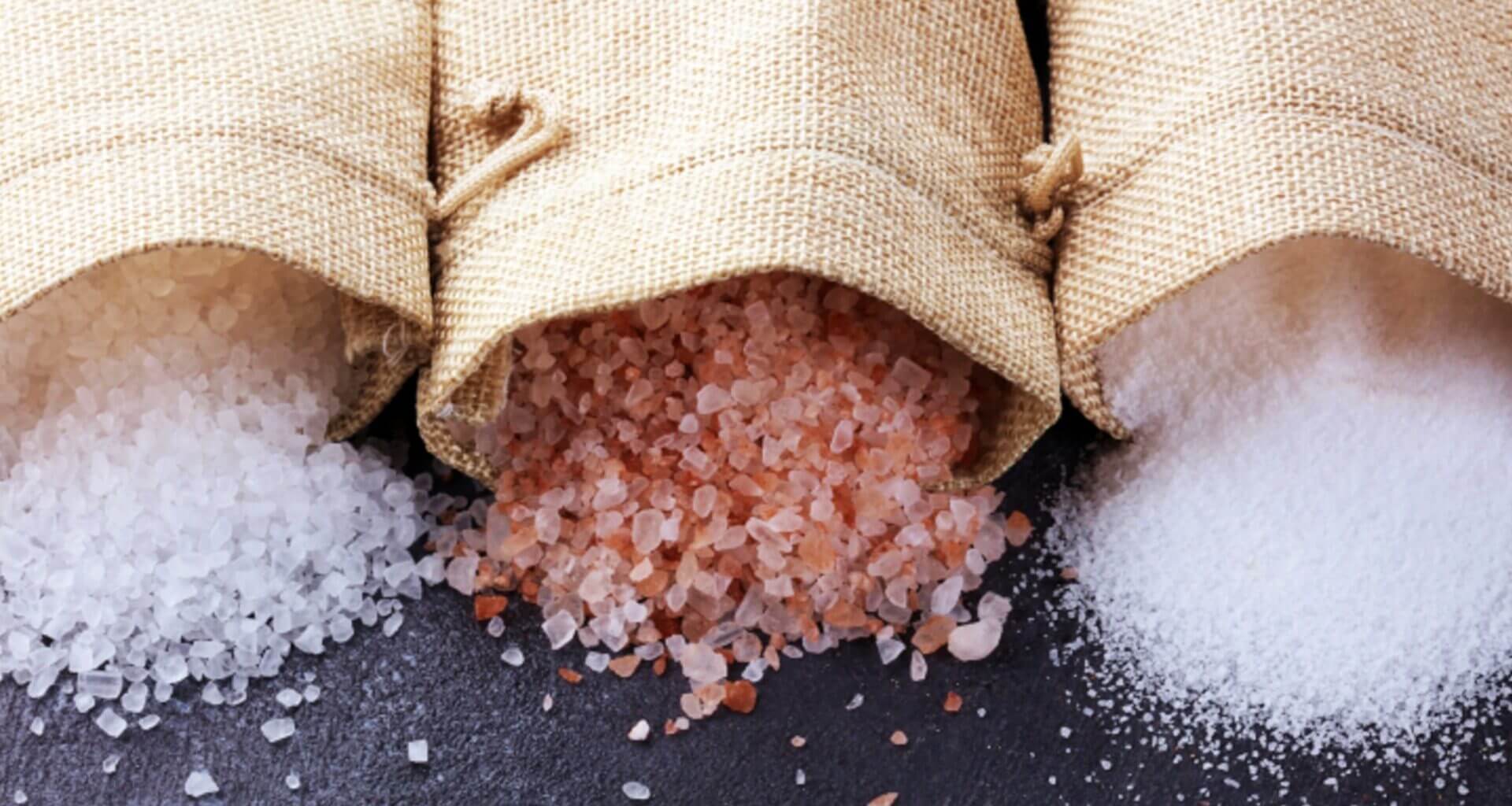
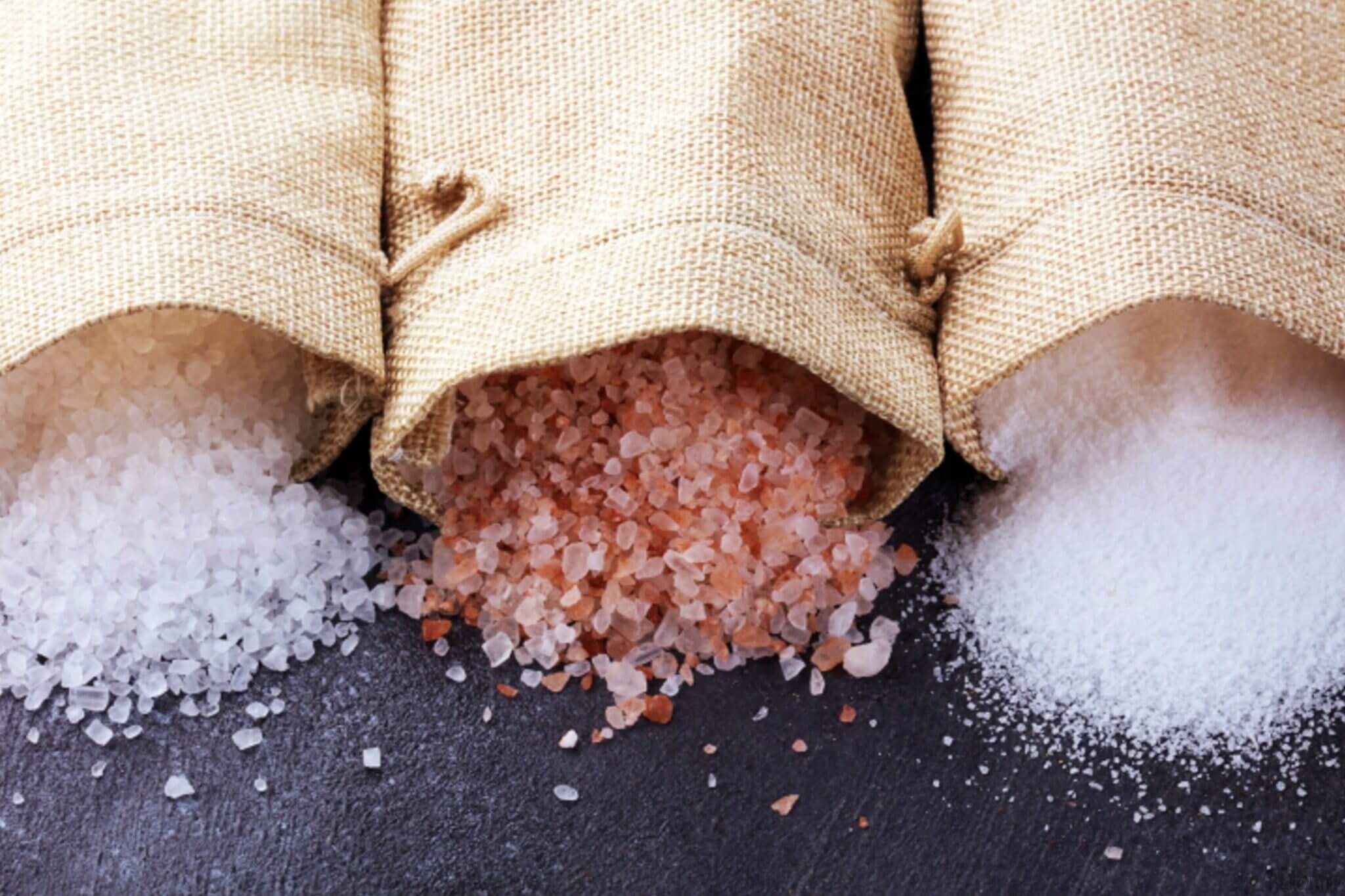
Salt is essential in cooking, few ingredients are used as universally, and there’s a good biological reason for that. Table salt is close to 99% sodium chloride, the remaining 1% is made up of other minerals or compounds that give different salts their color, taste, or texture, which is why you’ll find so many varieties on the shelf. Sodium, together with potassium, is important above all for regulating the water levels inside our cells, and that affects everything from digestion to brain function, it’s the kidneys that flush out the excess sodium, up to a point, to keep everything balanced.
That’s why we naturally have a taste for salt, but beyond our biological need, salt acts as a universal flavor enhancer. Your tongue has specialized taste receptors designed specifically to detect sodium. Crucially, salt suppresses the perception of bitterness on your palate, which allows the natural sweetness, aromatics, and savory notes of your ingredients to shine through.
Now, the pros and cons. On the plus side, salt makes food taste better by rounding out flavors, cutting bitterness, and helping other seasonings come through, it also plays a real role in food preservation, drawing water out of ingredients and making it harder for bacteria to grow, which is why it’s been used to cure meat and fish for centuries. On the downside, too much salt in your diet is linked to higher blood pressure and heart problems over time, and it’s very easy to overdo it, especially with processed and restaurant food, where salt is added generously because it’s cheap and effective at making things taste good. So the honest answer is that salt itself isn’t the enemy, it’s a wonderful and useful ingredient, the problem is quantity, and that’s really what the rest of this article is all about.

Why Sometimes It’s Just a Pinch, and Other Times It’s Teaspoons
This is where a lot of home cooks get confused, why does a recipe ask for “a pinch” of salt in one place and a full teaspoon or more somewhere else? It mostly comes down to what role the salt is playing in that specific dish.
Most of the time, salt is there to bring out the natural flavor of an ingredient without you noticing the salt itself, that’s “salt to taste” or “salt as needed”, the goal is balance, not saltiness. A pinch here is enough to lift a sauce, round out a soup, or season a plate of vegetables, you’re not trying to taste salt, you’re trying to taste the food.
Other times, salt itself is the flavor you’re going for, think of chips, pretzels, salted nuts, or the crust on a good thick steak, in these cases you want to actually notice the salt, so recipes call for more of it, and often a coarser variety that sits on the surface and gives that little crunch and contrast. This is also why baked goods, breads, and even some desserts call for a fair amount of salt mixed right into the dough or batter, it needs to season the whole thing evenly and, in the case of bread, salt even helps control how yeast behaves as it rises.
And then there’s proteins and vegetables, cooked or grilled, where the amount of salt often depends on when you add it and how much surface area needs seasoning, a big cut of meat needs a good coating of salt to season all the way through, while a delicate piece of fish might only need a light pinch right before serving. There isn’t one single rule for how much salt any dish needs, it really depends on the ingredient, the technique, and what effect you’re going for, which is exactly why “salt to taste” ends up being the most honest instruction a recipe can give you, there are too many factors and it depends on the dish and your taste.
A Quick Word on When to Salt
Just as important as how much salt you use is when you use it. In proteins like steaks or chicken breasts, salting early (at least 20 minutes before cooking) draws surface water out through osmosis. The salt dissolves in that water to form a concentrated brine, which is then reabsorbed into the meat to break down tough proteins and keep it juicy as it cooks. If you’re boiling something in water, like pasta, rice, or vegetables, it’s best to add most or all of the salt to the water itself so it seasons the food as it cooks.
Delicate proteins like fish, on the other hand, are often better salted at the end, so they stay moist and you get a cleaner hit of seasoning or you use something like rock salt on the skin before grilling, so the salt dissolves slowly while you cook and the excess salt stays in the skin of the fish. Salads should always be salted right before serving, since salt draws water out of leaves and fresh herbs quickly, leaving them limp and a bit sad if you season too early. If in doubt, a good rule of thumb is to season lightly at the start and adjust at the end, it’s not always possible, since some dishes like cakes can’t be corrected once baked, but it keeps you from making something too salty in most everyday cooking, since most of the times its better to under-season (still edible) than over-season (might not be edible anymore).
Salt Tips and Tricks
Now for the fun part, some practical tips to make the most of salt in your daily cooking, and a few tricks to save a dish if you’ve gone a little heavy on the shaker.
- Store it right. Salt doesn’t really expire, but it can clump and harden or pick up unwanted odors if it absorbs moisture. Keep it in a sealed container with a few grains of rice or a piece of absorbent paper at the bottom, this will soak up any humidity and keep your salt loose and fresh. If your salt has already turned damp and clumpy, just spread it on a tray and dry it in a low oven until it’s loose again.
- Don’t be shy with potatoes. Potatoes need a good amount of salt to taste their best, whether you’re boiling or roasting them, use coarse salt if you’re worried about overdoing it, that way you can always brush off any extra before serving.
- Match the salt to the cut of meat. For thin, quick-cooking cuts like burgers or thin steaks, salt right before they hit the hot pan so the salt helps form a crisp, caramelized crust without drawing out internal moisture. For a thick steak or roast, salt generously and let it sit in advance (about an hour per inch of thickness) so the seasoning penetrates deep into the meat before cooking.
- Brine when a protein needs help. A simple brine, about 50 grams of salt and a pinch of sugar per liter of water, is great for chicken or pork that could use a boost in flavor before cooking.
- A pinch goes a long way in desserts. A little salt in pastry and baking brings out complexity and rounds out sweetness, if your butter is already salted that’s often enough, but a sprinkle of coarse salt on top of chocolate desserts is a simple way to make the chocolate flavor pop.
- Salt can bring out sweetness too. A pinch of salt on watermelon or tomatoes cuts the bitter notes and makes the natural sweetness stand out more, the same goes for a bit of salt stirred into tomato sauce.
- Salt and eggs are good friends. A pinch in the water helps hard boiled eggs peel more easily, a little salt when poaching keeps the whites tighter and whiter.
- If a dish comes out too salty, add more of everything else. This sounds almost too simple, but diluting is often the fastest and best fix, add more vegetables to a stir fry, more broth to a soup, more rice to a dish, anything that bulks up the recipe will pull the saltiness down with it.
- Rinse or wipe it off. If you salted before cooking and it’s gone too far, sometimes shaking off coarse salt is enough, or you can rinse the food under water, pat it dry, and season again from scratch, this even works on already cooked meat, which you can then shred and use in something like croquettes, you can’t wash cooked meat and then expect it to taste good, that’s why croquettes or another dish is the best use, because you will be re-seasoning.
- Add something acidic. A splash of lemon juice, vinegar, or balsamic vinegar can mask the perception of too much salt on your palate, orange or lemon juice works the same way in sweeter dishes.
- Add spice or fresh herbs. Heat and bold spices distract the palate from excess salt, and it doesn’t need to be spicy to help, just adding stronger seasoning or a curry blend can make a difference. A handful of fresh parsley or cilantro works too, since fresh herbs bring a bit of natural brightness and acidity that competes with the salty taste.
- For sauces and soups, a bit of starch helps. Flour or another starch will absorb and mute a lot of the saltiness, just keep in mind it’ll also thicken the dish, so add a little extra liquid at the same time to keep the consistency right.
- Fat softens the blow. A couple of spoonfuls of butter or cream can completely change the flavor of an oversalted sauce, toning down how sharp the salt tastes.
- When in doubt, salt less and adjust later. This is the golden rule for anyone still getting comfortable in the kitchen, it’s always easier to add a little more salt at the end than to fix a dish that started out too salty, and it keeps the door open to taste and adjust as you go.
And that’s the whole story on salt, why we reach for it, why the amount changes so much from one recipe to the next, and how to keep it working in your favor instead of against you. If you’ve got a favorite salt trick of your own, it’s always worth sharing, since there’s always another way to save a dish that’s gone a bit too salty. Happy cooking!
Discover more from BakeAfter
Subscribe to get the latest posts sent to your email.