
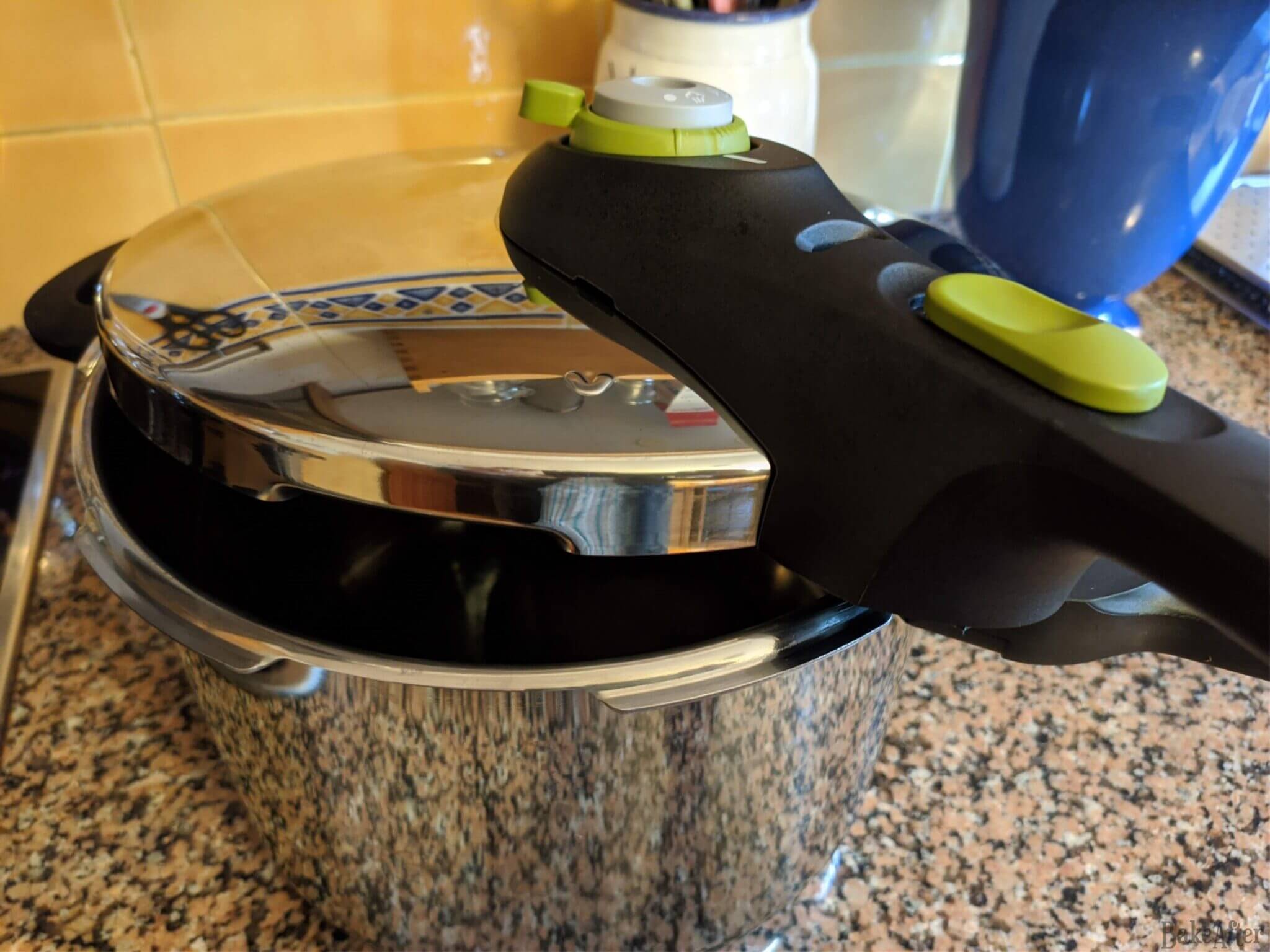
I am a firm believer that a pressure cooker is one of those essential kitchen tools, right up there with a good oven. It is so much more than just “the pot that cooks faster” or “the pot for big chunks of meat.” The same dish made in a regular pot and in a pressure cooker is just not the same thing. A piece of meat braised until tender in a regular pot is going to be drier and is going to hold onto less aroma than that same piece of meat, with the same seasonings, cooked under pressure. Cooking in a pressure cooker is not only quicker, it actually holds onto a better texture and more nutrients once it is done.
Now, that does not mean a pressure cooker is perfect for everything. Cook something delicate like fish in there and you will end up with mush. And for some sauces, that slow process of oxidizing and simmering away on the stove develops more flavor over time, while a sauce made under pressure is going to taste simpler and more straightforward, it just did not get the time to develop and reduce. Also, since you cannot open the pot mid cook, you cannot toss in ingredients that cook faster or adjust your seasoning as you go, the way you can with a regular pot.
On top of that, a pressure cooker is also a great way to cook vegetables, caramelize sugar or condensed milk, and even make certain puddings or yogurt. It really is a versatile little machine, even if it is not strictly “essential” for every cook out there.
Also yeah I know a lot of people are still a little scared of pressure cookers, so let’s start by clearing up a few of the myths before we get into the good stuff.
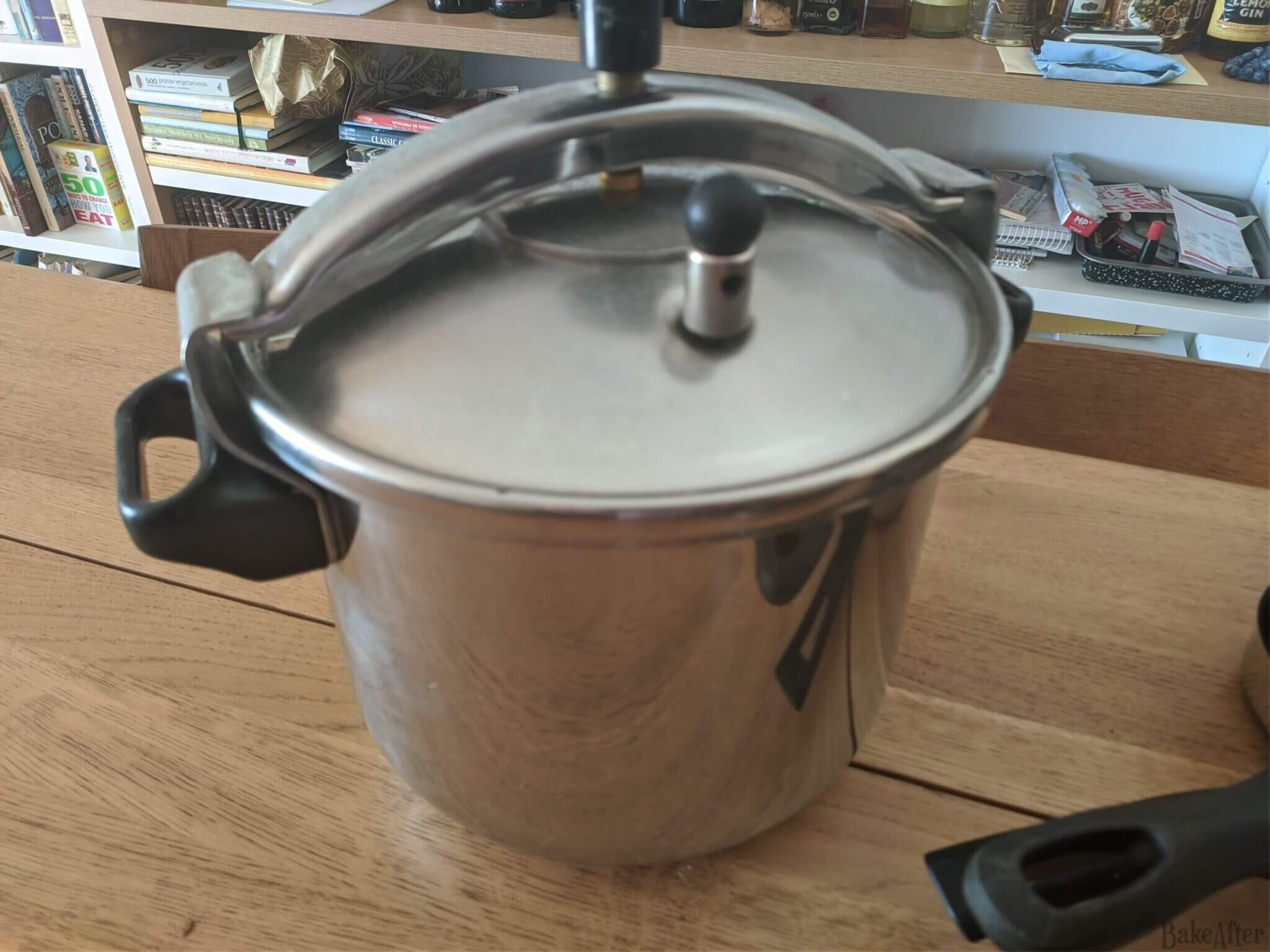
Pressure Cooker Myths
Pressure cookers explode! Yes, this did happen, especially back when pressure cookers first started selling in the 1950s. Back then, these pots only had one valve, and if for some reason you went years without cleaning it properly and it got clogged, there was nowhere for the pressure to escape, so they could explode!
Wait, so they really do explode? Not really, no. What actually happens about 99% of the time is that when the pressure has nowhere to go, a valve or a seal gives out before the pot itself does. When that happens you get scalding hot air or liquid shooting out, which is bad, but it is not going to blow up your kitchen. It is still very dangerous though, and it can absolutely burn someone badly.
So you can get burned using a pressure cooker! Yes, even today. The pressurized steam inside is very hot, and if you are not careful you can burn yourself easily. Back in the day, with the older models, it was even sometimes possible to force the lid open even while the pot was still under pressure, which is obviously extremely dangerous. These days, if you just use an oven mitt, you really should never burn yourself using a pressure cooker.
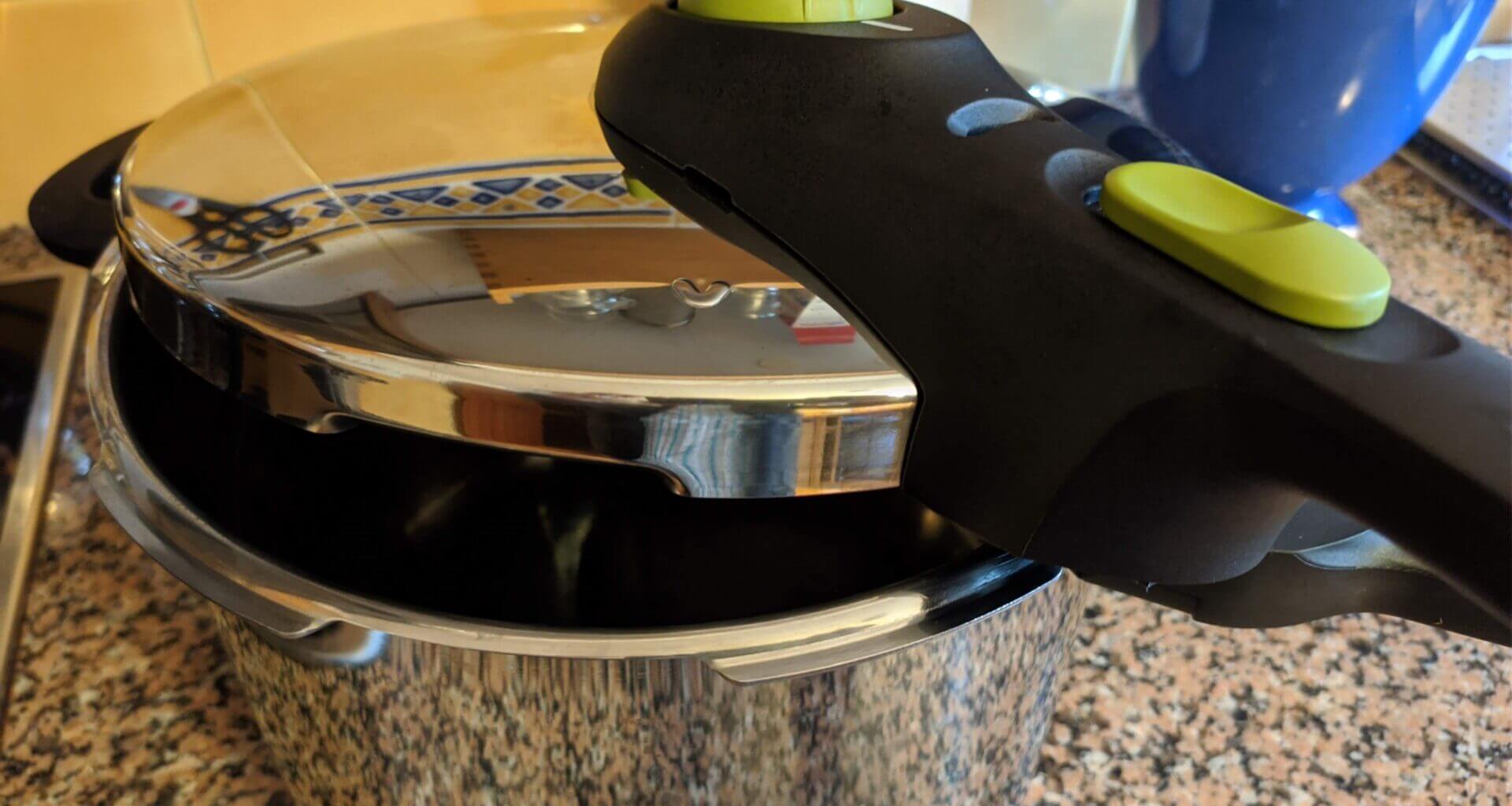
A modern pressure cooker is much, much safer. For starters, a modern pot is going to have multiple valves (mine has three valves and five separate safety systems), and the design itself will not let you open it even if you tried, it only unlocks once the pressure inside matches the pressure outside, which cuts down the risk of getting burned. On top of that, the main valve is automatic, meaning once it reaches the pressure you set, it starts releasing the additional pressure on its own. If you are cooking under pressure and ten minutes go by with no steam coming out at all, take the pot off the heat and leave it alone until it cools down completely, because something is clearly off.
So the bottom line is, even a modern pressure cooker is still an object that comes with some risk attached, but if you keep yours clean and in good shape (just read the manual) and you pay attention while you cook with it, there is really nothing to worry about. It is a bit like a deep fryer, if you are careless you can get burned or start a fire, but if you respect it, it is perfectly safe.
And honestly, my own pressure cooker is nothing fancy. Unless you go out of your way to buy a retro or vintage style model, any modern pressure cooker is going to come with all the modern conveniences and safety features built in. I would not recommend buying an old school model either, even if it has more valves, because they are a real pain to clean and the newer designs are simply more efficient and safer, also they have more spare parts like rubbers that you can easy get to change.
Once you do buy one, please read the instruction manual. It will help you get the most out of your pressure cooker and keep it properly maintained. My pressure cooker has settings for different dishes, like vegetables you should cook on a lower pressure, while meats you should cook on higher pressures.
Also after I cook, just like with my chef’s knives, my wok, or my rice cooker (some kitchen tools really are better hand washed and not left dirty for too long, it shortens their lifespan, while a good chef’s knife can last a lifetime if you treat it right), I clean the pot itself in the dishwasher like any other pan and hand wash the lid, then I open the main valve to check it is not blocked, put it back together, and that is it, I know it is completely clean good and safe to use again.
How to Actually Cook with a Pressure Cooker
Now that we have gotten the basics and the fears out of the way, let’s talk about how you actually cook with one of these things.
To cook with a pressure cooker you need some ingredients and a bit of liquid (or ingredients that have some liquid in them). A pressure cooker does not need much liquid at all, think of a stew, because in a lot of ways that is exactly what it is. You add the meat to the pot, brown it a little so the outside gets nice and golden, toss in some vegetables, a glass of wine or stock, cover, and start cooking.
The process is the same in a pressure cooker. You can brown the meat first, and all the other steps, but before you close the lid you need your ingredients, your seasonings, and a little liquid in there. If it is a piece of meat, I would say you should stick a finger into the pot, the liquid should not come up past the first knuckle, though if you are adding a big pile of vegetables you might not need as much water, it is really a judgment call.
Do not overfill the pot. Every model is a little different (which is why you should read the manual), but as a general rule of thumb, do not go past about two thirds full. So no stuffing a whole turkey in there with the lid barely closing, that is not going to cook properly and you risk clogging one of the valves.
Once everything is in, you close the lid. Modern pressure cookers will not let you build pressure at all if the gasket and the handle are not locked in place correctly. Most modern pots also come with several pressure levels, choose the one that fits what you are cooking, sweets, vegetables, and fish usually need less pressure, while a big piece of meat, something frozen, or a whole chicken needs more.
Put the pressure cooker on the stove and turn the heat up to the max and let the pressure build. After about five to ten minutes you will see steam start shooting out of the main valve, that is your cue to lower the heat to medium low. Once the pot has reached the right temperature and pressure, you do not need nearly as much heat to keep it there, which is actually one of the reasons a pressure cooker is more economical, you spend less time and less energy cooking. You will notice the steam keeps coming out, just in smaller amounts. On average, if something takes an hour on the stovetop, it will take about half that time in the pressure cooker.
Once the cooking time is up, take the pot off the heat. If you are in a hurry, you can carry it over to the sink and run cold water over the outside to bring the pressure down faster, if not, just leave the pressure cooker in the stove top for 15 to 20 minutes and it will slowly vent all the pressure. You can also open the valve, my pressure cooker has 4 settings, so i (with a oven mint, just in case!!! ;D) lower one setting, let it vent completely, then go to the next setting, until i get to the lowest setting, this way i can vent all the pressure in about 1 minute, but 90% of the time, i just leave it to lose the pressure slowly 🙂
Worst case, after you take the pressure off and you open the lid and your piece of meat needed another ten minutes under pressure to get tender. No big deal, just put it back on the stove and cook normally for 20 minutes, or close the lid and get it back up to full pressure, then lower the heat and cook for another ten minutes. It really is that simple.
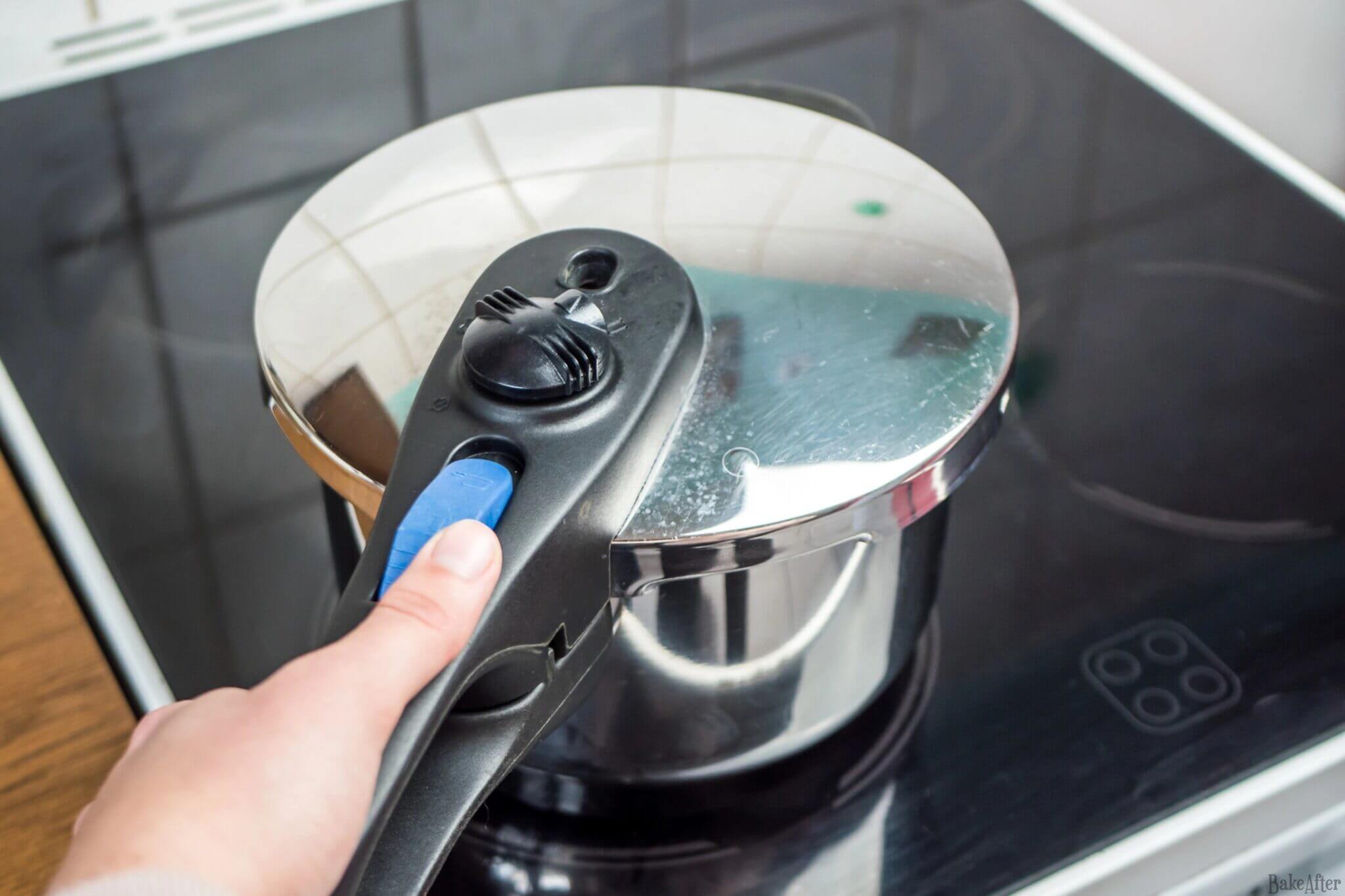
Tips and Tricks for Better Pressure Cooking
Once you get past the basics and you know how it works, here are a few tips and tricks that will actually make a difference once you are using your pressure cooker regularly.
- Check the Pressure Valve Often. The valve is one of the most important parts of any pressure cooker, so before and after every use, follow the instructions in your manual and clean it properly. It is also smart to double check it is clear before you start cooking. The good news is that on modern pressure cookers, the valves (usually one adjustable and one emergency valve) are super easy to clean. The same goes with the seal rubber, but this one its easier to know if you need another one when you see steam coming out from the sides, then its time to get another rubber seal.
- Use Whole Herbs and Spices. Ground herbs and spices lose a lot of their aroma quickly under pressure, so it is better to use fresh or whole herbs, like a sprig of rosemary, a bay leaf, or whole peppercorns, which hold onto their flavor much better through the cooking process.
- Brown Your Meat Before Cooking Under Pressure. To get more flavor out of your meat, brown the outside before it goes into the pressure cooker. That crust adds a lot of flavor to the meat itself, and it also helps build a richer sauce.
- Take Advantage of the Natural Liquid in Your Food. Pressure cookers hold onto liquid much better than other cooking methods, so you do not need to add much, and you can rely a lot more on the natural liquid already in your ingredients. It is also a great idea to add stock or wine to build a richer, more aromatic sauce.
- Cut Your Ingredients Evenly. This is not really a pressure cooker only tip, it applies to cooking in general, but since you cannot open the lid halfway through, it matters even more here. If you want a smoother, more blended sauce, cut your vegetables small so they break down. If you want something more rustic, cut them bigger so they hold their shape.
- Do Not Fill the Pot Past Two Thirds. This, along with never opening the lid while it is under pressure, are some of the most important rules with any pressure cooker. Overfill it and you risk scalding hot liquid shooting out of the valve, which is genuinely dangerous.
- Wash the Rubber Gasket Every Time. The gasket on the lid is what seals the pot, so wash it well after every use and inspect it regularly to make sure it is still flexible. Once it starts feeling stiff, cracked, or worn out, it is time to replace it. If you notice steam escaping from the sides while you are cooking, turn off the heat, let the pot lose pressure, and go pick up a new rubber gasket.
- Use the Different Pressure Settings. A lot of modern pressure cookers come with different settings, like various valve positions for cooking at different pressure levels. Read the manual and actually use them.
- Avoid Foods That Foam Too Much. Things like pasta, rice, or beans can produce foam while cooking, which can clog the safety valve. The best move is to avoid cooking these under pressure when possible, but if you have to, make sure you do not fill the pot past half full, and especially with lentils, beans, and legumes in general, adding a tablespoon of oil helps keep the foam and bubbles down.
- Use Enough Liquid. Pressure cookers rely on steam to cook your food, so they need less water than other methods, but they still need some liquid, water, stock, wine, or beer. Make sure you add at least the minimum, around one cup is usually a good amount for a piece of meat, and another good rule is to have enough liquid to just cover whatever you are cooking.
- Lower the Heat Once You Reach Pressure. Once the pot reaches full pressure, turn the heat down to whatever is needed to maintain it, no more. This keeps the contents from burning or overcooking. Remember, with a pressure cooker you are cooking with steam and pressure, not with the flame itself, the heat is just there to build and then keep that pressure. As long as it is hissing a little, you are at pressure, and low or medium low heat is usually more than enough.
- Adjust Your Cooking Times. Pressure cookers cook food much faster, so as a rough rule, cut your usual cooking time by half to two thirds. If I am not sure, I would say a big piece of meat takes about half the time, so if it normally takes an hour and forty minutes in a regular pot, it will take about fifty minutes in the pressure cooker. If it is smaller pieces of meat, like in a stew, and it normally takes an hour on the stove, I would guess around twenty five minutes in the pressure cooker.
- Release Pressure the Way the Manufacturer Recommends. I will say it one more time, read your manual and follow what the manufacturer recommends before you follow any tips from me. That said, here is the general idea, there are basically two ways to release pressure, fast or slow. Fast release works well for more delicate foods like vegetables or rice, just follow whatever your pot recommends, usually taking it off the heat and opening the valve. People used to run their pots under cold water at the sink to speed this up, and while it does work, I feel like it puts unnecessary stress on the metal and the valves, so I would just stick to what the manual says or open the valve instead.Or you can release the pressure slowly, which usually just means taking the pot off the heat and letting it lose pressure naturally, somewhere around ten to twenty minutes (depending on the pressure cooker size), then once that time is up, open the valve all the way to make sure all the pressure is really gone. Modern pressure cookers have like a color valve in mine if it’s red it has pressure if its black it has no pressure, so i can also visually see. This is usually the standard way to bring a pot down, and it is the better choice for denser foods or whenever you are not sure, since releasing slowly just means the food keeps cooking a little longer the whole time.
- Be Extra Careful Releasing Pressure on Liquid Dishes. When you are cooking something liquid or with a lot of sauce, be careful when you release the pressure. I would always recommend releasing slowly here, because dropping the pressure too fast can pull liquid right out through the valve.
- Never Use a normal Pressure Cooker for Deep Frying. Frying in a pressure cooker can be extremely dangerous, since superheated oil under pressure can cause serious accidents. I know it is technically possible, but it is a genuinely bad idea, there is a reason pressure cooker deep fryers exist, specifically for that job.
- Do Not Be Afraid to Pause Mid Cook. If you are not sure about something, or say you have a big piece of meat and you want to add potatoes closer to the end, there is no harm in pausing, releasing the pressure, adding what you need or checking how the meat is doing, taste the sauce, and closing it back up to bring it back to pressure and finish cooking.
- If It Needs a Little More Time, Just Finish It Like a Regular Pot. If you release the pressure and notice it needs a bit more cooking, or you need to reduce the sauce, do not bring it back up to pressure. Just let it simmer like a normal pot until everything is exactly where you want it.
- Finish Bigger Cuts Under the Broiler. With a large piece of meat, you can sometimes take it out of the pressure cooker, pat it dry with a paper towel, and run it under the broiler for a few minutes to brown the outside a little more before seasoning it again. It makes a real difference.
- Clean It Properly Every Time. Since a pressure cooker is a bit more delicate than your average pot, much like a good knife, it is worth cleaning it carefully and drying it fully before putting it away. That alone will keep your pot working well for years and years.
Foods Worth Trying in a Pressure Cooker
- Homemade Stock Made Easy. A pressure cooker is perfect for homemade chicken, beef, or vegetable stock, you will have a rich, flavorful stock in no time, pulling all the nutrients out of the bones and vegetables. One thing worth noting, it is always best to start your stock with the lid off, so that as it heats up you can skim off the foam and the less appealing bits that float to the top, then close the lid and bring it to pressure, that way you avoid building up that scummy foam inside the pot.
- Less Liquid in Soups and Stews. Since a pressure cooker holds onto more liquid than other methods, you can cook with less water (and adjust it to taste afterward), which gives your soup, broth, or stew a thicker, fresher, more flavorful texture.
- Cheaper Cuts of Meat. A pressure cooker is ideal for turning tougher, less expensive cuts of meat, like chuck or shoulder, into something tender and juicy in a fraction of the time. This is honestly one of the things a pressure cooker does better than almost anything else.
- Wine, Beer, or Stock Instead of Water. To bring out more flavor when cooking meat or seafood, try swapping plain water for wine, beer, or stock, it adds a lot more aroma and makes the final dish much richer, this one works with a pressure cooker or any old pot 😛
- Vegetable Purees Made Right in the Pot. Cook vegetables like potatoes, carrots, or squash in the pressure cooker, then, right there in the same pot, use an immersion blender to turn them into a puree, or mash them if it is potatoes. Quick and delicious, perfect for light meals for little children.
- Rice in the Pressure Cooker. Especially if you are making a big batch, a pressure cooker will give you an incredibly tender rice. The only adjustment is to use a little less water, roughly one part rice to one and a quarter parts water, and cut your usual cooking time in half, so if it normally takes ten minutes, give it about five under pressure.
- A Concentrated Tomato Sauce. Cook tomatoes with garlic, onion, and herbs in the pressure cooker for about ten minutes (tomatoes need around ten minutes to cook through, and that same time also helps concentrate the sauce a bit more). The result is a deeper, more concentrated tomato sauce, perfect for pasta or even pizza.
A Few More Tips Before You Go
Before I let you go, here are a handful of extra things I have picked up over the years that are worth keeping in mind.
- Buy a good pressure cooker. A vintage model has its charm, but a modern one is simply better and safer. Once you own one, get into the habit of checking the gasket and the seals regularly, if you notice steam escaping from somewhere it should not, that is usually your sign it is time for a new gasket.
- If your meat is frozen, skip the browning step and just start cooking under pressure right away, browning frozen meat does not really do much for the meat.
- You do not always have to use plain water. Stock, wine, or beer will make whatever you are cooking taste better, and it costs you nothing extra to use it instead.
- And finally, do not be shy about experimenting a little. Once you get comfortable with the basic process, adjusting liquid, pressure level, and time, a pressure cooker turns into one of the most useful tools in your kitchen, not just for stews and big cuts of meat, but for stocks, rice, sauces, and a lot more besides.
I hope this was helpful, happy cooking, and see you next time!
Discover more from BakeAfter
Subscribe to get the latest posts sent to your email.