
Humm, this is one of those questions that comes up in basically in every kitchen, how long does chicken actually need to be in the oven? You throw a couple of thighs in, or a whole bird, and you’re never quite sure if 30 minutes is enough or if you’re about to serve something raw in the middle. The truth is that chicken in the oven isn’t a one size fits all thing, it depends a lot on what part you’re cooking, how big it is, and honestly, what result you’re going for.
So let’s break this down calmly, because there’s a bit more nuance here than “just put it in for 40 minutes and hope for the best.”, but if you just need the times, then skip the chat and go to the table ;D
Two Ways to Get Good Chicken Out of the Oven
Before we get to the table, it helps to understand that there are multiple ways to cook chicken, but really for a home cook its best to just stick to the two more common ways, and they lead to two different kinds of chicken dishes.
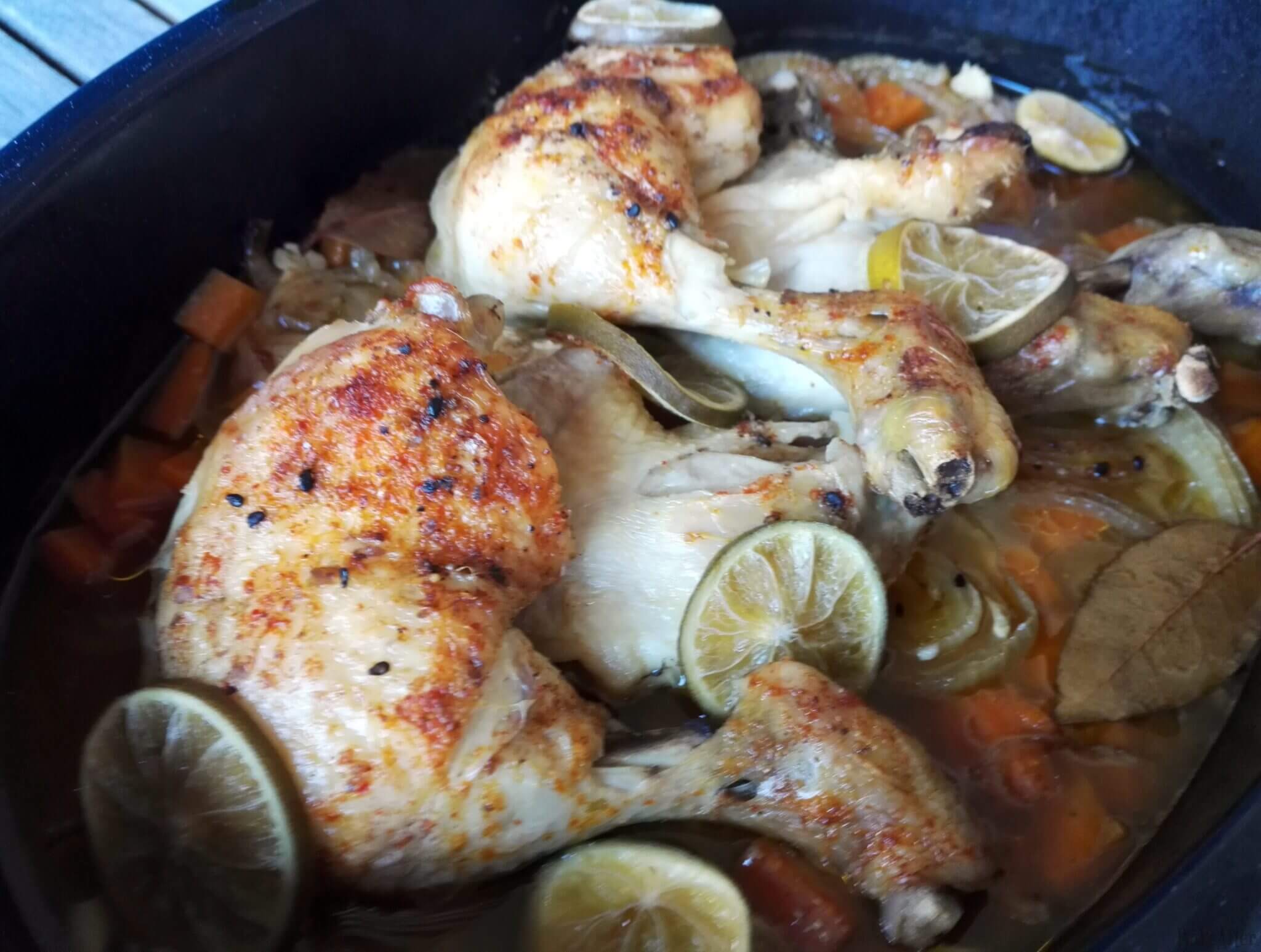
The first path is all about staying moist. If what you want is chicken that’s tender and juicy all the way through, the trick is to protect it from the direct, dry heat of the oven for most of the cooking time. Wrap it in foil, or cook it in a covered dish or pot, so the chicken essentially steams in its own moisture instead of drying out under the oven’s heat. Then, only in the last stretch of cooking, you take the cover off and let the exterior brown properly. That last uncovered stretch is what gives you that contrast everybody loves, juicy on the inside, with a crispy, golden skin on the outside. This method works particularly well for a whole chicken or bigger cuts, where drying out is the real risk.
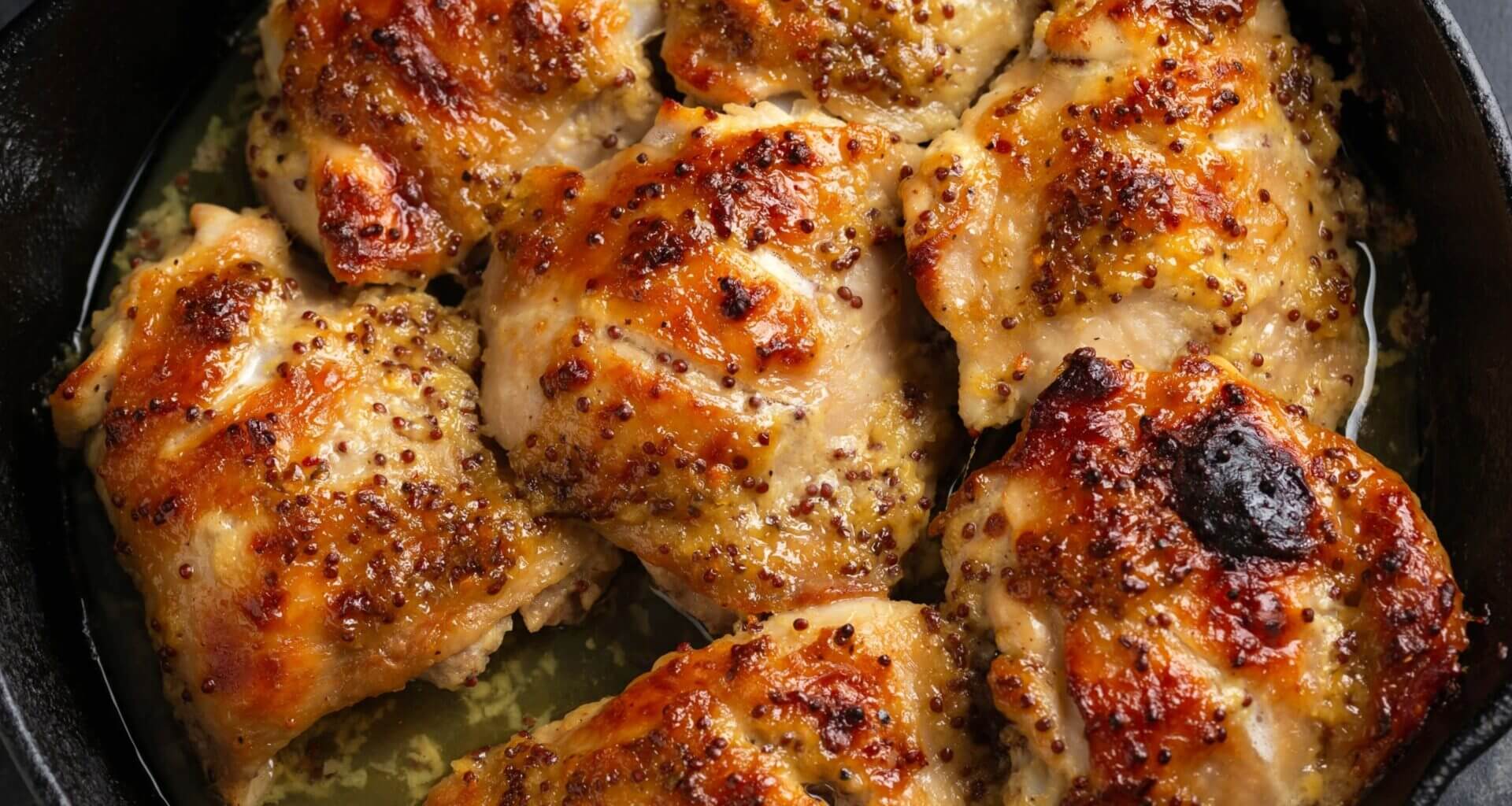
The second path is more about building flavor on the outside. If what you’re after is a more classic roasted, caramelized chicken, with the skin doing a lot of the work flavor wise, then you leave the chicken open in the oven from the start, usually spread out or cut into pieces so the heat reaches everything evenly. The catch here is that open, uncovered chicken loses moisture much faster, so you need to open the oven roughly every 10 minutes and baste it, spooning the juices and fat that collect in the pan back over the chicken. This keeps the surface flavorful and stops it from drying out too much while it roasts, and it’s the classic approach for a roasted whole chicken with crispy skin, or for pieces you want well browned all over.
Neither method is “better” than the other, it really comes down to what you want on the plate. Covered and finished uncovered gives you the juiciest result with the least effort. Open and basted gives you more color and more concentrated flavor on the skin, but it asks a bit more attention from you along the way.
How Long Does Chicken Actually Take in the Oven?
Now, for the part everybody actually wants, here’s a table with average cooking times for chicken in the oven at 180°C (about 350°F), which is the standard roasting temperature for most cuts and whole birds. Keep in mind these are averages, ovens vary, and the true test is always the internal temperature of the meat, not the clock.
| Chicken or Fowl | Average Weight | Oven Temperature | Oven Time |
|---|---|---|---|
| Whole chicken, small | 1 to 1.2 kg (2.2 to 2.6 lb) | 180ºC (350°F) | 65 to 75 minutes |
| Whole chicken, medium | 1.3 to 1.5 kg (2.9 to 3.3 lb) | 180ºC (350°F) | 75 to 90 minutes |
| Whole chicken, large | 1.6 to 1.8 kg (3.5 to 4 lb) | 180ºC (350°F) | 90 to 100 minutes |
| Whole chicken, extra large | 1.9 to 2.1 kg (4.2 to 4.6 lb) | 180ºC (350°F) | 105 to 115 minutes |
| Whole chicken, large farm bird | 2.2 to 2.5 kg (4.9 to 5.5 lb) | 180ºC (350°F) | 115 to 130 minutes |
| Chicken breast, boneless | 170 to 225 g (6 to 8 oz) | 180ºC (350°F) | 20 to 30 minutes |
| Chicken thighs, bone in | 140 to 200 g (5 to 7 oz) | 180ºC (350°F) | 35 to 45 minutes |
| Chicken legs (drumsticks) | 110 to 170 g (4 to 6 oz) | 180ºC (350°F) | 30 to 40 minutes |
| Chicken wings | 85 to 115 g (3 to 4 oz) | 180ºC (350°F) | 20 to 30 minutes |
| Whole duck | 2 to 2.5 kg (4.5 to 5.5 lb) | 180ºC (350°F) | 90 to 120 minutes |
| Duck breast | 170 to 225 g (6 to 8 oz) | 190ºC (375°F) | 15 to 20 minutes |
| Whole quail | 110 to 170 g (4 to 6 oz) | 200ºC (400°F) | 20 to 25 minutes |
| Whole turkey breast (bone in) | 1.8 to 2.7 kg (4 to 6 lb) | 165ºC (325°F) | 90 to 130 minutes |
| Whole small turkey | 4.5 to 5.5 kg (10 to 12 lb) | 165ºC (325°F) | 2.5 to 3 hours |
| Whole guinea fowl | 1.1 to 1.4 kg (2.5 to 3 lb) | 180ºC (350°F) | 75 to 90 minutes |
A quick note on the bigger birds, duck and larger farm chickens especially, the skin holds a much thicker layer of fat than a regular supermarket chicken, so it’s worth pricking the skin lightly before roasting, this helps that fat render out and drip away instead of pooling under the skin, and it’s also part of why duck does so well cooked uncovered with regular basting.
How Do You Know When the Chicken Is Actually Done?
Time alone can only get you so far, because ovens run differently, and the exact size and shape of the piece changes things too. The real answer is internal temperature. Once the chicken hits the right number inside, it’s done, no guesswork needed.
- White meat (breast) should reach an internal temperature of 74ºC (165°F).
- Dark meat (thighs, legs, wings) is best around 79 to 82ºC (175 to 180°F), it stays tender and isn’t rubbery at this range, unlike white meat which is at its best right at 74ºC (165°F) and no higher.
- Whole birds should be checked at the thickest part of the thigh, without touching the bone, since bone reads hotter than the meat around it.
Yes, poking the meat with a thermometer does let a little moisture escape, but that small loss is nothing compared to the risk of serving undercooked chicken, or drying it out because you left it in “just to be safe.” A meat thermometer is honestly the single most useful tool you can have for this.
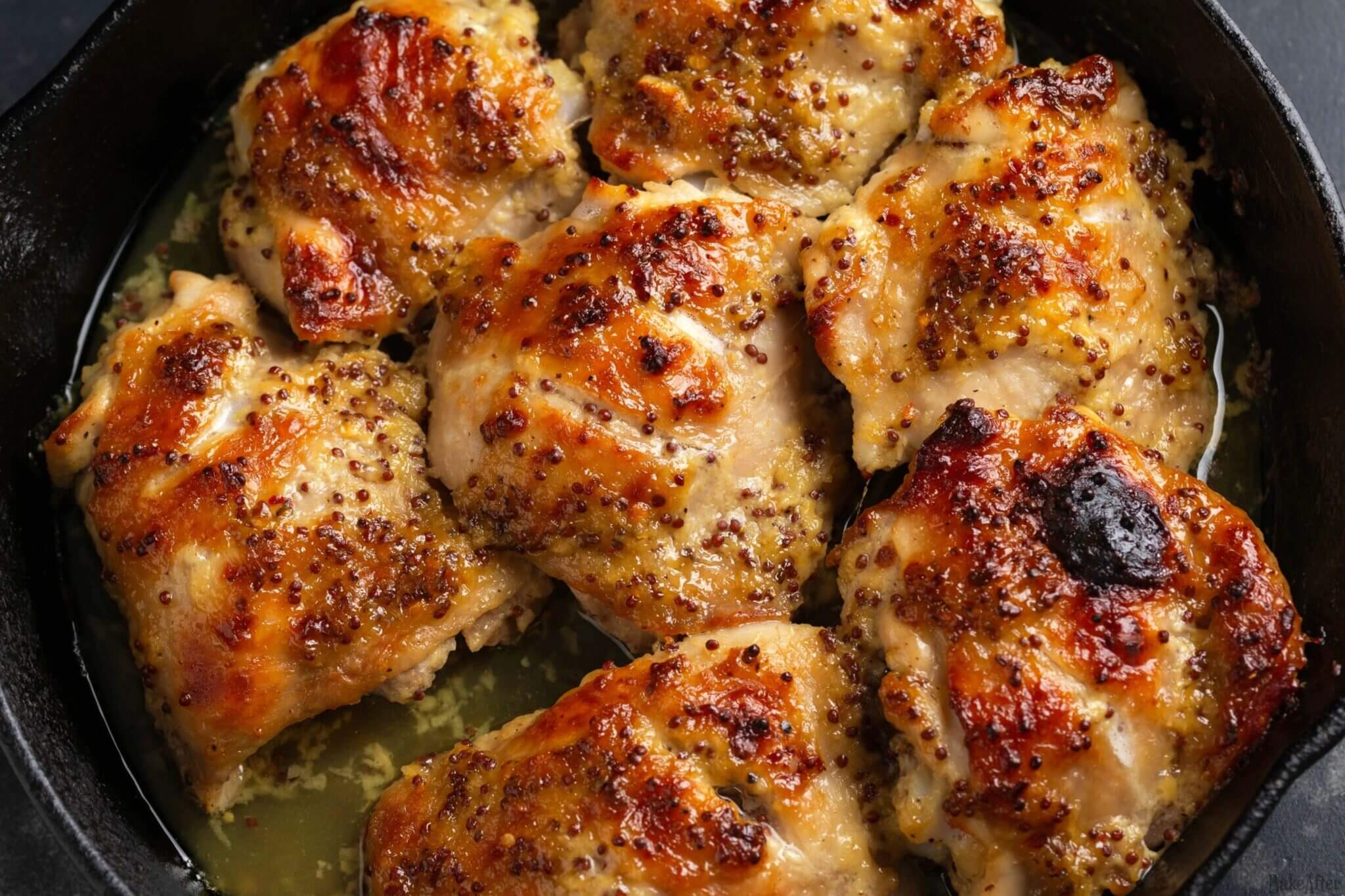
Tips and Tricks to Roast Chicken
- White meat cooks noticeably faster than dark meat. If you’re roasting a whole bird, this is exactly why the breast can dry out while the thighs are still not quite there, keeping the skin on and basting regularly helps protect the breast during that extra time the legs need.
- If you’re cooking pieces separately, it’s often easier to cook breasts on their own, apart from legs and thighs, this way everything finishes at the same time instead of you having to choose between undercooked dark meat or overcooked white meat.
- Always let chicken come closer to room temperature before it goes in the oven, and never start with it still frozen, cooking from frozen leads to uneven results almost every time, dry on the outside and undercooked in the middle.
- A golden, browned exterior is not proof that the chicken is done inside, if the oven is too hot, the outside will color before the inside is properly cooked. Medium heat gives you time to brown the surface while the inside catches up.
- For extra crispy skin, pat the chicken dry with paper towels before it goes in the oven, and raise the temperature for the last 10 to 15 minutes of cooking.
- If you’re short on time, cutting a whole chicken into pieces before roasting cuts the cooking time down significantly compared to roasting it whole.
- Let the chicken rest for 5 to 10 minutes after coming out of the oven, this allows the juices to settle back into the meat instead of running out the moment you cut into it.
- If you don’t have a thermometer the best way to know if chicken is cooked, it stabbing with a knife to the deepest part and seeing the liquid, if it comes out clear, it means juicy chicken, if it doesn’t come anything its already overcooked, if it comes out bloody it means the inside is still raw.
- Never rinse raw chicken under the tap before cooking, this doesn’t remove bacteria, it just splashes it around your sink and countertop.
And that’s it, hope this was useful and if you have any questions, feel free to add them to the comments, have a great day!
Discover more from BakeAfter
Subscribe to get the latest posts sent to your email.