
Another day, another chart. I actually like charts hehehe, you never know when these things can be useful. Even right now just reading this quickly can give you a rough idea of how long a product lasts in the freezer. And if you are thinking this will help with that forgotten something at the bottom of the freezer, ahhhhh probably not, you should always write the date on food if you’re going to leave it there a while ;D
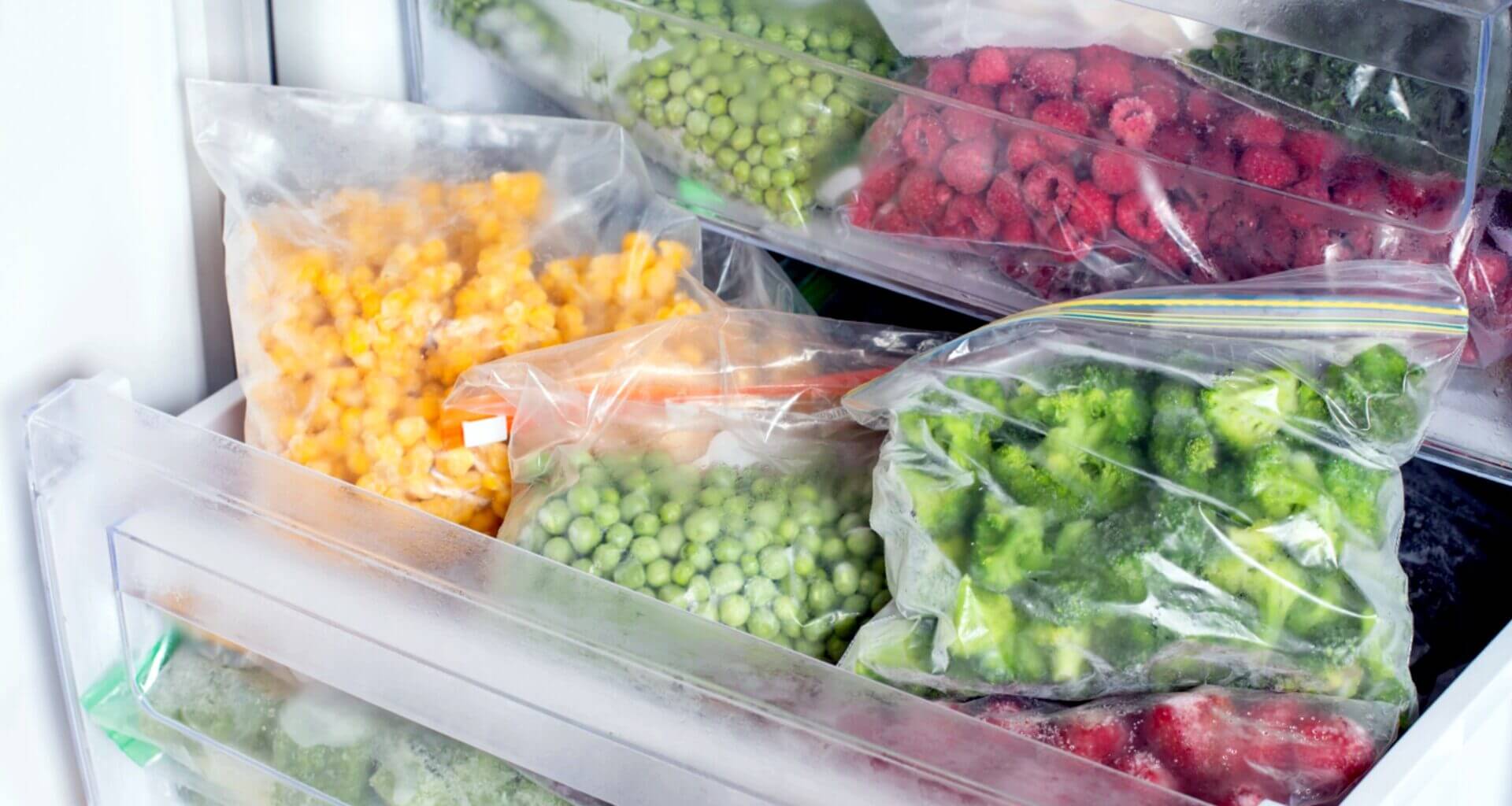
It’s not hard to manage your freezer, you buy something because it’s on sale, or you’ve got way too much meat and don’t want to cook it all now. Best move is to separate it into portions and label it. Then you know whether it’s been sitting there six days or six months, use sharpies!
Because we’ve all been there, staring at a frost-covered package, thinking, hmm, is this still edible? So here’s what matters. If food was frozen properly, or bought frozen, it’s always going to be safe. If it didn’t have time to get contaminated or spoil before freezing, the issue isn’t about safety. It’s about quality.
Food kept below -18°C, which is the 3-star setting on your freezer, won’t grow bacteria. What happens is it slowly degrades. Freezing is rough on food. You’ve probably noticed water expands when it freezes. Most foods are full of water, and when that water expands inside a steak, a fillet of fish, a handful of green beans, it tears things apart at the cellular level. The texture suffers.
So you don’t need to worry about getting sick. You need to worry about whether that steak is going to taste like a steak or like a damp sponge with very little nutrition. That’s what these storage times are about, how long food can sit in the freezer before it starts losing the qualities that made you buy it. Can you eat it after that time? Sure, most of the times, but it might not be that great.
Think about ground beef. It’s cut meat into very tiny pieces, but it’s basically steak. Run it through the grinder once, perfect texture. Grind it twenty times, you’ve got paste with a horrible texture. Still perfectly safe to eat. The freezer does the same thing, just in slow motion. Every month that passes, the food loses a little more of itself, not only in texture and taste but also nutrition.
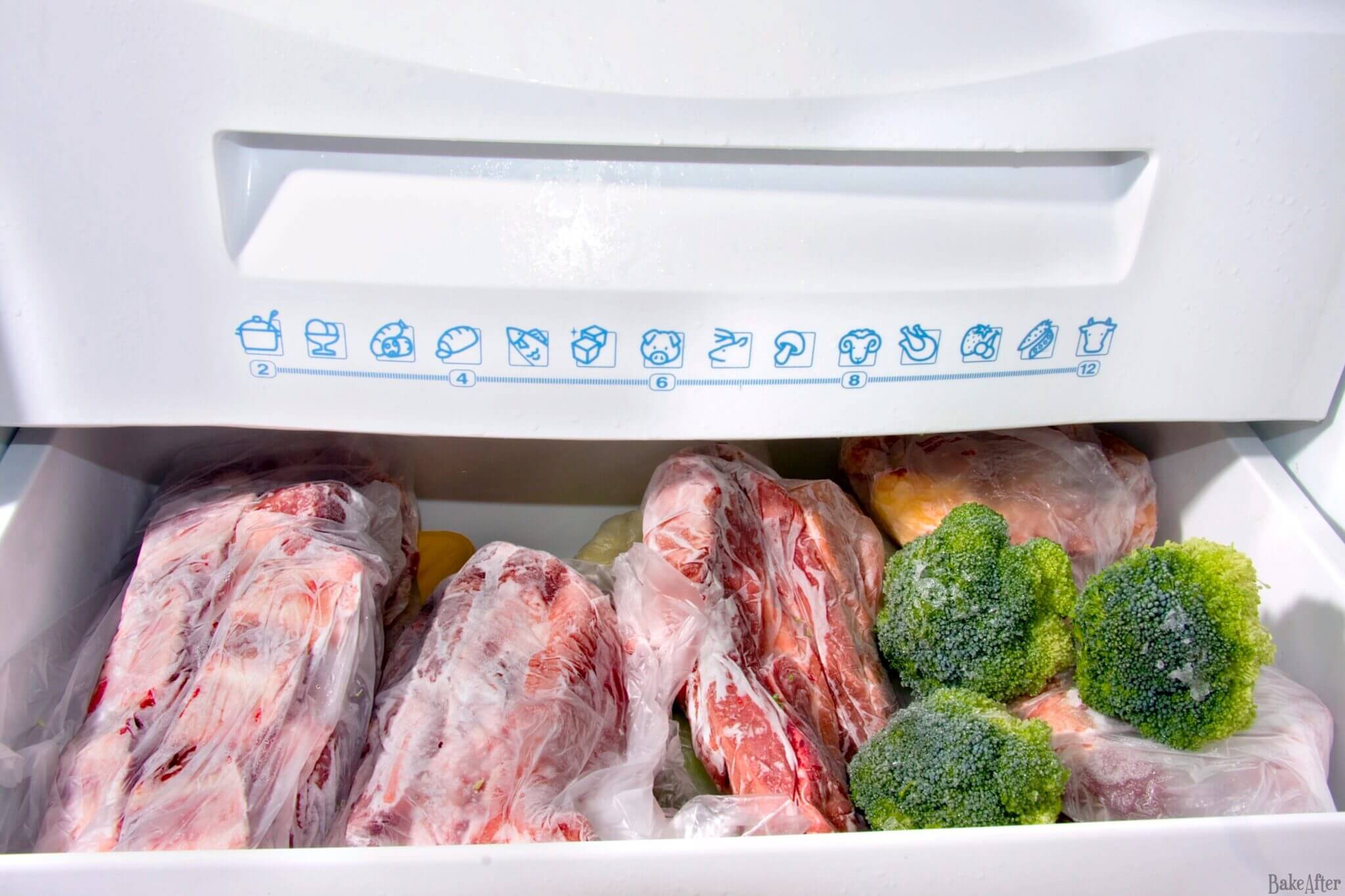
So below are good practical limits, of how long most foods keep their best qualities before the freezer starts literally burning them.
Cooked Proteins
| Food | Fridge (35–40 °F) | Freezer (0 °F) |
|---|---|---|
| Ground meat | 3 days | 1–2 months |
| Steaks, roasts, whole chicken | 3 days | 2–6 months |
| Fish | 3 days | 1–2 months |
| Hard-boiled eggs | 1 week | Not recommended |
| Hot dogs | 2 weeks | 1–2 months |
Raw Proteins
| Food | Fridge (35–40 °F) | Freezer (0 °F) |
|---|---|---|
| Ground meat | 1–2 days | 3–4 months |
| Beef steaks, roasts | 3–5 days | 4–12 months (bigger cuts last longer) |
| Chicken pieces | 1–2 days | 9 months |
| Whole chicken | 1–2 days | 12 months |
| Fatty fish (salmon, mackerel) | 1–2 days | 3 months |
| Lean fish (cod, tilapia) | 1–2 days | 8 months |
| Eggs in shell | 3–5 weeks | Not recommended |
| Egg whites | 3–5 weeks | 12 months |
| Bacon | 1 week | 1 month |
| Tofu | 1 week | 5 months |
Vegetables
| Food | Fridge (35–40 °F) | Freezer (0 °F) |
|---|---|---|
| Tomatoes | 2–3 days | 2 months |
| Winter squash | 1 week or more | 10–12 months |
| Potatoes | 1–2 weeks | 10–12 months (best as mashed) |
| Bell peppers | 4–7 days | 6–8 months |
| Onions | 1–3 months | 10–12 months |
| Mushrooms | 2–3 days | 10–12 months |
| Lettuce | 3 days–2 weeks | Not recommended |
| Fresh herbs | 7–10 days | 1–2 months |
| Garlic | 1–2 weeks (1 month unrefrigerated) | 1 month |
| Celery | 1–2 weeks | 10–12 months |
| Carrots | 3 weeks | 10–12 months |
| Cabbage | 1–2 weeks | 10–12 months |
| Beets | 7–10 days | 10–12 months |
| Green beans | 3–4 days | 8 months |
| Asparagus | 3–4 days | 8 months |
Note: Most vegetables need a quick blanch in boiling water, then an ice bath, before freezing. Skip this and they’ll turn to mush after you defrost them.
Fruit
| Food | Fridge (35–40 °F) | Freezer (0 °F) |
|---|---|---|
| Apples | 1–3 weeks | 8 months (cooked) |
| Apricots | 2–3 days | Not recommended |
| Bananas | 1–2 days | 1 month (peeled) |
| Berries | 1–2 days | 4 months |
| Citrus | 3 weeks | Not recommended |
| Grapes | 1 week | 1 month |
| Fruit juice | 6 days | 8 months |
| Melon | 1 week | 1 month (cubed) |
Note: Most fruit needs a quick dip in lemon juice or a light syrup to keep color and texture before freezing, also some fruits don’t freeze well like watermelon.
Dairy
| Food | Fridge (35–40 °F) | Freezer (0 °F) |
|---|---|---|
| Butter | 1–3 months | 6–9 months |
| Soft cheese (brie, ricotta) | 1 week | 6 months |
| Cream cheese | 2 weeks | Not recommended |
| Hard cheese (cheddar, parmesan) | 3–4 months | 6 months |
Quick Freezing Tips
- Label everything. A Sharpie and masking tape cost pennies; and it’s easy.
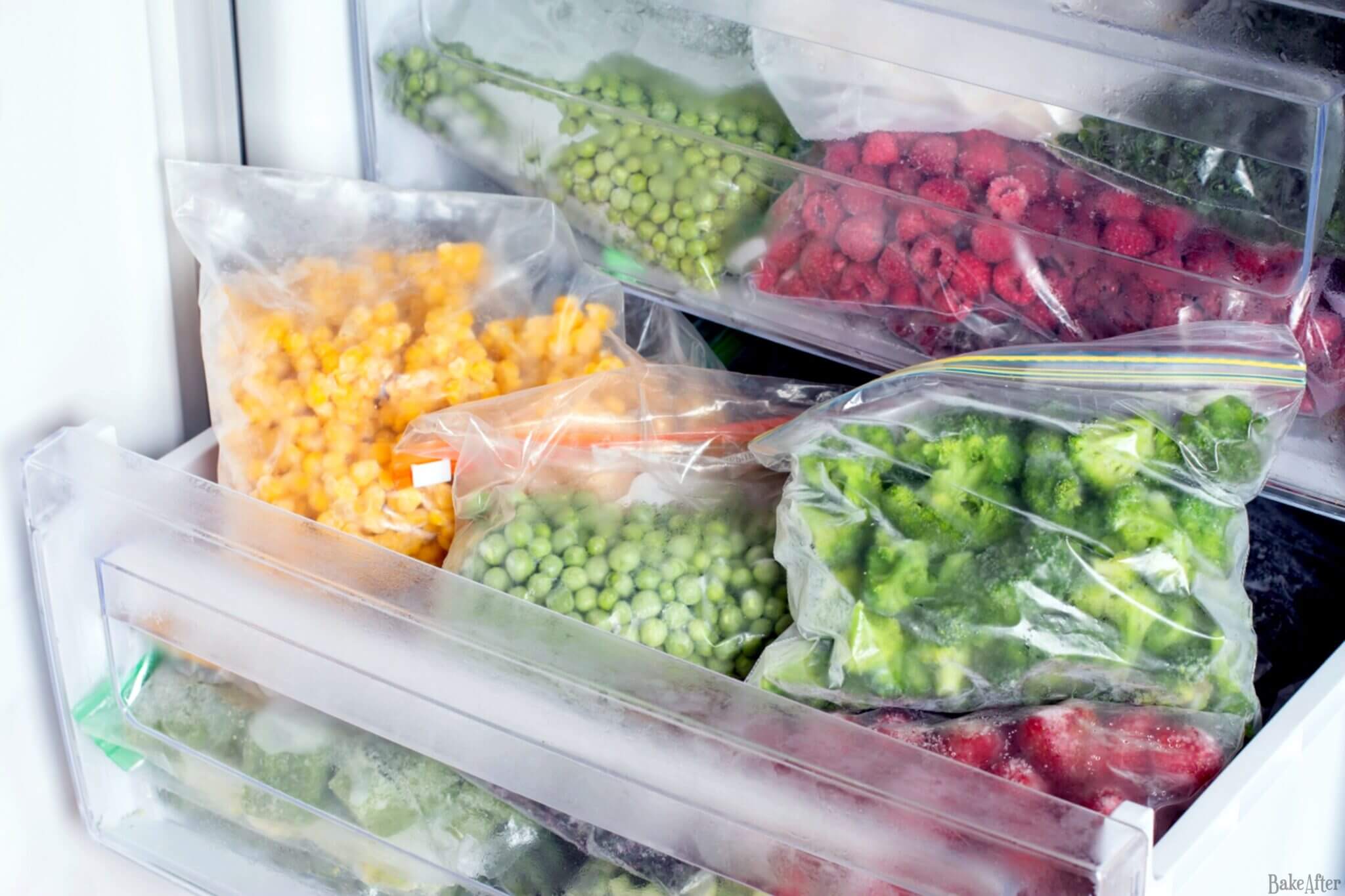
- Portion first. Freeze in meal-sized bags so you only thaw what you need, when you need it.
- Blanch vegetables. Drop them in boiling water for 2–3 minutes, then plunge into ice water. Drain, dry, and freeze. Texture stays closer to fresh, lots of already frozen vegetables were blanched first.
- Flatten bags. They stack better and thaw faster.
- Keep the freezer full. A packed freezer runs more efficiently than an empty one. If yours is half-empty, fill large water bottles with water (don’t overfill) and use them as ice blocks.
- Don’t refreeze raw meat. Once thawed, cook it or toss it. The texture suffers, and bacteria can wake up. If you really can’t eat it, then cook and freeze the cooked meat…
- Smell test still applies, it’s always applies. If it smells off after thawing, trust your nose over my charts.
And that’s it. No grand finale, hehehe just a quiet reminder that the freezer is a tool, not a time machine. Use it well, and you’ll waste less. Forget about it, and you’ll end up with a mystery brick that even the dog side-eyes. ;D Until next time!
Discover more from BakeAfter
Subscribe to get the latest posts sent to your email.