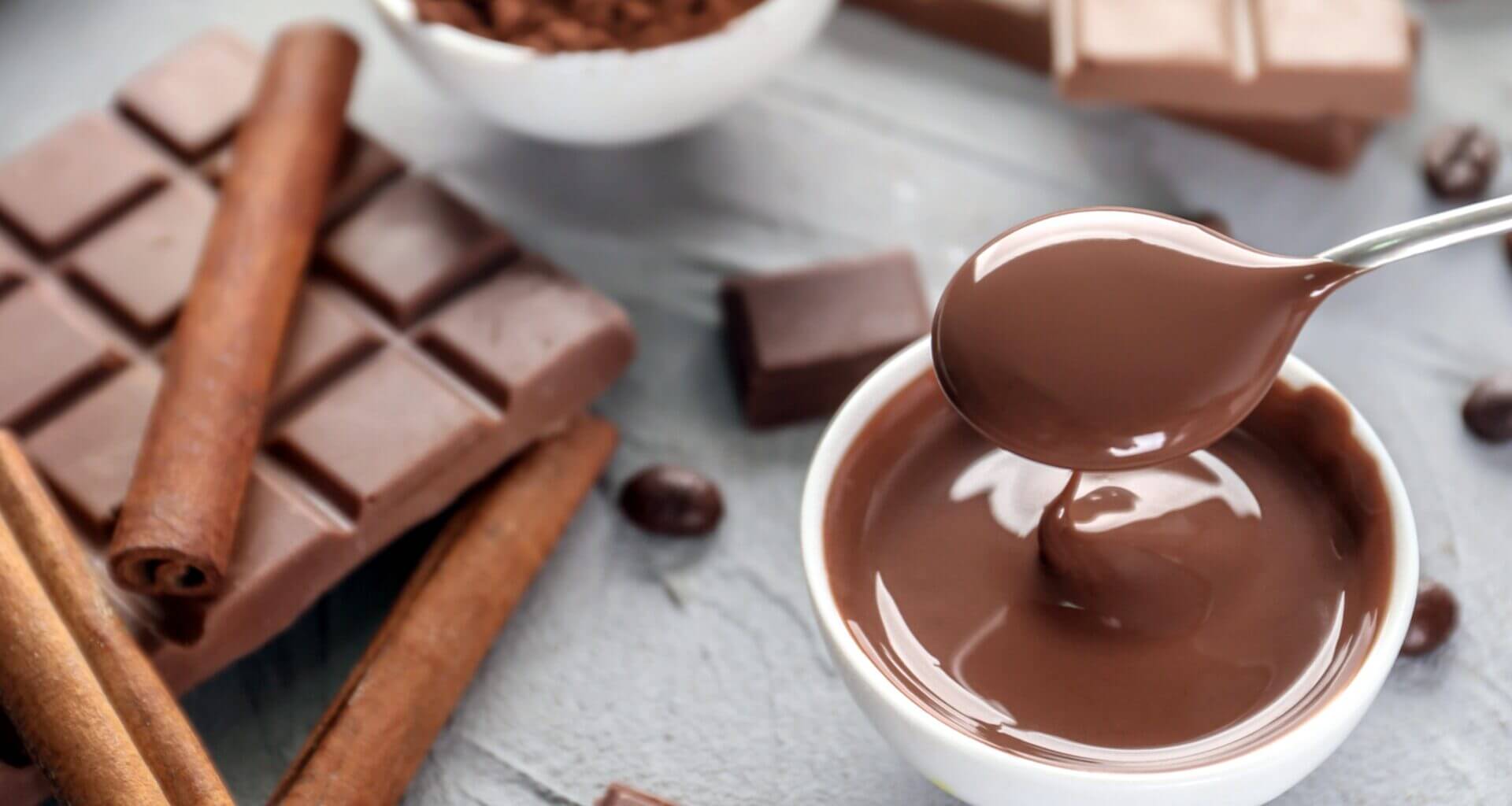

This one started as a simple question someone sent in, but I thought the answer ended up being long enough to deserve its own article. But if you don’t want to read it all hehehehe, the short version: cocoa comes from the seeds of the cacao fruit, dried, roasted and ground. Add fat (preferably cocoa butter) and sugar to that cocoa, and you have chocolate. But I can do better than that, so let’s talk about the full process, the different types of chocolate, and how all the parts of the cacao seed relate to each other.
How a Chocolate Bar Is Made
The process of making chocolate varies a lot depending on the type of chocolate you want to produce, the origin of the fruit, how it’s fermented, and who’s making it. But in simple terms, a typical bar goes through these stages:
- Harvesting and Fermentation: The fruits of the cacao tree are harvested, the seeds are extracted, and they ferment for about 5 to 7 days. This step is critical because, without fermentation, the beans would keep a raw, bitter, grassy flavor, and you’d never develop the complex aromas that make good chocolate interesting.
- Drying and Roasting: After fermentation, the seeds are dried in the sun or in dryers, then roasted in ovens. The temperature and time of roasting, just like with coffee beans, will determine a lot about the final character of the chocolate, from the color to the aroma.
- Grinding and Separation: The cacao seeds are ground down into what’s called cocoa mass (also known as cocoa paste or cocoa liquor), which looks like a very thick, dark paste. This mass is then pressed to separate the solids (the cocoa powder) from the liquid fat (the cocoa butter). The cocoa powder has the deep brown color we all recognize, while cocoa butter is a pale, off-white, almost transparent fat.
- Mixing and Refining: Now the fun part begins. Cocoa, cocoa butter, sugar, milk, or whatever else you want in your chocolate are all combined and then passed through grinders and chocolate mills to create a smooth, uniform texture.
- Conching and Tempering: The proto-chocolate is kneaded and mixed to further develop the texture, then carefully heated to the right temperature, somewhere between 25°C and 27°C depending on the type of chocolate, so it crystallizes correctly. This is what gives chocolate that satisfying hard, snappy texture when it cools down. If you’ve ever melted chocolate badly and ended up with something dull and crumbly, skipped or bad tempering is usually the reason.
It’s also worth noting that some of these steps can happen simultaneously or be skipped entirely depending on what you’re making. So for instance, if you want a spreadable chocolate, you don’t need to temper it. Some artisan chocolate makers use the cocoa mass directly without separating the cocoa from the butter (even though that gives you more control and consistency). And if you look at the ingredients list of something like a Mars bar, you’ll see that not all chocolates use only cocoa butter as their fat, since other fats are cheaper, more stable, or give a different texture as well as cocoa butter is much more expensive than other fats and used to make white chocolate.
The Most Popular Types of Chocolate
Drinking Chocolate Powder (Hot Cocoa Mix), the stuff that dissolves easily in hot or cold milk, is basically mostly sugar with a small amount of cocoa, sometimes with powdered milk, emulsifiers and flavorings added. The reason for the low cocoa content is straightforward: cocoa doesn’t dissolve well, especially in cold liquids, so if you want it to mix easily, you can’t have too much of it.
Cocoa Powder is very similar to a hot cocoa mix but with a much higher percentage of cocoa and very little or no sugar. This is the stuff you want for baking, cakes, and pastries, since it has a much more intense chocolate aroma. It’s made up mostly of cocoa, a bit of sugar in some versions, and occasionally a small amount of cocoa butter.
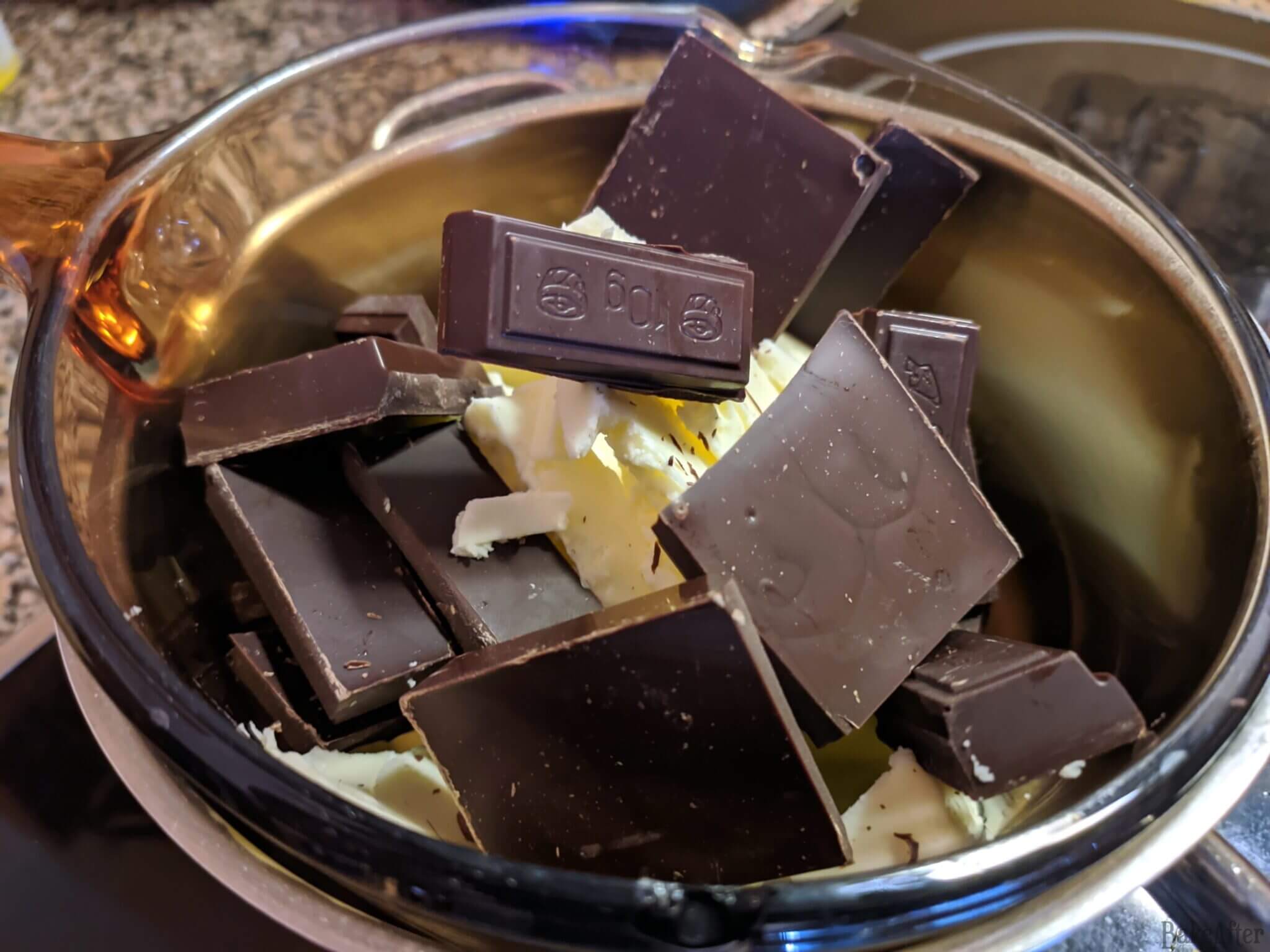
Baking or Cooking Chocolate is a high cocoa and high cocoa butter chocolate, which makes it ideal for melting and molding. Because it’s already tempered, you can melt it and it will crystallize again properly when it cools, which is exactly what you need when making ganaches, glazes, or any recipe where the chocolate needs to set. It has very little added sugar, since you’ll be adding sweetness separately in your recipe.
Dark, Black, or Bittersweet Chocolate has a higher level of cocoa and tends to be darker in color and more bitter in flavor. In Europe, to be labeled as dark chocolate it must contain a minimum of 35% cocoa. My personal opinion is that this is the most flavorful and the healthiest type of chocolate. When you read about the health benefits of chocolate, they’re almost always referring to dark chocolate with at least 60% cocoa or more. Yes, it’s more bitter, but it also has a much more intense and interesting flavor.
Chocolate with Nuts, Fruits and Fillings covers a huge range, from bars with almonds, hazelnuts, raisins, or puffed rice, to bonbons and filled chocolates. These tend to use milk or dark chocolate as the base, usually without added flavorings so the nuts or fruit can shine through. Easter chocolates and most boxed chocolates fall into this category too.
White Chocolate is made with cocoa butter, sugar, and powdered milk, with no cocoa solids at all. Its flavor is mild and sweet, and since it has no cocoa, any chocolate aroma comes only from the cocoa butter, which is quite subtle. For this reason it’s often flavored with vanilla or other things. I’ll be honest, it’s the less interesting of the chocolates for me, but it has plenty of legitimate uses in baking and pastry, and it does behave differently than dark or milk chocolate in recipes, so it’s worth understanding.
Milk Chocolate is the most popular and widely consumed chocolate in the world. It combines cocoa, cocoa butter, and powdered milk. The milk addition not only makes the flavor richer and sweeter but also gives it that creamy, melting texture everyone loves. No mystery why it’s the crowd favorite.
Cocoa, Cocoa Butter, and Chocolate
So now that we’ve been through all of that, here’s the clear breakdown of each part:
Cocoa or Cocoa Powder is the solid part of the cacao seed. It’s used in practically every chocolate preparation (with the exception of white chocolate), and it’s what gives chocolate its color, its intense aroma, and almost all of its nutritional value (minus the fat). You can find it easily in any supermarket.
Cocoa Butter is the fat extracted from the cacao seed. It can be used in all kinds of chocolate preparations and is the base of white chocolate. In normal circumstances it’s mostly used by chocolatiers and pastry chefs rather than home cooks. If you want to approximate it at home without buying cocoa butter specifically, using good white chocolate is your closest option.
Chocolate is the combination of cocoa, a fat (ideally cocoa butter), and sugar. From there you can add all kinds of ingredients to create the enormous universe of chocolate products we know and love.
A Few Tips Before You Go
If you’re baking or cooking with chocolate, here are a few things worth keeping in mind:
- Cocoa percentage matters a lot. A 70% dark chocolate and a 50% dark chocolate will behave differently in a recipe and taste very different. When a recipe just says “dark chocolate,” between 50-60% is usually a safe bet.
- Don’t substitute cocoa powder for drinking chocolate powder in baking. The sugar content is completely different and your recipe will not turn out right.
- When melting chocolate, especially for tempering, temperature control is everything. Too hot and you’ll burn it, and no amount of fixing will bring it back. Low and slow, with patience, is the way. The easiest way to get tempered chocolate is to melt already tempered chocolate, as long as it’s just melted in a low temperature it will crystallize again when it cools down.
- Also like i said above, cocoa butter is hard to find in regular supermarkets, but good quality white chocolate is a reasonable substitute in most baking recipes that call for it. Just adjust the sugar content in your recipe to compensate.
And if you have questions, opinions, or just want to share your favorite chocolate (mine as a kid was a Twix, now I’m firmly in the good dark chocolate camp, the more intense the better), drop it in the comments. Until next time!
Discover more from BakeAfter
Subscribe to get the latest posts sent to your email.