
Rice is technically a type of grass, part of the Poaceae family, the same family that gives us wheat, rye, barley, oats, corn, sugar cane, and even bamboo. It’s the third biggest crop in the world, and a lot of that success comes from how easily it can be grown in countries with plenty of manual labor or humid climates.
That said, rice can technically be grown in almost any climate, it just tends to need a lot more pesticides, herbicides, and fertilizers to make up for conditions that aren’t naturally suited to it. Rice has been so central to entire cultures that for centuries in Japan it was basically used as currency, and how much rice you had was a direct measure of how wealthy you were.
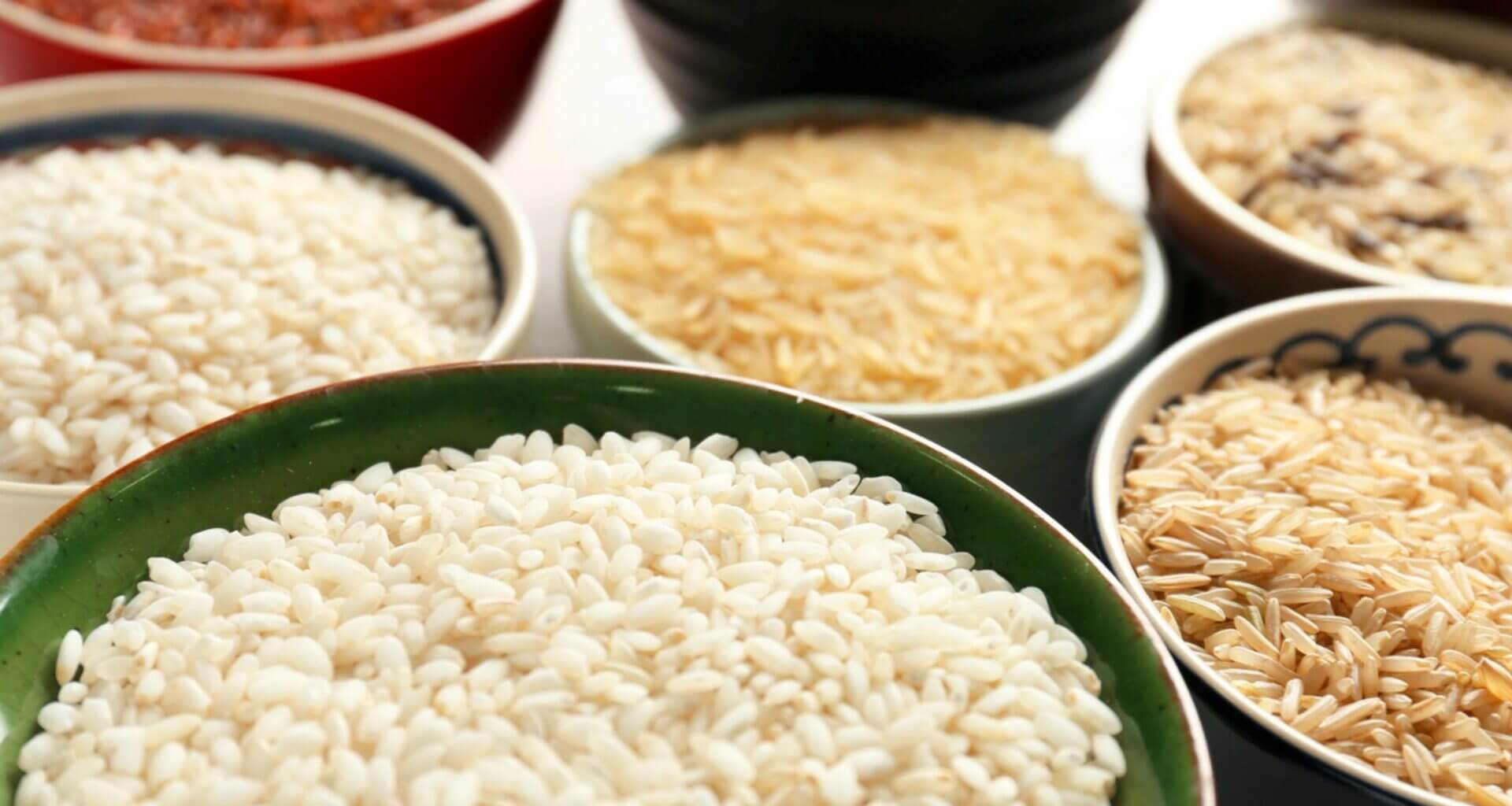
At its core, rice is defined by the size of its grain:
- Long Grain: Tends to be about four times longer than short grain rice, and a bit wider too. There are tons of varieties, and this is probably the most common type overall. It’s rice that’s easy to cook and tends to produce grains that separate easily once done.
- Medium Grain: Usually about twice the length of short grain rice, and a little wider. It’s more tender and “meaty,” and the grains can stick together somewhat.
- Short Grain: Round and plump. These grains tend to stick together easily and are great for forming rice balls once cooked.
A couple of tips worth keeping in mind:
- The longer the grain, the more forgiving it is to cook, and the more intact and separate it stays, which makes it great for fried rice.
- The shorter the grain, the more it will stick together as it cooks, and it can even break down into more of a porridge-like texture, which is actually perfect for puddings or sauces.
- Keep in mind these are general rules, not hard laws. Thai jasmine rice, for example, is long grain, but it’s still pretty sticky once cooked.
- Rice can always be rinsed before cooking, something that’s especially common with Japanese medium grain rice, to wash away some of the excess starch. Even after rinsing, it’ll still be fairly sticky, but it’ll stick together less and taste cleaner since there’s less loose starch mixed in.
Short Grain vs. Long Grain, What’s the Real Difference?
I absolutely love rice. It might honestly be my favorite side dish, and there’s such a huge variety out there, just like pasta, there’s a type of rice for basically any craving, sweet or savory. But if you break it all the way down, there are really two main categories: short grain rice and long grain rice. So it’s worth looking at what sets each one apart. Wait didn’t i say three? Well medium grain rice is kinda up to interpretation, so its easier to just use these simplifications.
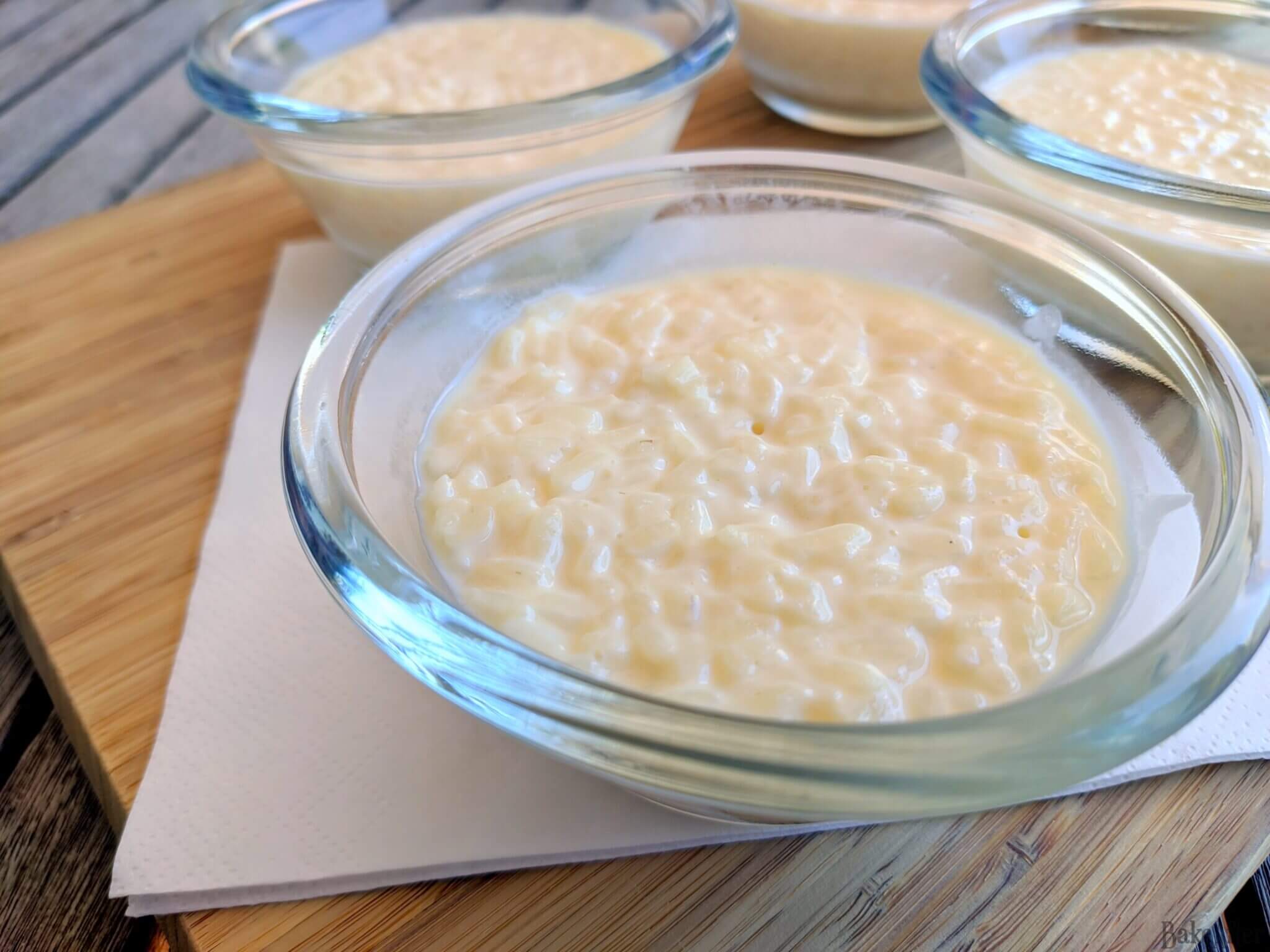
Short grain rice is known for being higher in starch, stickier, and, as the name says, shorter, usually under 5.5 millimeters long. Those traits make it a great fit for both sweet and savory dishes. The starch in short grain rice is what gives certain rice dishes that creamy, soft texture.
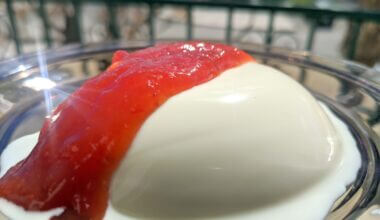
Popular short grain white rice varieties include Arborio, used for Italian risotto, sushi rice, and Portugal’s own carolino rice, which is the go to for stews and rice pudding. That sticky texture works two ways: it soaks up broth beautifully, but it also helps create a creamier broth in the pot, which is exactly why this type of rice is also so popular for desserts.
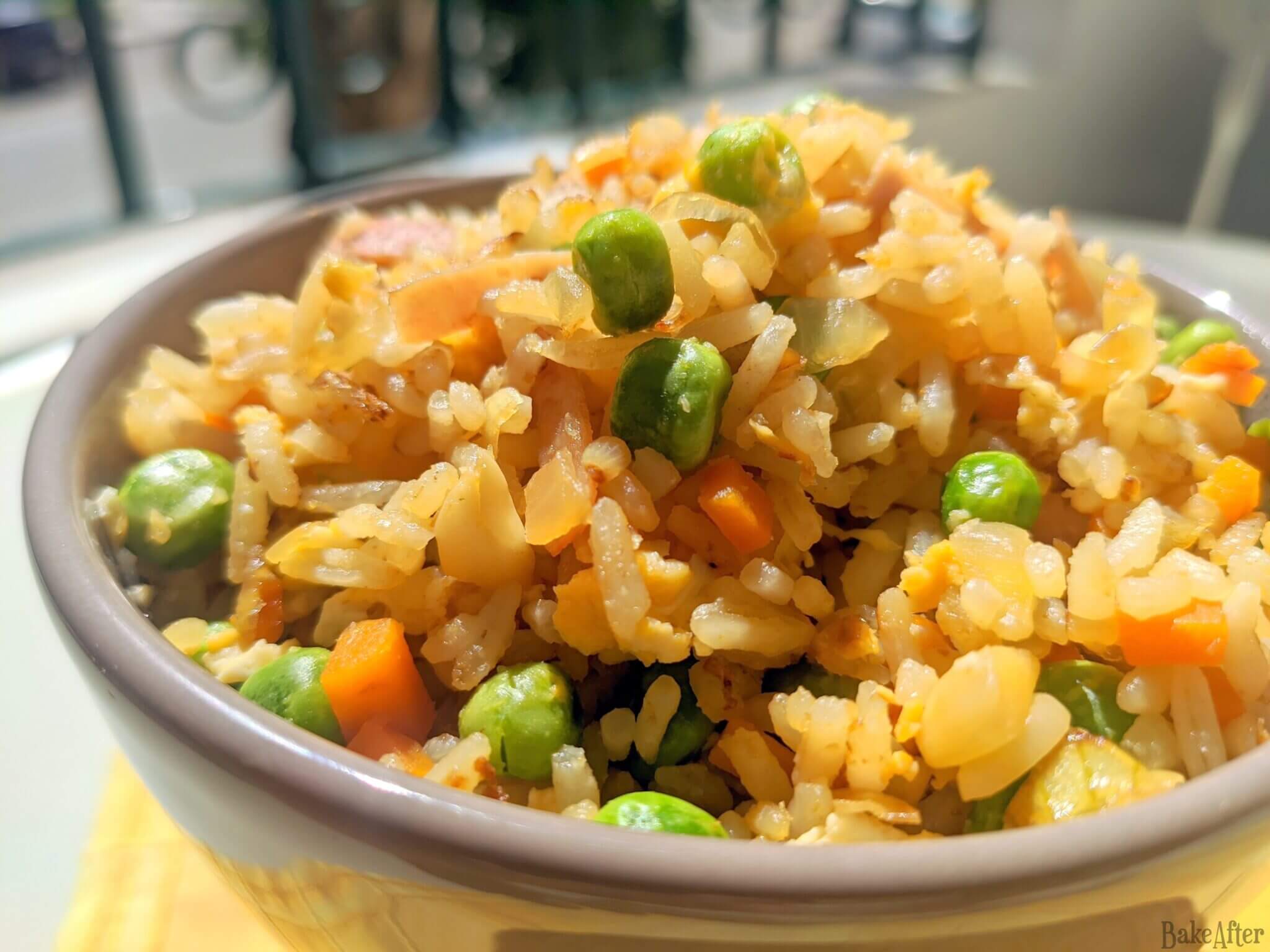
Long grain rice, on the other hand, tends to be about three to five times longer than it is wide. It’s a bit drier since it has less starch than short grain rice, which also makes it easier to cook, whether you’re boiling, baking, or steaming it. The end result is looser rice, since the grains are less likely to stick to each other.
Popular varieties here include basmati, jasmine rice, and Portugal’s agulha rice. Long grain rice is ideal for dishes where you want the rice to stay loose and a bit drier, which makes it great for sautéing, and it also works well as a neutral side that soaks up sauces nicely, pairing especially well with rich, intensely flavored dishes.
So yeah… and there’s also worth mentioning medium grain rice, though in terms of flavor and texture it’s very close to short grain rice. The differences between certain short grain varieties, or between short and medium grain, are small enough that you can usually swap one for the other without much of a difference, besides grain of rice size.
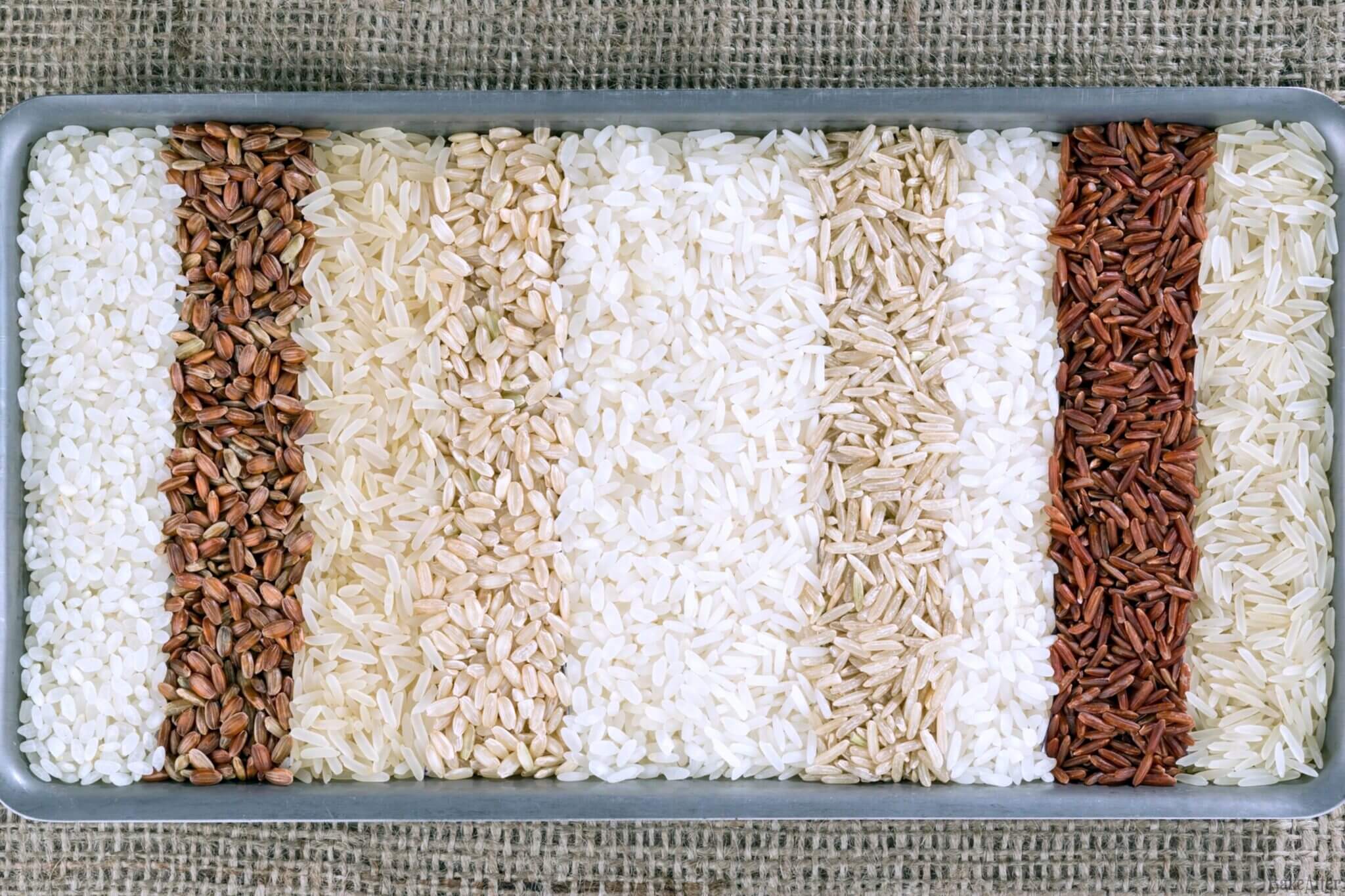
The Most Common Types of Rice
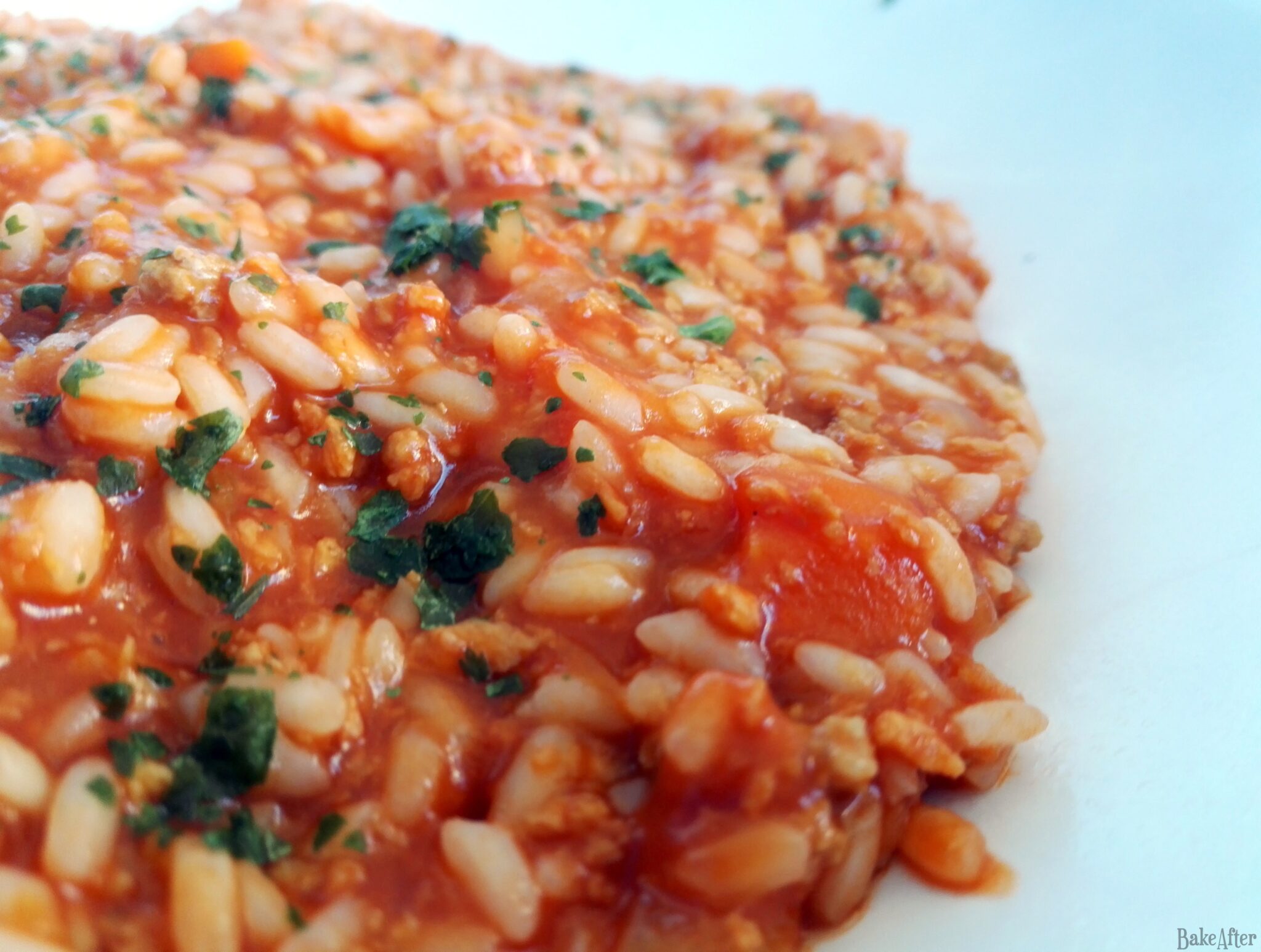
Carolino Rice (also called sticky rice or sweet rice in Portugal): A short grain rice, part of the Ariete and Euro types, ideal for creamy rice dishes like seafood rice or tomato rice, as well as pretty much every rice based dessert.
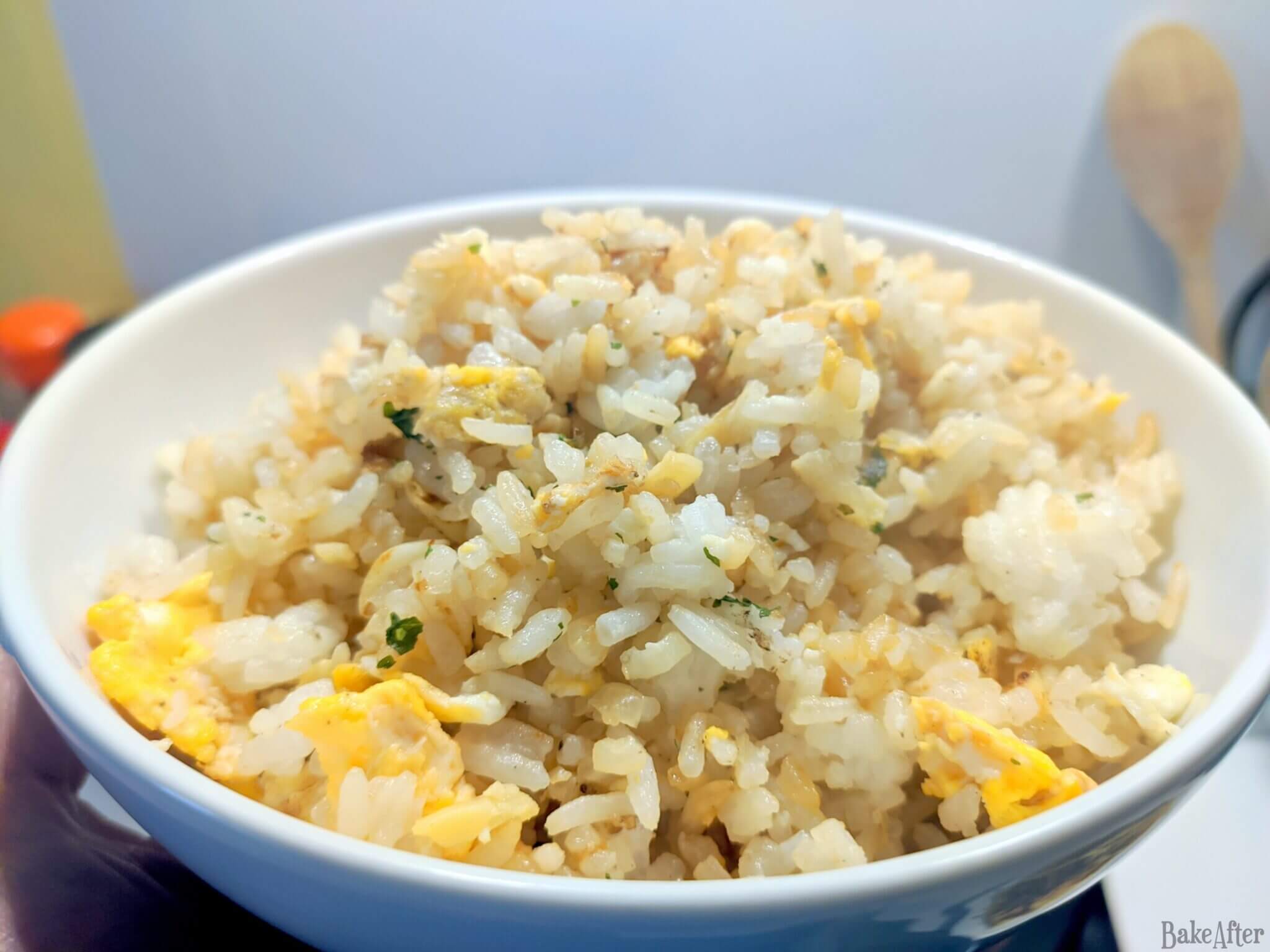
Agulha Rice: A dry, long grain rice that cooks up light and fluffy, perfect for side dishes or oven baked rice dishes like rice casseroles or duck rice.
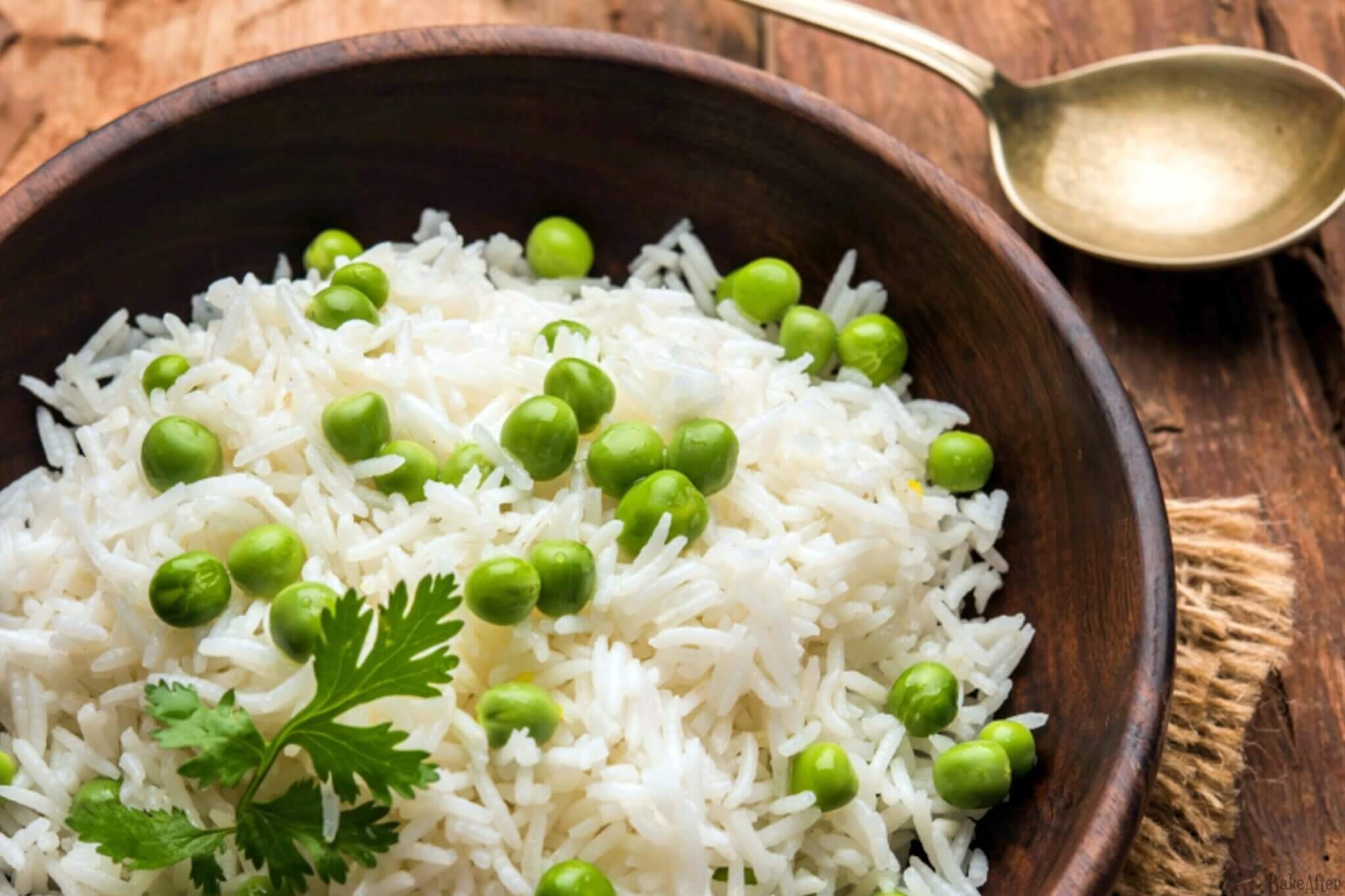
Basmati Rice: A classic from Pakistan and India, this is an especially fragrant rice with several sub varieties. Much of that aroma comes from the fact that it’s typically aged for at least a year after harvest, which makes it the perfect match for curries and other richly spiced dishes.
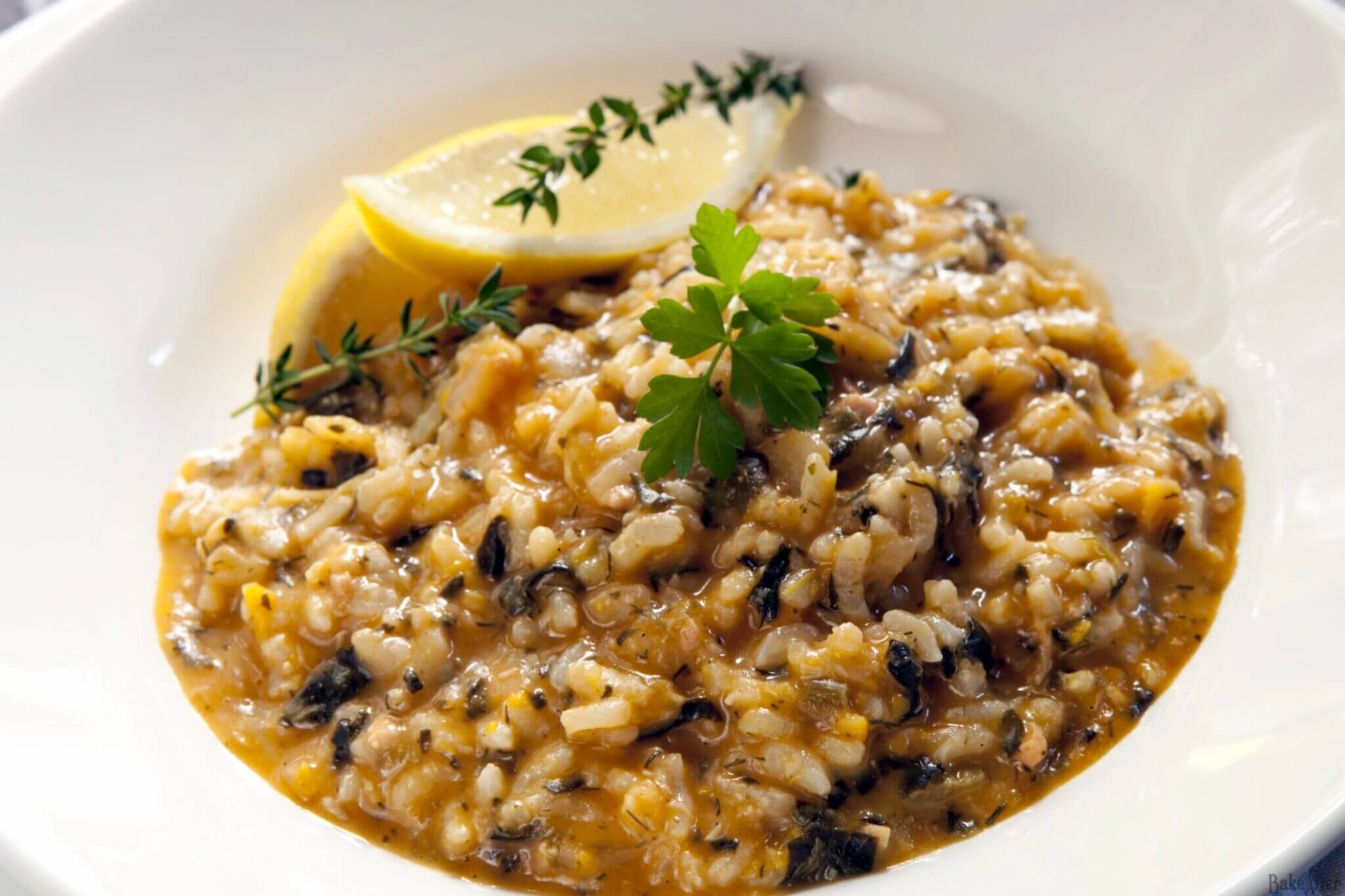
Arborio Rice (Risotto Rice): A short Italian grain used heavily for classic risotto. Since it’s a fairly hard grain, it creates that famously creamy texture while still holding its bite. It’s also used for things like arancini, those crispy fried rice balls.
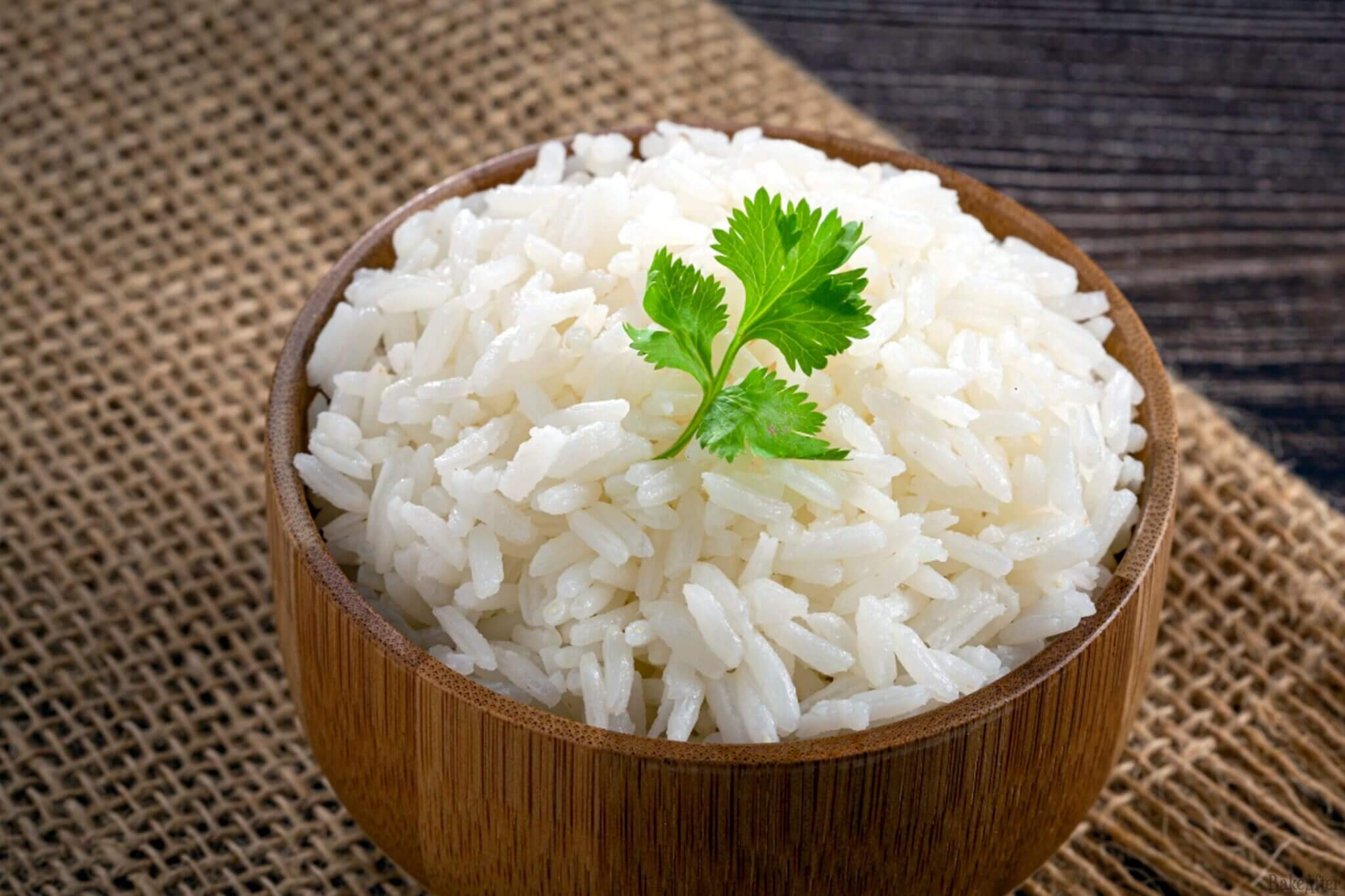
Jasmine Rice (Thai Rice): Originally from Thailand, this is a long grain rice that turns soft and slightly sticky once cooked, with a lovely floral aroma. It works beautifully in both savory and sweet dishes.
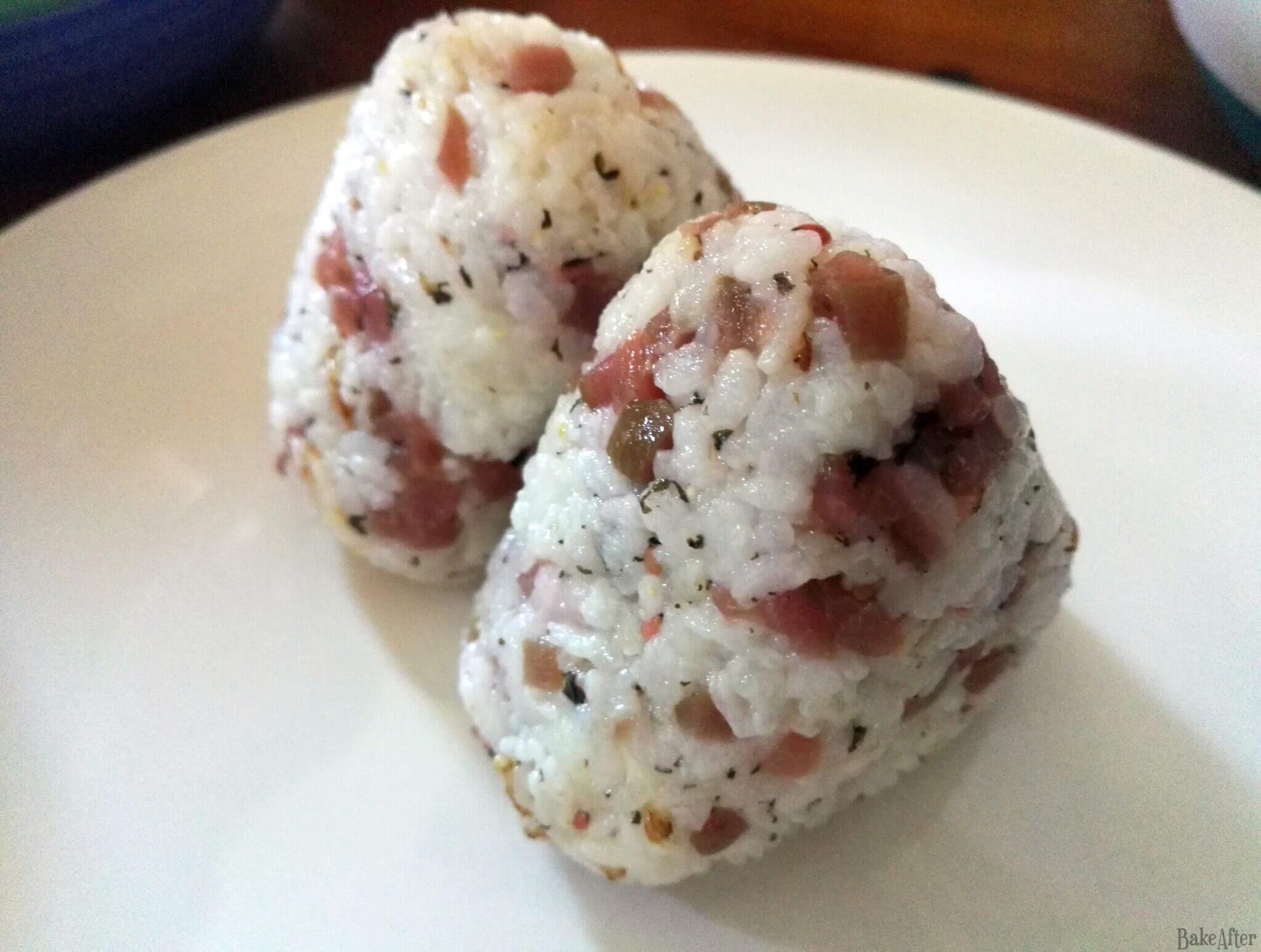
Sushi Rice (Japonica Rice): Usually white or brown short grain rice, with a high starch content that gives it the natural stickiness sushi needs. That said, in Japan it’s mostly just eaten as plain cooked white rice with no seasoning at all. It’s also worth noting there’s a huge range of Japanese rice that all looks similar but isn’t all used for sushi, plus similar varieties from China, Korea, Taiwan, and elsewhere. In the West we tend to lump all of it together as “sushi rice,” but in those countries, some types are used for sushi and others aren’t, even though they’re all generally short or medium grain and sticky.
Valencian Rice (Paella Rice): A classic Spanish short grain rice, somewhat similar to Italian Arborio. It’s perfect for a proper paella, where the rice simmers for a long time, soaking up all the flavors in the pan without falling apart.
Parboiled Rice: This can come in any grain size, but it goes through a different processing method that strips out most of the starch, so once cooked it stays especially loose and separate.
Brown Rice: Usually a light brown color, and it can come in any grain size. Since it isn’t fully processed, it tends to have a chewier, more rustic texture, but it also holds onto more nutrients than white rice does.
Note: This list leans heavily toward the types most common and popular here in Portugal, so it’s not meant to be fully exhaustive, and it’s likely missing hundreds of varieties that are hugely popular in other countries. So if there’s a type of rice you love that didn’t make the cut, feel free to share it, I’m always happy to learn about one more!
A Few Tips and Tricks
- If you’re not sure which rice to buy for a recipe, check the grain length first. Long grain for loose, fluffy results, short grain for creamy or sticky ones.
- Rinsing rice before cooking removes surface starch and gives you a cleaner tasting, less clumpy result, especially useful for sushi rice or any short grain variety, but not really needed for long rain rice.
- Don’t swap short grain rice into a recipe that calls for long grain, or vice versa, without expecting a real difference in texture. The starch content changes everything about how the dish turns out, so use the specific rice that the recipe calls for.
- Letting rice rest, covered, for a few minutes after cooking helps the grains firm up and separate, which makes a real difference with long grain rice in particular.
- Leftover rice, most types of rice will work well, is perfect for fried rice the next day, since a night in the fridge dries it out just enough to keep it from turning mushy in the pan.
I hope this helped clear up some of the differences between all these types of rice, and gave you a better idea of which one to reach for next time you’re cooking. Until next time, have a awesome one!
Discover more from BakeAfter
Subscribe to get the latest posts sent to your email.