
Here’s one of those ingredients that always seems to show up right when you don’t have it, buttermilk. You’re halfway through mixing biscuit dough or marinating chicken for your fried chicken night, and there it is in the recipe, “1 cup of buttermilk,” and you open the fridge and… well… nothing. And in a lot of countries you can’t even find it on a regular grocery run, it’s just not something stocked next to the regular milk, especially outside the US. So let’s actually sort this out once and for all, what buttermilk is, why recipes love it so much, and every single way you can “fake” a really convincing version of it at home with stuff you probably already have around.
What Is Buttermilk, Exactly?
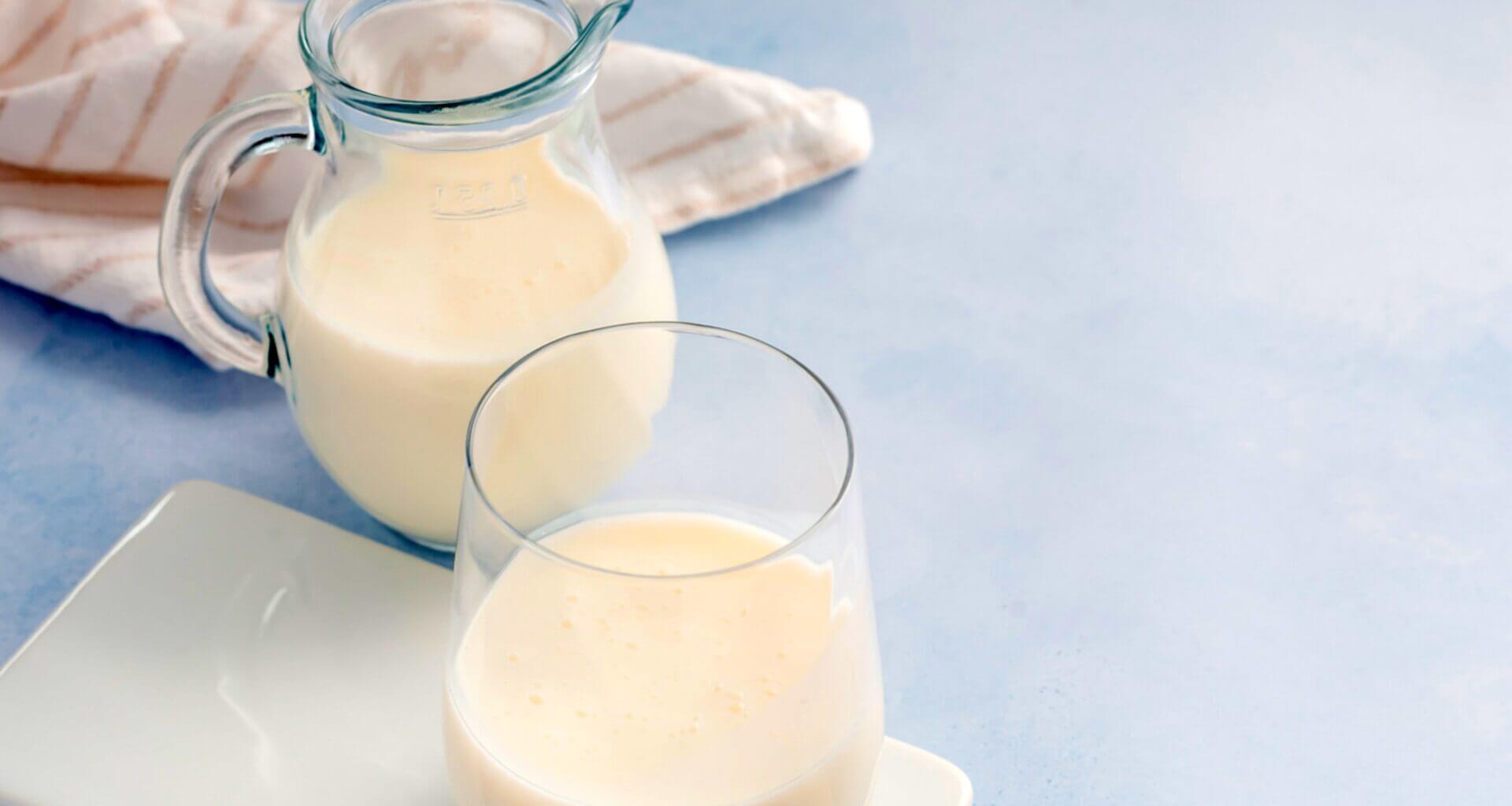
Traditionally, buttermilk was the liquid left behind after churning cream into butter, thin, faintly tangy, and a little effervescent from natural fermentation. That version is basically extinct in stores today. What you actually buy now, labeled “buttermilk” in the dairy aisle, is cultured buttermilk, regular milk (usually low fat) that’s been treated with a lactic acid bacteria culture, the same basic idea as making yogurt, and left to ferment until it thickens up and turns properly sour. It’s noticeably thicker than regular milk, pours slowly, clings a little to the inside of the glass, and has that distinct tang that’s tangy/sour but pleasant, kind of like plain yogurt thinned out with water.
So why do so many recipes call for it? Well, two main reasons, really. The first is chemistry, buttermilk is acidic, and that acid reacts with baking soda the same way vinegar or lemon juice does, releasing carbon dioxide and helping baked goods rise, while also giving them a softer, more tender crumb, since the acid gently weakens gluten strands as it works itself. The second reason is flavor and texture, that tang buttermilk brings is genuinely hard to replace with anything else, and it’s a big part of what makes biscuits, pancakes, and cornbread taste like biscuits, pancakes, and cornbread instead of just plain bread, its that mix of a sweet and tangy. Outside of baking, buttermilk also shows up a lot in marinades, especially for fried chicken, since the acidity gently tenderizes the meat, and in dressings like ranch, where its thickness and tang are basically the whole point.
Why Is Buttermilk So Hard to Find?
If you’re in the US, buttermilk is easy, it’s sitting right there in a carton next to the regular milk. Step outside the US though, and it gets trickier, in a lot of European countries, for example, cultured buttermilk either isn’t sold at all, or it’s a niche product you’d only find in a speciality shop, if you’re very lucky, since its a fresh product it doesnt last long in the shelfs. That’s exactly why buttermilk substitutes are such a popular kitchen search, most people aren’t missing an ingredient because they forgot to buy it, they’re missing it because their local store simply doesn’t carry it. The good news is that in almost every recipe, you can “fake” a very convincing version of it with stuff that’s already in your fridge or pantry.
Do note that specifically in Europe, buttermilk isn’t common in southern Europe, but its way more common in northern Europe, like from Germany, Austria, up to the Nordic countries (they have Buttermilch, Piimä, Kærnemælk), i think its also available in England, but don’t trust me on that one hehehehe.
The Best Buttermilk Substitutes
Here are all the ways to make a buttermilk substitute at home, starting with the most common and reliable methods, and working toward the more unusual, outside the box options.
Milk and Lemon Juice or Vinegar
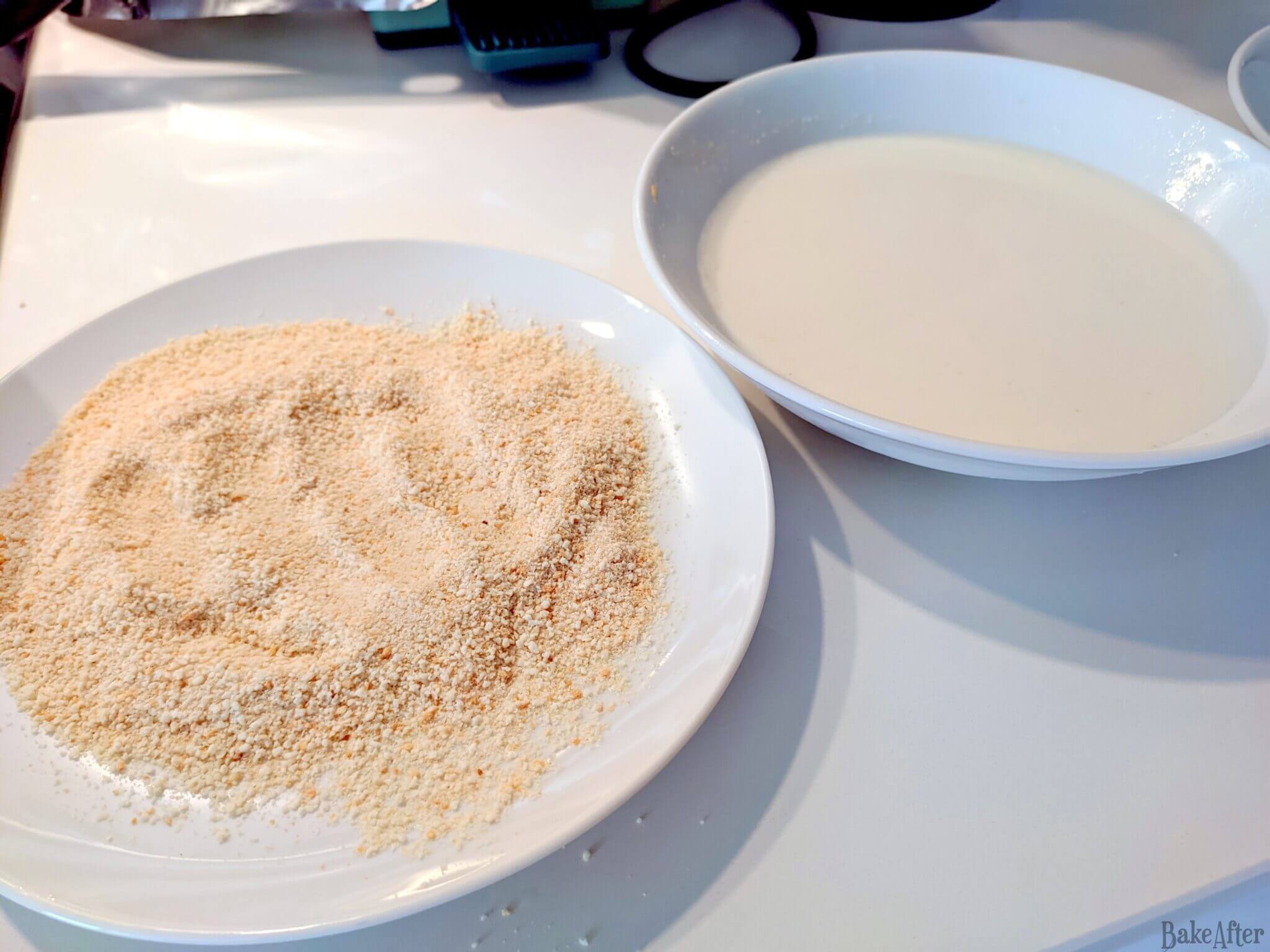
This is by far the most common substitute, and the one most people already know about. What it is, its basically soured milk, you’re using an acid, like lemon juice or white vinegar or apple cider vinegar, to curdle regular milk on purpose, mimicking the tang and acidity of real buttermilk, the combination of acidity and curdle cream make the milk look and taste very similar to commercial buttermilk.
How to make it: add 1 tablespoon of lemon juice or vinegar to 1 cup/240ml of milk (whole milk works best, but low fat is fine too), stir briefly, and let it sit at room temperature for 5 to 10 minutes. You’ll see it start to curdle a little, small flecks and a slightly thickened texture, that’s exactly what you want.
How it compares to the original: it’s the closest thing to real buttermilk in terms of acidity, which means it works great in recipes leaning on to that baking soda reaction. Where it falls short is thickness, soured milk stays thinner and looser than cultured buttermilk, so in recipes where buttermilk is doing double duty as both an acid and a thickener, it won’t hold up quite the same way. Flavor wise, lemon juice adds a faint citrus note you might notice in delicate recipes, while vinegar is more neutral, so vinegar is generally the safer pick if you don’t want any competing flavor.
Milk and Yogurt
What it is: plain yogurt is already cultured milk, so thinning it out with regular milk gets you something remarkably close to real buttermilk, both in tang and, if you get the ratio right, in thickness too.
How to make it: whisk about 3/4 cup/180 ml of plain yogurt with 1/4 cup/60 ml of milk until smooth, adjusting with a splash more milk if it’s still too thick to pour easily. Stick with plain, unsweetened yogurt, Greek yogurt works fine too, you’ll just need a bit of extra milk since it’s thicker to start.
How it compares: this is one of the closest matches you’ll get, since yogurt and buttermilk are both fermented dairy with a similar tang. It performs really well in baking, and it’s honestly one of my personal go tos when I don’t have real buttermilk on hand. The main thing is thickness can vary a lot depending on the yogurt brand, so you might need to fiddle with the ratio a little everytime you make it.
Milk and Sour Cream
What it is: same basic idea as the yogurt version, sour cream is cultured cream, so thinning it with milk recreates that same tangy, cultured dairy profile.
How to make it: whisk 3/4 cup/180 ml of sour cream with 1/4 cup/60 ml of milk until smooth and pourable.
How it compares: sour cream brings more fat and richness than real buttermilk, so the result is a touch heavier and creamier, which actually works wonders in things like pancakes or cakes where you want that extra moisture and tenderness. It’s slightly less acidic than yogurt though, so if the recipe is relying heavily on that reaction with baking soda or for aroma, this one might give a marginally smaller rise and less tangy bite 😉
Milk and Cream of Tartar
What it is: this one’s the outside the box option most people have never heard of. Cream of tartar is a dry acid (it’s actually one of the components inside baking powder, if you want to connect the dots), and it can curdle milk in a similar way to lemon juice or vinegar, without adding any liquid or flavor of its own.
How to make it: whisk 1 ¾/5.5 g teaspoons of cream of tartar into 1 cup/240 ml of room temperature milk until dissolved, then let it sit for a few minutes, just like the lemon juice version, dont mix with cold milk, it wont dissolve, as an alternative, just add the cream of tartar to the dry ingredients and add the milk to the liquid ingredients, and when you mix it all together let it sit for 10 minutes for the cream of tartar do its thing.
How it compares: it curdles milk in basically the same way as lemon juice or vinegar, so the results are pretty similar too, thin, tangy, and acidic, but not particularly thick. The upside here is it adds zero extra liquid and zero flavor of its own, so it’s a good pick when you want the acidity but don’t want any risk of a citrus or vinegar taste coming through. That said, most people will reach for vinegar first, simply because it’s more commonly on hand than cream of tartar.
Plain Kefir
What it is: kefir is a fermented milk drink, thinner than yogurt but more sour and slightly fizzy from the fermentation, made using a culture of bacteria and yeast rather than bacteria alone, i wrote plain kefir because kefir tends to be sold with a lot of flavorings.
How to make it: there’s no real prep needed here, kefir on its own is usually thin enough to use straight, cup for cup, in place of buttermilk. If yours happens to be on the thicker side, thin it with a small splash of milk.
How it compares: kefir is honestly one of the best swaps out there, if you can find it. It’s tangy, cultured, and close to buttermilk’s natural thinness right out of the container, and the slight fizz doesn’t cause any issues in baking. The catch, in places where buttermilk itself is hard to find, kefir might be just as hard to track down, though it’s become a lot more common on shelves the last few years thanks to the whole gut health trend.
Drinkable Plain Yogurt
What it is: this is plain yogurt that’s already been thinned to a drinkable consistency, sold as yogurt drinks, or found in some cultures as ayran or lassi style products, just make sure you’re grabbing the plain, unsweetened, unflavored version.
How to make it: use it straight, cup for cup, no mixing needed, though if it leans a bit thick you can loosen it with a small splash of milk or water.
How it compares: since it’s essentially pre made liquid yogurt, it lands very close to real buttermilk in both tang and pourability, arguably one of the most convenient substitutes on this whole list since there’s zero prep involved. The main thing to watch is salt, some drinkable yogurts (especially the ayran style ones) are lightly salted, so give it a taste first and adjust the salt elsewhere in your recipe if needed.
Soy Milk and an Acid
What it is: the vegan or dairy free version of the classic milk and lemon juice trick, using a plant based milk instead of dairy milk.
How to make it: add 1 tablespoon of lemon juice or vinegar to 1 cup/240ml of unsweetened soy milk, and let it sit for 5 to 10 minutes. Soy milk is the one to reach for here, since its protein content curdles in a similar way to dairy milk, giving you those same little flecks and a slight thickening. Other plant milks, like almond or oat, don’t have the same protein structure, so they mostly just sour without really thickening, still usable, just less convincing.
How it compares: it won’t get quite as thick as soured dairy milk, but the acidity is just as real, so it still does the job of activating baking soda and adding a bit of tang. If a recipe is really leaning on buttermilk’s thickness rather than its acidity, this one will be the most noticeably different from the original.
Which Substitute Should You Reach for First?
If I had to rank these by how often I actually use them, milk and vinegar wins for pure convenience, since white vinegar is sitting in basically every pantry and it takes two minutes start to finish. Milk and yogurt is my pick when I want the best possible result in baking, since the tang and texture land closest to the real thing. Kefir and drinkable plain yogurt are fantastic if you happen to have them already, but I wouldn’t go out and buy them just to make a substitute, that kind of defeats the purpose. And cream of tartar and the plant milk version are more specialty picks, good to know about, but not usually anybody’s first choice.
So its milk and vinegar/lemon juice most of the times, only when its a baked good, a sauce or batter for chicken, then i go with more a yogurt/cheese base buttermilk substitute, but yeah 90% of the time the good old curdling milk with vinegar just work.
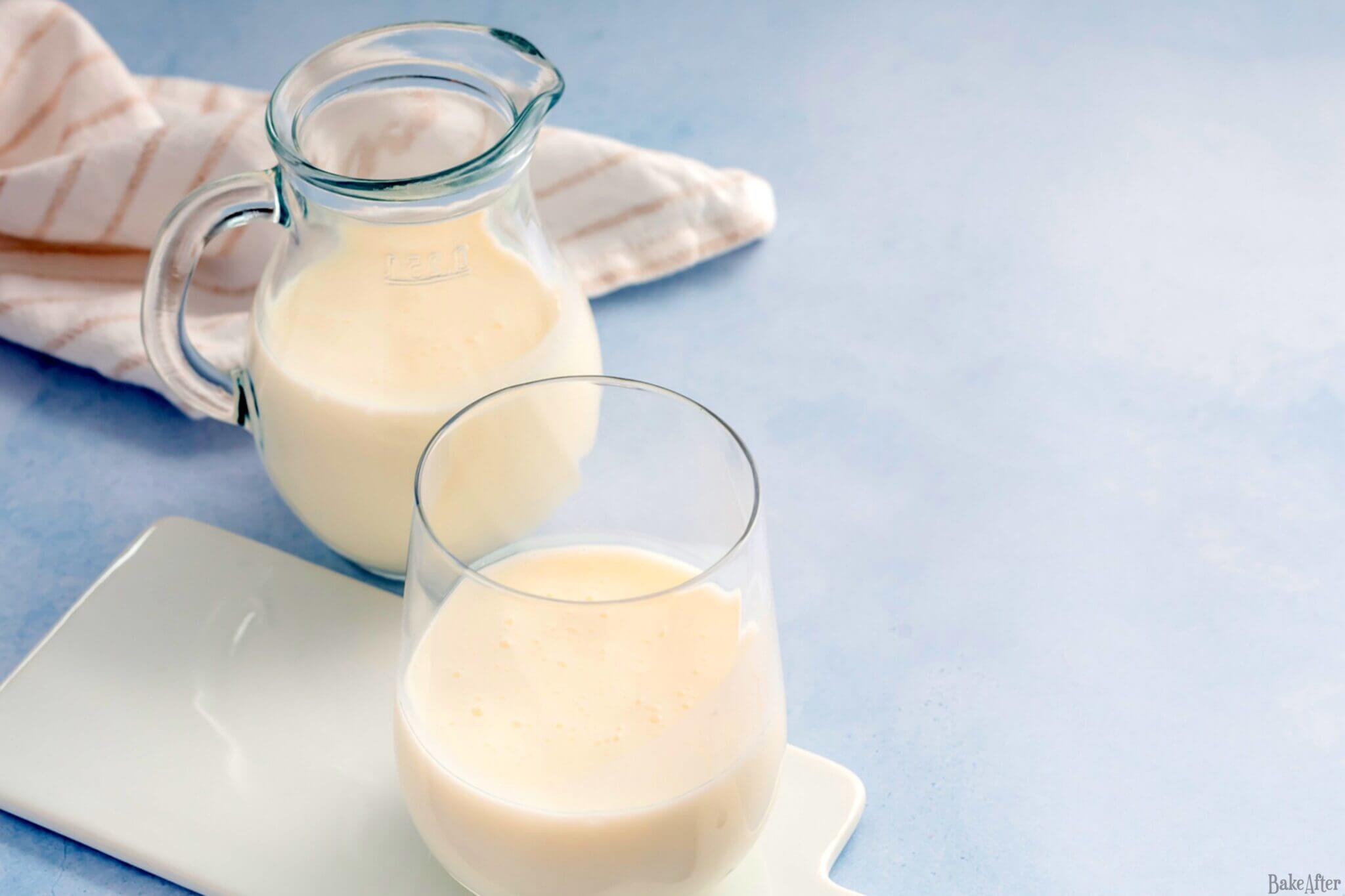
Tips and Tricks for Buttermilk Substitutes
- If your substitute turns out too thick to pour or mix easily, don’t force it, just whisk in a splash of regular milk (or water, in a pinch) a teaspoon at a time until it loosens up.
- Give the curdled versions (lemon juice, vinegar, cream of tartar) the full 5 to 10 minutes before using them. Rushing it means the milk hasn’t fully soured yet, and the recipe won’t get the acidity it’s expecting.
- Room temperature milk curdles faster and more evenly than milk straight from the fridge, so if you have a few extra minutes, let it sit out first.
- Use whole milk for the richest, thickest result across pretty much every method here, but low fat and even skim milk will still curdle and work fine, it will just be a bit thinner and less like buttermilk.
- If you don’t actually need a true buttermilk substitute, just the effect it has on a specific recipe, there are other tricks worth knowing. Ricotta cheese or Sour Cream thinned out with a splash of milk can stand in for buttermilk in some baked goods where a soft, slightly tangy dairy note matters more than the acidic reaction. And if buttermilk was only there to marinate and tenderize meat, you don’t actually need buttermilk itself at all, plain yogurt, a squeeze of lemon juice, or even a splash of vinegar rubbed directly onto the meat will do the same tenderizing job.
- Don’t stress too much about hitting the exact ratio down to the last drop, buttermilk substitutes are forgiving, and small variations rarely make or break a recipe.
- Make a bit extra if you’re unsure, leftover substitute keeps in the fridge for a couple of days, so there’s no harm having a little more on hand for your next bake.
And there you have it, buttermilk demystified and enough substitutes on hand to never let a recipe with buttermilk stop you again just because your fridge doesn’t have a carton of it. If you’ve got a favorite swap I didn’t mention, or a question about how one of these worked out for you, drop a comment below, I always love hearing how these turn out in real kitchens. Have a lovely day!
Discover more from BakeAfter
Subscribe to get the latest posts sent to your email.