
Another week, another question, this time it was about types of oils and it got me thinking, this could be a another nice article hehehee. So instead of just throwing together a list of replacing this oil with that oil and calling it a day, I think it’s worth taking a step back and actually explaining what vegetable oils are, and then offering alternatives that go beyond just swapping one fat for another, because honestly, in almost every application you can swap animal and vegetable fats for each other pretty freely. The real difference comes down to quality and aroma. That’s why you don’t deep fry with sesame oil, it’s expensive and its aroma is so strong that it makes way more sense as a finishing oil or a seasoning.
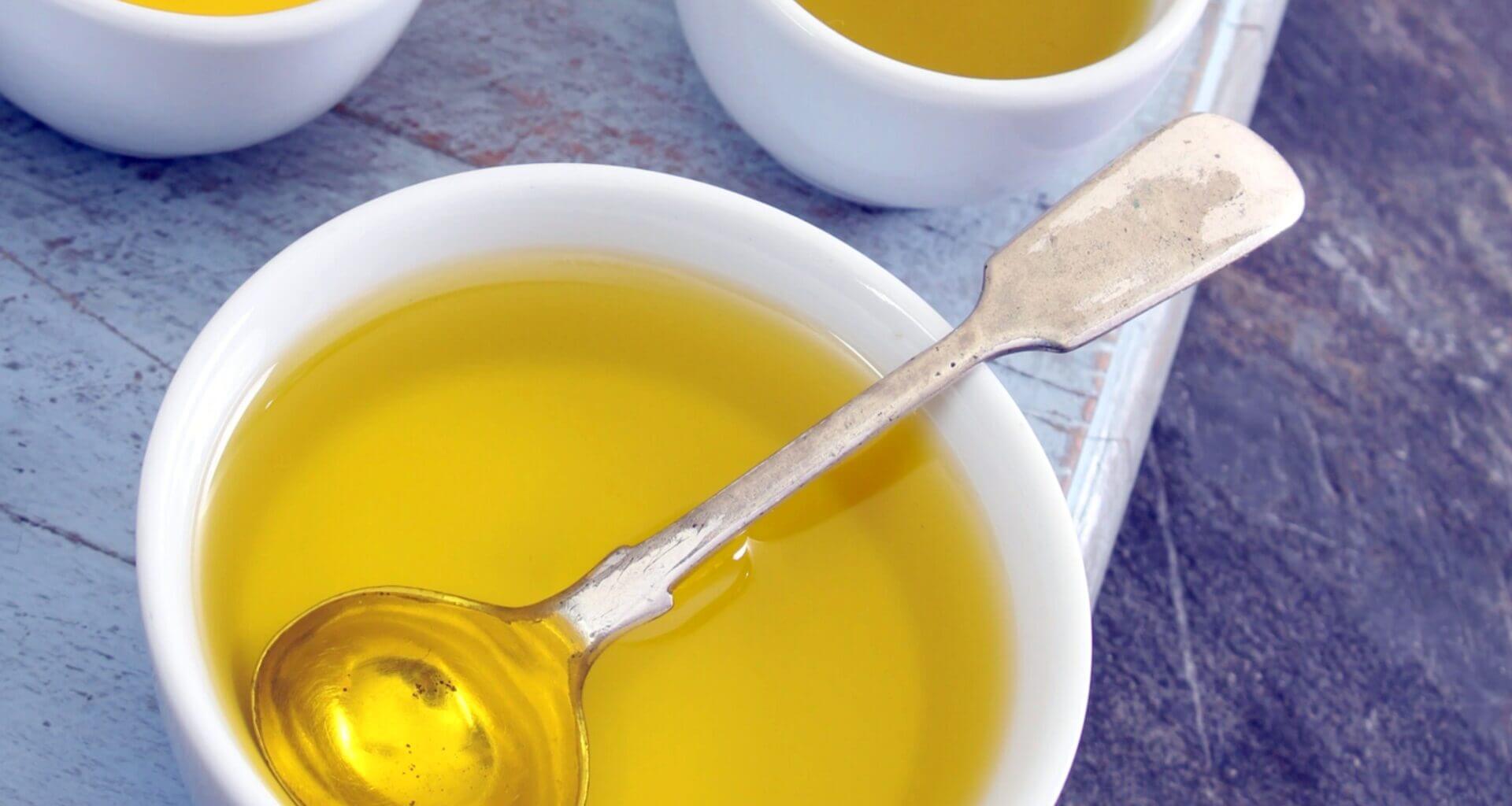
Olive oil and vegetable oils like sunflower, corn, soybean, and similar are fats widely used in cooking, both for dressing and for cooking itself. They’re made by separating the oil from the rest of the plant, either mechanically (the best option in terms of nutrition), by pressing until the oil comes out, or through a chemical/solvent-based method. If the bottle doesn’t specifically mention cold-pressed or mechanical extraction, it was likely extracted chemically, the plant gets ground up, a solvent is added to pull out the oil from the mash, and then the solvent is evaporated off. There’s no real danger in the process, but because it involves heat, the oil loses some of its nutritional value. That said, and this is a big but, if you’re going to fry with it anyways, whether it was cold-pressed or not stops mattering entirely. Heat will do what heat does.
I’m getting sidetracked. Back to the point.
In 2024 in Portugal we saw a massive spike in olive oil prices, which honestly isn’t the worst thing in the world if it makes us rethink how much fat we actually use daily. Any fat, olive oil included, should be treated a bit like salt, you can use it regularly but with real restraint. A huge portion of what we eat and drink already contains fat, so buying one bottle and making it last is not only good for your wallet, it’s genuinely good for your health too.
So instead of just swapping one oil for another, let’s look at some actual healthier alternatives. Some of these will still contain natural fats, but others work by mimicking what fat does in a recipe, adding creaminess, moisture, richness, and so on. Keep in mind that since these aren’t oils, they’ll only work well in specific situations. Some are great for sweets, others for cooking, others for dressings and sauces. Unfortunately, if you need a perfect all-purpose substitute, another fat will always be the answer. But for everything else, here’s some alternatives that actually work.

Healthy Substitutes for Olive Oil and Vegetable/Animal Oils
Avocado or Mashed Avocado – Avocado is loaded with healthy monounsaturated fats, so much so that avocado oil is a thing. Mashed avocado can replace oil or olive oil in salad dressings, spreads, and even in some baked goods like cakes and muffins when you want to add extra moisture and richness. It’s one of the most versatile swaps on this list.
Vegetable Purées (Carrot, Sweet Potato, Zucchini, and Others) – Similar to avocado but generally lighter in fat, blended vegetables can replace oil in recipes where you need texture and creaminess, things like soups, sauces, and stews. They add body and a subtle natural sweetness without the need for extra fat.
Plain or Greek Yogurt – Creamy and relatively low in fat, especially in the non-fat or low-fat versions, Greek yogurt (or skyr) works really well in creamy salad dressings, marinades, and as a base for all kinds of sauces. It brings that richness without oil.
Cottage Cheese, Ricotta, or Any Fresh Cheese (Blended) – Blend any of these until smooth and you’ve got a creamy, protein-rich base for sauces, a partial fat substitute in pancake or cake batters, or simply something to spread on bread instead of butter. It’s a swap that works in more places than you’d expect.
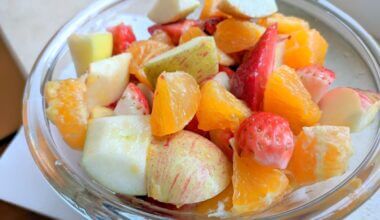
Fruit Purées (Applesauce, Banana, and Others) – Essentially the sweet-recipe version of vegetable purées. Applesauce or mashed banana can replace fat in baked goods, adding moisture and natural sweetness at the same time. They work particularly well in cakes, muffins, and pancakes, and can double as fillings or toppings too.
Hummus or Chickpea Paste – Made from chickpeas, tahini, lemon, and garlic, hummus is flavorful and rich enough to work as a salad dressing base or a creamy side. You can adjust the consistency too, keep it thick for dipping or thin it out into more of a drizzleable sauce.
White Bean, Red Bean, or Black Bean Paste – Very similar to hummus in concept. A blended white bean paste with herbs, garlic, and lemon is both a great dip and a solid base for stews or other preparations. It adds creaminess and body without any oil needed.
Silken Tofu – The key word here is silken. Tofu comes in firm and soft/silken versions, and for this purpose you want the soft one. Blend it up and you get an incredibly light, nearly flavorless cream that you can season any way you like. It’s the base of a huge number of vegan sauces, desserts, and savory recipes, and it works beautifully both on its own and as part of something bigger.
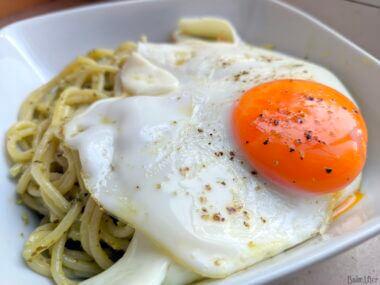
Eggs – Eggs have a thousand uses in cooking, so I almost didn’t include them here, but the truth is that eggs contain animal fat and have a structure that naturally adds creaminess to recipes, reducing the need for added oil. Ever notice how a homemade mayonnaise can use several egg yolks but very little oil, while the industrial version flips that ratio completely? That says everything about what eggs actually bring to a recipe.
Tomato Sauce – I know, it’s basically a vegetable purée, but tomato sauce deserves its own spot because it really is in a category of its own. It’s creamy, has a natural sweetness that pairs with almost everything, and in many recipes it can fully replace fat as the liquid and flavoring base of a dish. Don’t underestimate it.
Citrus Juices and Vinegars – More of a tip for dressings and finishing vegetables than a direct oil substitute, but worth saying, a squeeze of lemon juice or a splash of good vinegar is often all you need to lift a dish. If the food was already cooked with some fat or naturally contains fat, you often don’t need to add more, the acidity does the job of brightening everything up on its own.
A Few Extra Tips For the Road
These swaps work best when you understand why fat is in the recipe in the first place. Is it for moisture? Richness? To carry flavor? To prevent sticking? Once you know the role the fat is playing, picking the right substitute becomes much easier.
Also, don’t feel like you need to do a full one-for-one swap. In many cases, reducing the amount of oil by half and making up the rest with one of the alternatives above gives you the best of both worlds, the flavor and function of the fat without going overboard.
And finally, remember that “healthier” doesn’t always mean “fat-free.” A little good fat, used thoughtfully, is always going to be better than a larger amount of a poorer quality substitute. Quality over quantity, always.
You’ll also find plenty of suggestions online for things like coconut oil, palm oil, nut butters, soy milk, or various industrial alternatives like margarine and low-fat sauces with sweeteners. These might work as substitutes in a pinch, but I’d argue they’re not really healthier, just “differently problematic”. It’s a bit like trading one less-than-ideal thing for another. That’s my personal take, and I know not everyone will agree, so if you’ve got your own go-to alternatives, drop them in the comments, always happy to hear what works for other people!
Discover more from BakeAfter
Subscribe to get the latest posts sent to your email.