
Dango is one of Japan’s most beloved traditional sweets, a humble little rice dumpling that has been around since the Heian period (794–1185), and is believed to have originally traveled over from China. Made from mochiko (glutinous rice flour), water, and sugar, it became one of the most popular and accessible treats in Japanese culture. That soft, slightly chewy, elastic texture paired with all kinds of flavors made dango one of the most iconic wagashi (traditional Japanese sweets) out there, often served alongside a cup of green tea or sold as a street snack with a sweet and salty soy glaze.
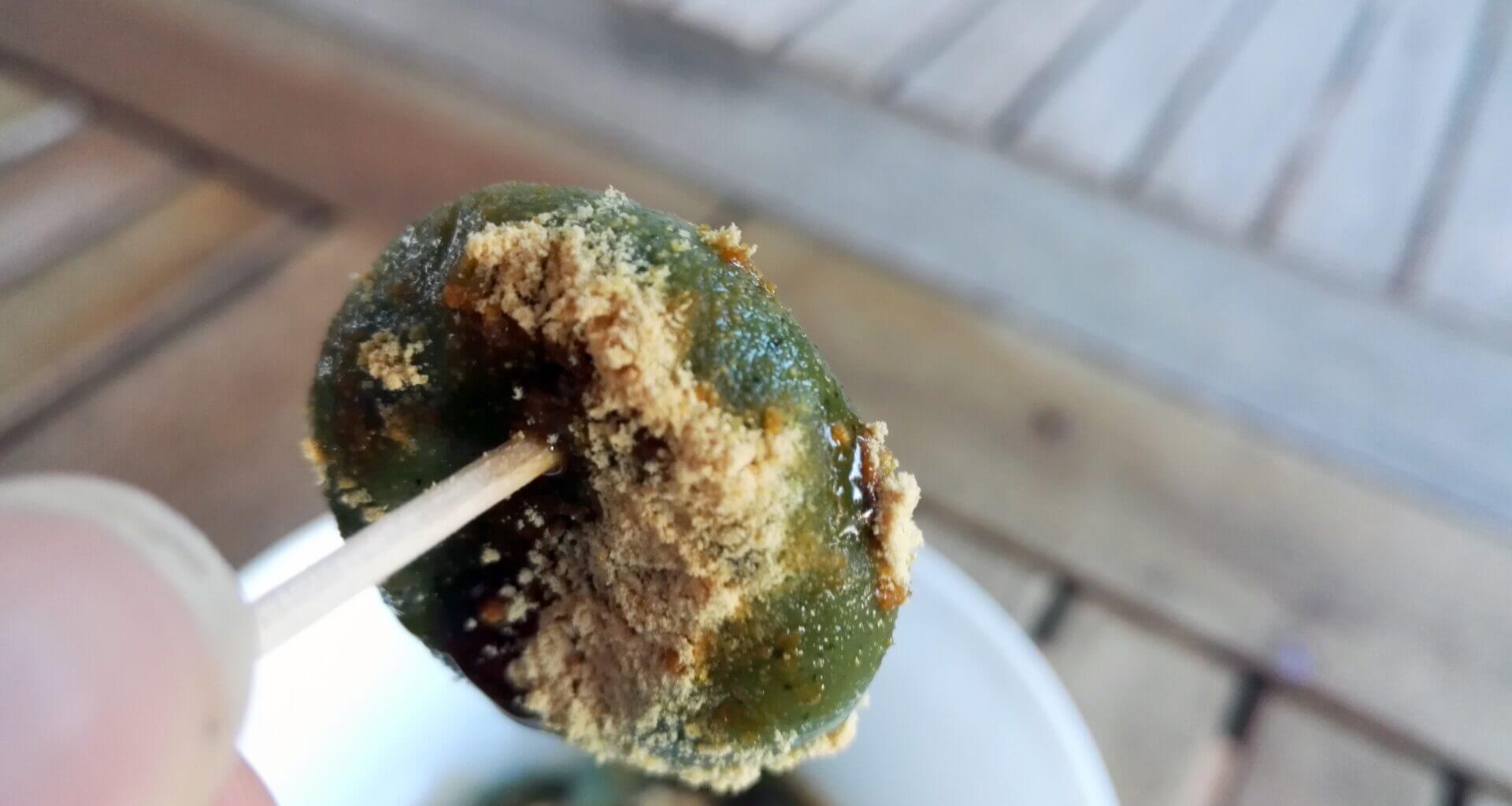
Of course, like any great food with centuries behind it, dango evolved into a whole family of regional and seasonal variations. You’ve got Mitarashi Dango, glazed with a sweet and savory soy sauce syrup, Anko Dango, topped with sweetened azuki bean paste, and then there’s Hanami Dango, the iconic three-colored skewer that screams springtime. Fun fact about Hanami Dango, is that there are actually two versions! One where all three colors taste the same (of sweet dango) and another where each color has its own distinct flavor, usually sweet, sakura/strawberry, and matcha. Obviously the multi-flavor version is the superior one, no contest haha. This Matcha and Kinako version is a more contemporary take on this ancient sweet, bringing together the bold, grassy intensity of matcha powder and the warm, nutty earthiness of kinako (roasted soybean flour) for a combination that is genuinely delicious.
Now, a quick heads up on this one! I’m calling this a pseudo-recipe because I’m using pre-made Matcha Dangako, which is basically a ready-to-go sweetened dango rice flour mix that already has matcha in it. This saves a ton of work, and honestly, in Portugal where I’m making this, finding dangako is a thousand times easier than tracking down joshinko (rice flour) and shiratamako (sweet rice flour) separately to make dango mixture. Worth mentioning that this particular brand of dangako already has sugar in it, but not all brands do, so keep an eye on that. Also, since the matcha used in these mixes tends to be culinary grade, you can absolutely swap in a higher quality matcha and adjust the amount to get a more intense, aromatic flavor. The beauty of this recipe is how flexible it is once you understand the basics! Let’s check the recipe!
Japanese Sweet & Chewy Matcha Rice Dumplings • Dango with Kinako
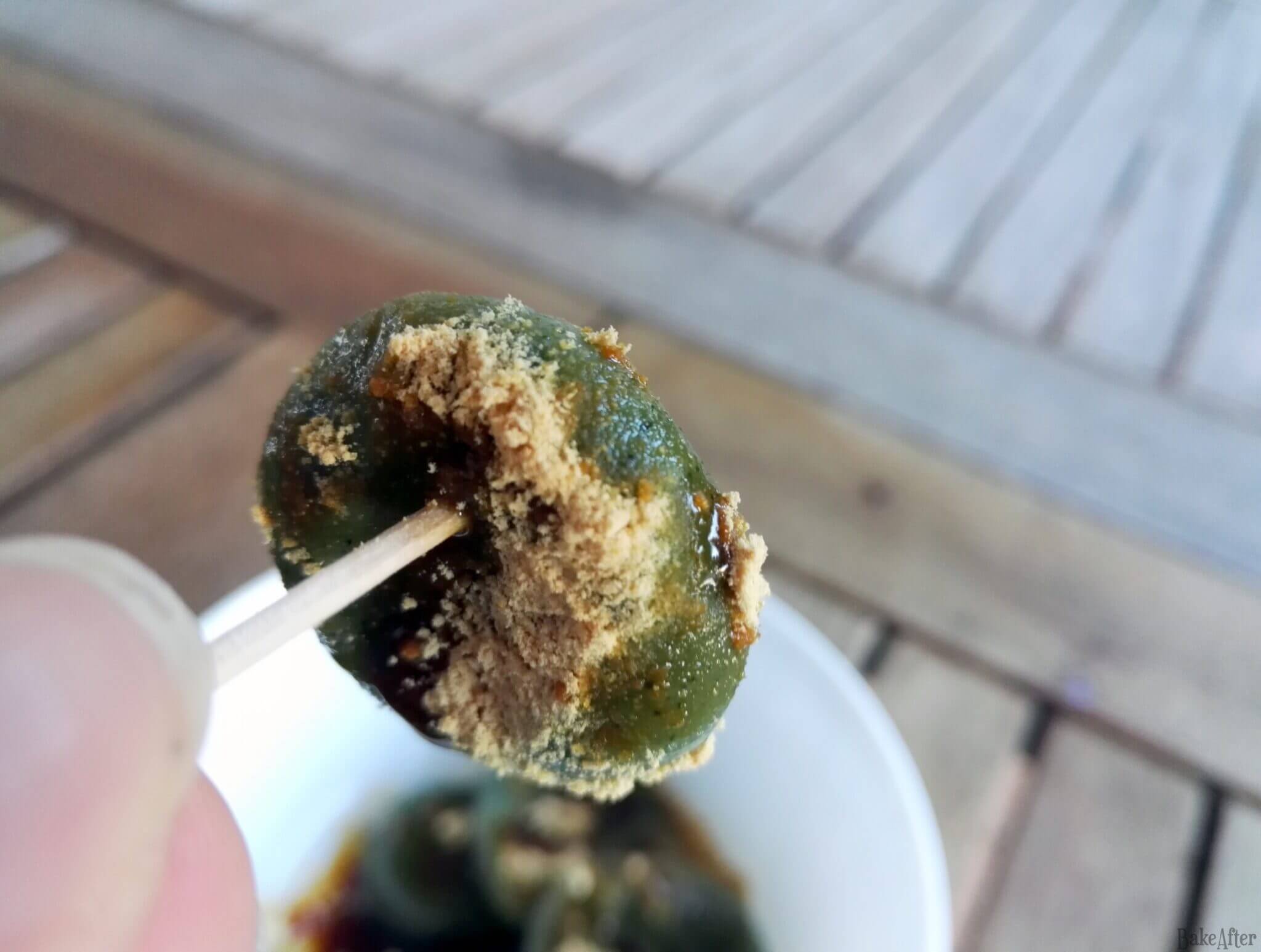
You gotta try this at home, there is nothing as delicious has homemade dango, it's almost addictive!!! ;D
Ingredients
- Matcha Dangako – 200g (Green Tea Rice Flour)
- Water – 190ml (Warm)
- Water – For Cooking
- Sugar – 2 Tablespoons (Only if the Dangako doesn’t already contain sugar)
- Salt – A Pinch
- Kinako – 30g (Roasted Soybean Flour)
- Kokuto – To Taste (Japanese Black Sugar)
Directions
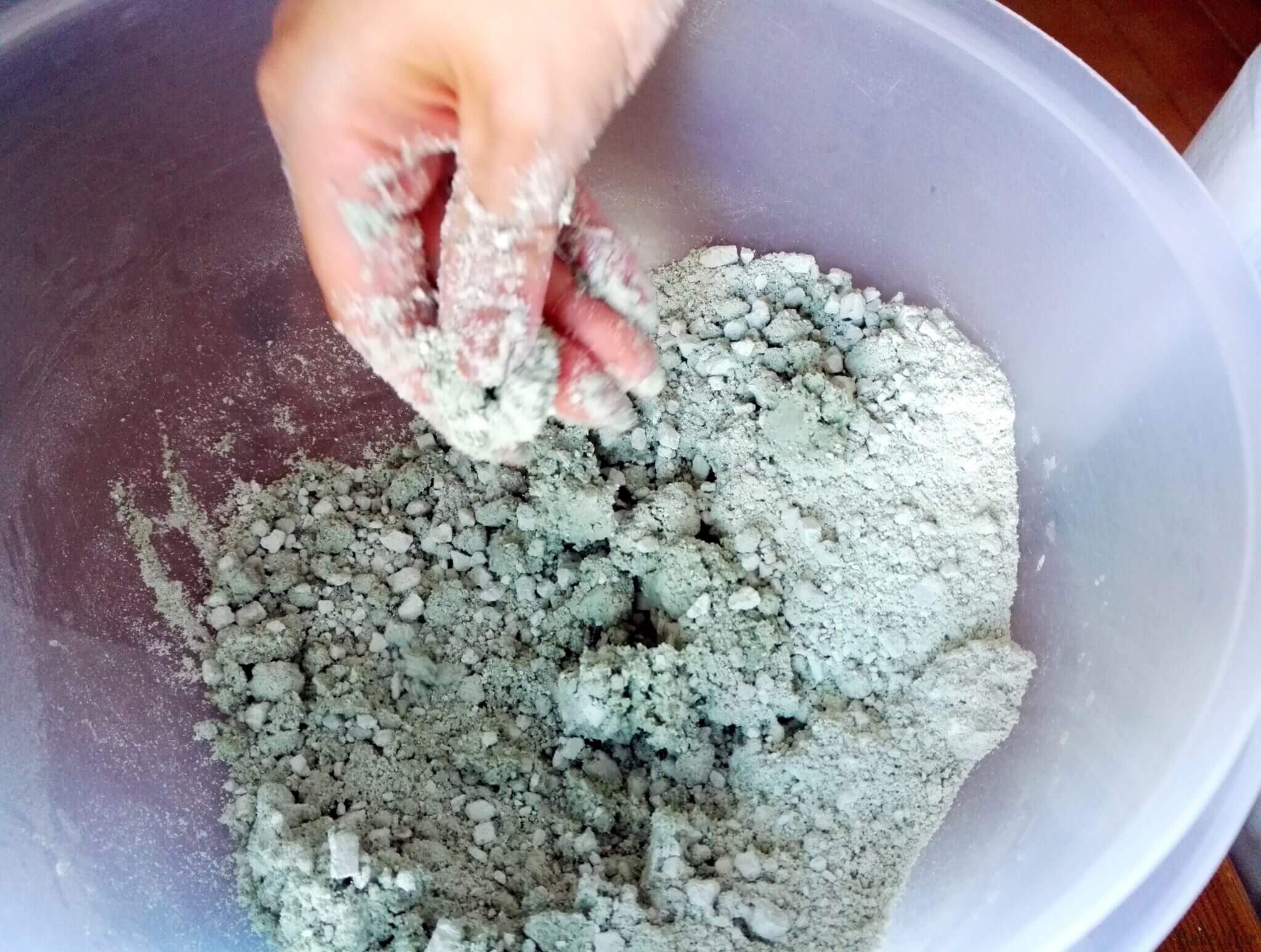
- Start by pouring the matcha dangako into a bowl, add a pinch of salt and sugar (only if the dangako doesn’t already contain sugar, so in this case I didn’t), and mix well.
- Add the 190ml of warm water little by little, always mixing between each addition. Ideally, don’t add all the water at once, because you want a consistent dough that’s neither too hard nor too soft. So sometimes you’ll need 190ml of water, sometimes a little less. Knead until you have a consistent texture that allows you to mold it, the Japanese say it has the consistency of an earlobe.
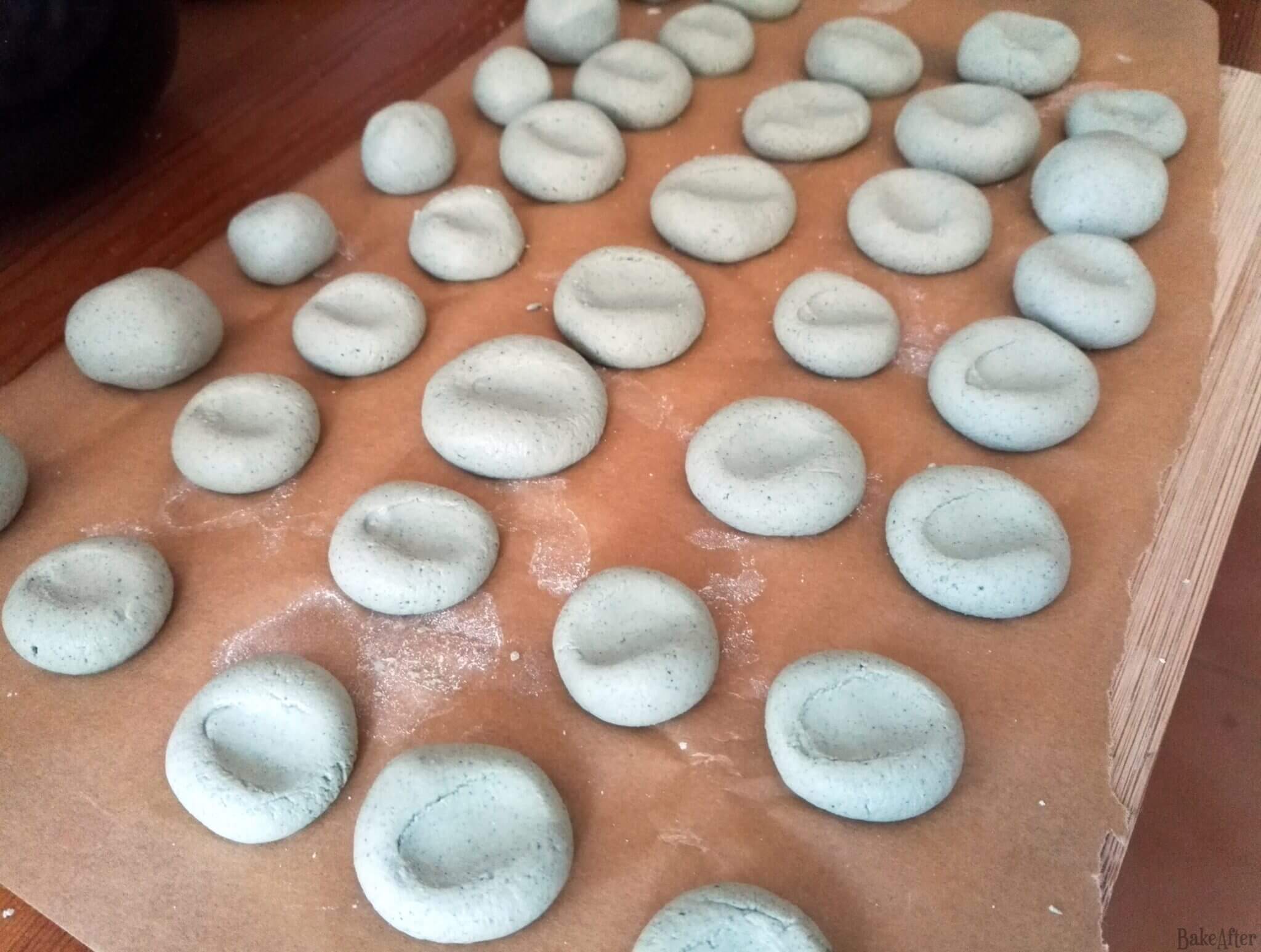
- Divide the dough into equal portions. Ideally, use a scale, because dango balls of the same size will cook evenly. Roll each one into a ball shape, approximately 2-3 cm in diameter.
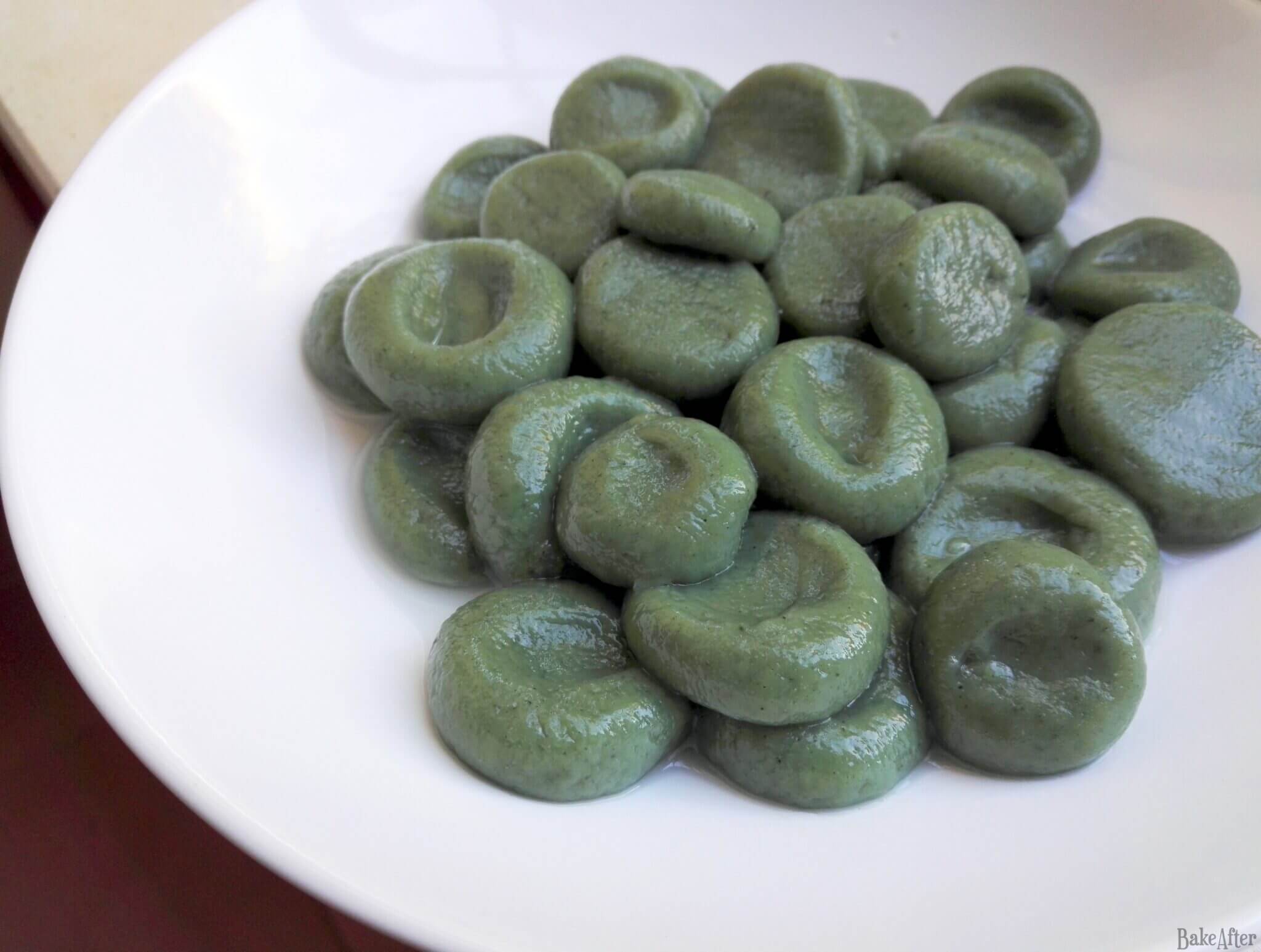
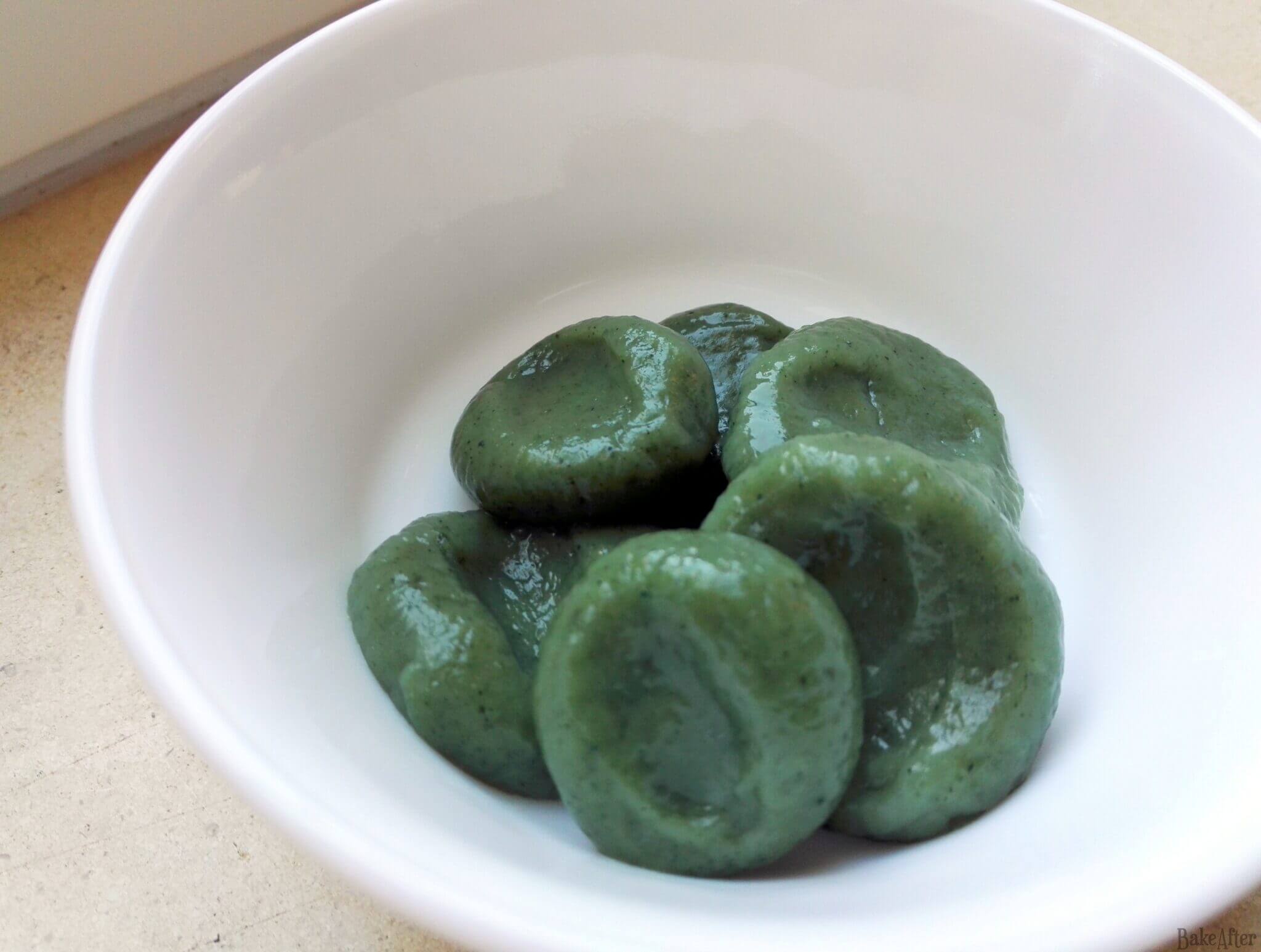
- Now, if you’re serving the dango on skewers, skip this step. But if you’re serving them in bowls, as I did, the traditional way is to flatten each ball slightly to give it a more disc-like shape. Arrange the disc shaped balls on a tray lined with parchment paper to prevent them from sticking. Prepare a large bowl with cold water and ice cubes.
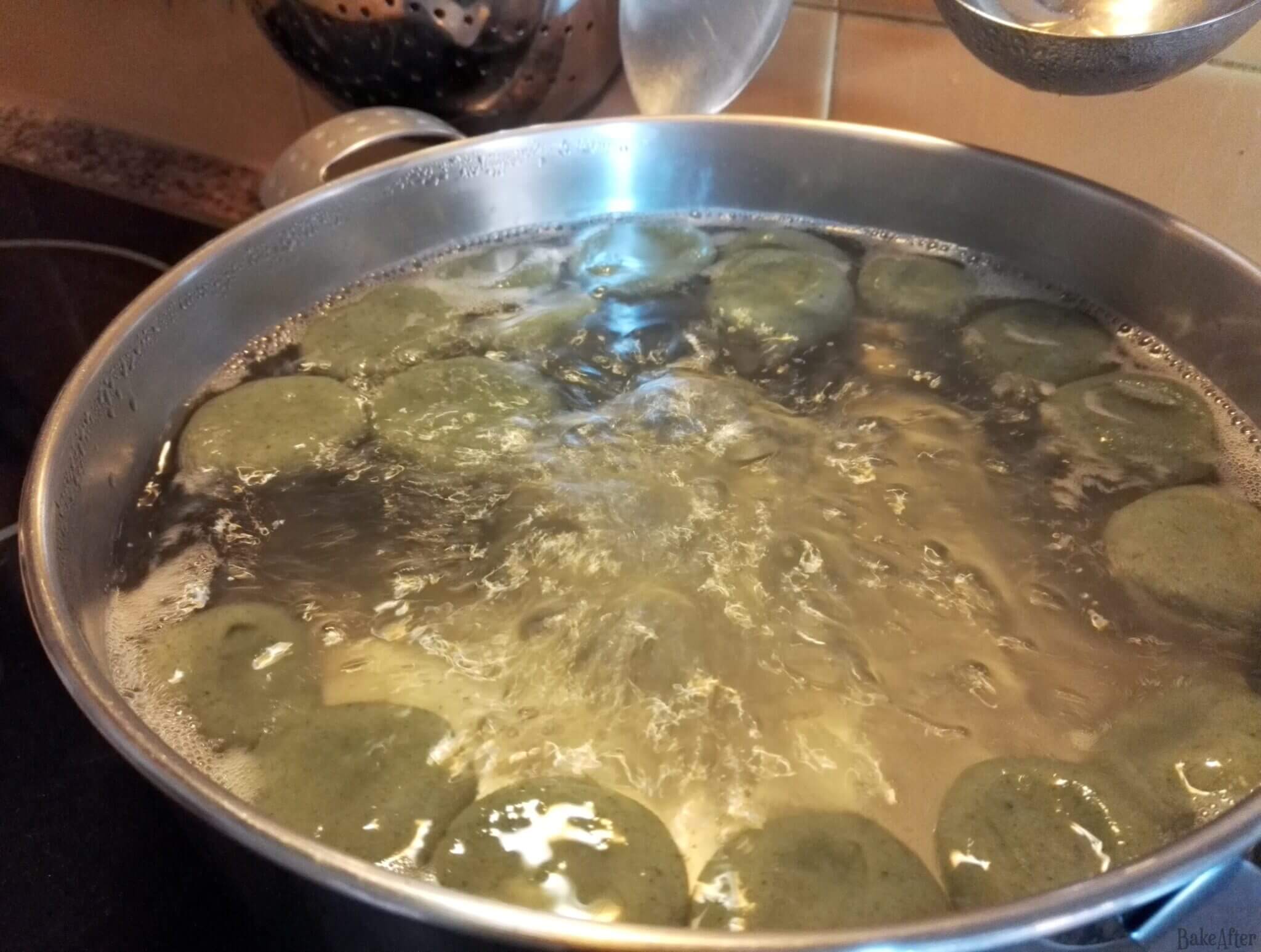
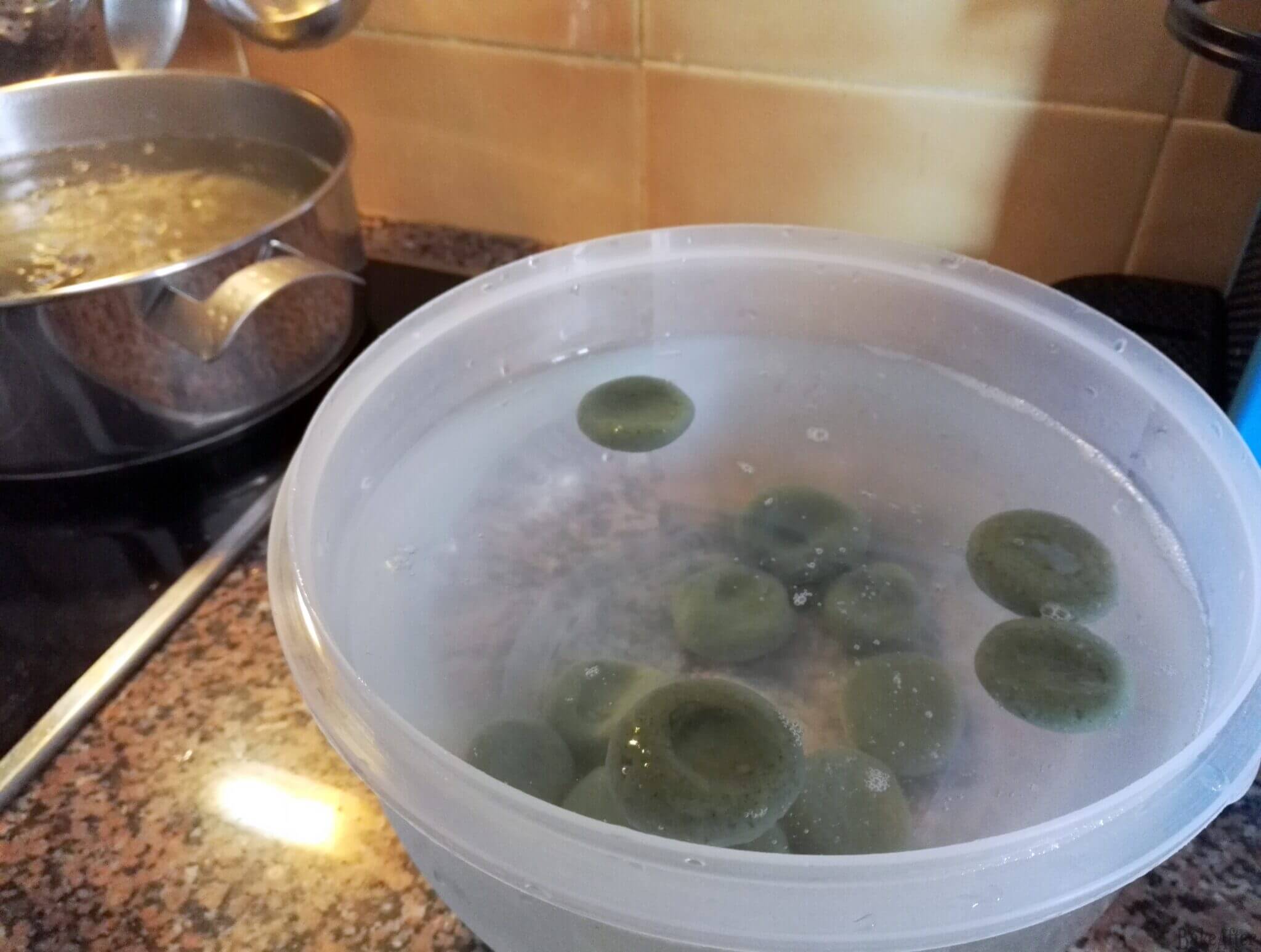
- Bring a pot of water to a boil over high heat. You want the water boiling, but not bubbling vigorously. Add a few dango pieces, not too many at a time, and wait until they begin to float (about 2 to 3 minutes). Then let them cook on the surface for another 1 to 2 minutes.
- Remove them with a slotted spoon and place them in your bowl of cold water. Let them sit for 1 minute while they cool. Of course while they cool, add more dango to the boiling water to cook them all.
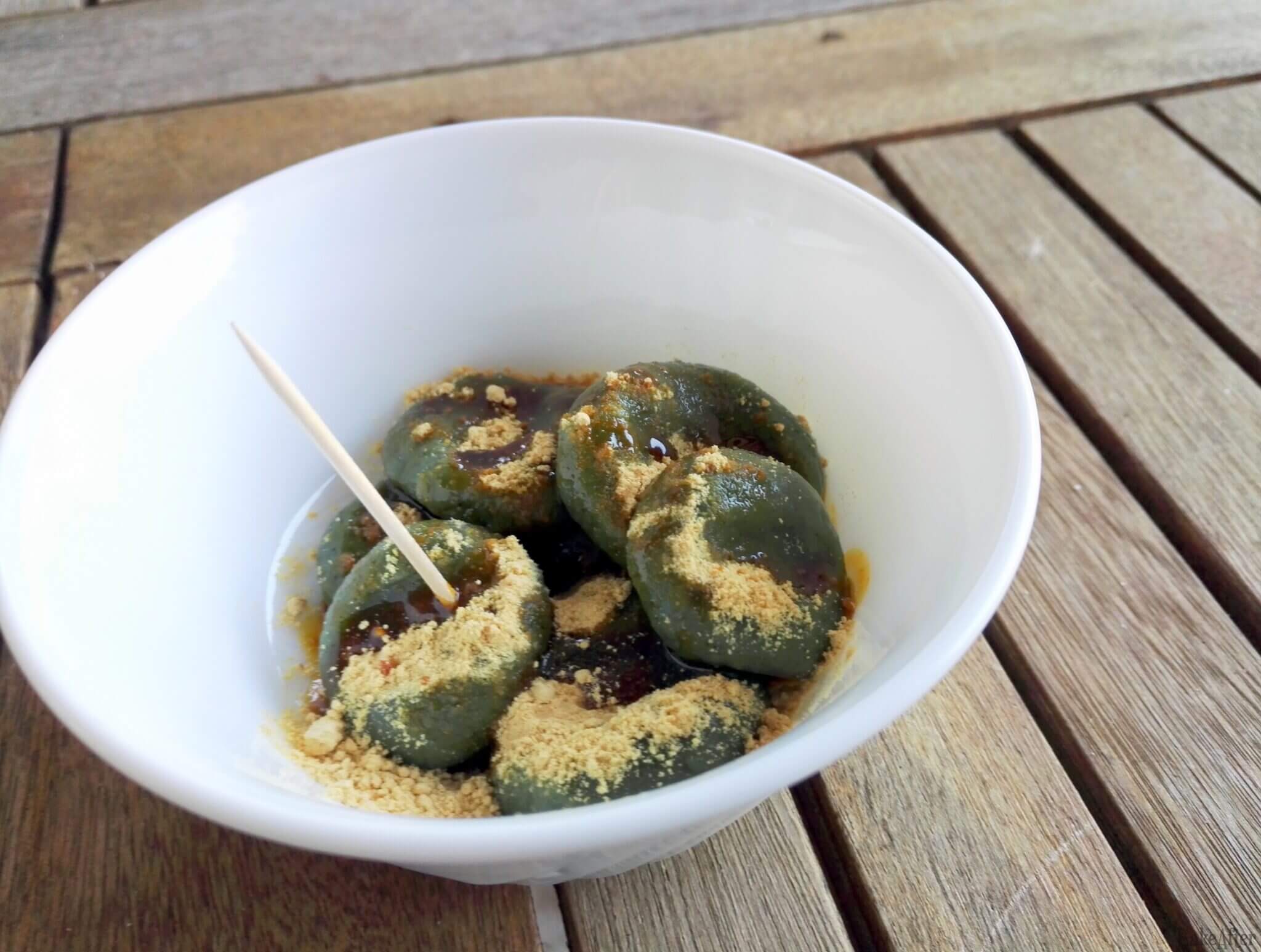
- Take the dango from the cold water and let them drain well. And that’s it! And it’s ready to serve, you can have them plain, or in this case in a bowl with a pinch of kinako and a drizzle of liquid kokuto, enjoy!
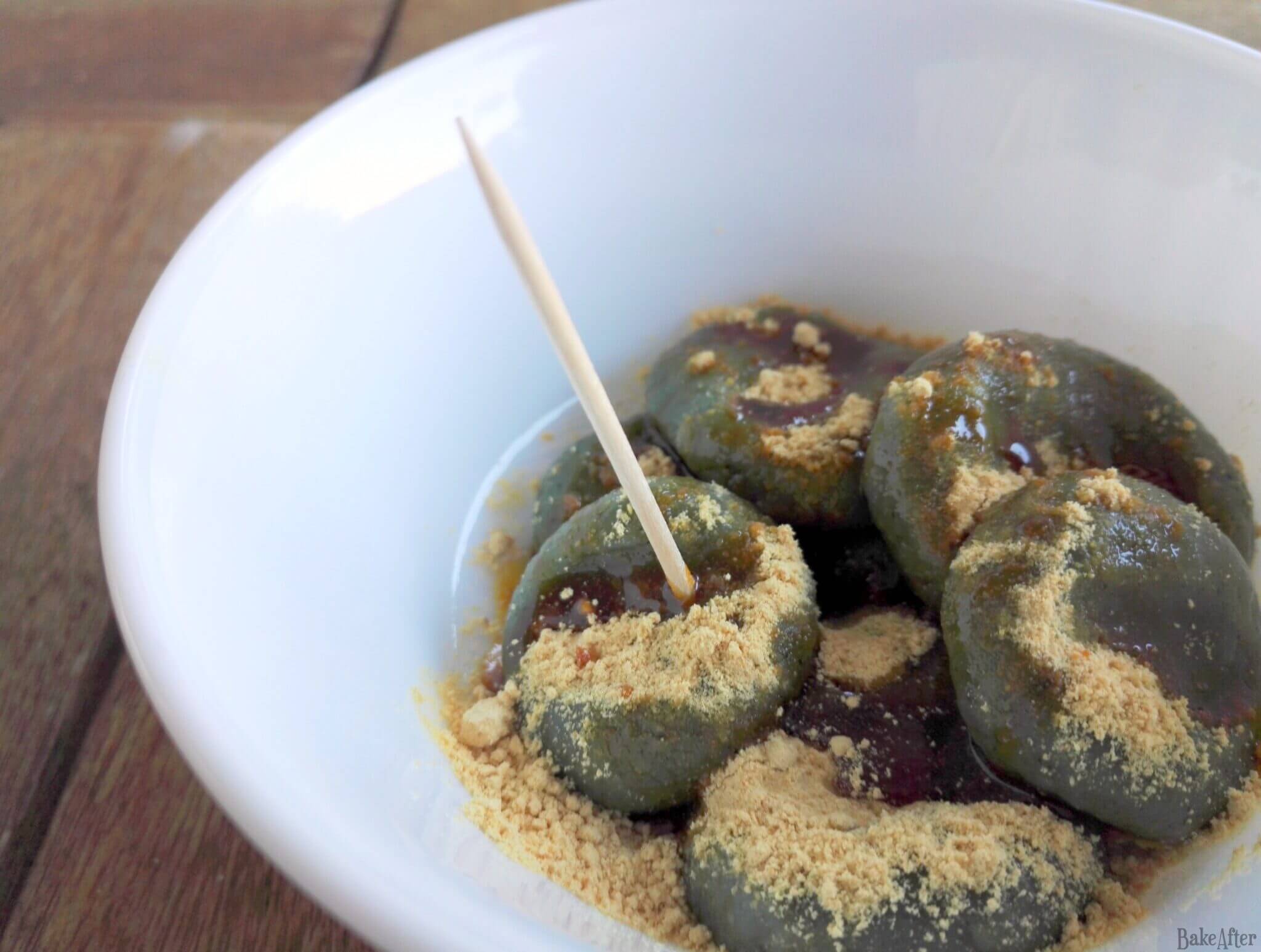
Leftover dango can be stored in an airtight container in the fridge for later, but fair warning, they will harden quite a bit as they cool down. It’s very common to reheat them in the microwave for a few seconds or lightly toast or grill them before serving to bring back that soft, pleasant chew. A quick 30 seconds in a pan over medium heat with no oil gives them a lovely slightly golden outside that is honestly even better than fresh.
If your dough feels too stiff and is cracking when you try to roll it, add half a teaspoon of water at a time until it softens. If it’s too sticky and wet, a little more dangako powder will fix it right up. The earlobe test really is the best guide here!
For the boiling step, don’t overcrowd the pot. Giving each piece space means the water temperature stays consistent and they cook evenly. Working in small batches of 6 to 8 at a time is ideal.
This is a really nice treat and honestly I made them very simple here, but dango and mochi-style dough open up a whole world of possibilities. You can add a ton of toppings as well stuff these with all kinds of fillings, from melted chocolate, to sweetened azuki bean paste, peanut butter, or even fruit. Once you’re comfortable with the base dough, don’t be afraid to experiment!
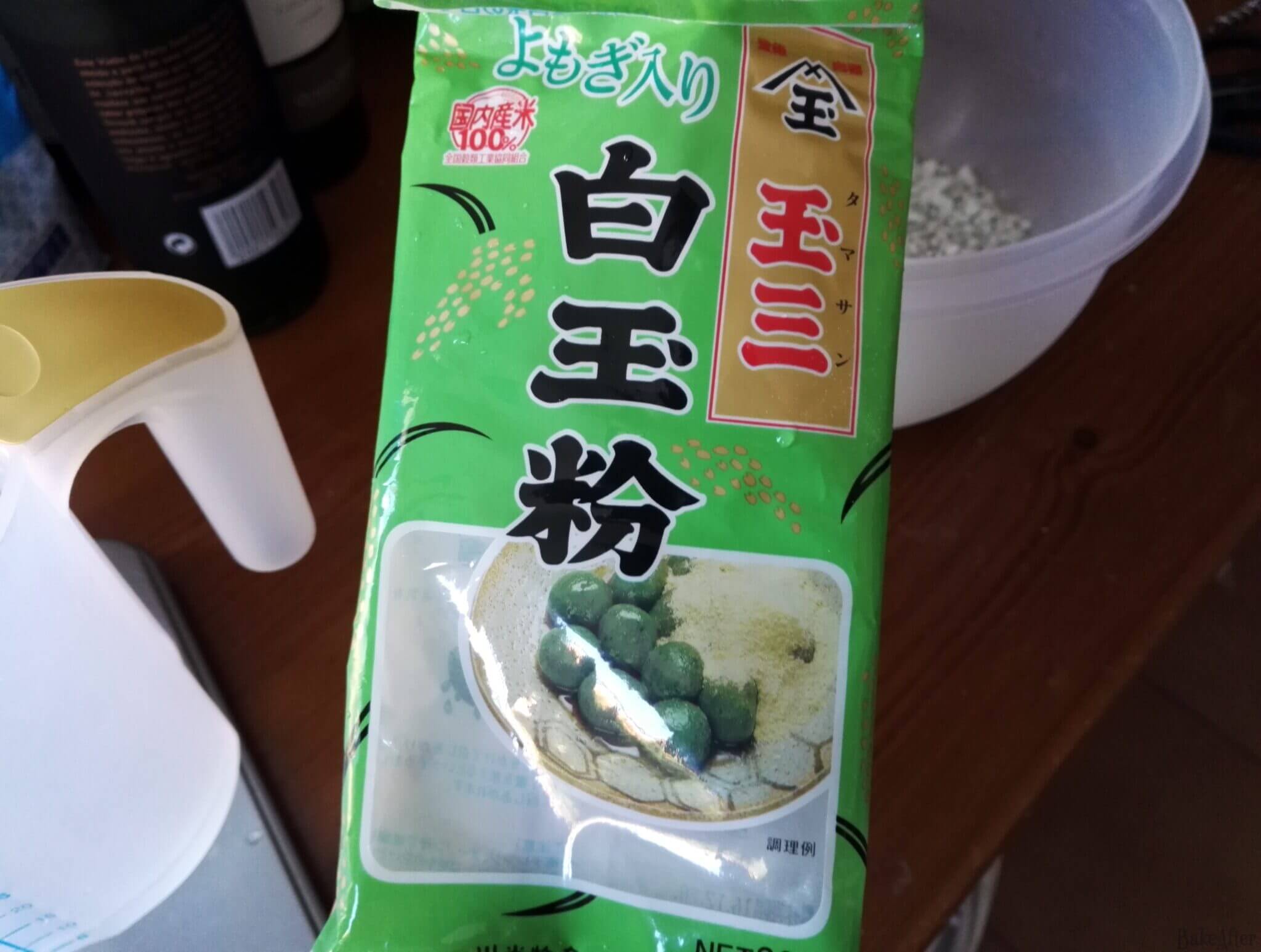
This is the Matcha Dangako that i used! ;D
This recipe for Japanese Sweet & Chewy Matcha Rice Dumplings • Dango with Kinako was originally created on BakeAfter.com. Esta receita de Dango Matcha com Kinako • Bolinhos de Arroz com Chá-Verde Matcha foi publicada em português no Iguaria.com.
Nutrition
Per Serving: 280 calories; 2.8 g fat; 59.6 g carbohydrates; 4.2 g protein.Did you try this recipe?
Let me know how it turned out for you! You can leave a comment below ;D
Discover more from BakeAfter
Subscribe to get the latest posts sent to your email.