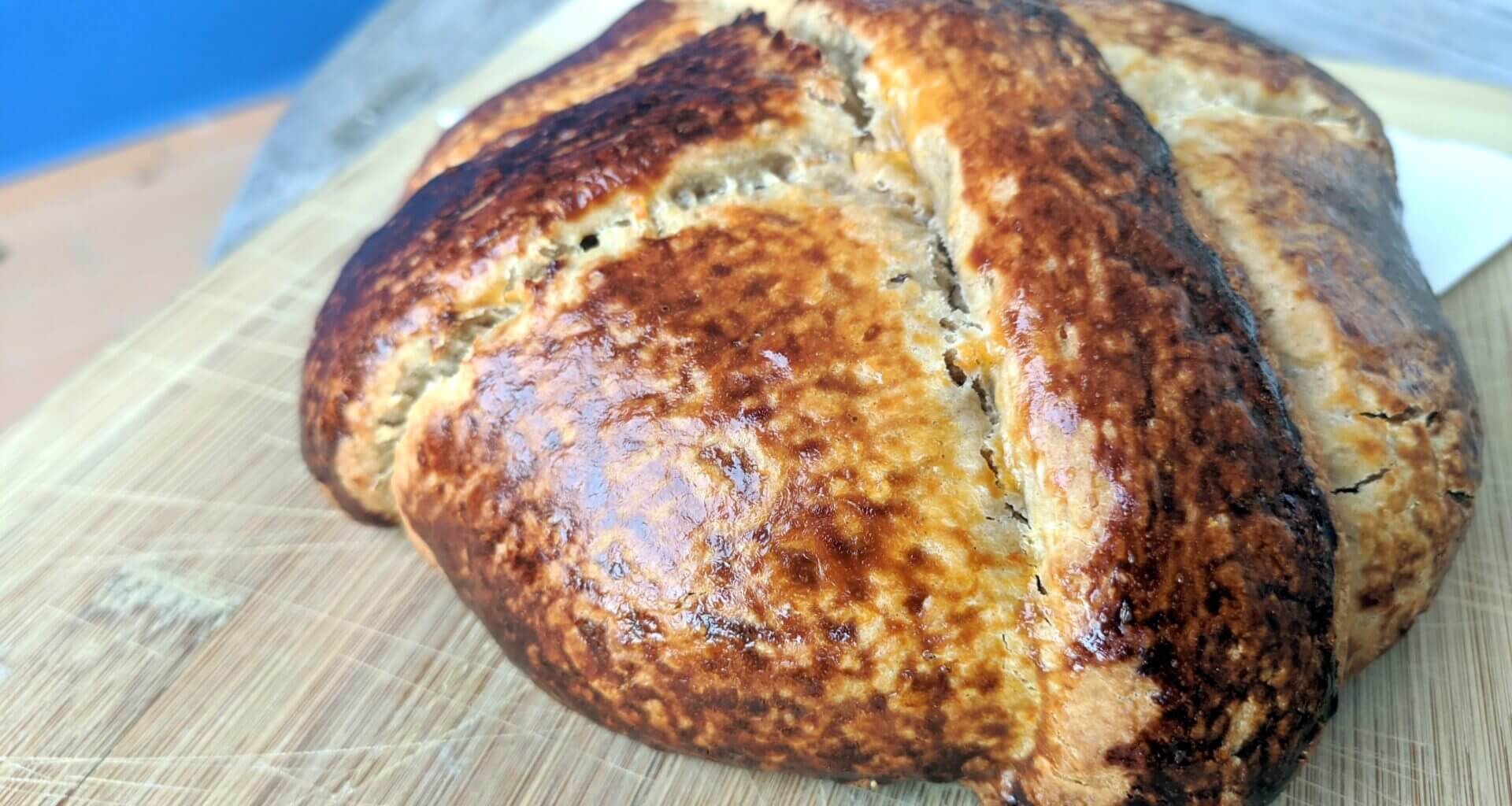

A Portuguese home without a folar for Easter is simply not a Portuguese home, hehehe. The folar is one of those things that is just non-negotiable on the Easter table, you can have one, you can have three, but you absolutely have to have at least one. And in case you are wondering what exactly a folar is, it is an enriched bread, something between a bread and a cake, a little bit akin to a rustic brioche but with more spices and a more dense crumb. There are plenty of different recipes out there, plus every family has their own version, but the one thing they all have in common is that they belong on an Easter table in Portugal.
This recipe is a slightly more aromatic take on the classic, with a little extra cinnamon and fennel, plus a touch of orange zest that just takes the whole thing to a different level. Was the first attempt perfect? Not exactly, and you will hear all about that in a moment, but the flavor was absolutely fantastic, so it is absolutely worth sharing. Sometimes the best recipes are the ones that teach you something along the way, right?
The idea here was also to create a recipe for a single folar, because most traditional recipes make two enormous ones, and unless you are feeding a whole village for Easter Sunday, one is plenty. So this is a half-dose, just enough for one beautiful golden folar that you can bring to the table and feel very proud of yourself, hehehe. Alright, enough talking, let us get to the recipe!
Homemade Portuguese Traditional Easter Sweet Bread • Folar
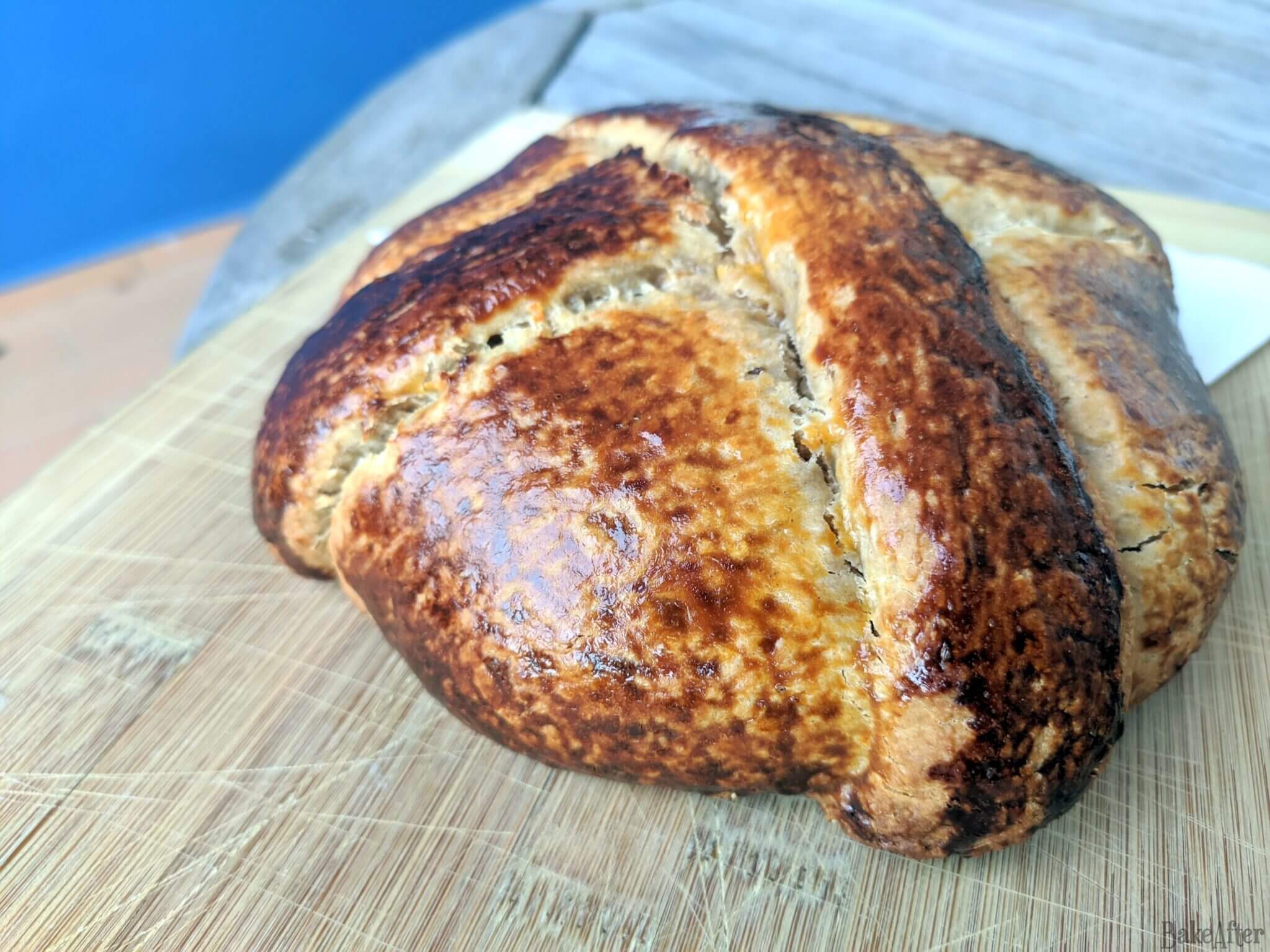
For Easter nothing like a delicious recipe for a classic Portuguese Easter folar with that little extra aroma and spice. Absolutely delicious!
Ingredients
- Flour – 500 g
- Baker’s Yeast – 10 g
- Water – 100 ml (Warm)
- Eggs – 2 (Room temperature)
- Egg yolk – 1 (For Brushing)
- Sugar – 150g
- Butter – 50g (Melted)
- Cinnamon – 1 Teaspoon (Heaping)
- Fennel – 1 Teaspoon
- Orange – 1 Teaspoon
- Salt – 1/2 Teaspoon
Directions
- Start by combining the active dry yeast with the warm water, and let it sit for about 5 minutes until it starts to bubble or puff up (a good sign).
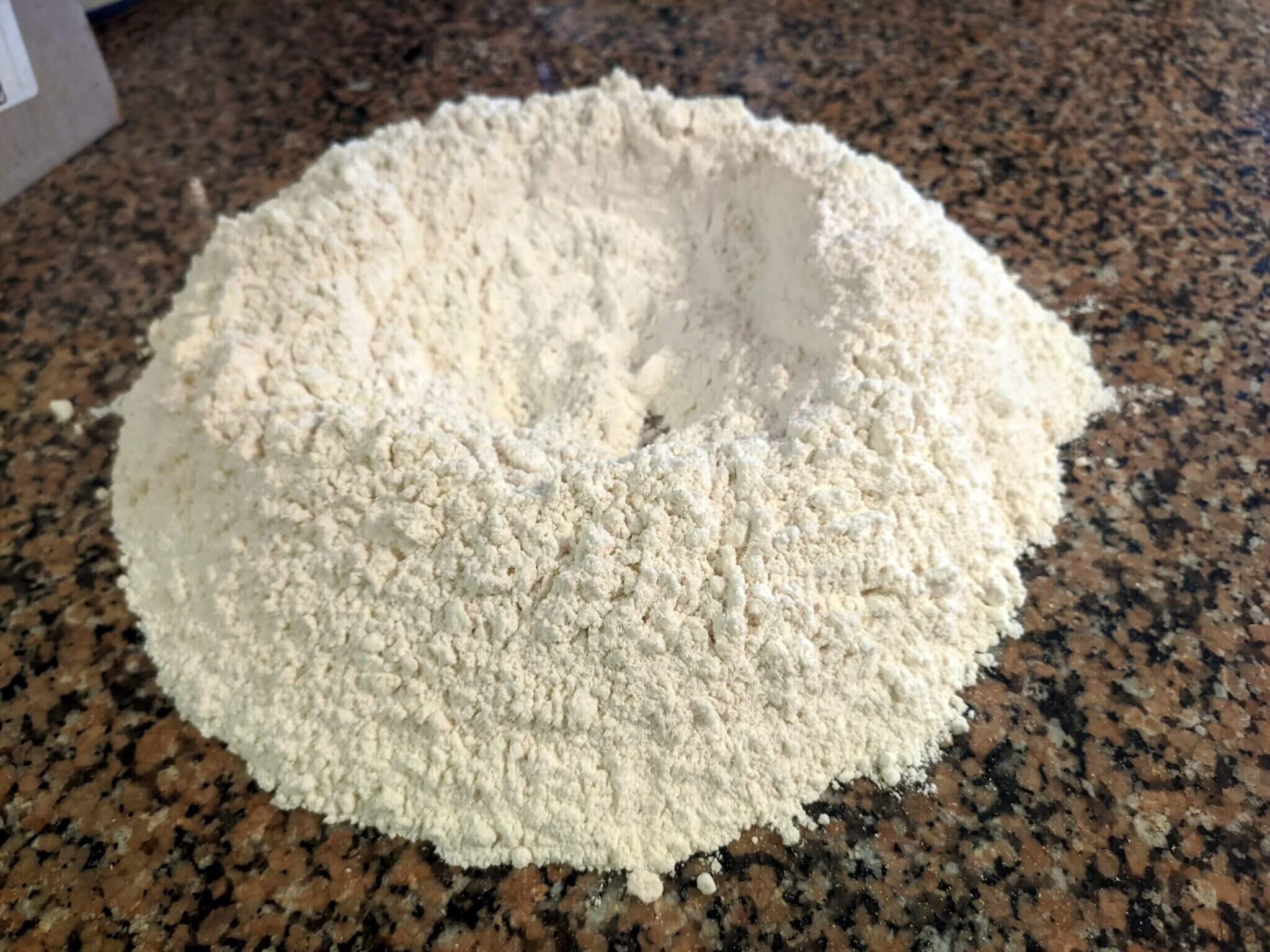
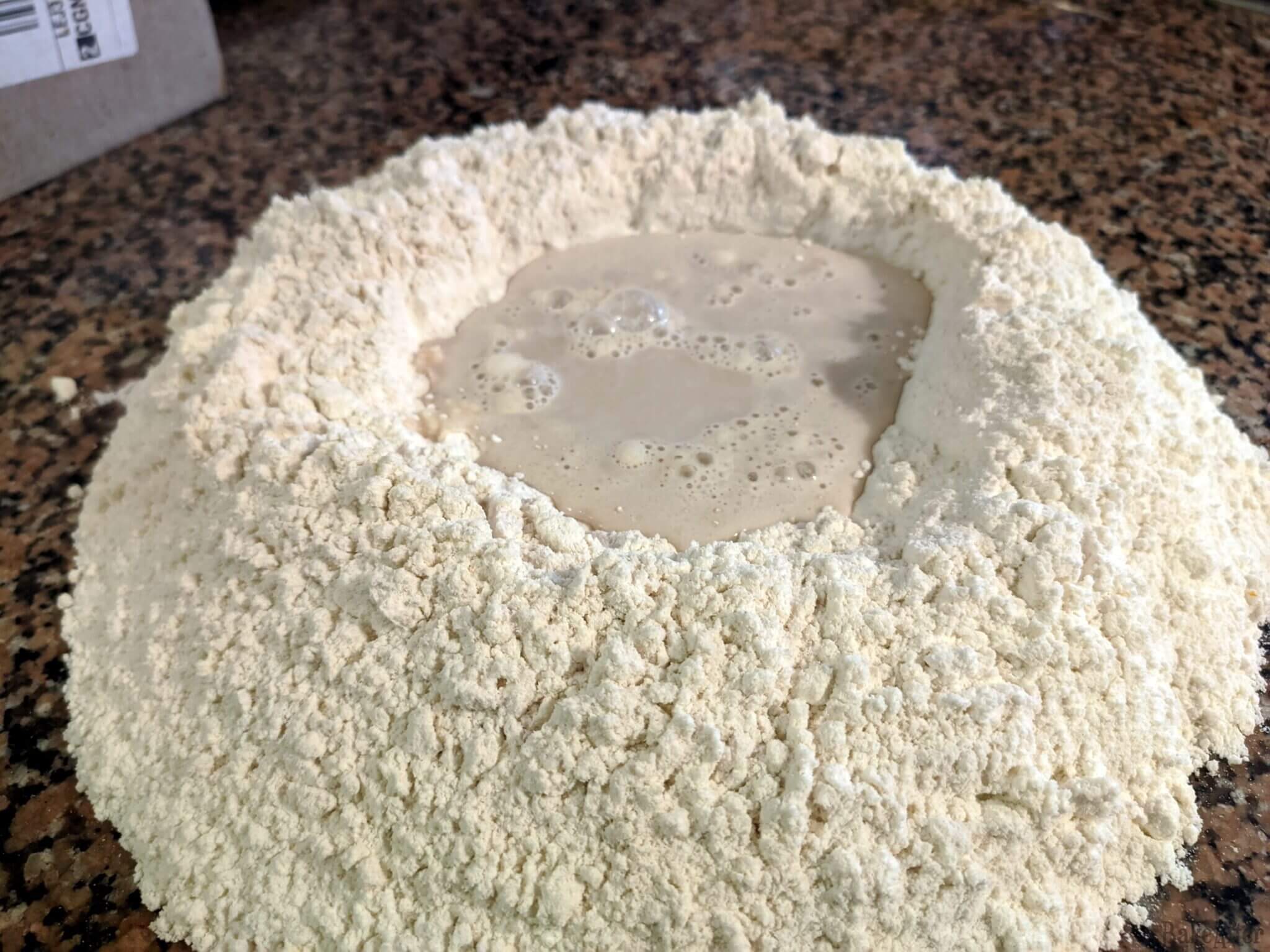
- Pile the sifted flour onto the countertop or cutting board, make a well in the center, and pour in the yeast water mixture; mix it in a little.
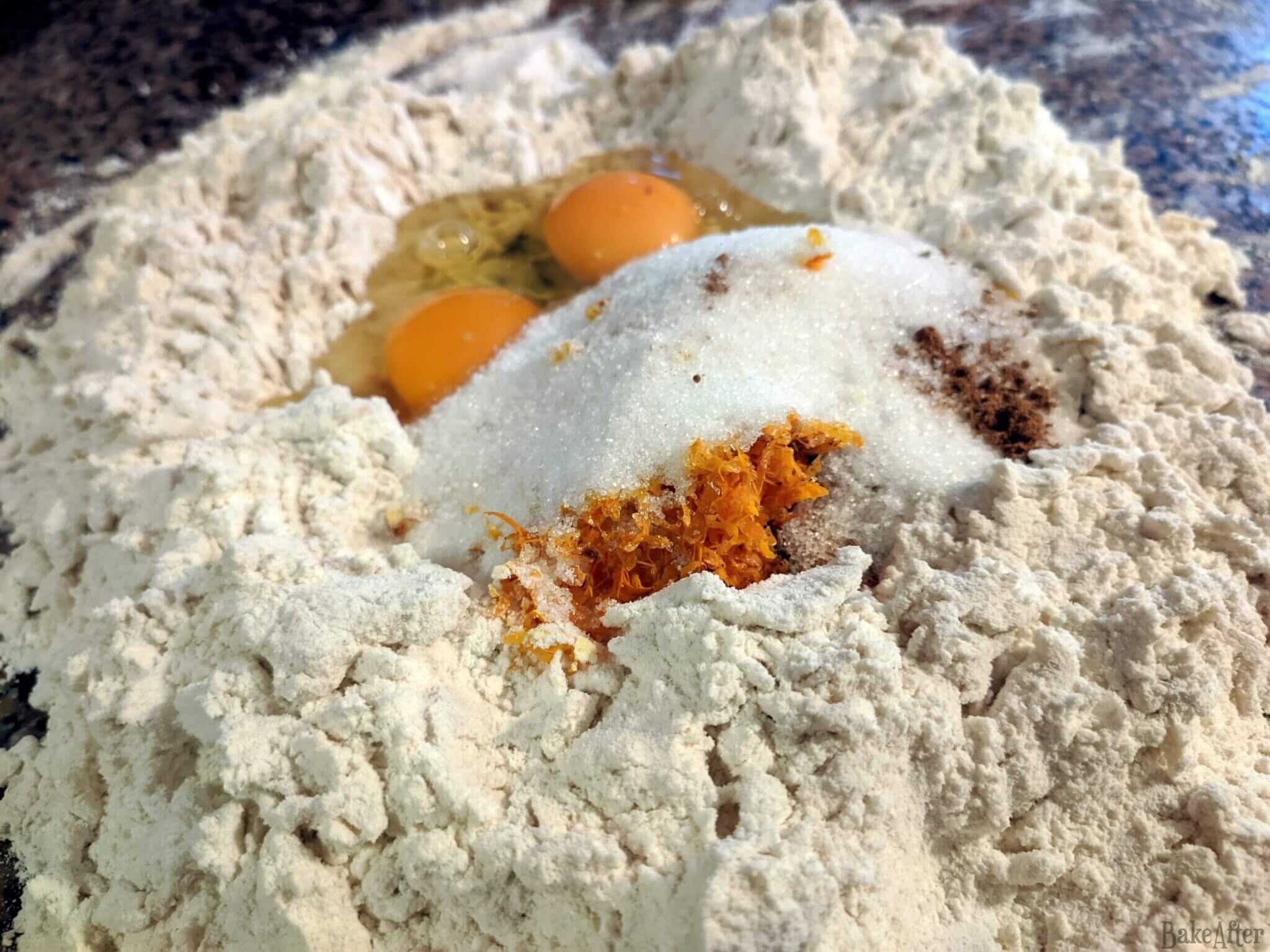
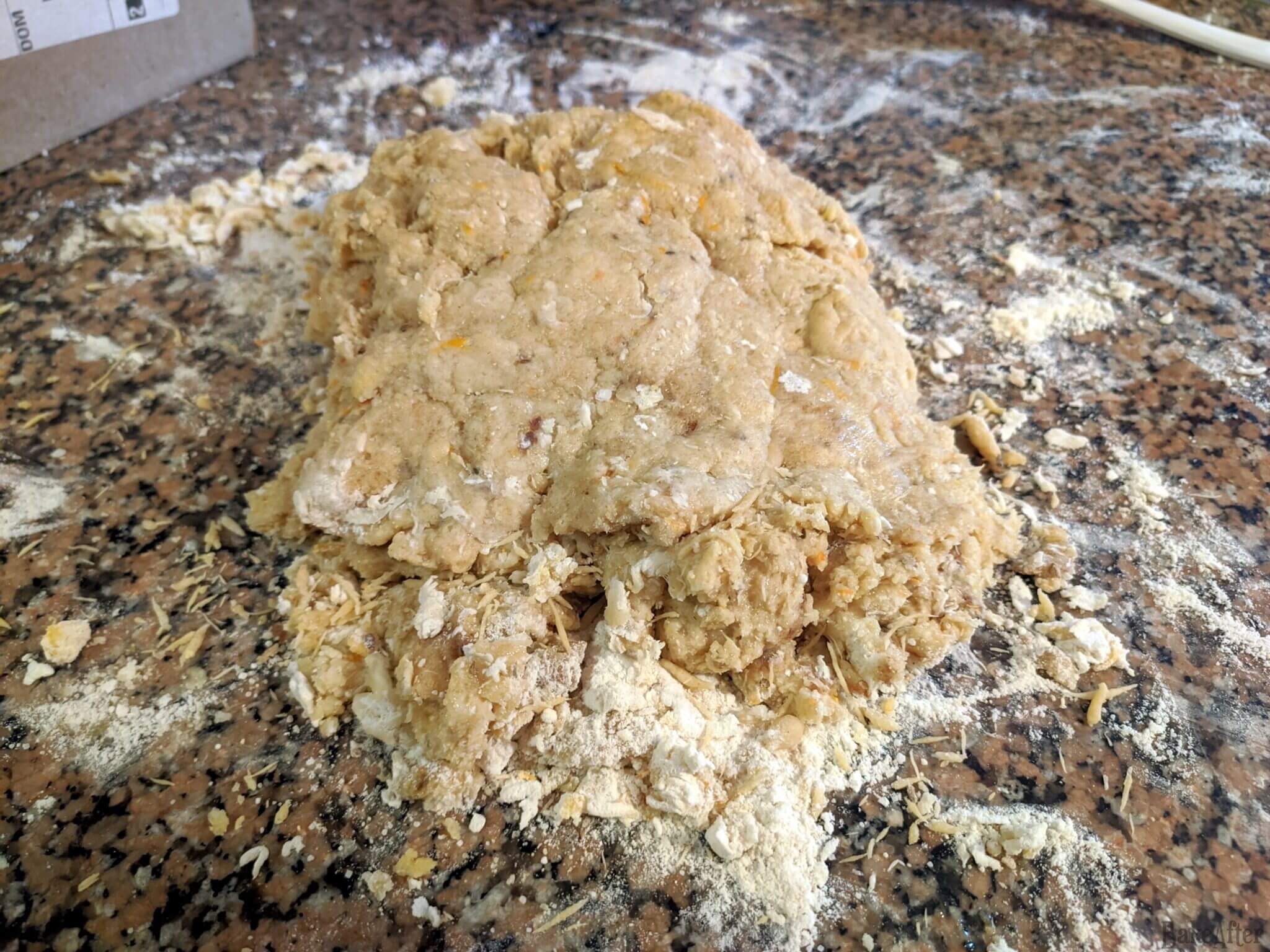
- Then make another well and add the 2 eggs, sugar, melted butter, orange zest, cinnamon, fennel, and salt, mix everything well, then knead for a few minutes (up to 10 minutes) until you have a smooth ball of dough.
- Place this ball in a large bowl and let it rise in a warm place for at least 1 hour or more until it doubles in size.
- Once the time has passed, preheat the oven to 180°C and line a baking sheet with parchment paper.
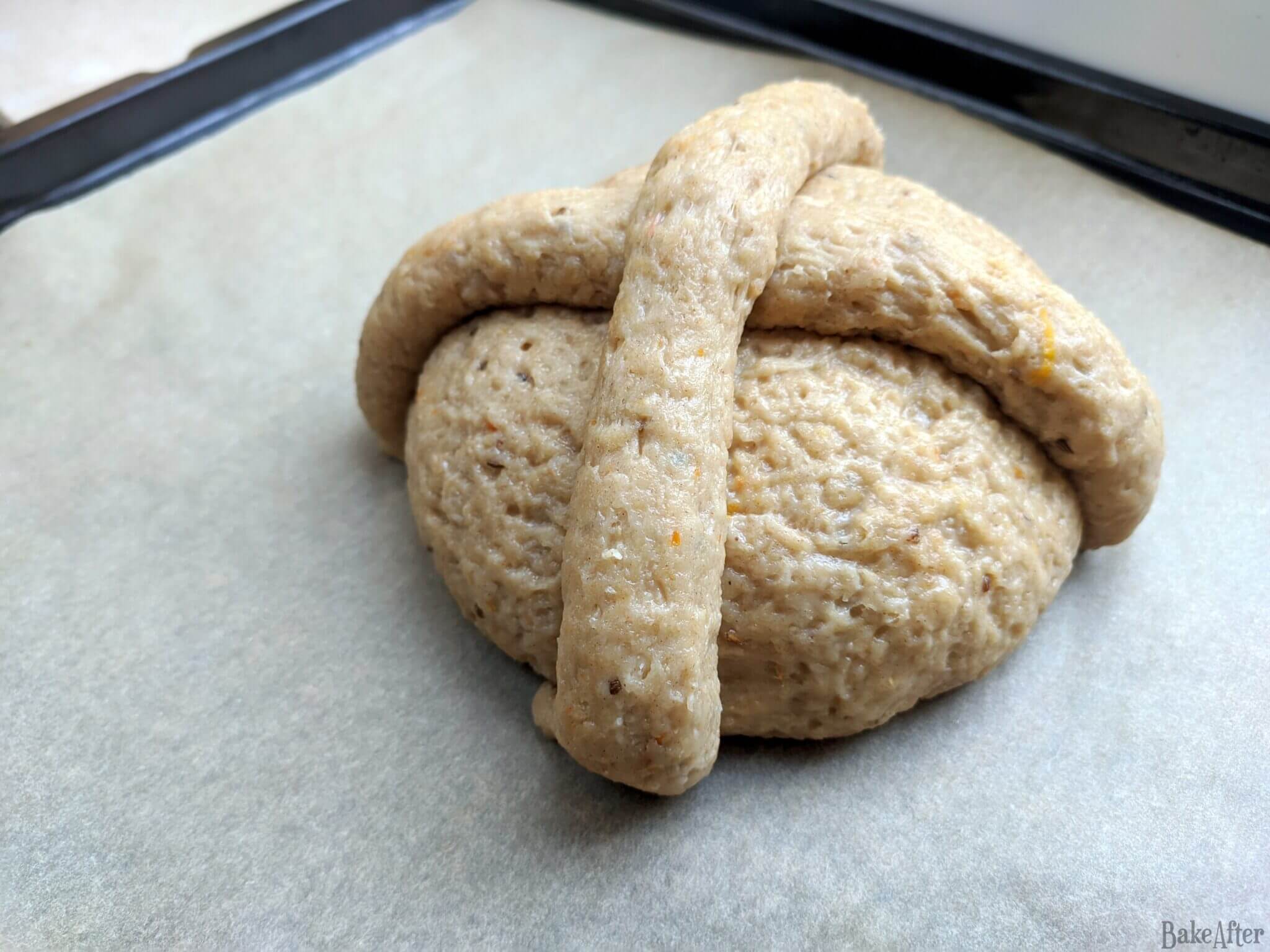
- Remove the dough from the bowl, cut off two small pieces of dough, and roll them out into two strips. Shape the remaining dough back into a ball and place it in the center of the baking sheet. Place the two strips on top to form a cross over the dough ball.
- Cover the dough and let it rise again for another hour.
- Finally whisk an egg yolk and brush the dough generously.
- Bake in the preheated oven (at 180ºC or 356ºF) for about 33 minutes until golden brown, if the top starts to burn too much, cover the cake with a little aluminum foil.
- Remove from the oven and it’s ready to enjoy. Bon appétit and Happy Easter!
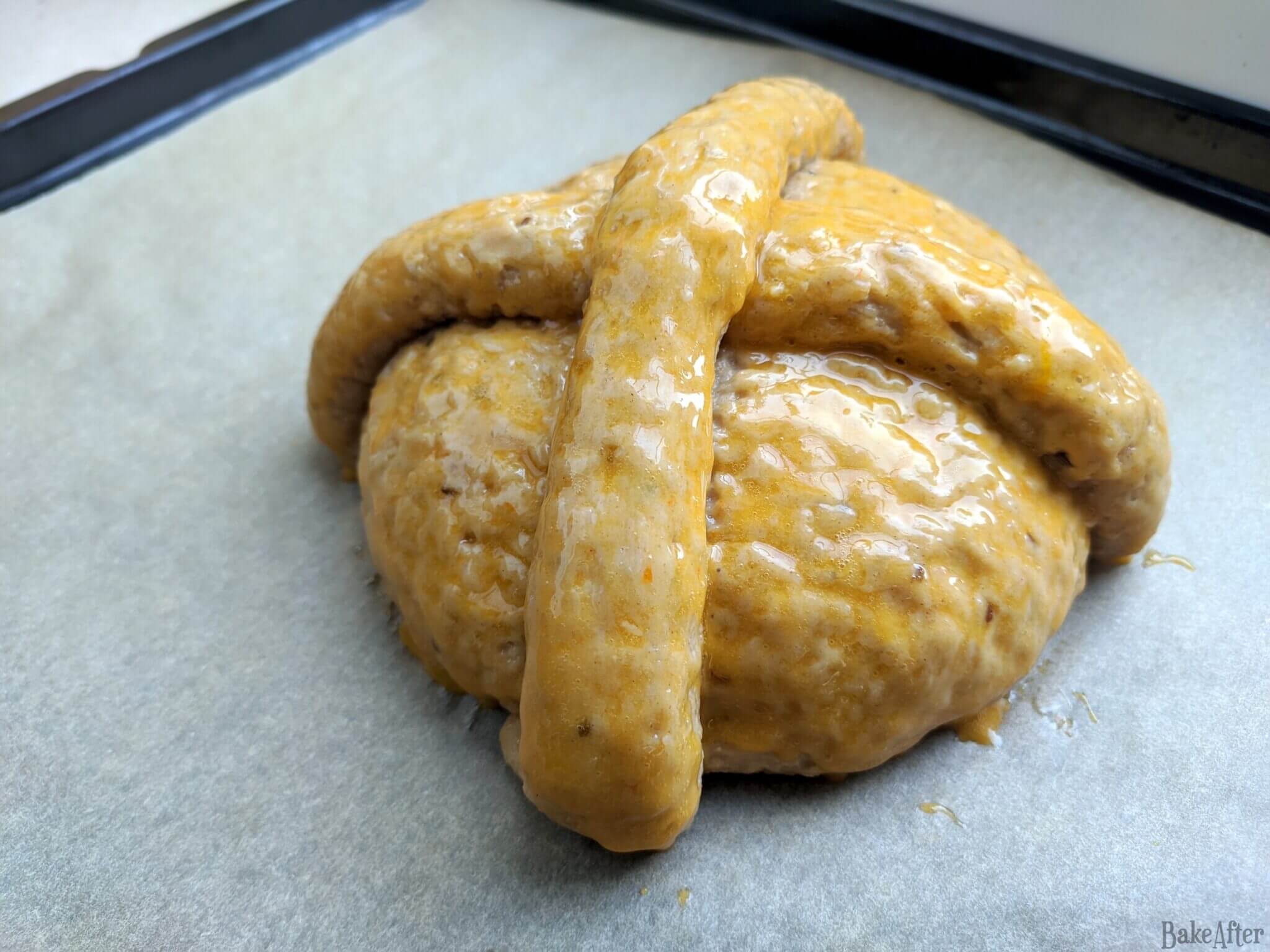
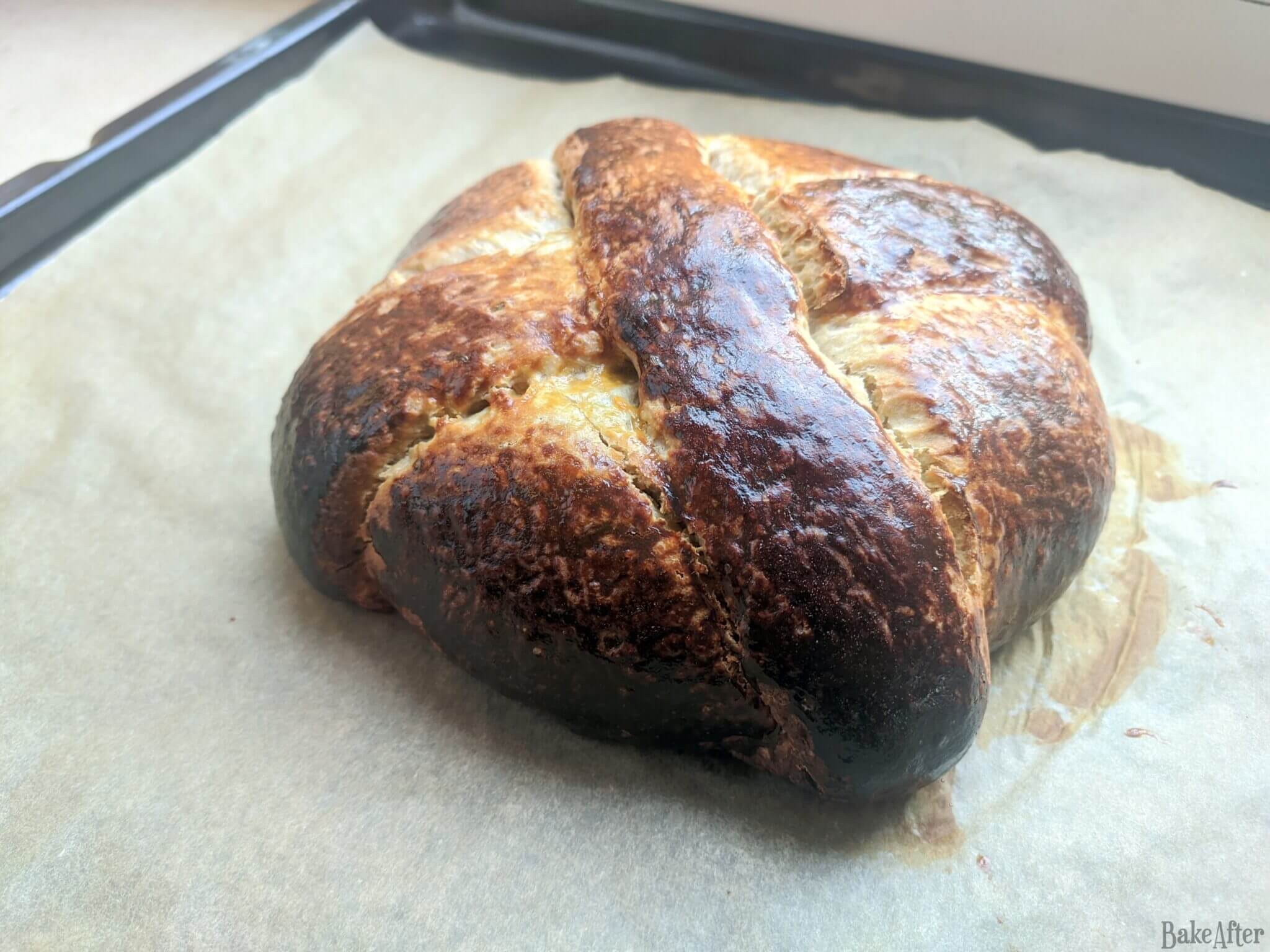
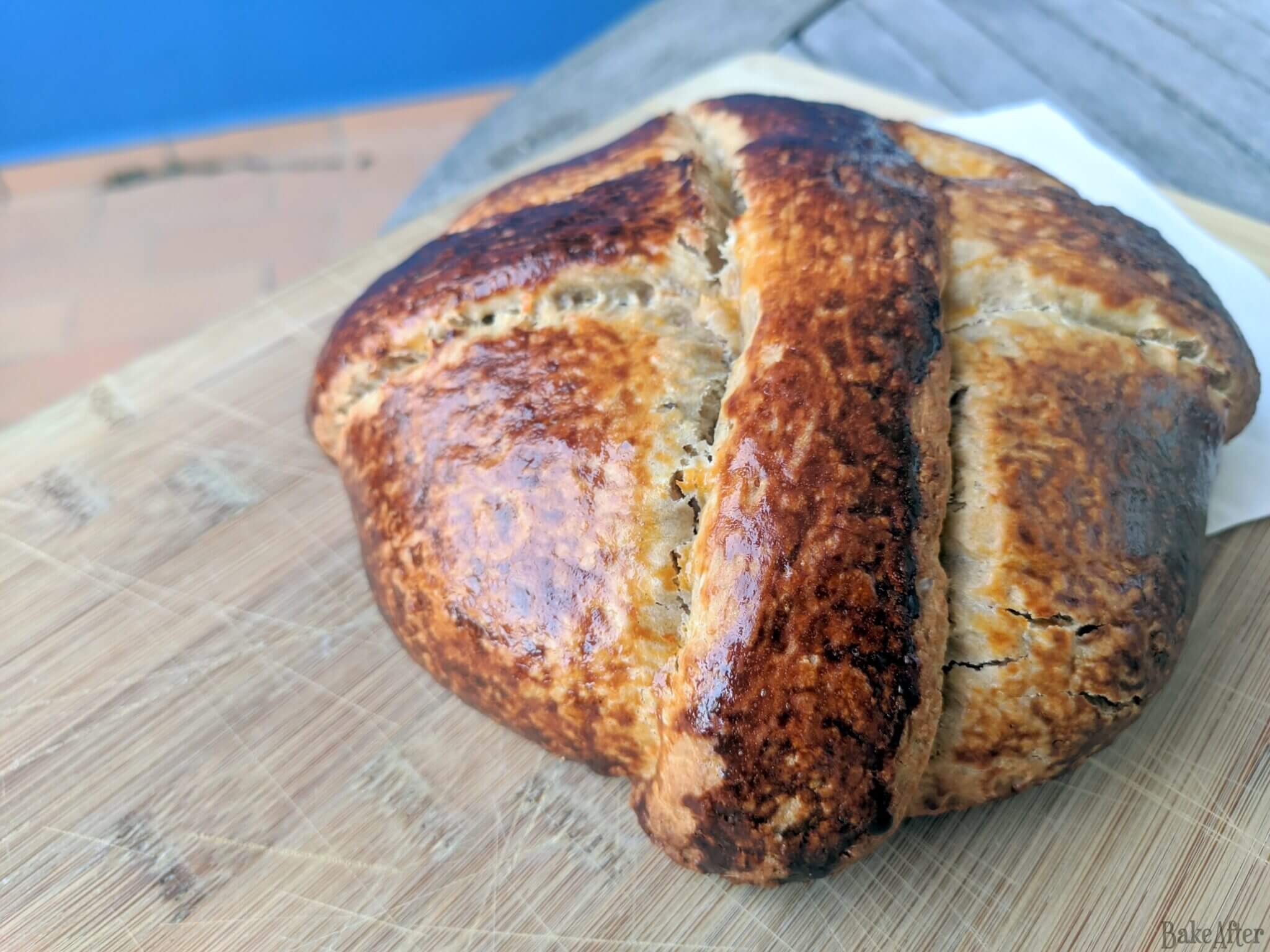
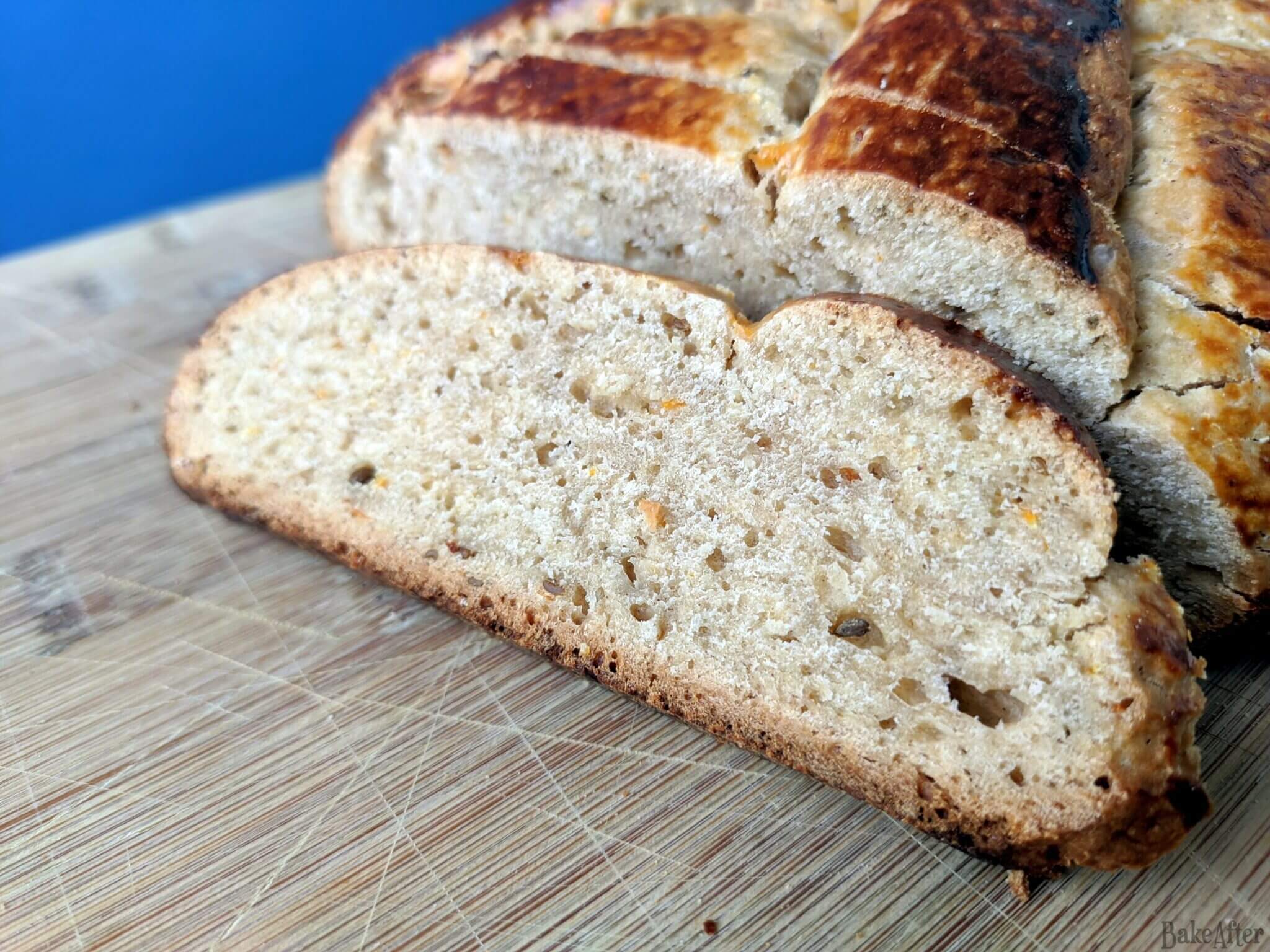
Yeast and warmth are best friends. The biggest lesson from my first attempt at this recipe was that cold kitchens are the enemy of good bread. If your kitchen is cold, turn your oven on low for just a couple of minutes, turn it off, and then let your dough rise inside the oven with the door slightly open. That gentle warmth makes all the difference, this folar was delicious but it needed a bit more salt and didn’t rise properly, don’t get me wrong, it was still delicious but the crumb wasn’t perfect! ;D
Make sure your eggs are at room temperature before you start. Cold eggs can affect how the dough comes together, so take them out of the fridge at least 30 minutes before you begin.
On the topic of the hard-boiled egg, which is traditional in Portuguese folares: you can absolutely add one if you want that classic look. Just boil an egg (maximum is like 3 per folar), let it cool completely (don’t peel the egg), place it on top of the dough ball, and then lay the dough strips over it to hold it in place. My personal preference is to skip it since half the slices end up with awkward holes or bits of egg and shell, but tradition is tradition and I respect it completely, hehehe.
This recipe makes one single folar, which is the perfect size for a small family or a small Easter gathering. If you want to make two, just double everything. Lots of classic portuguese folar recipes have like 1kg of flour, that’s why it kinda always gives you 2 big or 3 medium folares ;D
This recipe for Homemade Portuguese Traditional Easter Sweet Bread • Folar was originally created on BakeAfter.com. Esta receita de Folar Doce da Páscoa foi publicada em português no Iguaria.com.
Nutrition
Per Serving: 278 calories; 6.4 g fat; 48.5 g carbohydrates; 6.7 g protein.Did you try this recipe?
Let me know how it turned out for you! What are your Easter food traditions? You can leave a comment below ;D
Discover more from BakeAfter
Subscribe to get the latest posts sent to your email.