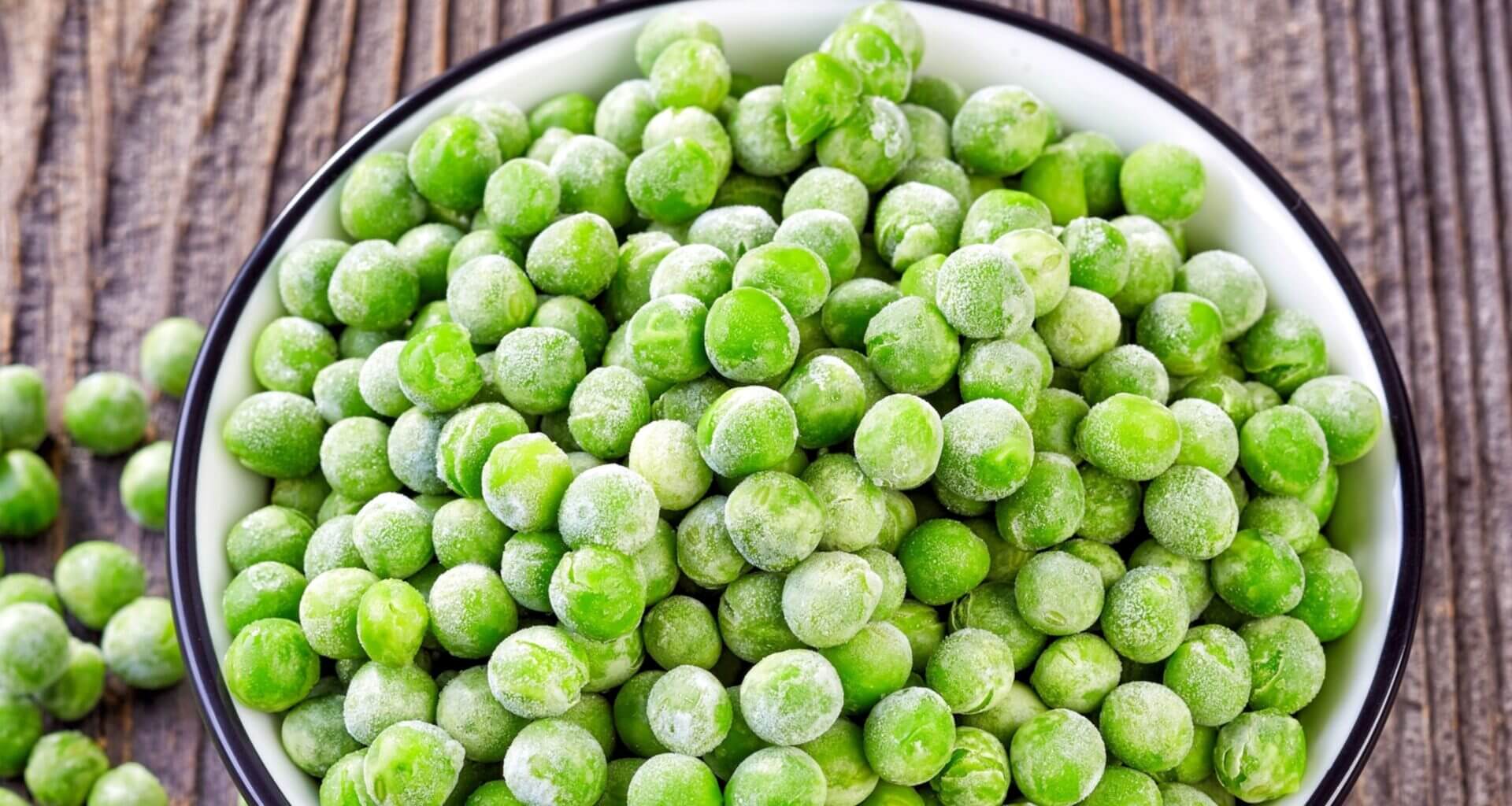

Oh oh… continuing my little series of recommendations, today I want to talk about the humble pea. I know, I know, you’re probably picturing those little green balls floating in your Chinese takeout rice, or the odd one bobbing in a soup or a tuna salad. It’s one of those vegetables that just kind of drifts through our lives, completely overlooked. But more than the pea itself, I really want to talk about the frozen kind. Huh? What? Frozen Peas? Just hear me out.
First, let’s be honest, how many of you have grabbed a bag of frozen peas from the freezer and used it as an ice pack for a bump or a bruise? Yeah. Even I’ve done it (and yes, I still cooked those peas afterward, which, for the record, is a terrible idea since thawing and refreezing absolutely wrecks the texture and flavor, so if you use them as an ice pack, just commit those to the ice pack life). But this is exactly my point. We have this fantastic vegetable sitting forgotten in our freezers, when it could, and should, be one of our best kitchen allies.
Why Peas? Why Frozen?
Peas are one of the most underestimated vegetables out there. People see them as that green thing on a restaurant plate that’s only there for decoration, or the thing kids push to the side without even tasting. And that is a massive waste, both of your money and your nutrition.
Nutritionally, peas are genuinely impressive. They are rich in plant protein (yes, actual protein!), loaded with fiber, packed with vitamin C, vitamin K, iron, and more. A single cup of peas has more protein than many yogurts, more fiber than a slice of whole wheat bread, and a solid hit of iron too. I’m generalizing a little, of course, because bioavailability is a whole other conversation, but the numbers are real.
And here’s something that might genuinely surprise you, frozen peas often have a better nutritional profile than the “fresh” ones you buy at the grocery store. That’s because they’re harvested at peak ripeness and frozen almost immediately, locking in all those nutrients. Those fresh peas sitting in the produce aisle may have been picked days or even weeks ago and have already lost a significant chunk of their vitamin C and natural sweetness. Freshly picked peas can lose up to half their vitamin C within 24 hours of harvesting, which is kind of wild when you think about it, you think fresh is best but sometimes the frozen or canned is really the most nutritious!
Not only that but frozen peas are already processed, if you buy fresh, you buy the whole pod with the peas, so you still need to take the peas out of the pods that you are probably throwing away! What a waste of product, money and time.
The Versatility Nobody Talks About
Here’s where it gets interesting. Frozen peas are probably one of the most versatile ingredients you can have in your freezer, and almost nobody seems to know it. Just off the top of my head, you can toss half a cup into any stir-fry or sauté in the last two minutes for color, texture, and bonus nutrition. You can throw them into any rice dish, pasta, or grain bowl. You can blend them into a creamy, vibrant green soup in about ten minutes, or just stir them into an existing soup to bulk it up. You can fold them into risottos, cold salads, or even whip them into a gorgeous bright green purée to serve alongside chicken or fish.
And the best part? You don’t even need to thaw them first. You pour them straight from the bag into the pan, pot, or skillet. They are, genuinely, fast food for healthy eating.
They’re Practically Free
So let’s talk money, because that matters too, otherwise we’d all be eating lobster and caviar every night… maybe ;D A bag of frozen peas costs about $1 to $2 per kg and that easily stretches across four or five meals. Compared to the trendy “superfoods” and “gourmet vegetables” that seem to pop up every few months, frozen peas are almost embarrassingly cheap for the amount of nutrition they deliver. You can literally buy pea protein powder, which tells you something about how seriously the health world takes this little green ball.
And because they easily live in your freezer for months, you’ll never again open your refrigerator to find the sad, wilted vegetables you bought with good intentions and completely forgot about. Zero waste, maximum nutritional value, minimum cost. That’s math everyone can get behind.
But Peas They Taste Sooo….
I like the flavour of peas, but if you just throw a hand full of peas, they won’t overpower anything, they will just give you a different taste and texture and that 90% of the time will just elevate any kind of dish, it is what peas are used most for obvious reasons, also you can season the peas!!!! You can mix with other ingredients that will overpower the pea flavour, you can view it as a dish by itself but also as a nutritious addition.
So if you don’t like pea flavour, just add less, just seasons them better to make them taste more yummy or different from their natural flavour, it’s not that hard, a good example, is lots of times especially with kids it’s best to introduce different and new things in small amounts and different flavourings, aka drowning peas with tomato sauce or mayo or adding salt and butter to fresh corn.
But Does It Have to Be Frozen?
Not necessarily. Fresh peas, when you can actually find good ones, are wonderful, and yes, they cost a little more. Dried peas, though, are a completely different story, they need soaking and a much longer cook time, and in my opinion are better suited for thick soups and stews. Great in their own right, but not the same thing nutritionally or texturally.
Canned peas? Technically they work, but they lose a lot of their texture and usually come with added sodium or other stuff I’d rather not have. Some vegetables are perfectly fine in a can (like chickpeas or corn). Peas, in my opinion, are not. That’s exactly why I’m making this case for frozen, though yes, I do buy fresh ones from time to time too, especially if in season ;D
Does It Have to Be Just Peas?
Of course not! You can absolutely buy frozen vegetable mixes that include peas, but I personally prefer buying them on their own so I control exactly how much goes into a dish, plus they’re cheap enough that there’s no reason not to. That said, any frozen vegetable mix that includes peas is automatically more nutritious for having them, and I’m looking directly at you, mixed vegetable bags with green beans and corn. And in the kitchen, pairing peas with other vegetables is something I genuinely recommend, peas with baby carrots, peas with sweet corn, peas with green beans, a simple sauté of onion and garlic with peas. The possibilities are really endless.
Quick Nutrition Snapshot
Per 100g of cooked peas, you’re looking at approximately:
84 calories, 5.4g of protein (more than many yogurts!), 5.5g of fiber (around one-fifth of your daily recommended intake), about 14 to 36mg of vitamin C (depending on preparation), around 30% of your daily vitamin K, plus iron, magnesium, and phosphorus.
It’s basically a multivitamin in tiny green ball form, and note, 100g are a big portion of peas, I would say I regularly, especially if it’s just a small addition, i would say i add about 30 to 40gr of peas.
A Few Things Worth Keeping in Mind
Even as a big fan of peas, I don’t eat them every single day, because variety is the foundation of a balanced diet. But as a staple ingredient to always have on hand? They are genuinely hard to beat.
If you have babies, peas are one of the most commonly recommended vegetables for puréed baby food, for all the obvious reasons. If you have young kids, peas are a fantastic way to sneak more vegetables into their diet without any drama. They’re small, slightly sweet, colorful, and they don’t have that strong “vegetable taste” that a lot of kids instinctively reject, if well seasoned and cooked, they will reject more for the color and shape than the taste…
And if you’re trying to eat more plant-based protein, whether for health, environmental, or budget reasons, peas are a fantastic starting point. They won’t replace meat or fish entirely, but they are an excellent nutritious complement.
Tips & Tricks With Peas
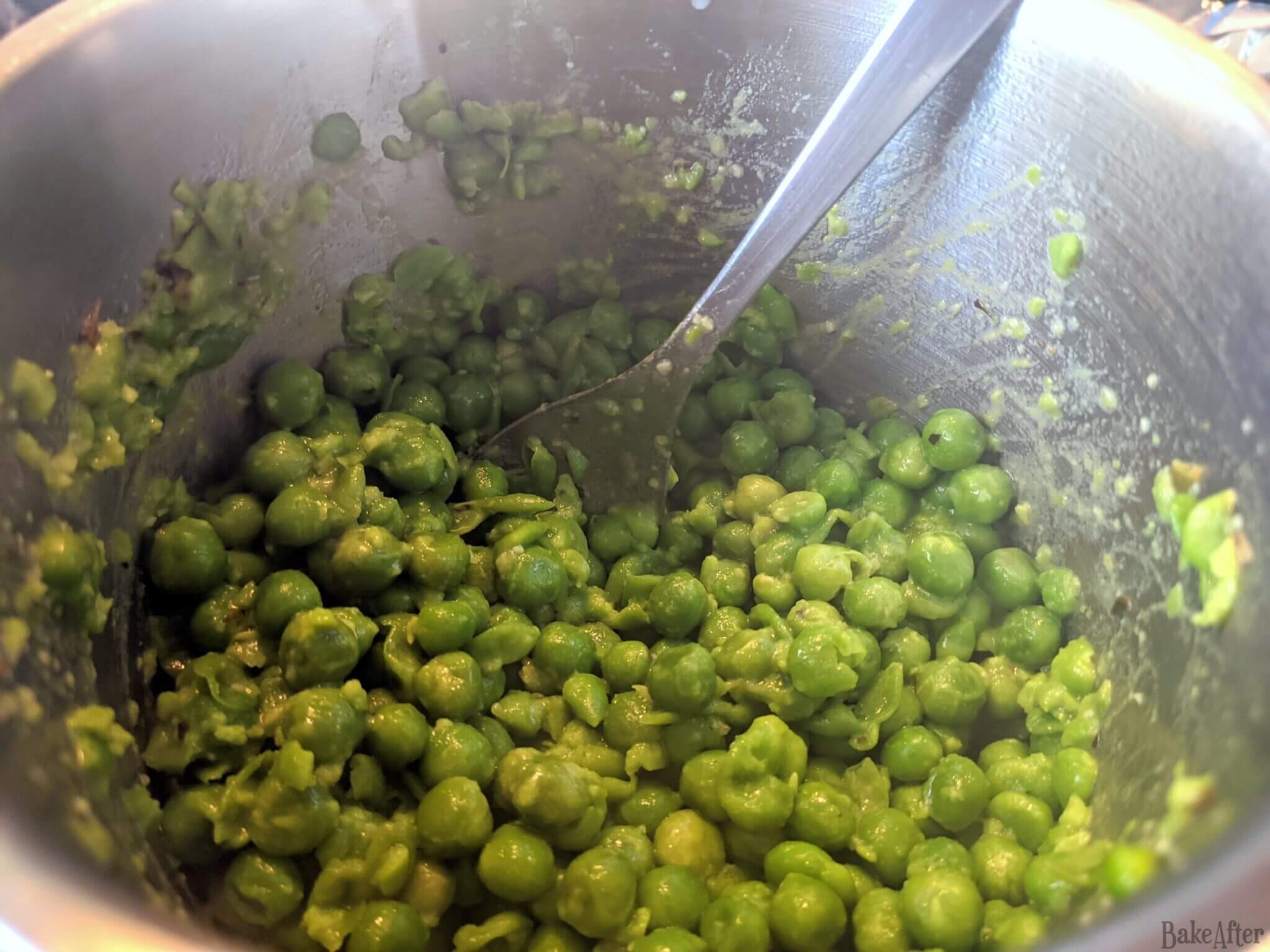
- Well… don’t overcook them. Seriously, this is the number one pea mistake. Frozen peas need just two to three minutes on the heat, or you can even add them directly to a hot dish right at the end and let the residual heat do the work. Overcooked peas turn grey, mushy, and sad, even when making a mash with peas i try and not overcook them.
- Don’t salt them during cooking. Add salt at the end, since salt during the cooking process dehydrates the peas and messes with their texture, especially the skin, you want it creamy and not with a tough, hard skin.
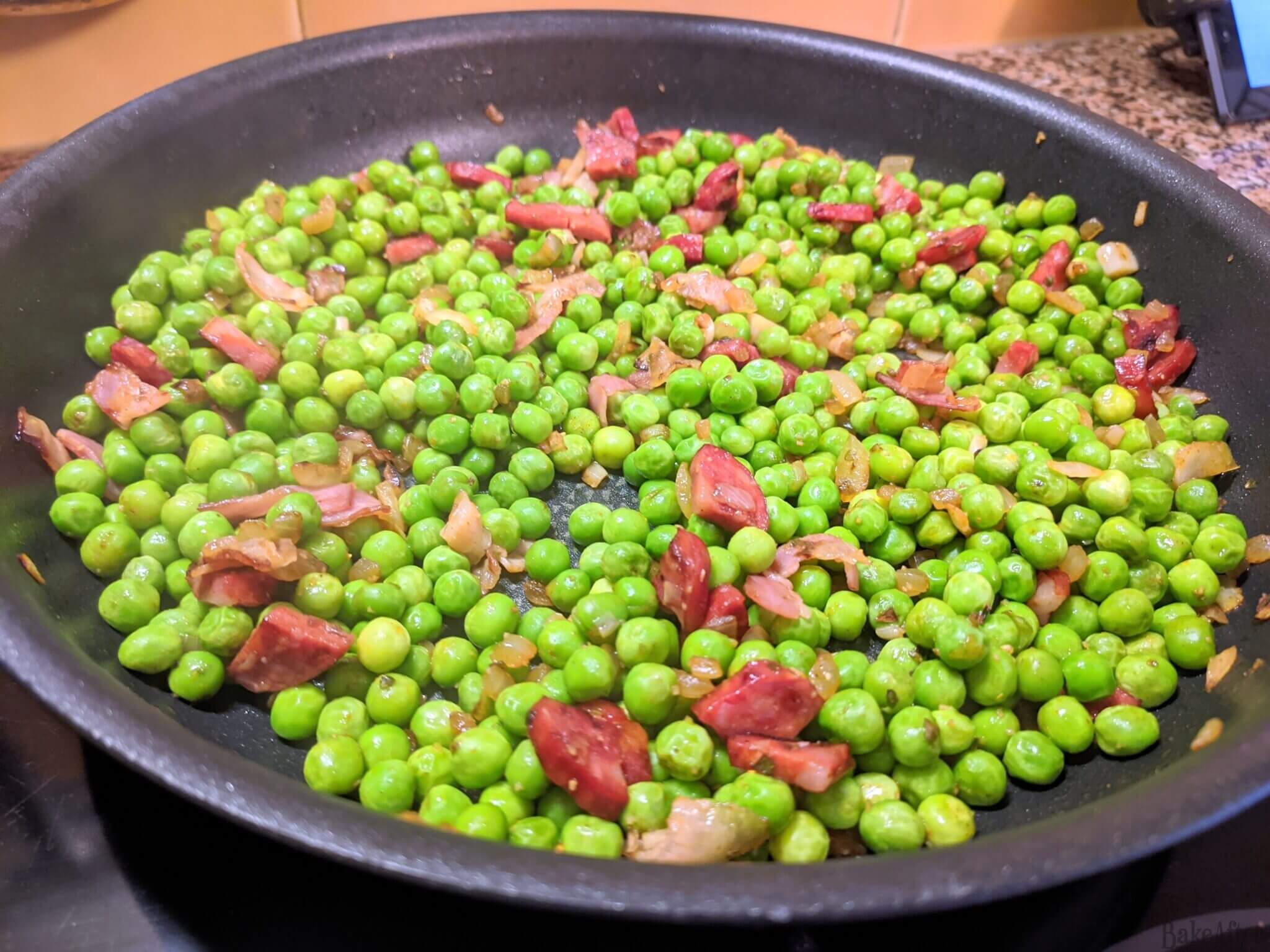
- Try and pair them with mint. Peas and mint are a classic combination that always works, just toss some freshly chopped mint through warm peas and you’ve got a proper side dish. Also bacon/chorizo and peas is another classic combination. I also like butter and garlic. A quick sauté in a little butter with a clove of garlic and you have a amazing side dish (its the restaurant trick, if you add butter to everything, everything tastes better hehehehe).
- And i said it above, but if you use your bag of frozen peas as an ice pack, please just buy a second bag for cooking, write with a marker that its a ice pack now. Learn from my mistakes.
So, what do you think of this recommendation? Have you been using frozen peas in any interesting ways? I genuinely believe that if more people discovered what frozen peas can actually do, they’d go from “emergency ice pack” to indispensable pantry staple. Nutritious, cheap, versatile, practical, and they give to any dish that pop of color. What more could you ask for?
Sometimes the best things in life are simple, affordable, and hiding right there at the bottom of your freezer. So maybe, next time you go grocery shopping, give the not so humble pea the attention it deserves! ;D
Discover more from BakeAfter
Subscribe to get the latest posts sent to your email.