
Here’s one of those food topics that sounds simple enough, what is a “spice mix,” what is a “curry,” and are they the same thing? I’ve lost count of how many times I’ve seen someone use “curry powder” and “curry” like they mean the exact same thing, or assume that every spice blend that hails from India is automatically a curry powder. Or that curry powder only comes from India heheheh, well It’s not that complicated once you break it down, but there’s definitely some confusion out there, so let’s clear it up… shall we…
What Is a Spice Mix, Exactly
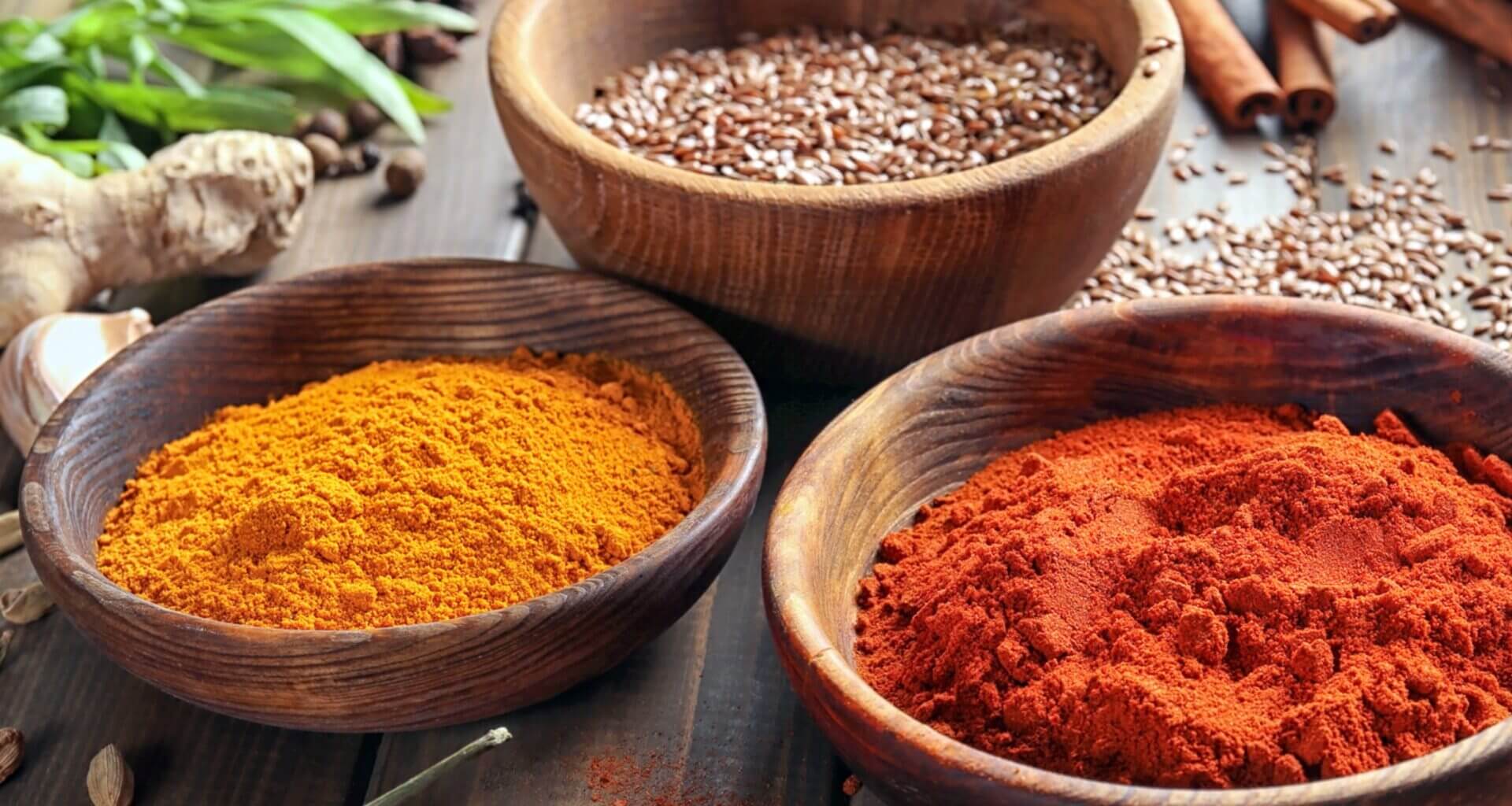
A spice mix, or spice blend, is just what it sounds like, a combination of two or more dried spices (and sometimes herbs) mixed together in specific proportions to create a consistent flavor profile you can use over and over again. Instead of reaching for six or seven jars every time you cook, you reach for one. That’s really the whole point, convenience and consistency.
Spice mixes exist in pretty much every cuisine in the world. Italian seasoning, herbes de Provence, Chinese five-spice, za’atar, ras el hanout, Old Bay, taco seasoning, ras al hanout, ras el hanout, ok I already said that one, heheheh, ,jerk seasoning, baharat, shichimi togarashi, the list goes on forever. Every food culture has developed its own go to combinations of spices that shows up again and again in their dishes.
Curry powder is just one of these spice mixes. But here’s the important part, curry powder is not the only spice mix out there, and not every spice mix that gives food a warm, earthy, yellowish quality that tastes like a curry is a curry powder either. That’s actually a big source of confusion, a lot of people see a yellow or orange spice blend and just assume “curry,” when it might be something completely different, like a mix built around turmeric for color, or a Moroccan spice blend, or even just paprika and other spices.
What Is Curry, Then…
This is where it gets a little more layered, because “curry” actually means three different things depending on the context.
First, curry is a dish. In Indian cooking (and in a lot of South and Southeast Asian cooking more broadly), a curry is a dish built around a sauce or gravy made with a spiced base, usually simmered with vegetables, meat, fish, or legumes. It’s not one specific recipe, it’s a whole category of dishes, the same way “stew” or “soup” is a category, not a single dish. A curry can be dry or saucy, mild or fiery, coconut based or tomato based, made with a dozen fresh ground spices or with a spoonful of store bought powder. Curry is hard to pin down to one definition because every region and every household makes it differently, but there are some things most curries have in common, they tend to be aromatic, a little bit spicy, often a bit rich from fat (coconut milk, ghee, cream, oil), and they usually balance out several flavors at once, salty, savory, a touch of sweetness, some heat, and some bitterness from the spices themselves.
Now the second definition of a curry is the spice mix, specifically, curry powder, which is a Western invention more than an authentic Indian one. This part surprises people. Curry powder as we know it in a jar or tin was largely created by British in India who wanted an easy, shelf stable way to recreate the flavor of Indian curries back home in England. So while real Indian cooks absolutely use spice blends (more on that below), the standardized “curry powder” you buy at the supermarket is more of a British-Indian hybrid than a traditional Indian product. That doesn’t make it fake or bad, it’s just useful to know where it actually comes from.
And finally there’s also a curry tree (Murraya koenigii), which gives us curry leaves, small, glossy, very aromatic leaves used a lot in South Indian and Sri Lankan cooking. But curry leaves aren’t where the word “curry” comes from, and curry powder doesn’t need to contain curry leaves at all. Another fun little mix up. Also the word curry is an adapted Portuguese word that the Portuguese adopted from the local Tamil language in India, the word kari (meaning sauce or relish) as caril or carree and later on the English curry.
Not All Curry Powders Are the Same Either
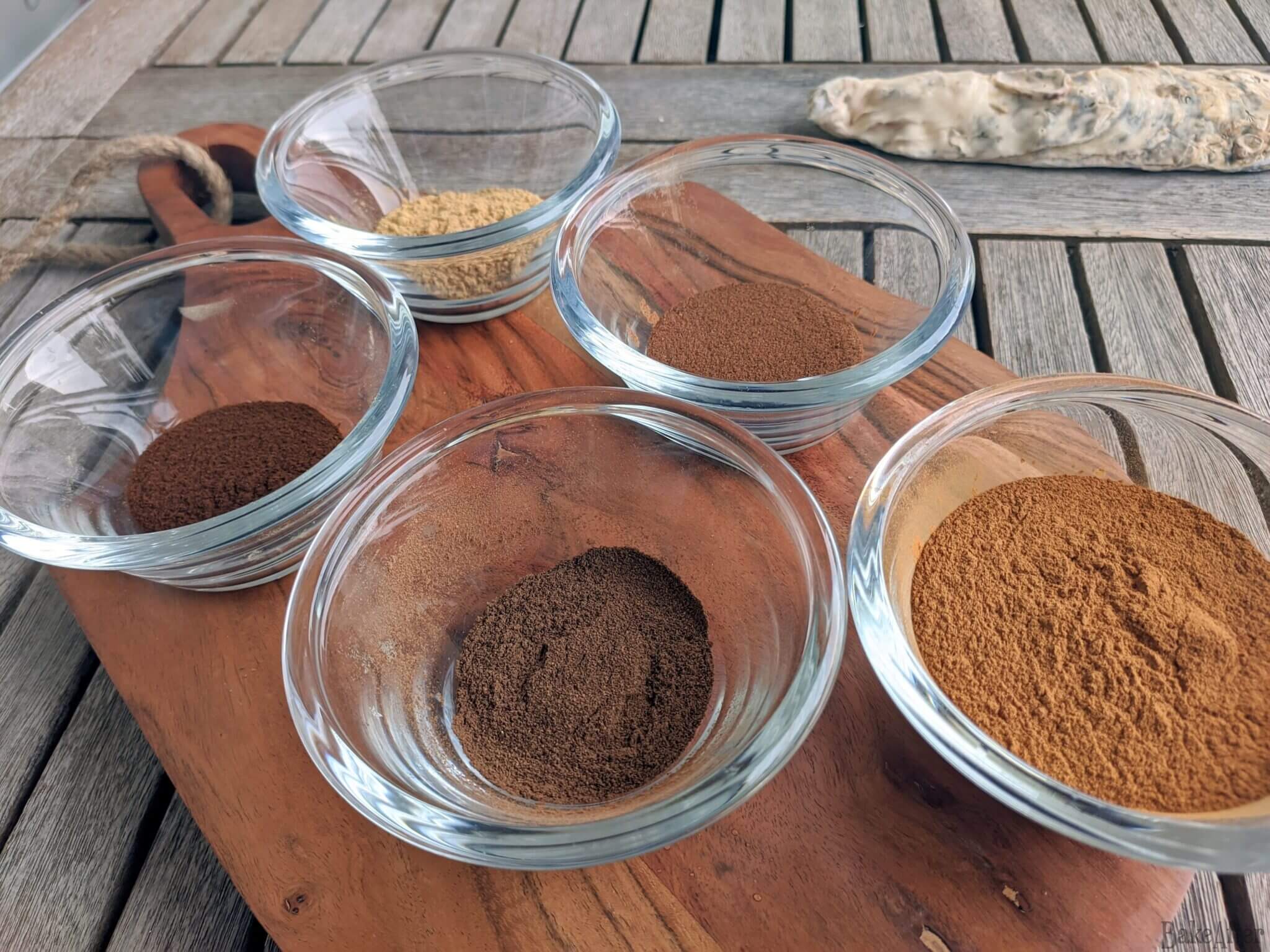
Exactly a Curry Powder is just another spice mix, there are several… spice mixes in just the Curry spice mix…
- Madras curry powder – this is typically spicier and more intense than standard blends, often used to create rich sauces and gravies
- Japanese curry powder – this one evolved from British imports and is used to create a distinct, thicker stew that is less spicy than Indian versions.
- Vadouvan – this is a French style of curry powder described as having a floral or perfumed quality from toasted onions, shallots and garlic.
- Jamaican and Trinidadian curry powders – these are staples of Caribbean cuisine and differ in their balance of heat and earthiness.
- Sri Lankan (Ceylon) curry powder – this one is often roasted before grinding, which gives it a deeper, darker, almost smoky flavor compared to the raw, bright versions
Or from India itself we have some like…
- Garam masala – this is a versatile “warm” blend of spices like cinnamon, cardamom, cloves, and black pepper, often sprinkled on a dish at the very end of cooking to preserve its aroma
- Chaat masala – this is a tangy, salty seasoning containing dried mango powder and black salt, used primarily for street foods, salads, and fresh fruit.
- Panch phoron – this is a traditional five spice blend from Eastern India, typically consisting of fenugreek, nigella, cumin, black mustard, and fennel seeds.
- Sambar and rasam powders – these are South Indian staples, with sambar powder used for thick lentil stews and rasam powder used for spicy, tangy tomato and tamarind soups.
- Tandoori masala – this is a bold, pungent mix used specifically for marinating meats and vegetables before they are grilled in a tandoor oven.
And this is a small selection, all of these are spice mixes in the exact same sense that curry powder is a spice mix, a combination of spices meant to standardize a flavor. And all of them are “curry” in their own way but there is a distinction, these regional masalas (or spice blends) are tailored for specific dishes, some are curries some are not, hehehe, just keep in mind that a curry powder is more of a western catch-all term for all these spice blends, but in India they have very specific functions.
The fact is, Curry powder just happens to be one of the most famous and widely used spice mixes in the world, which is probably why people default to calling any warm, complex spice blend a “curry,” even when there is more to curries than just curry powder.
As a sidenote, you can even include something like Thai curry pastes (red, green, yellow), these are technically not “curry powder” at all since they’re fresh, wet pastes rather than dry powders, but they serve the same purpose.
So when someone says “curry powder,” they could honestly be talking about half a dozen pretty different products. If a recipe just says “curry powder” without specifying which kind, standard or Madras is a safe assumption, but it’s worth checking, because the difference in heat and depth of flavor between, say, a mild Japanese blend and a roasted Ceylon blend is significant.
How to Use Curry Powder (and Other Spice Mixes)
The most common mistake people make with any spice mix, curry powder included, is adding it in raw at the very end of cooking, expecting it to just dissolve into flavor. It doesn’t really work like that. Most ground spices need a little heat and fat to actually open up and release the oil-soluble flavor compounds in the spices, and therefore their full aroma, this is sometimes called “blooming” the spices.
The easiest way to do this at home is to add your curry powder (or whatever mix you’re using) to the pan early, right after you’ve sautéed your onions, garlic, and ginger, and let it cook in the oil or fat for thirty seconds to a minute before adding liquid. You’ll actually smell the difference, the aroma gets rounder and less “dusty.” If you skip this step and just dump the powder into a simmering liquid, you’ll still get flavor, but it tends to taste flatter and more raw.
Beyond that first bloom, feel free to keep adjusting through the cooking process. A pinch more curry powder near the end, a spoon of garam masala right before serving, some fresh herbs stirred in at the last minute, all of that builds more complexity than relying on one single dose of powder from start to finish.
And a quick honest note, curry powder gets a bit of a bad reputation among some cooks as being a “cheat” or an inferior shortcut compared to grinding your own fresh spice blend for every single curry. There’s some truth to that, freshly toasted and ground spices genuinely taste more vibrant. But realistically, most home cooks are not grinding a custom spice blend every single time they want curry on a Tuesday night, and that’s completely fine. Curry powder exists exactly for that reason, convenience without sacrificing too much flavor. Use it without any guilt, I do!
How Long Does Curry Powder Last
Like most ground spices, curry powder doesn’t really go “bad” in a way that will make you sick, but it does lose potency over time. Ground curry powder is generally at its best within the first six months to a year of opening, after that it starts fading, less aroma, less color, a duller, flatter flavor. It can technically still be used safely for two years or more if stored properly, but don’t expect the same punch.
To keep it lasting as long as possible, store it in an airtight container, away from light, heat, and moisture, a cabinet works better than a shelf right next to the stove. If your curry powder doesn’t smell like much anymore when you open the jar and give it a sniff, that’s your sign it’s time to replace it, no amount will fix a stale spice mix, you’ll just end up using more and more without getting the flavor back. And i say curry powder, but this is really for any spice mix.
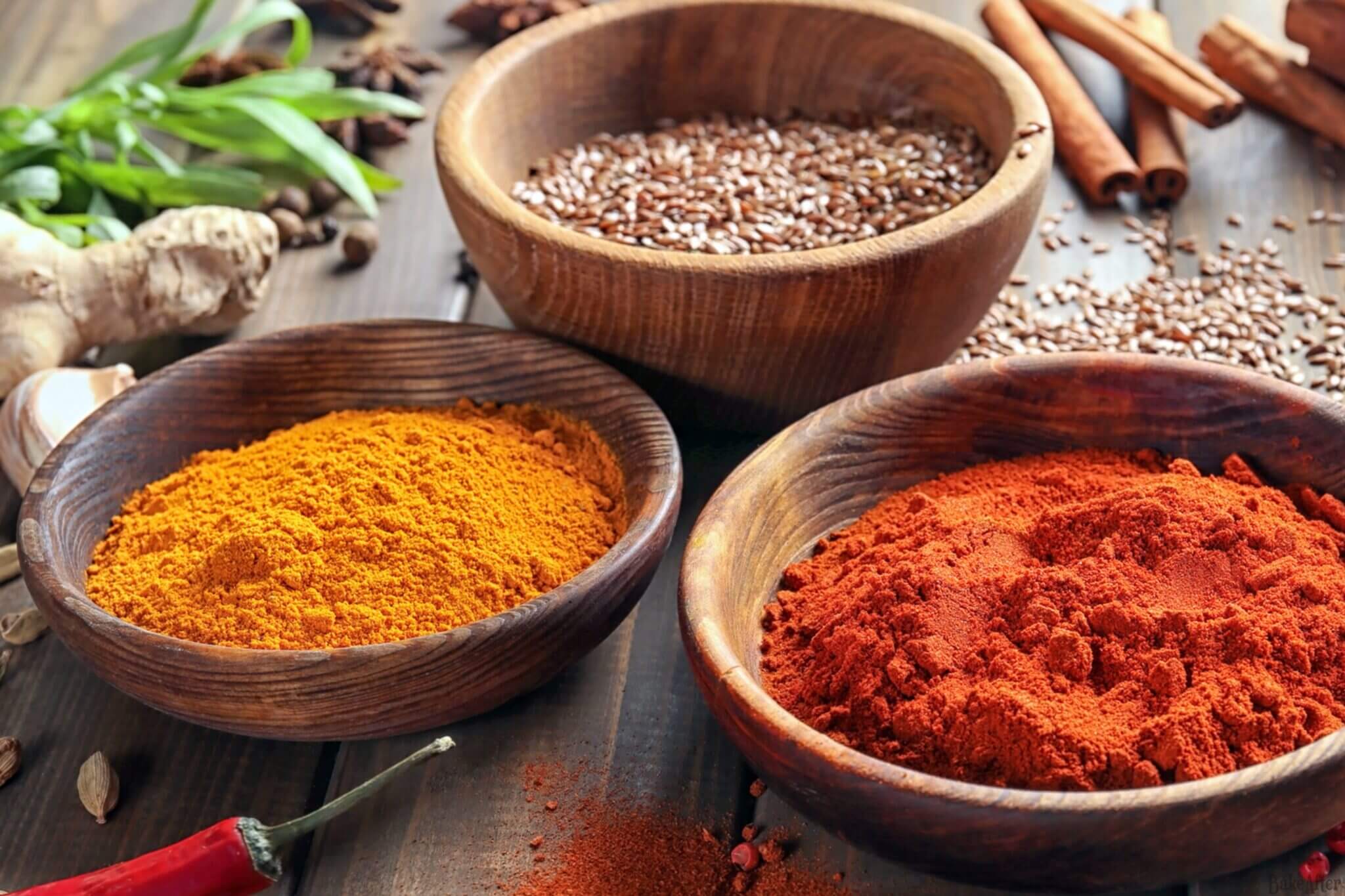
Tips and Tricks with Curries and Spices
- Toast whole spices before grinding your own curry powder if you’re making it from scratch, a dry pan over medium heat for a minute or two until they smell fragrant makes a real difference compared to using them raw.
- If a recipe calls for curry powder and you only have garam masala, or vice versa, they aren’t perfect substitutes, garam masala is more concentrated and aromatic and doesn’t have the bitterness or bulk that coriander and cumin give curry powder, use less of it if you’re subbing it in.
- A pinch of black pepper alongside turmeric-heavy curry powders helps your body absorb the curcumin in turmeric better, seems that the piperine in black pepper boosts the bioavailability of curcumin.
- Curry powder stains just as badly as pure turmeric does, wear an apron and be careful with light colored countertops and plastic containers.
- If you want a stronger, more homemade tasting curry without actually making your own spice blend, layer store bought curry powder with a bit of extra ground coriander, cumin, and fresh grated ginger and garlic, it closes a lot of the gap between “jar powder” and “fresh ground” without much extra work.
- Don’t be afraid to mix spice mixes from different categories into the same dish, adding a bit of Chinese five-spice, a spoon of fish sauce or some soy sauce into a curry, for example, can boost the umami without changing the overall flavor much, cooks all over Asia do this kind of cross blending all the time.
- Buy curry powder in small quantities if you don’t cook curry often, a giant tin that sits in the cabinet for three years is basically flavorless by the time you get around to using it all.
And that’s really the whole picture, a spice mix is just a combination of spices meant to save you time and give consistent flavor, curry is both a category of dish and a family of spice mixes used to build that dish, and within “curry powder” itself there’s a whole range of versions that taste pretty different from one another.
None of it is as confusing as it first seems, it’s just a case of a few words doing a lot of overlapping work. Hopefully this clears it up, but if you have any questions feel free to comment below, always happy to reply and until next time! Ciao!
Discover more from BakeAfter
Subscribe to get the latest posts sent to your email.