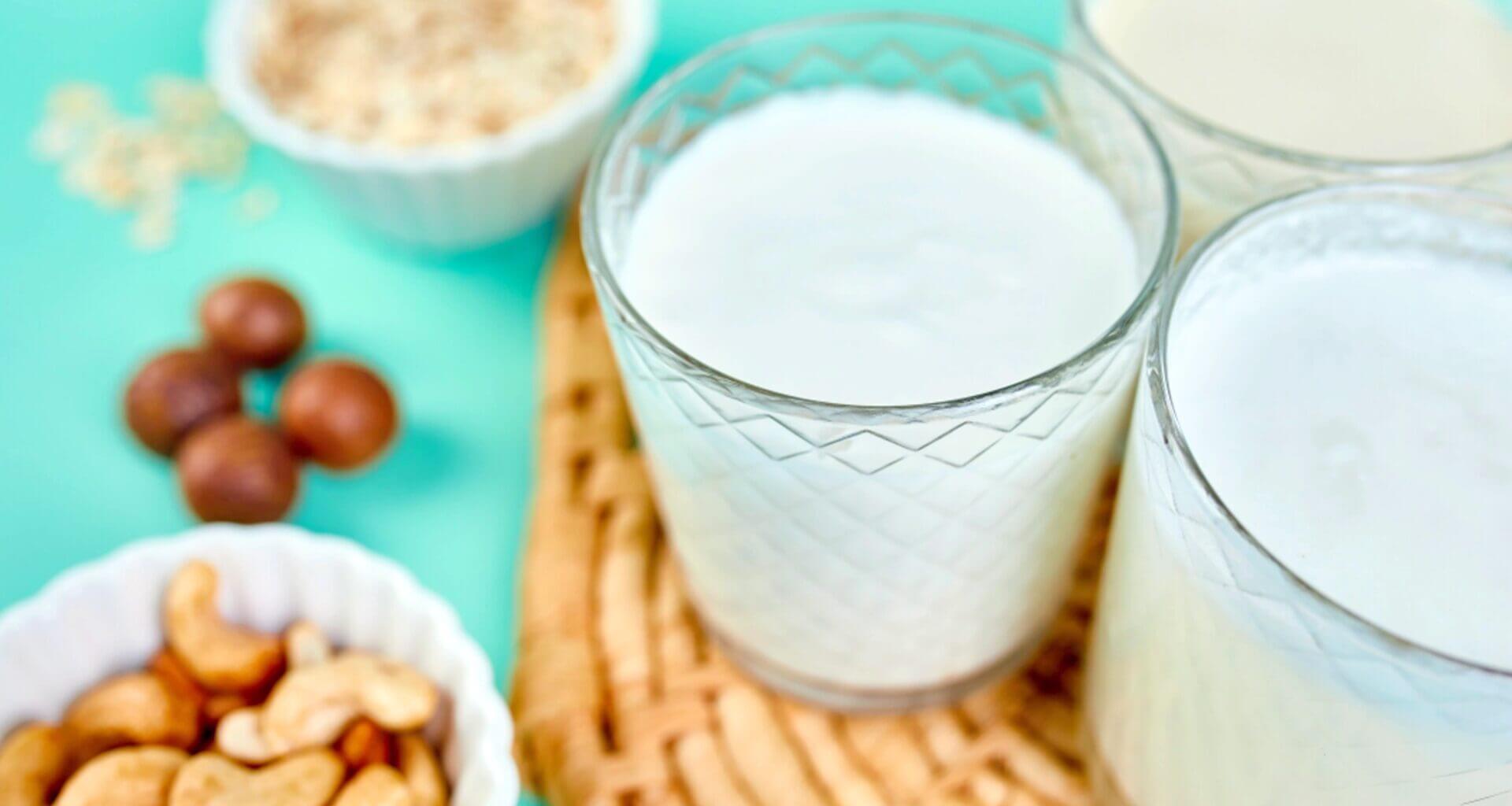

We’ve all walked down the milk aisle at the supermarket and noticed it’s absolutely packed with “plant based milks”, and chances are you’ve tried a few of these so-called “milk alternatives” yourself. These drinks first showed up as an option for people with lactose intolerance who still wanted to enjoy something similar to milk, much like the rise of gluten-free products (with some exceptions, soy milk is a staple from eastern culinary cultures). The thing is, we now have lactose-free milk (and a whole bunch of other lactose-free dairy products), so these drinks, and especially some of the brands selling them, pivoted and started marketing themselves as superior alternatives to milk. But are they actually more nutritious? Are they better for the environment? Are they even ethically superior?
Is any of this true?
Well, I’ve got some bad news, but before I get into it, I want to make a point I think matters, just like gluten-free products or meat alternatives, these milk alternatives are, for the most part, industrial products. That means their main goal usually isn’t nutrition, it’s creating something that looks and tastes similar to the original that they can make cheaper or that tastes better, and that’s almost always going to make them come up short compared to the real thing, especially nutritionally, what’s the point of oat milk if you can have milk milk?
Want to know what a genuinely good gluten-free food looks like? An apple, or a nice piece of grilled fish. Want an alternative to beef? We’ve got legumes, tofu, eggs, chicken, or fish. Want an alternative to milk? You’ve got a mountain of ingredients rich in calcium and protein: oranges, spinach, broccoli, tofu, beans, and so on. They might not be as nutritionally complete individually as milk is, but if you vary what you eat, you’ll end up with equal, or even better, nutrition than milk provides on its own, milk is nice, but you don’t need milk!
Milk itself isn’t a perfect ingredient either. It’s a reasonably complete and nutritionally dense food, but it’s not flawless: it’s high in saturated fat, and it comes from animal farming, with all the potential ethical and environmental issues that come with that. Milk and its relatives, like cheese and yogurt, should like most things also be eaten in moderation.
Okay, that’s the end of my usual rant. It bugs me a little when people bang the drum for “healthy alternatives” when plenty of healthy alternatives already exist, they’re just not copies of the original ingredient. So let’s get into the actual problems with these milk alternative drinks.
The Problems With Plant-Based Drinks (Or Milk Alternatives)
There are tons of varieties out there today, each with its own pros and cons, but I’ll stick to the most common and popular ones.
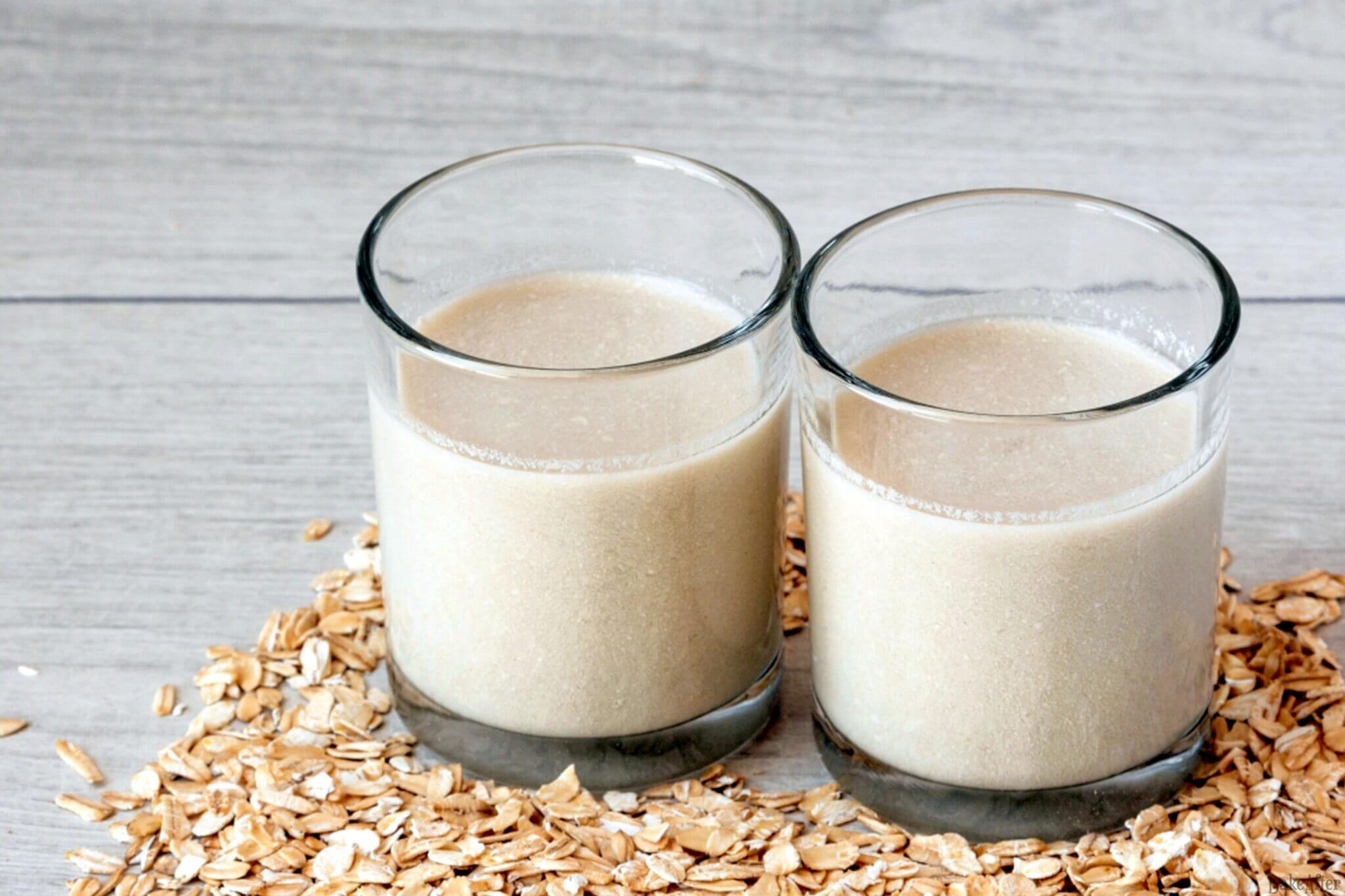
Oat Milk Drink
This one is made from oat grains and water. It has a mild, slightly sweet flavor and a creamy texture, and it’s often fortified with calcium and vitamins.
This might be the most heavily marketed and, honestly, the worst of the bunch, not because it’s bad for you, but because it tends to be expensive and offers very little actual nutrition. Now, didn’t I just say a few weeks back that oats are the best thing since sliced bread and portuguese salted cod? ;D It’s true, oats are a fantastic grain. That doesn’t mean they make a good drink!
Let’s look at the drink itself. A typical oat drink from one of the biggest producers is made of: water, oats (about 10 to 12 percent), rapeseed oil (or other oils), calcium carbonate (the calcium source, sometimes included, sometimes not), calcium phosphates, iodized salt, and vitamins (D2, riboflavin, B12).
So basically, you’re drinking something that’s 80 to 90 percent water, with very little nutritional value. This isn’t oatmeal, where you’d get 70 percent oats and a lot more of their actual benefits, this is water with an oat flavor, so whatever oats bring to the table is faint at best, its only 10% of the drink, which is exactly why they toss in calcium phosphates and vitamins to try to make up for it.
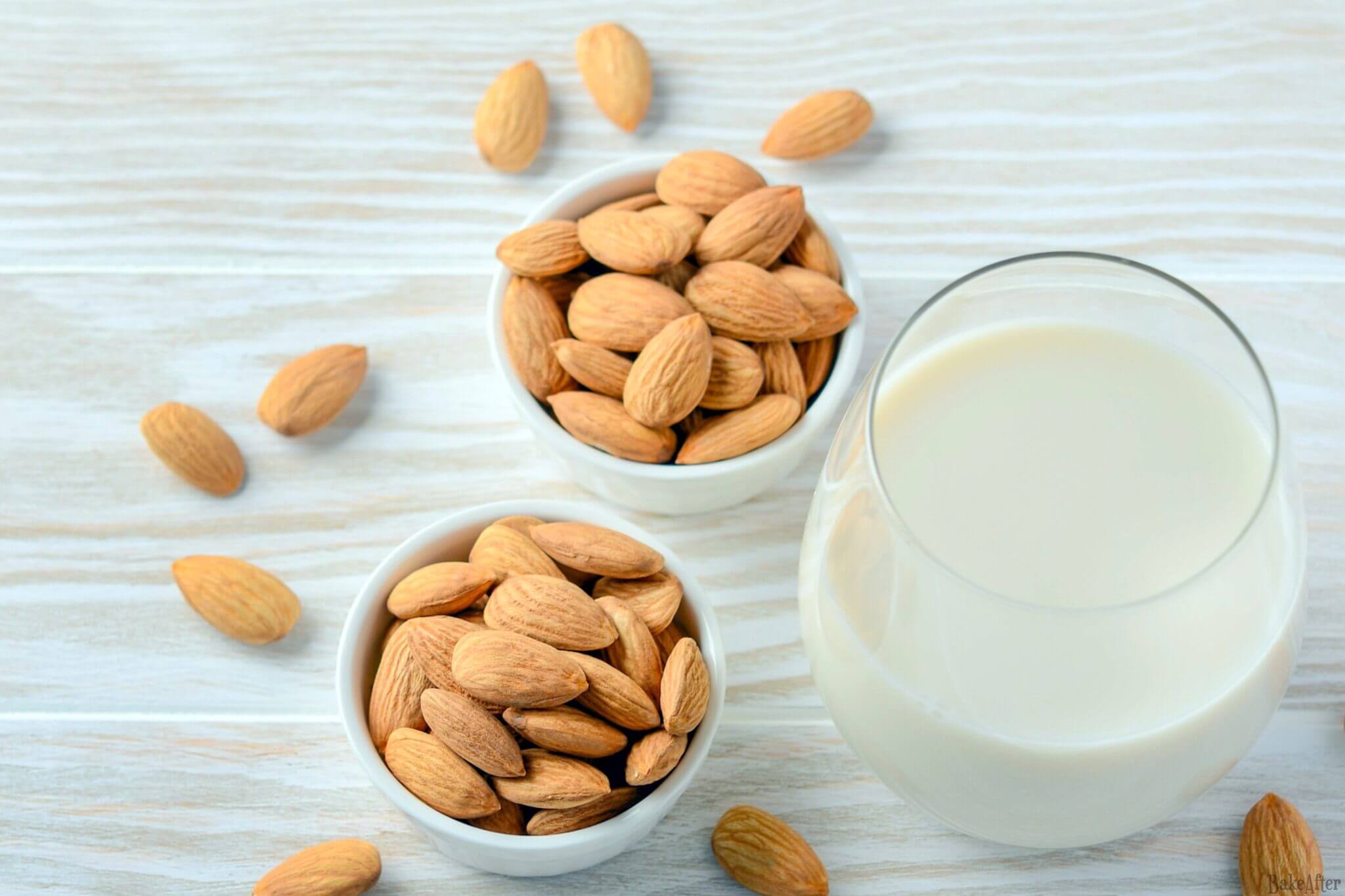
Almond Milk Drink
This one is made from ground almonds and water, usually fortified with vitamins and minerals. It’s a light option with a mild flavor and milky texture.
Almonds are a tree nut, expensive, hard to produce at scale, and nutritionally nothing like milk, so to work as a substitute, this drink has to be heavily supplemented. The ingredients in a typical almond drink are: water, almonds (around 3 percent), tricalcium phosphate, sea salt, stabilizers (carob gum, gellan gum), emulsifier (sunflower lecithin), and vitamins (B2, B12, E, D2).
Whatever benefits almonds have, you’re only getting between 2 and 4 percent of them, the rest is there to make the mixture creamier, plus additives to bump up the nutrition a bit. Overall, it’s again another nutritionally poor drink.
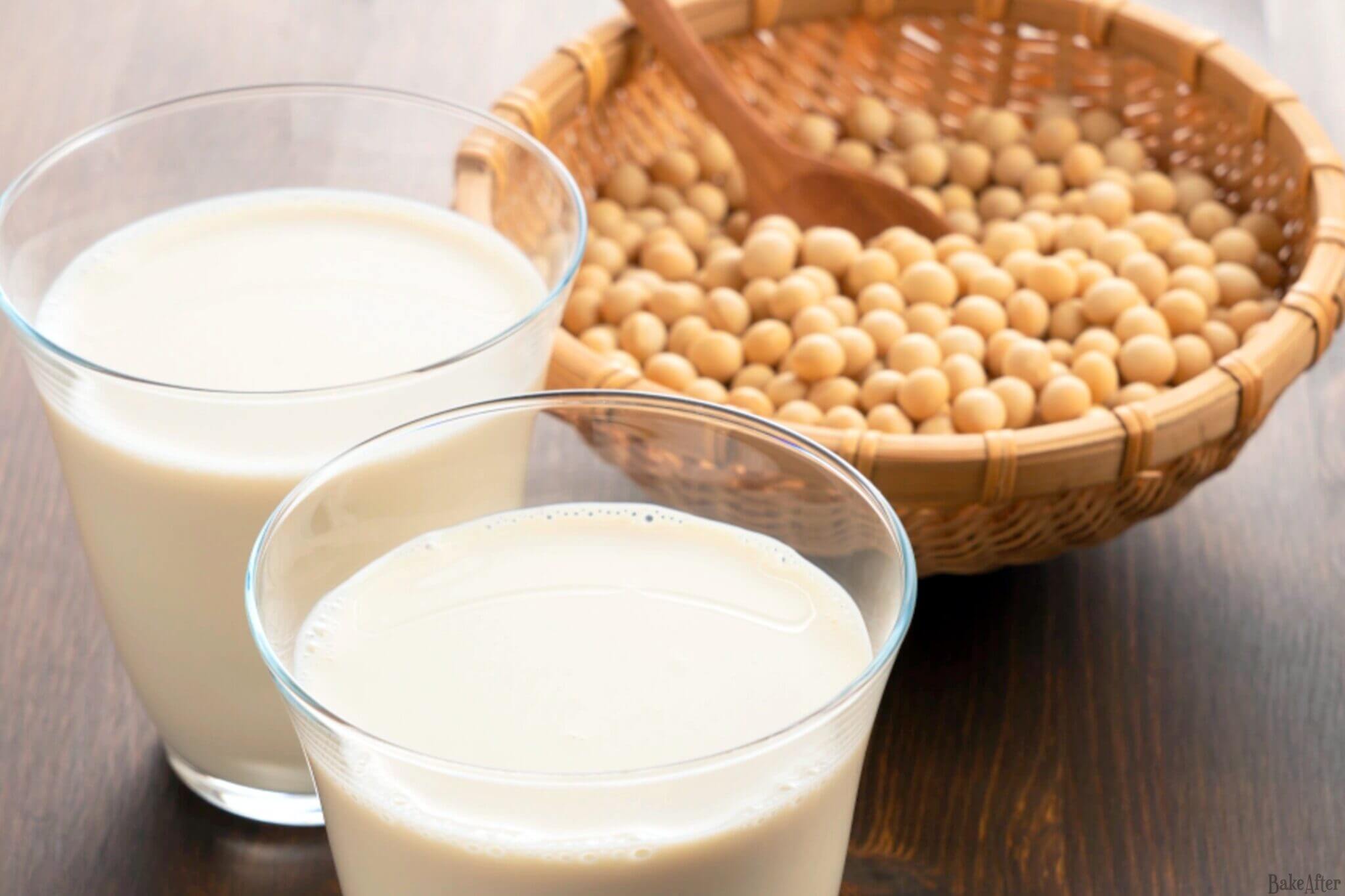
Soy Milk Drink
This one is made from ground soybeans and water. It’s an option higher in plant protein and often fortified with calcium and vitamins. It has a neutral flavor and a creamy texture.
Soy is a more common ingredient, but a bit like lactose in milk, intolerances to it aren’t rare either. The ingredients are: soy base (water, hulled soybeans, 8 percent), sugar, acidity regulator (potassium phosphates), calcium carbonate, flavoring, sea salt, stabilizer (gellan gum), and vitamins (B2, B12, D2).
You’re probably noticing the pattern by now: it’s always mostly water blended with a small amount of the main ingredient, plus a handful of vitamins to try to build a nutritional and textural profile similar to milk, do note that i’m talking about commercial soy milk, not fresh soy milk sold in Asian countries, while similar these are different drinks with different nutricional patterns.
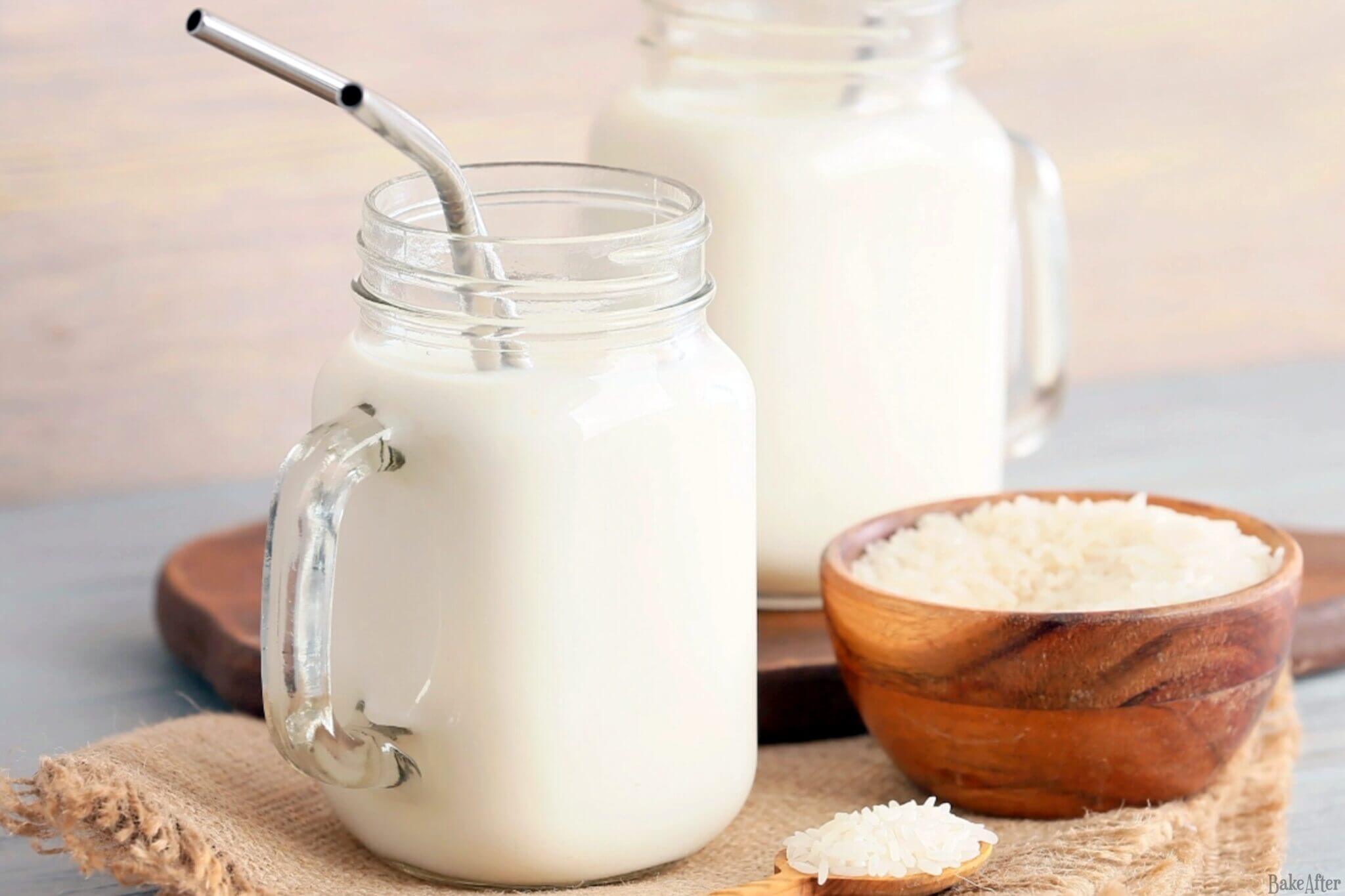
Rice Milk Drink
This one is made from rice grains and water. It has a mild, naturally sweet flavor from the rice starch, with a light texture. It’s a decent option for people with gluten or soy allergies.
Rice milk tends to be lower in protein and can be poor in nutrients compared to other milk alternatives. On top of that, some commercial versions have added sugar, so it’s worth reading the label.
The ingredients are: rice base (water, rice, 12.5 percent), sugar, sunflower oil, tricalcium phosphate, sea salt, stabilizer (gellan gum), acidity regulator (potassium phosphates), and vitamins (B12, D2).
Coconut Milk Drink
This one is made from coconut pulp blended with water. It has a rich, creamy flavor, often used in Asian dishes and desserts. It’s naturally lactose-free and can add a tropical touch to recipes.
Coconut milk has a higher saturated fat content than other milk alternatives, so it’s best consumed in moderation, especially if you’re watching your saturated fat intake. That said, I have to note that the brand I picked for comparison isn’t actually that bad, it has about 1 gram of saturated fat, which is roughly the same amount naturally found in low-fat dairy milk.
The ingredients are: water, coconut milk (5.3 percent) (coconut cream, water), rice (3.3 percent), tricalcium phosphate, stabilizers (guar gum, gellan gum, xanthan gum), sea salt, flavorings, and vitamins (B12, D2). Worth noting: this one also contains rice.
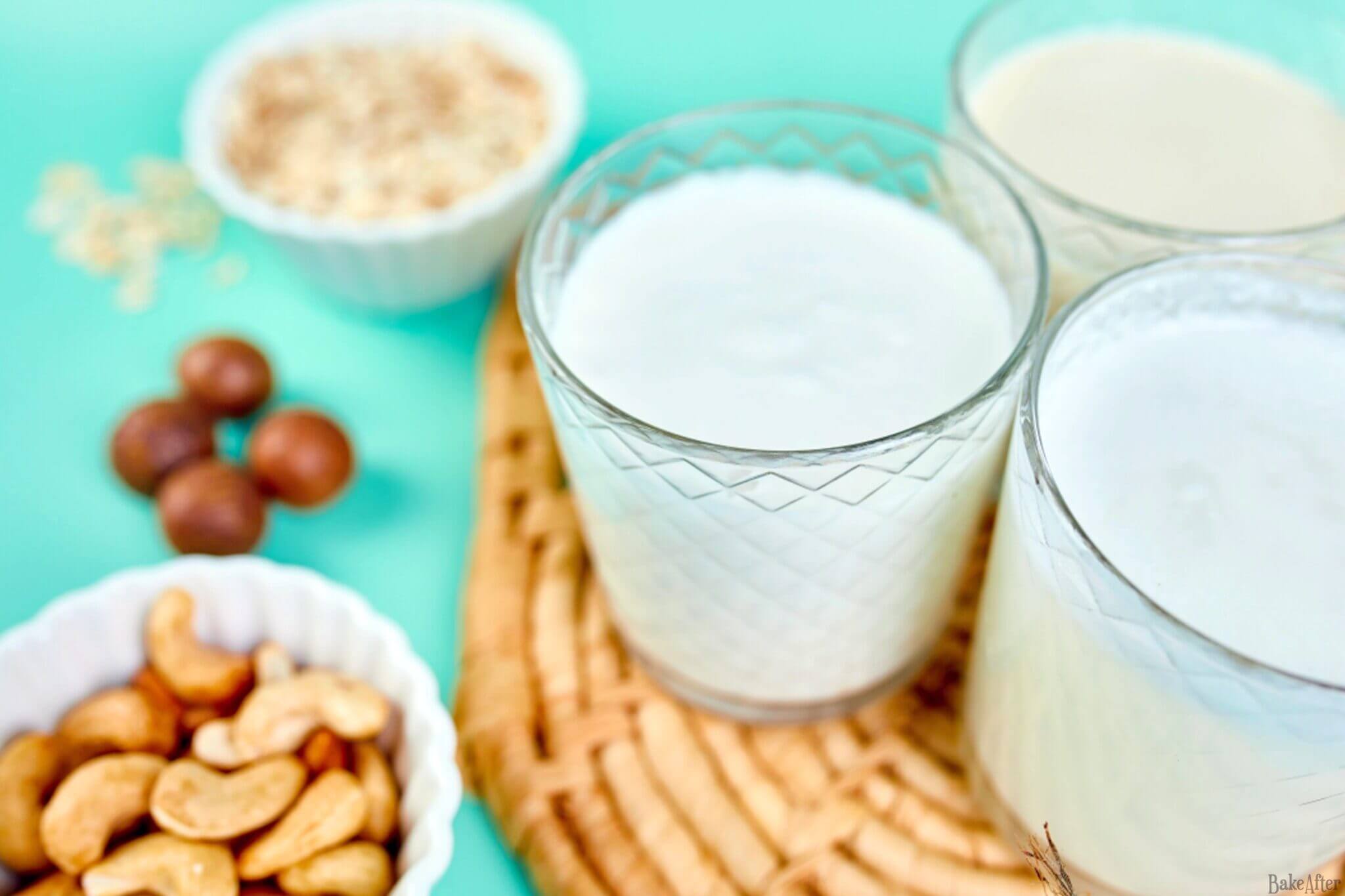
Hazelnut, Cashew, Peanut, and Similar Drinks
These aren’t all identical, but they’re similar in profile to almond drinks. they are all nut based, so it mostly comes down to taste and budget, since in terms of nutrition and texture they’re all pretty close, with the flavor being the main thing that changes.
Here’s a comparison table so you can see the numbers side by side. Note that I picked well-known, top-shelf brands, so we’re talking about drinks that cost at least several dollars a bottle, and some of those bottles aren’t even a full quart. If you go for store brands or lesser-known options, the difference is that they usually contain even less of the main ingredient and often skip the calcium and vitamin fortification altogether, which makes them even worse by comparison but cheaper.
Comparison Table: Milk vs Plant-Based Alternatives (per 100 ml)
| Type | Kcal | Fat (g) | Carbs (g) | Protein (g) | Sodium (mg) | Calcium (mg) | Vitamins & Minerals |
|---|---|---|---|---|---|---|---|
| Milk | 67 | 2 | 7 | 4 | 63 | 122 | A, D, B2, B12, Phosphorus, Magnesium |
| Oat | 59 | 3 | 6.6 | 1 | 100 | 120 | D, B2, B12 |
| Almond | 45 | 1.4 | 7.3 | 0.5 | 140 | 120 | D, E, B2, B12 |
| Soy | 39 | 1.8 | 2.5 | 3 | 120 | 120 | D, B12 |
| Rice | 46 | 1 | 8.3 | 0.4 | 100 | 120 | D, B12 |
| Coconut | 20 | 0.9 | 2.7 | 0.1 | 130 | 120 | D, B12 |
I also have to mention that not all these drinks are alike. Some are blends, like coconut and almond, or soy and oat. There’s also a big difference between drinks that are almost entirely made of the main ingredient and drinks that just borrow its name. In other words, there’s a real gap between almond milk (especially homemade) and a commercial “almond drink.” Almond milk is basically just almonds and water, while an almond drink is mostly water with an almond flavor, sometimes with as little as 2 percent actual almonds. The same goes with fresh asian soy milk and commercial soy milk. It reminds me a bit of peanut butter: some jars are 100 percent peanuts, while some spreadable “creams” can range anywhere from 90 percent down to 10 percent peanuts, with a mountain of extra ingredients (fats, sugars, emulsifiers) filling the rest.
Are These Plant Drinks Good Substitutes for Milk?
As you can see, these drinks do replace milk on the shelf, and they can even come close in texture and sometimes flavor, but they’re all highly processed, heavily fortified products that are still nutritionally inferior, sometimes far inferior, to milk. It’s not just that, either.
Growing many of these fruits and grains also has an environmental footprint. It’s usually smaller than dairy’s footprint, but it’s not zero. And ethically, we land somewhere in the middle, raising animals purely for milk clearly isn’t ideal in the long run, but there also isn’t a product right now that truly replaces milk and its derivatives, milk is awesome, but there are millions of people thriving without drinking milk!
One last thought, and like I said above, to me these products are mostly a marketing exercise. If you’re looking for real alternatives to milk, eat and drink foods that actually give you protein, calcium, or micronutrients, because these drinks generally aren’t giving you that. Of course, if you enjoy having one now and then, go right ahead, I have a chocolate bar now and then too, and I actually like soy milk in the Chinese or Japanese style (sometimes called tonyu), where the ingredients are just water and soybeans, nothing wrong with that. But it’s not a great idea to drink these regularly, or worse, to assume they’re a solid substitute for milk, because they’re not, even if they taste great or foam up nicely in your coffee. Most of them just aren’t good products, nutritionally speaking.
A Few Extra Tips If You Still Want to Use Plant-Based Drinks
- Read the ingredient list, not just the front label. If the main ingredient shows up at 2 to 5 percent, you’re basically drinking flavored water with additives.
- Look for the shortest list with the highest percentage of the main ingredient, especially for almond, oat, and rice drinks, where that percentage is often shockingly low on the cheaper brands.
- If protein matters to you, soy drinks are usually your best bet among the plant options, since soy naturally has more protein than most other plant sources used for these drinks.
- Don’t rely on one plant drink for your calcium and vitamin D, spread your sources out with leafy greens, tofu, canned fish with bones, and fortified foods in general.
- Try making your own at home if you drink these often. A simple blend of a cup of almonds or oats with water gives you a much higher concentration of the real ingredient than most store-bought versions, even without any fortification.
- If you love the taste but not the price or the ingredient list, treat it like a treat rather than a milk replacement, the same way you’d treat a fruit juice or a soda, fine occasionally, but not something to build your daily nutrition around.
And that’s it! Hope this was helpful and as always if you have any questions or have anything cool to share, just use the comments below, see you tomorrow! ;D
Discover more from BakeAfter
Subscribe to get the latest posts sent to your email.