
Ha! I don’t get much into the household type of scenarios, this isn’t that kind of site, but yeah i get asked how to clean this and that, “help, my pot is ruined”, the last one was like burnt sugar stuck to the bottom of a saucepan, so better make an article so i can point out to everyone that asks! And no, this is not complicated once you understand the basics, so lets get to it!
Why does a Pot/Pan Get Burnt in the First Place?
Before you grab a sponge, it helps to understand what’s actually happening on the bottom of that pan.
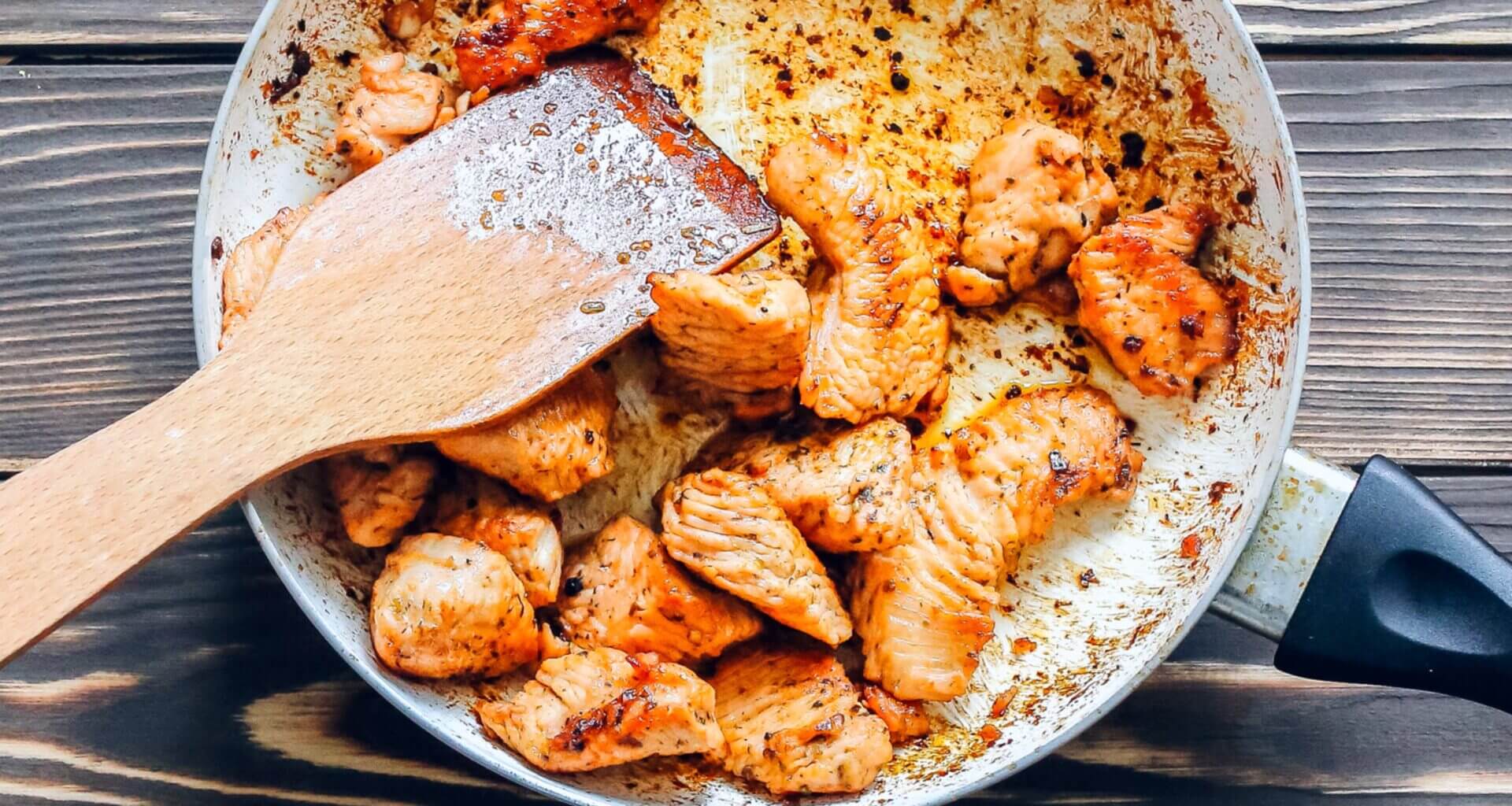
Food sticks and burns because of heat plus time, plain and simple. Every ingredient reacts a little differently once it’s been sitting on a hot surface too long, and depending on what it is, it may just stick, or it may bond right onto the metal, which is a whole different problem. Here’s how the most common culprits behave.
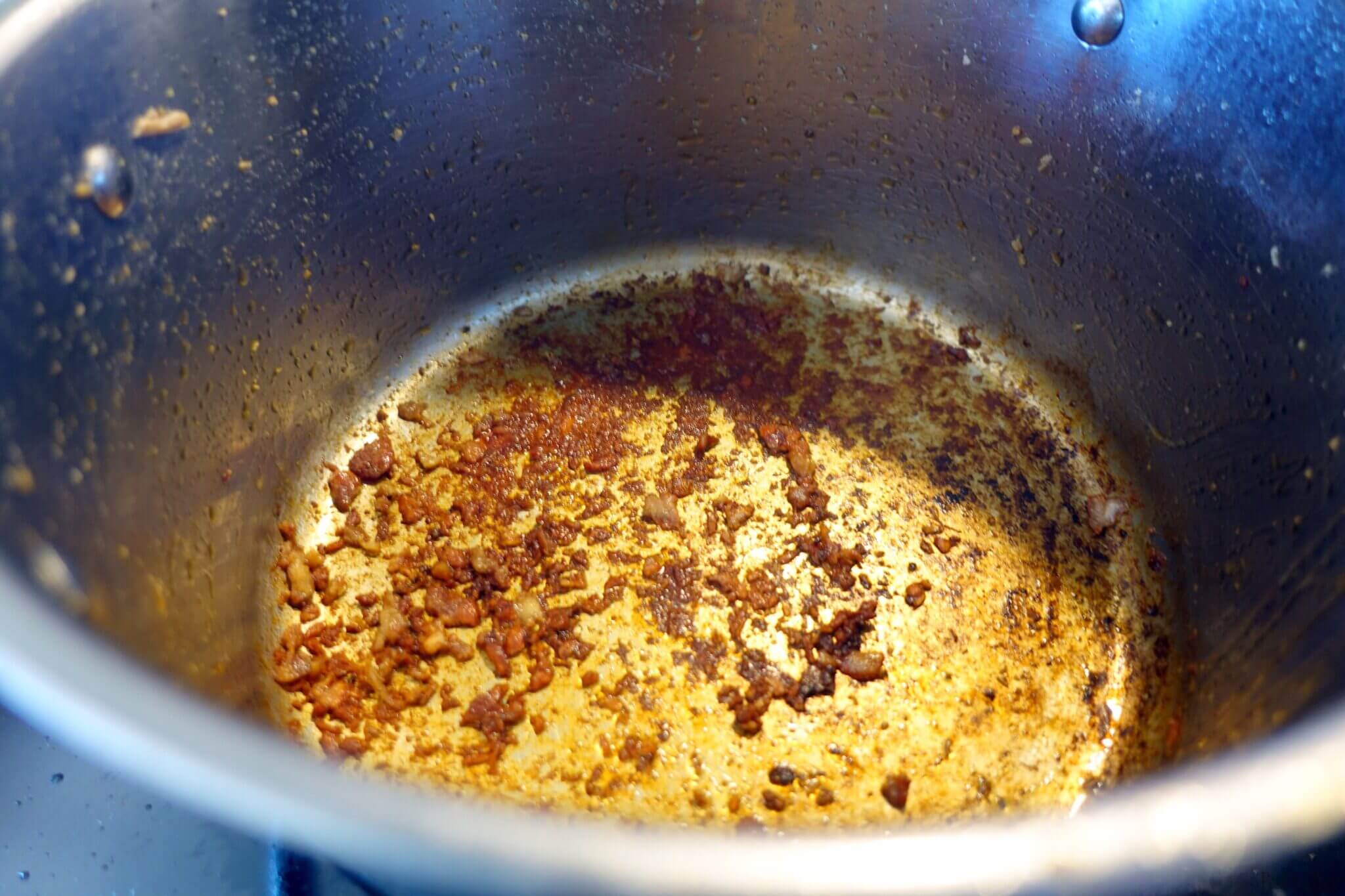
Sugar. Sugar tends to crystallize even after it’s burnt, so scrubbing alone won’t do much good. Hot water is your best friend here, since it lets the sugar dissolve back out instead of fighting it with force.
Proteins. This is probably the most common one and, the easiest to deal with. Proteins stick fast when they burn, but they also let go fast. Warm water and dish soap usually handles it without any drama, to a point if it really get heavily charred then the best bet is a alkaline soak (something like baking soda and boiling water).
Liquids and water. This one is sneaky. It’s not just the liquid itself, it’s what’s left behind once the water cooks off, the minerals, the sugars, whatever was in the mix. That residue plus heat creates a stubborn film that’s harder to break up than you’d expect. Along with oils, this is one of the most common reasons a pot ends up stained.
Fats and oils. These two get lumped together, but in practice, fat tends to be the number one reason a pan burns badly, since cooking oils generally have a higher smoke point than most fats. Either way, if you walk away from the stove for too long, it doesn’t really matter which one it is, it’s going to burn dark and hard.
Why Does Food Stick to the Pan?
Well the short version is that it sticks because there isnt enough separation between the ingredient and the metal, hehehe. When a pan heats up unevenly, or there isn’t enough oil or fat acting as a barrier, proteins and starches bond directly to the surface. Add enough heat and time on top of that, and what started as “stuck” turns into “burnt.” That’s really the whole story, not enough fat, too much heat, too much time, and the wrong combination cooks itself right onto the pan. Plus dont forget fats also have a limit, if you burn the fat that will start to stick as well.
The Easiest Ways to Clean a Burnt Pan
So once you know more or less what you’re dealing with, cleanup gets a lot less stressful. Start simple and only escalate if you need to, so starting from easy to hard.
- Hot water and a soak. Fill the pan with hot water and let it sit for around 30 minutes. Half the time, that alone loosens everything up. If you know there was fat involved, add a bit of dish soap to the water and let it work while it soaks.
- A non-abrasive sponge. Whatever the pan is made of, skip the steel wool and anything abrasive. If you’re already at the point where you need to scrub that hard, it’s more a sign to use more oil, keep a closer eye on the stove next time, or accept that pan has seen better days.
- Vinegar, lemon, or baking soda. Vinegar and lemon are both acidic and can step in for dish soap since they cut through grease well. Baking soda works differently, it’s a mild natural abrasive and an alkaline that reacts against the burnt residue, so use one or the other with hot water, not both at the same time on tougher spots.
- Dishwasher tablets. This sounds odd, but dishwasher tablets are basically a concentrated cocktail of cleaning chemicals meant to deal with heavily soiled dishes. Rubbing one directly on the burnt spot with a little hot water often does the job faster than you’d think, since you’re combining a mild abrasive, heat, and concentrated cleaning agents all at once.
- Back on the heat. If what burned was mostly food, sugar, or something with very little fat, putting the pan back on the stove with a bit of water in it can be enough to loosen the residue right off the bottom.
- Bleach, as a last resort. Bleach is aggressive for a reason, and sometimes that’s exactly what’s needed. Just save it for when nothing else has worked, and only use it on non-porous surfaces like glass. Never use it on cast iron or stainless steel.
- Specialized cleaning products. Mostly the same logic as bleach, not exactly but since there are so many and so different formulations in my head its like also last resort, fine to use on glass, ceramic, or stainless steel, but skip it on anything porous, since it will do more harm than good there.
What To Do if the Burnt Spot Won’t Budge
If you’ve tried the basics and there’s still a stubborn ring or dark patch that won’t move, don’t panic and don’t reach for anything metal to scrape it off. Instead, combine methods rather than relying on just one. A common approach that works well on tough spots is simmering a mix of water, a splash of vinegar OR a spoonful of baking soda directly in the pan for several minutes, then letting it cool before scrubbing gently with a non-abrasive sponge. The heat plus the acid or alkaline reaction does most of the work for you.
If a stain remains even after everything comes clean, that’s not necessarily a failure on your part. Some materials, especially aluminum and cast iron, will discolor over time no matter how well you clean them. That’s just how those metals age, and it doesn’t mean the pan is dirty or unsafe to use.
Tips and Tricks for Cleaning Pots and Pans
A quick word on your dishwasher, if you have one, skip pre-washing dishes before loading them, unless something is truly disgusting or it’s a badly burnt pan. Dishwashers are designed and dosed to handle dirty dishes as they are. You manually pre-washing just wastes water and soap and defeats the purpose of having the machine in the first place, think akin to washing your clothes before putting them in the washing machine. If something doesn’t come out perfectly clean, then you can handwash or run it again, no need to scrub by hand first.
You’ll see plenty of “miracle” cleaning hacks floating around, ketchup, cola, cream of tartar, and so on. Every single one of these works because it’s acidic or alkaline in some way, which means plain vinegar, baking soda or common washing products will do the same job for a fraction of the cost. Ketchup is not a cleaning product, save it for your fries.
Not all pots and pans burn or clean the same way. Cast iron is porous and holds onto burnt residue more stubbornly, but it’s also tough and forgiving once you know how to treat it. Stainless steel is durable and easy to clean but tends to let food stick more than other materials unless you’re generous with oil. Nonstick coatings clean up easily when burnt, but should never be scrubbed with anything abrasive, and should be replaced the moment the coating starts to flake. Glass and ceramic resist staining well but distribute heat unevenly, which makes them more prone to burning if you’re not paying attention. Worth keeping in mind next time you’re shopping for cookware, since some materials really will save you a lot of scrubbing down the road.
And that’s about it. As usual, this started as a quick answer to one question and turned into a much longer article than planned, but hopefully it’s useful. If there’s a trick you swear by that isn’t listed here, feel free to share it, always good to add more tools to the kit. Have a great one!
Discover more from BakeAfter
Subscribe to get the latest posts sent to your email.