
Can you really leave butter out of the fridge? This is one of those questions that pops up every now and now and now… usually right after you’ve spread cold butter on toast and torn the bread apart in the process. So, can you? Yes, you can. But, and there is always a but, there are a few things you should know before you leave that stick sitting on the counter for a week.
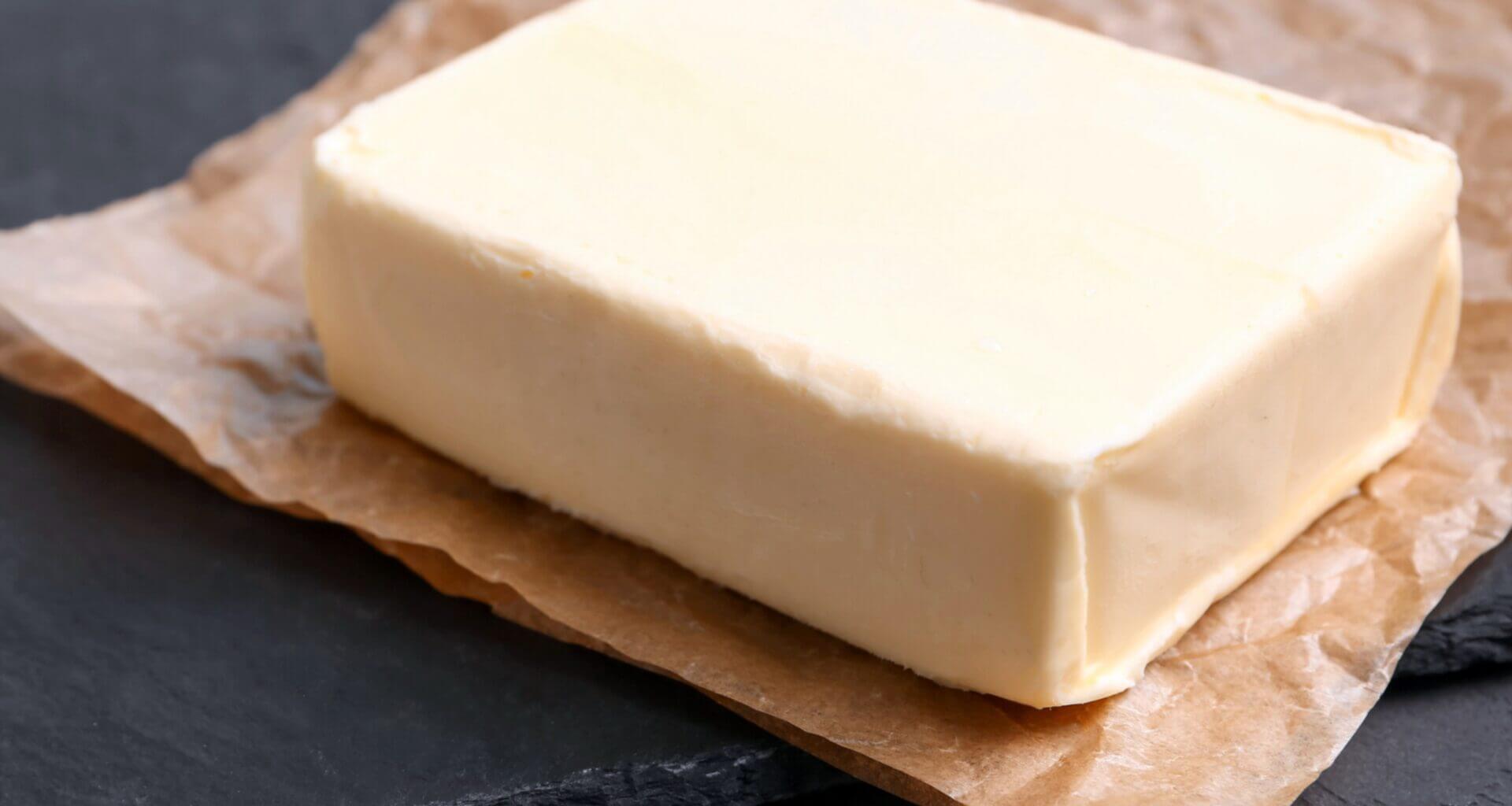
Let me explain what butter actually is first, because that’s the key to understanding what can you do with it, right! Butter is basically fat and water, churned from cream until the fat separates and clumps together. Depending on where you are and the brand, butter is usually somewhere between 80 and 85 percent fat, with water, milk proteins and, in the case of salted butter, salt making up the rest. That fat content is exactly why butter can survive outside the fridge longer than most dairy, fat is naturally resistant to bacteria, it’s the water and protein left inside it that can eventually cause problems.
So yes, you can store butter outside, people have done it for centuries, long before refrigerators existed. But there are situations where I would not recommend it, and here’s why.
When Leaving Butter Out Is Not The Best Idea
Well if it’s unsalted butter its not a good idea. I’m a baker, so I almost always have unsalted butter in the house, and I’ll be honest, unsalted butter does not hold up as well at room temperature as salted butter does. Salt is a natural preservative, so a stick of salted butter left on the counter will simply last longer and stay safer than an unsalted one.
If your kitchen, or your climate, runs warm, if its in the Summer, or if you live somewhere naturally hot and humid, butter left out will soften too much, sweat, and spoil faster than it would in a cooler kitchen or the friedge.
If you just want it to last as long as possible. This one is simple, cold slows everything down, bacteria growth included. If your goal is stretching a stick of butter over several weeks rather than a few days, then fridge, or even the freezer, is going to do a much better job than the counter.
When It’s Perfectly Fine to Leave Butter Out
If you’re using salted butter. As I mentioned, the salt buys you extra time and extra safety margin, this is honestly the main reason salted butter exists as a category, it was originally a way to preserve butter before refrigeration was a thing.
If you know you’ll go through it in a couple of days. If a stick of butter isn’t going to survive past breakfast tomorrow anyway because you are going to use or bake with it, there’s no real reason to keep chilling it and warming it back up every time you want to use it.
If it’s going to be covered, ideally in a proper butter dish or crock. Then it will be just fine. A covered butter dish protects the butter from direct light, from air, and, very importantly, from bugs and dust landing on it. An open stick of butter sitting on a plate on the counter is a completely different story from butter protected!!!!! inside its butter keep.
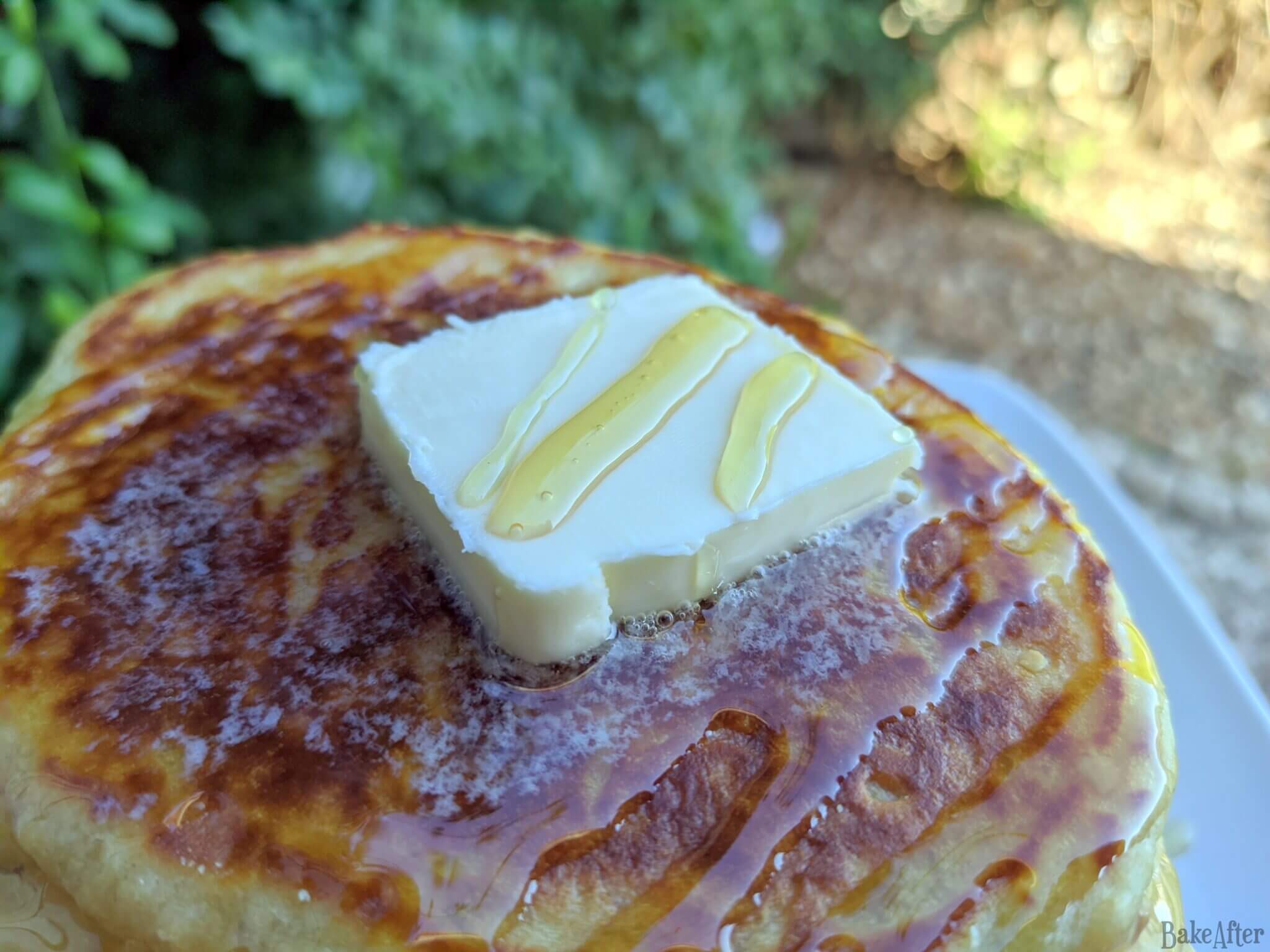
Why Some People Prefer Butter at Room Temperature
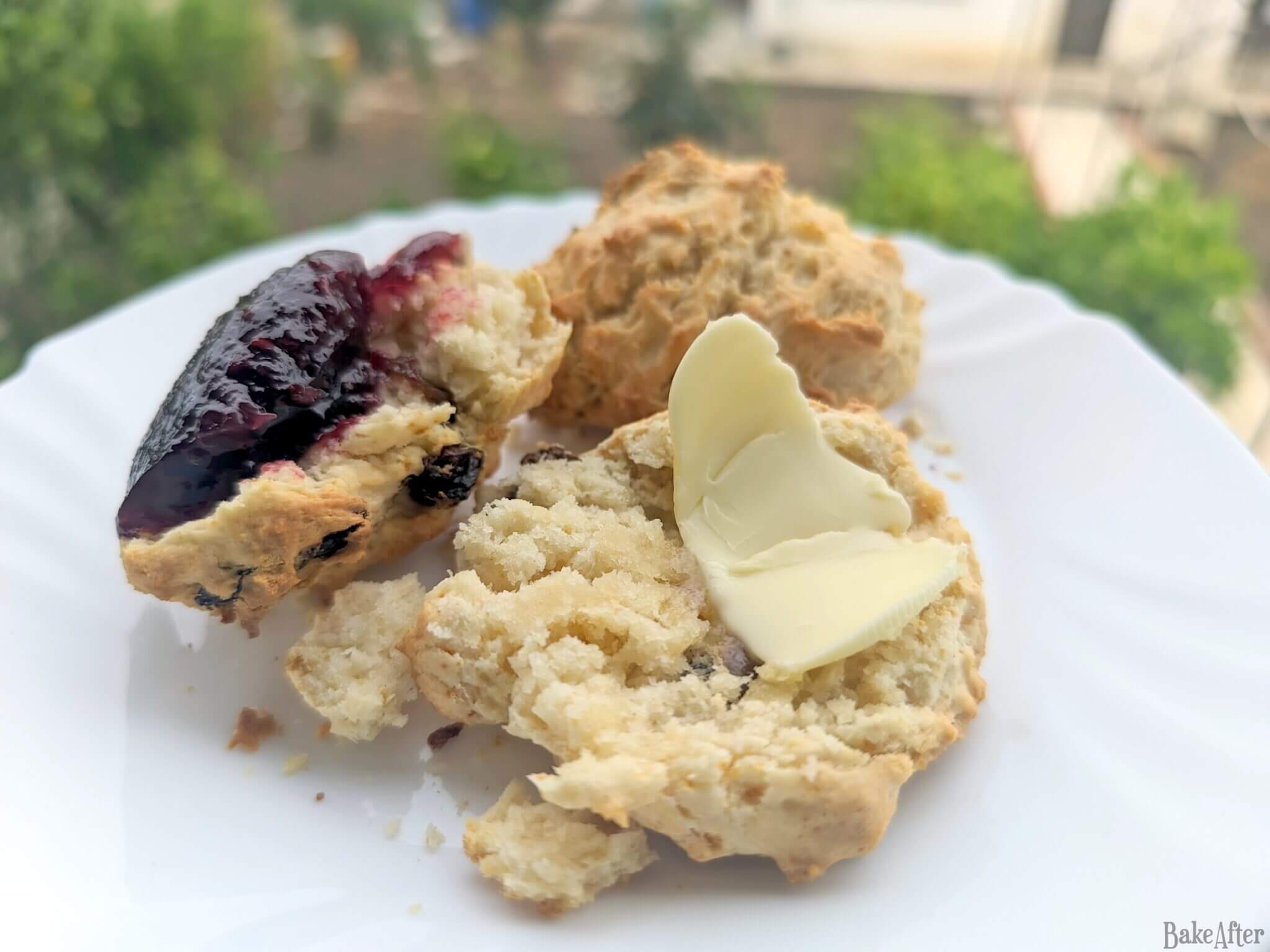
There’s a real, honest case for keeping butter out, and it’s not just about convenience. Room temperature butter spreads like a dream, and that matters more than it sounds. Cold butter tears bread, sits in clumps, and sometimes its a pain in the ass. Soft butter glides on, which also means, and this is something I’ve noticed myself, you tend to use a slightly bigger smear when it’s soft, which isn’t necessarily a bad thing if you love butter as much as I do. But not as good if you wanna cut on the fat…
On the flip side, I’ve genuinely noticed I eat way less butter when it’s cold and firm, simply because i scrape the butter thin and spread it thin on the bread, so i use much less… just saying. So depending on what you’re going for, softer or more restrained, that alone might tip your decision one way or the other.
How to Tell If Your Butter Has Gone Bad
Butter doesn’t spoil and rotten the way milk does, its usually more nuanced, but there are clear signs to watch for.
- Smell. Fresh butter smells clean and faintly sweet. If it starts smelling sour, rancid, or a bit like cheese, that’s your cue to toss it.
- Color. Butter that’s gone off often darkens slightly or develops yellow spots that are more pronounced at the edges, where it’s had the most exposure to air and light.
- Texture. If it looks greasy, oily, or is weeping liquid, it has likely broken down and should not be used.
- Taste. If it smells fine but you’re still unsure, a tiny taste will tell you immediately, rancid butter has a sharp, unpleasant bite that’s hard to miss.
Also, trust me, i know we all hurt inside when we through something out, i do, but If in doubt, throw it out, butter is not expensive enough to risk it. Hell nothing is expensive enough to risk your health.
Extra Tips and Tricks
- Keep it small. Instead of leaving out a full block of butter, cut off a portion for the counter and keep the rest refrigerated or frozen, this way you get the convenience without much of the risk…
- A butter bell or French butter crock, the kind that keeps butter submerged in water, is a clever way to keep butter soft and spreadable while still protecting it from air.
- Never leave butter out near a stove, a sunny window, or anywhere it gets direct heat, that’s the fastest way to turn it into a melted puddle.
- If you’re baking and a recipe calls for softened butter, don’t rush it in the microwave, let it sit out naturally, microwaved butter often ends up half melted, which changes how it behaves in your batter or dough.
- When travelling or during a heatwave, when in doubt, the fridge wins, you can always let a piece warm up on the counter for twenty minutes before you need it. Just like ice cream! ;D
And that’s it, hope this helps clear things up, and happy baking. And don’t go to wild on the butter, moderation is the name of the game! Until next time!
Discover more from BakeAfter
Subscribe to get the latest posts sent to your email.