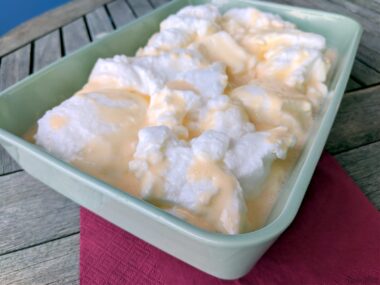

Wait? Custart of what? Hehehehe, well every time I make “Rabanadas” (Portuguese Christmas French Toast), there is always some whisked egg and milk left in the bowl. The egg usually goes into a omellet or brushed onto some pastry, and the milk I pour into a mug and drink, and of course that milk has a lovely bread aroma, so I thought, what if I use these leftovers to make Portuguese Leite Creme (Custard)?
Well, would you look at that, it’s pretty delicious! It’s basically a leite creme with a soft bread aroma that reminds me a bit of bread pudding. I really liked it, and the recipe itself is simple and pretty versatile. And yes I used a bit more hot milk than usual for the Rabanadas so there would be more left over, but the recipe below is literally the traditional Portuguese Leite Creme recipe. You just measure the milk that’s left from the Rabanadas and add more milk until you reach the amount in the recipe. The leftover whisked egg is so little that I just add it to the yolks from the recipe, and I don’t remove or add anything else.
Actually, this reminds me a bit of the Farófias with Leite Creme recipe, where the milk used to cook the meringue is then reused for the custard or leite creme. Let’s get to the recipe!
Portuguese Silky Custard Made with Leftover French Toast Milk • Leite Creme
I might make this re-using Christmas leftovers a whole new cooking genre hahahha, its starting to sound like Christmas....
Ingredients
- Milk – 1000 ml (Whole)
- Lemon – 2 (Peels)
- Cinnamon – 1 (Stick)
- Sugar – 240 g
- Flour – 60 g
- Egg Yolks – 6
- Salt – A Pinch
Directions
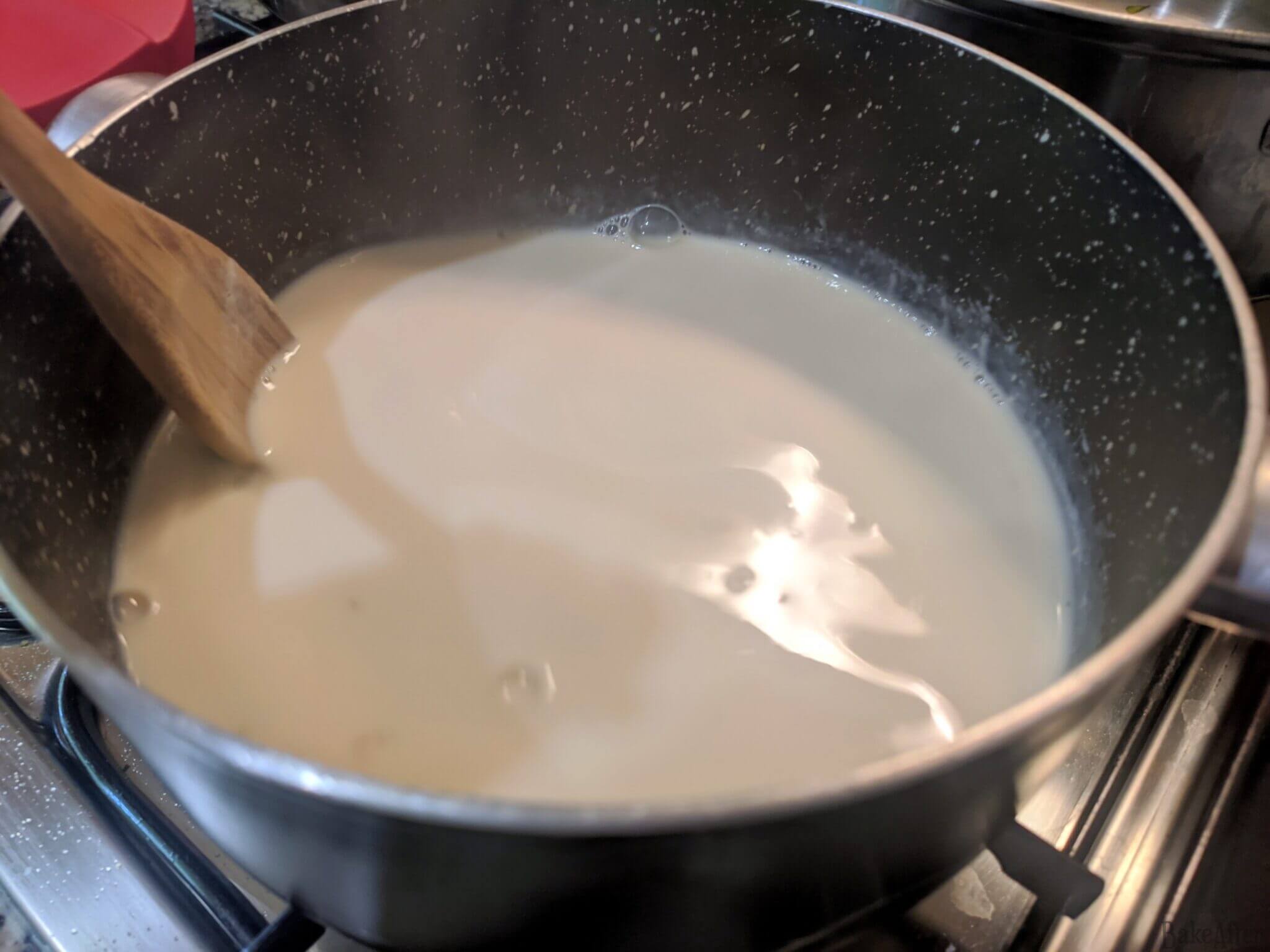
- Weigh the milk left over from soaking the Rabanadas (French Toast), add enough whole milk to reach a total of 1 liter, and combine everything in a saucepan over medium heat with two strips of lemon zest and a cinnamon stick, heat gently without letting the milk boil.
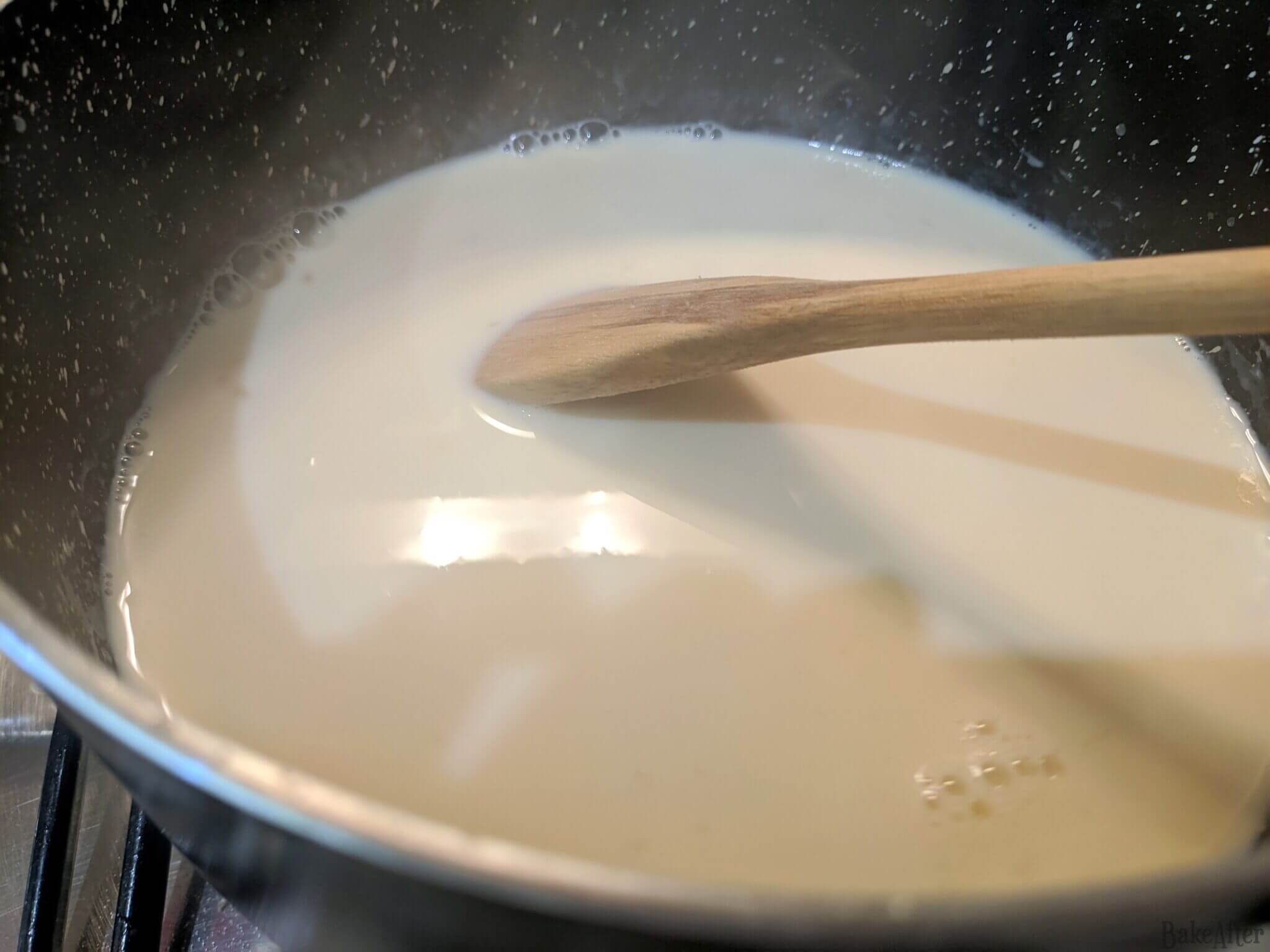
- In a separate bowl, combine the sugar and flour, slowly pour in a thin stream of the hot milk while stirring to fully dissolve the sugar and flour. Once well mixed, pour this mixture back into the saucepan with the remaining milk, stirring constantly, and cook briefly until it begins to thicken. Remove the saucepan from the heat.
- In another bowl, combine the egg yolks with the leftover whisked egg mixture from the Rabanadas whisk well until creamy and smooth.
- Slowly pour the hot milk in a thin stream into the bowl with the whisked egg yolks while stirring constantly (this tempers the yolks, warming them gradually without curdling them) until you have a warm milk-and-yolk mixture.
- Return the saucepan to medium heat and slowly pour the warm milk-and-yolk mixture back into the pan, stirring constantly.
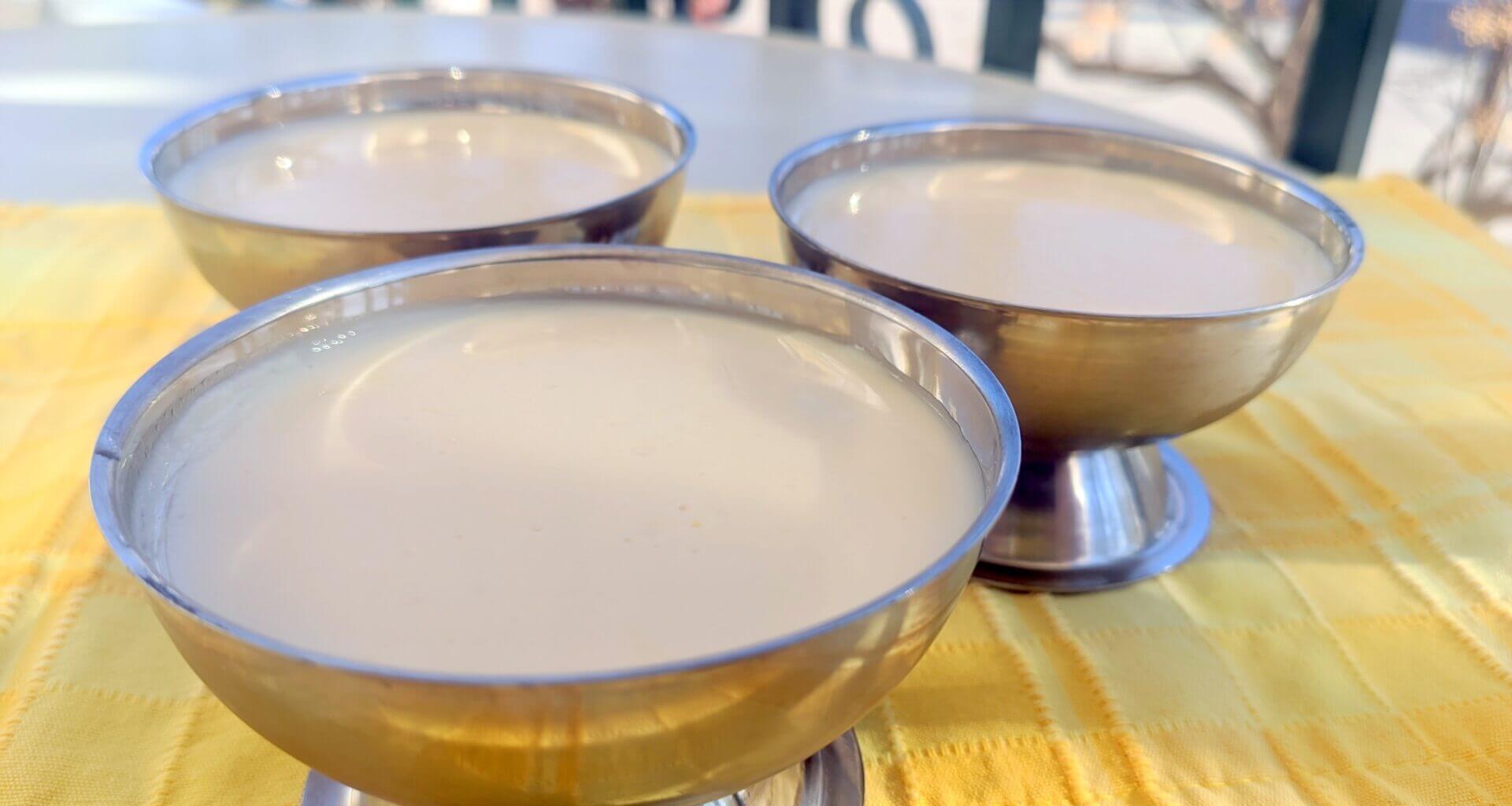
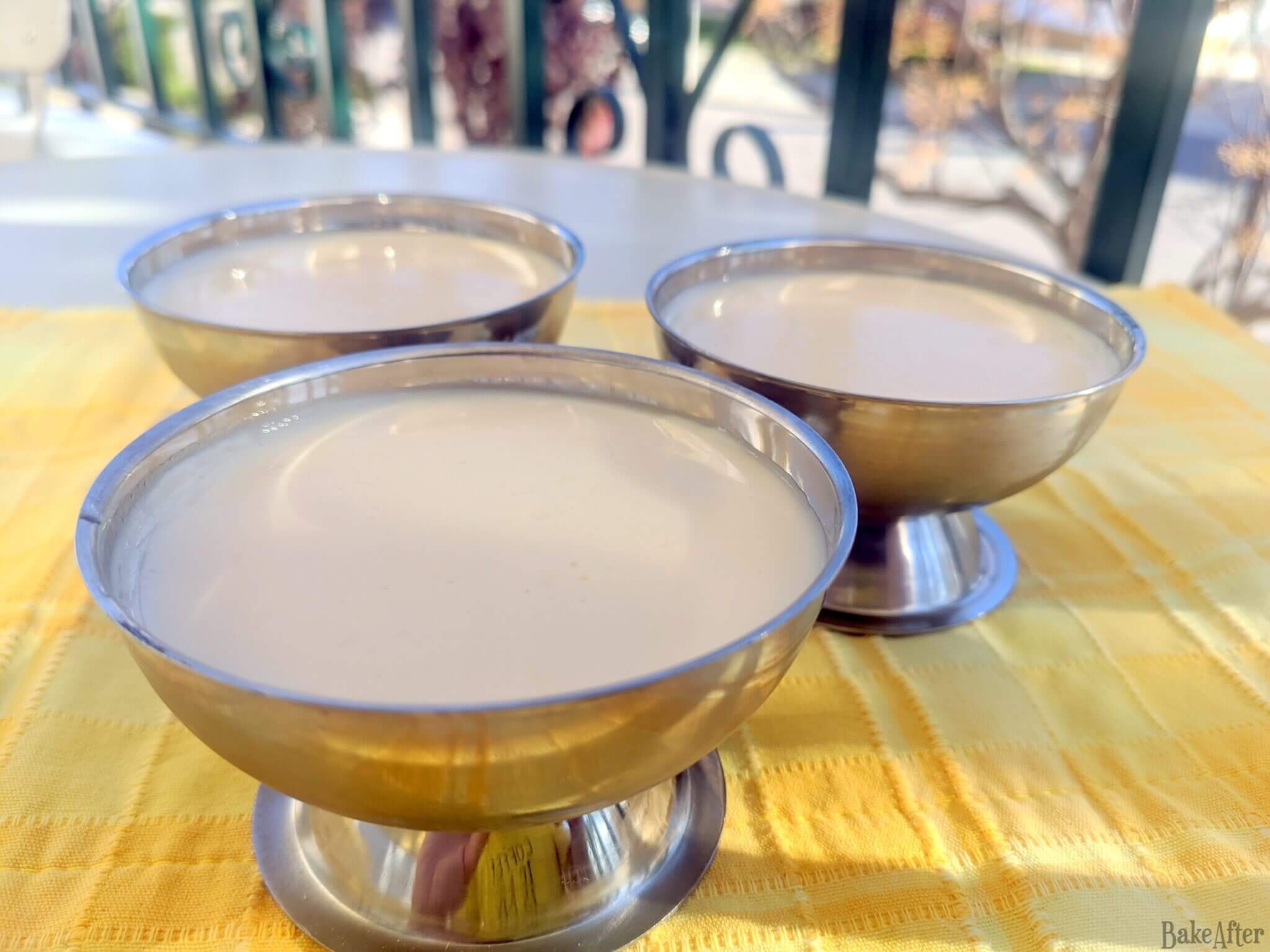
- Cook for about 2 to 5 minutes, stirring continuously, until the mixture thickens and becomes creamy, you will notice the change in consistency. Remove from the heat and pour into a large serving bowl or, as I did, into individual serving dishes.
- Refrigerate to set and serve well-chilled. Bon appétit!
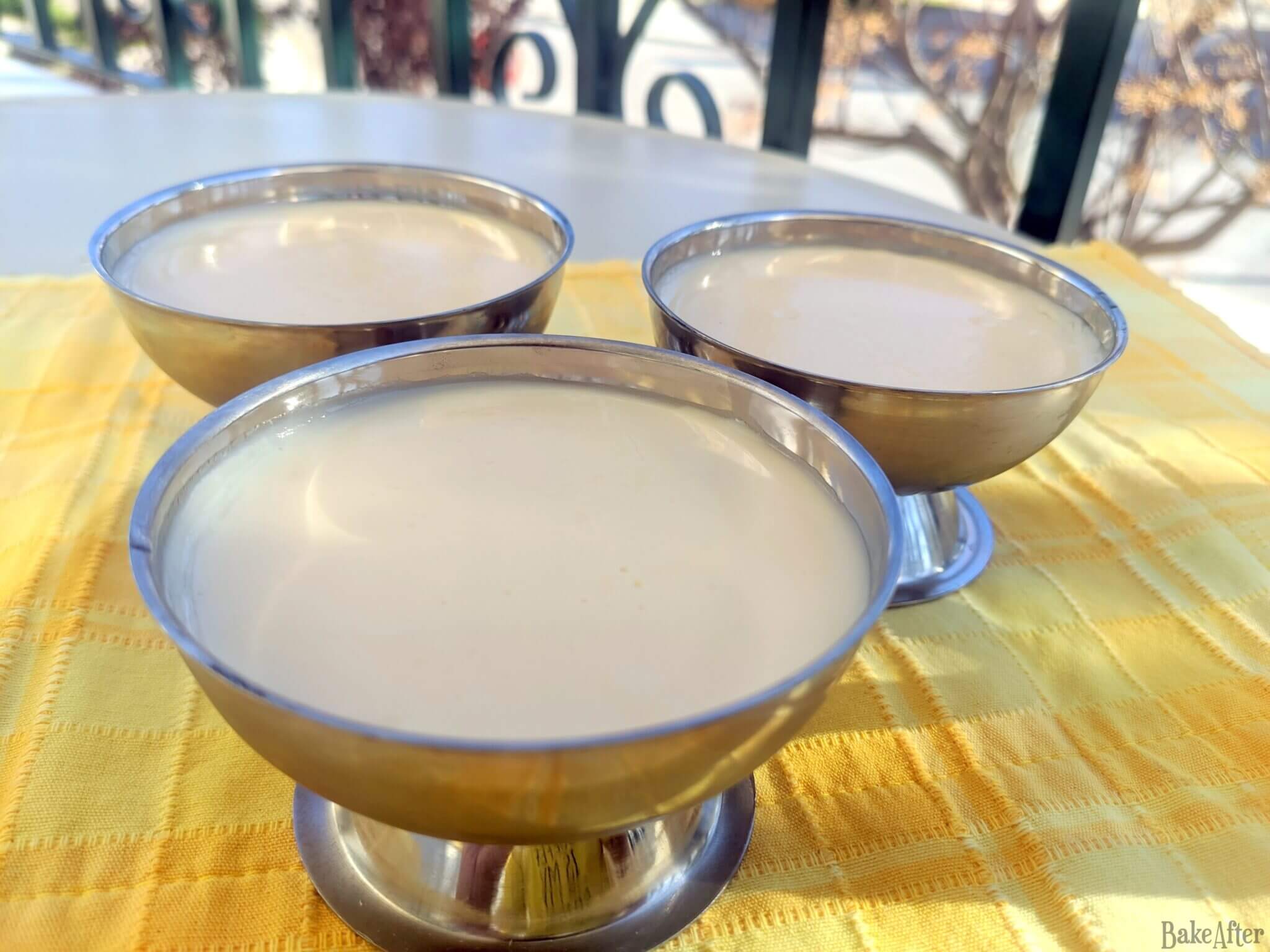
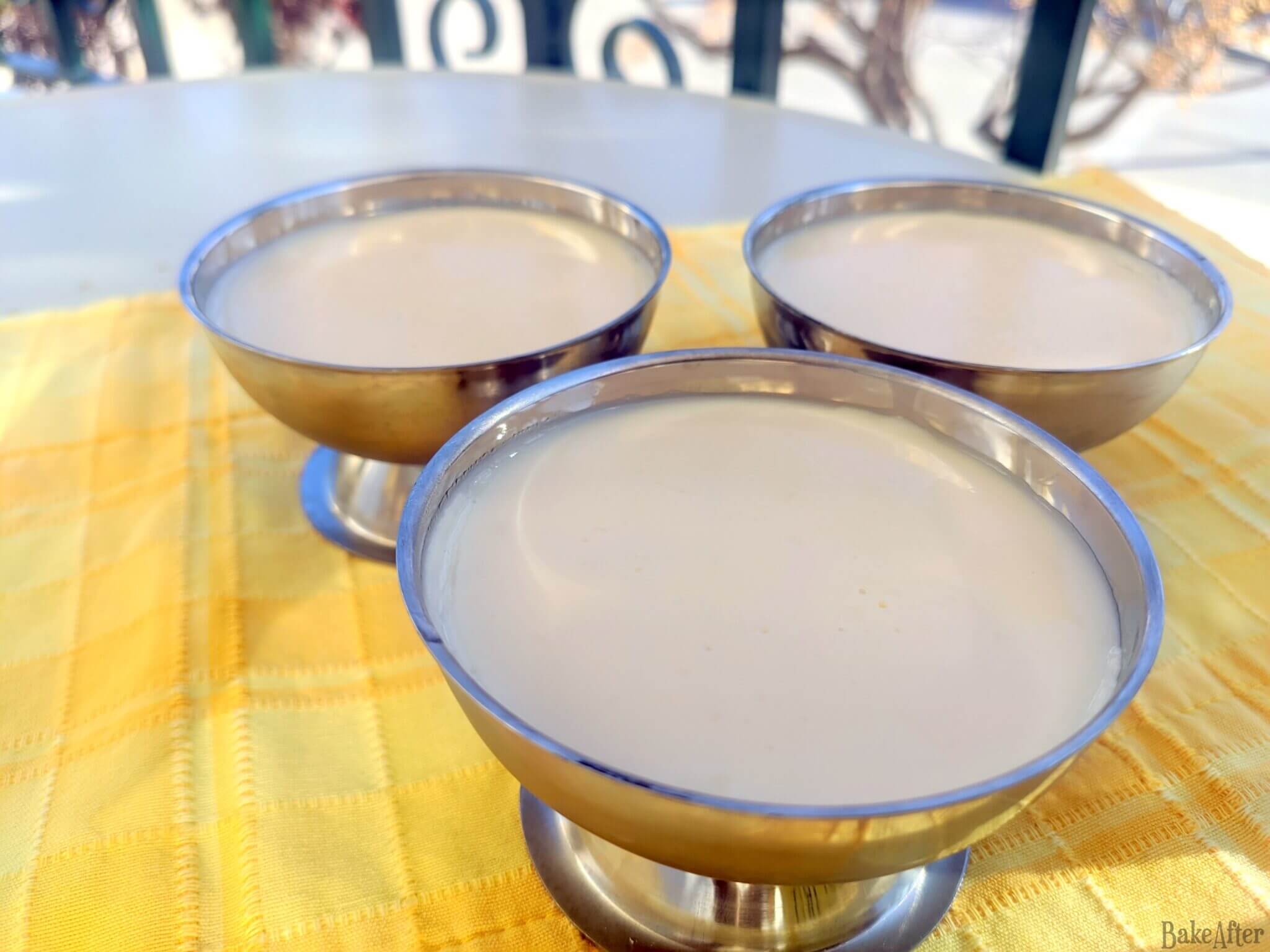
If you’re not careful and the yolks curdle, the best fix is to use an immersion blender and blitz the leite creme really well. It won’t make the leite creme/custard perfect and creamy, but it will give it a better texture (a bit like the difference between a perfectly cooked flan and an overcooked one, both are good, but the perfectly cooked one is smoother and creamier).
Peel the lemons with a vegetable peeler and try to skip the white part underneath (the pith), because it’s bitter and it will sneak into your custard. Wash the lemons well first, since the peel is going right into the milk.
Keep an eye on your temperatures. The milk should get hot and steamy but never boil, which is 100ºC (212ºF), and when you cook the yolks in the last step, aim to stay under about 85ºC (185ºF), otherwise you’re on the fast track to scrambled eggs. A good sign that it’s ready is when the custard coats the back of a spoon and a finger drawn through it leaves a clean line.
Don’t skip the step of dissolving the sugar and flour in a little hot milk, that’s what keeps lumps away. If you still get a few, just pour the custard through a fine sieve before putting into its serving dishes.
If you want to go full Portuguese café style, sprinkle a thin layer of sugar on top of each cup and caramelize it with a kitchen torch, or dust a little ground cinnamon on top. Both are gorgeous additions.
No rabanadas leftovers? No problem, just use 1000ml of whole milk and add 1 or 2 slices of stale bread to the milk while it warms up (remove them and squeeze them of excess milk before adding the flour mixture), and you’ll get a similar soft bread aroma.
The fridge time really matters. Give it at least 3 to 4 hours so it sets properly, it’s even better the next day.
It’s also important to note that this leite creme is necessarily going to have more calories, because the milk has a bit of dissolved bread in it and you’re adding more egg, but that’s hard to quantify, so the nutritional values for this recipe are even more approximate than normal.
This recipe for Portuguese Silky Custard Made with Leftover French Toast Milk • Leite Creme was originally created on BakeAfter.com. Esta receita de Leite Creme de Rabanadas foi publicada em português no Iguaria.com.
Nutrition
Per Serving: 174 calories; 5 g fat; 28 g carbohydrates; 4.5 g protein.Did you try this recipe?
Let me know how it turned out for you! You can leave a comment below ;D
Discover more from BakeAfter
Subscribe to get the latest posts sent to your email.