
Got a new… explainer type of post for you guys, if you spend any time reading recipes from both sides of the Atlantic, you will run into a wall… of creams! ;D Pretty quickly. An American recipe calls for heavy cream, a British one calls for double cream, another calls for half and half, and somewhere in the comments someone is asking if butter cream is the same thing as any of those. So its only natural there is some confusion, so lets just sort it out, starting from the very beginning, with milk…
What Is Milk and What Is Cream?
Milk, straight from the cow, is not a uniform liquid. It is mostly water, with proteins, sugar (lactose), minerals, and fat floating around in it. That fat does not dissolve, it floats, because fat is lighter than water. If you leave raw milk sitting still for long enough, the fat naturally rises to the top on its own, forming a layer, that layer is cream.
Nowadays, dairies do not wait around for gravity, they spin the milk in a centrifuge, which separates the fat from the rest of the milk almost instantly and far more efficiently. Once separated, the dairy has two things to work with, skimmed milk (milk with mostly all the fat removed) and pure cream (all fat, essentially). From there, they simply recombine fat and milk in whatever ratio they need to make a specific product, whole milk, low fat milk, light cream, heavy cream, and so on.
It is worth remembering this, because it means almost every cream product you will ever buy is really just milk fat and milk, mixed in different proportions, then pasteurized, and sometimes homogenized so the fat does not separate back.
So when people ask “what is the difference between cream and milk,” the honest answer is, cream is milk fat, separated out and concentrated, while milk is what is left when you take most of that fat away, or leave in only a little of it. Everything else, half and half, whipping cream, double cream, they are all just points on the same sliding scale of milk fat percentage.
American Creams, Name by Name
In the United States, cream products are labeled by law according to how much milk fat they contain, so the names are fairly consistent no matter where you shop.
Half and Half – This is milk and cream mixed together, landing at around 10 to 18 percent fat, usually closer to 12 percent. It is too light to whip into peaks, it will just stay liquid no matter how hard you try. Half and half is mostly a coffee and tea companion, poured straight into a cup, and it also shows up in some soups and sauces where you want a bit of richness without a heavy, fatty finish.
Light Cream, also called Coffee Cream or Table Cream – Sitting around 18 to 30 percent fat, this is a step up from half and half. It still will not whip properly, but it pours beautifully and adds a silkier texture to coffee, cereal, and light sauces.
Light Whipping Cream – Around 30 to 36 percent fat, this is the first cream on the list that can actually be whipped, though the foam will be softer and less stable than what you get from heavy cream. It works fine for a quick dollop on dessert, but it will deflate faster.
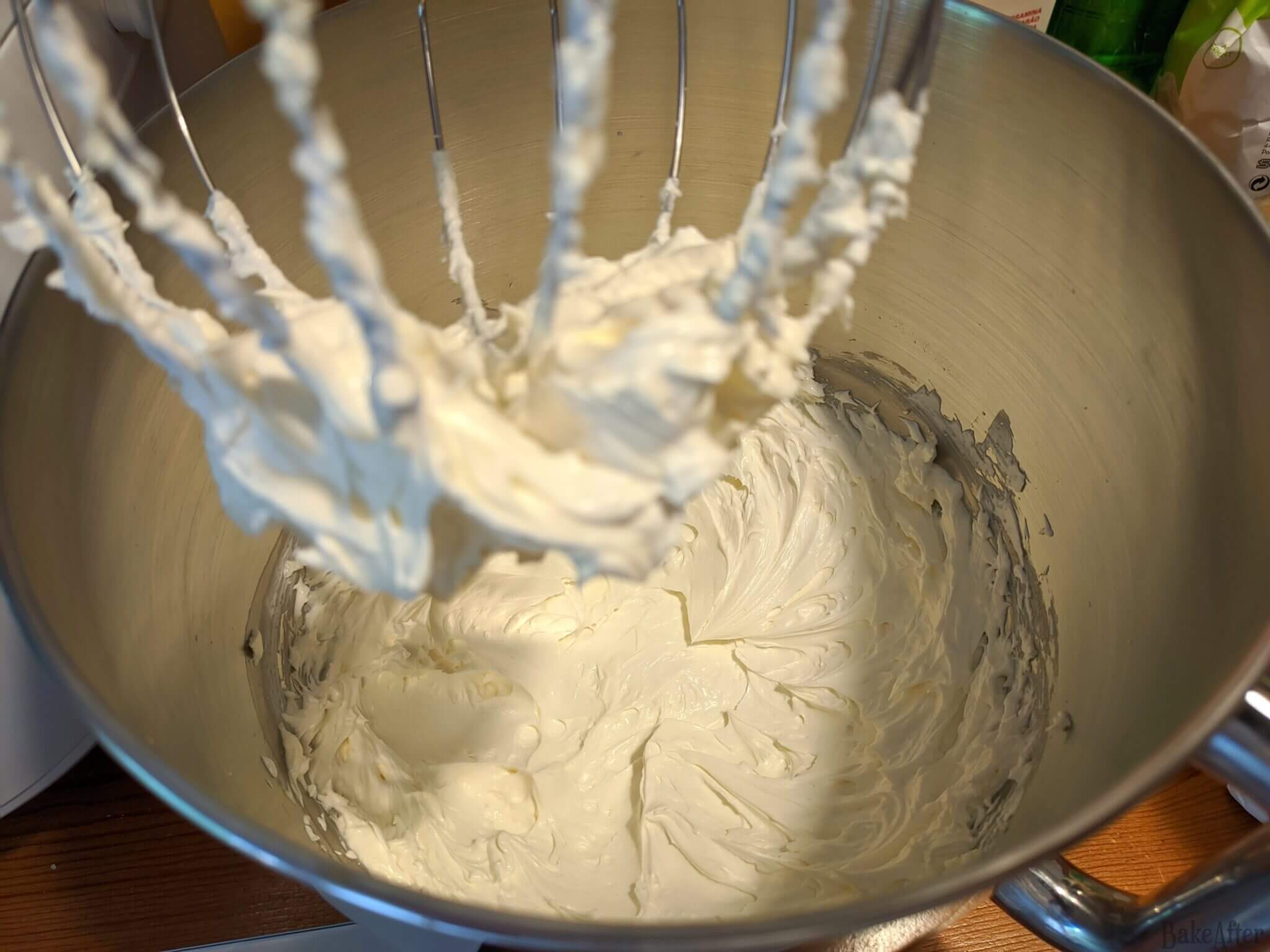
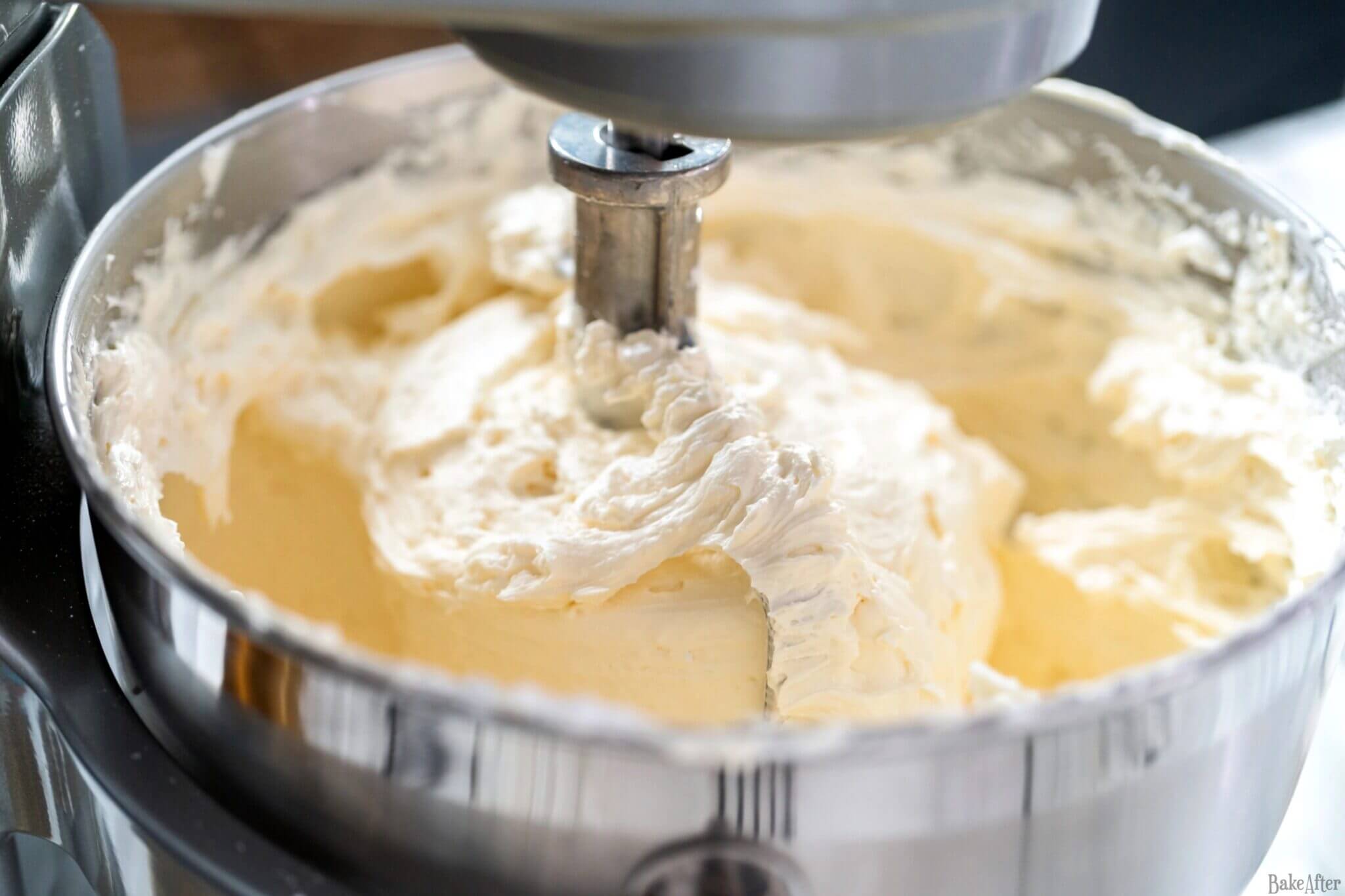
Heavy Cream, also called Heavy Whipping Cream – This is the workhorse of American baking, at 36 to 40 percent fat. It whips into stiff, stable peaks, it can be boiled and reduced into sauces without curdling, and it is what most American recipes mean when they simply say “cream.” If a recipe does not specify which cream, heavy cream is usually the safest guess.
British Creams, Name by Name
Cross the Atlantic and the naming logic is the same, fat percentage decides the name, but the specific tiers and labels are different.
Half Cream – The lightest of the bunch, at around 12 percent fat, similar in spirit to American half and half, and used in the same way, mostly for coffee and tea.
Single Cream – Around 18 percent fat, comparable to American light or coffee cream. It pours well and enriches soups and sauces, but it cannot be whipped and it will split if you let it boil hard.
Whipping Cream – At around 35 percent fat, this is the British equivalent of light whipping cream, capable of being whipped into soft, pipeable peaks, used often in desserts where you want a lighter texture than double cream would give.
Double Cream – This is the big one, at roughly 48 percent fat, noticeably thicker and richer than any standard American cream. It whips up into very stiff, stable peaks, it can be spooned straight over a dessert without whipping at all, and it holds up well in hot sauces without breaking. If an American recipe called for heavy cream and you only have British creams on hand, double cream is your closest match, if anything it is a bit richer.
Extra Thick Double Cream – A homogenized version of double cream, treated so it comes out of the tub already thick and spoonable, without any whipping needed. It will not whip into peaks the normal way because the fat structure has already been broken down, but it is popular for spooning straight onto pies, crumbles, and scones.
Clotted Cream – The richest of them all, at 55 to 64 percent fat. It is made by heating full cream milk very gently for a long stretch of time, which lets the fat rise and form a thick, almost spreadable crust on top. It is traditionally served with scones and jam as part of a proper cream tea, and it is thick enough to spread with a knife rather than pour. Do note that butter runs at around 80 percent, so this is still more akin to a sweet spreadable cream than butter.
Tips and Tricks with Creams!
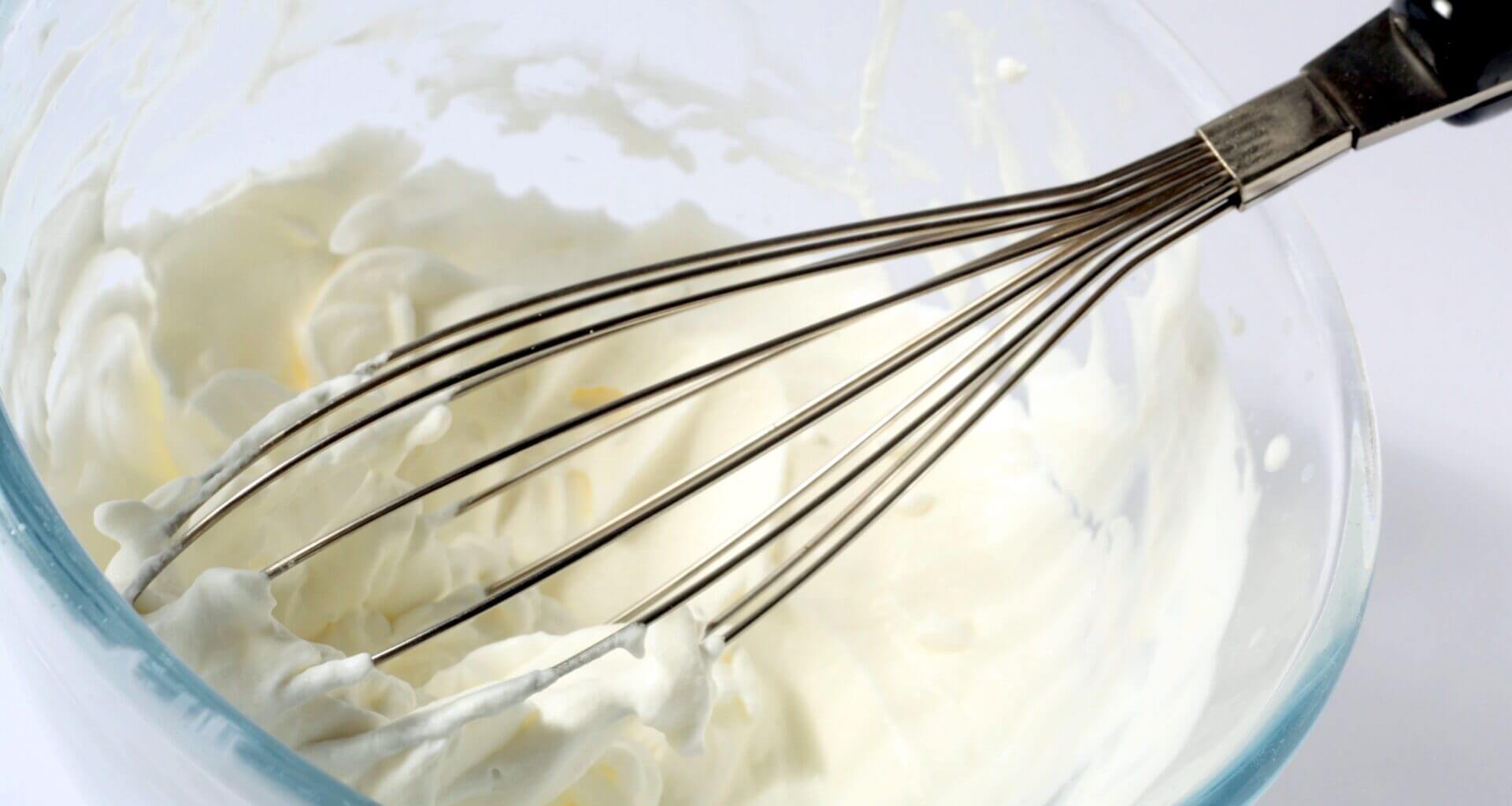
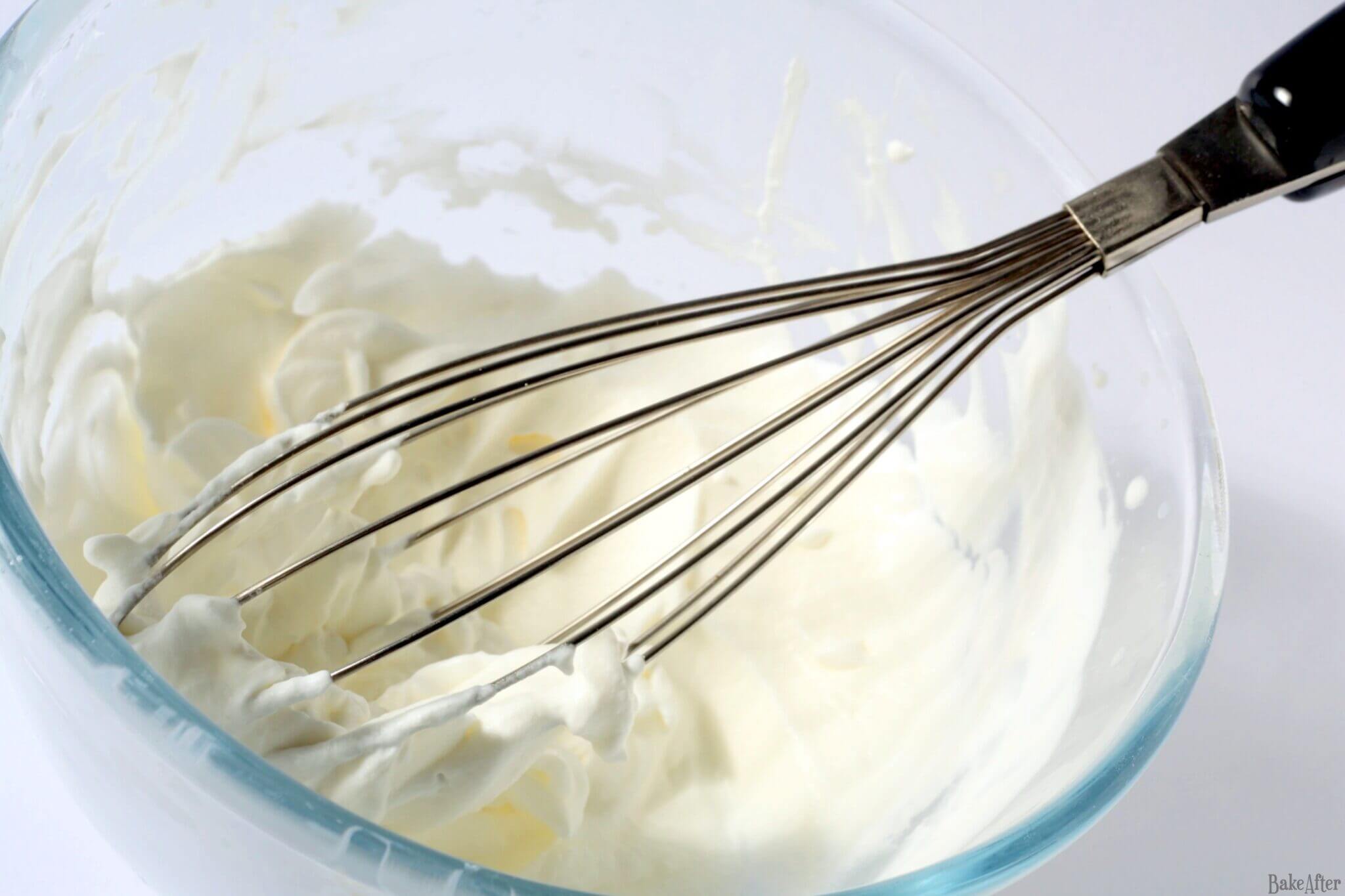
- If you want stable whipped cream, you need at least 30 percent fat, so half and half and single cream are out, heavy cream and double cream are in. The higher the fat, the more stable and long lasting the whip will be.
- Cold cream whips faster and holds better, so keep the cream, the bowl, and even the whiskers/beaters in the fridge or freezer for a few minutes before whipping, especially in a warm kitchen.
- If a recipe needs to simmer or boil, lower fat creams like half and half or single cream are more likely to curdle or split, higher fat creams like heavy cream and double cream are much more forgiving under heat.
- You can make a rough substitute for half and half at home by mixing whole milk and heavy cream in roughly equal parts, and you can lighten heavy cream into something closer to light cream by stirring in a bit of milk.
- Heavy cream and double cream both freeze reasonably well, though the texture can change slightly once thawed, if frozen, they are best used in cooked dishes rather than whipped fresh after freezing.
- Do not confuse sour cream with any of the creams above, sour cream is a fermented product, made by adding bacterial cultures to cream and letting it thicken and turn tangy, it belongs in its own category entirely alongside things like crème fraîche.
And that is really it. Underneath all these names, it comes down to one simple idea, milk fat and milk, mixed in different amounts, then treated slightly differently depending on where in the world you happen to be shopping. Once you know the percentage behind each name, swapping between American and British recipes gets a whole lot easier.
As a sidenote i kinda use all of these interchangeably, if its a British recipe ill use more British nomenclature and products, the same goes with Americans, its the best way to treat a recipe, you would write a Portuguese or Thai recipe trying already to find comparable options, no you go with the named ingredients, if of course you cant find them or need alternatives, thats what this article is all about!
Ohhh ohhh and buttercream is an iced frosting made with butter and sugar, not a liquid dairy cream! Have a awesome dayyy! byeeee 🙂
Discover more from BakeAfter
Subscribe to get the latest posts sent to your email.