
After my rant about all the shady stuff going on with Nutri-Score labels, I kind of glossed over something that I think is genuinely one of the most useful tools you can have as a consumer, knowing food processing categories. Hehehehe yes super important! Ok Ill explain 🙂
I think that learning to distinguish between these categories, and the quality that usually comes with each, lets you cut right through all the fancy marketing claims on the packaging and make smarter food decisions. And this matters, because generally speaking, the more processed a food is, the less nutritious it tends to be.
The NOVA Classification
The NOVA classification was developed in Brazil by the University of São Paulo, created by a team of epidemiologists and nutritionists who proposed classifying foods based on their nature, extent, and degree of industrial processing. The idea behind it is pretty straightforward: there is a growing and well-documented relationship between the consumption of ultra-processed foods and the rise of chronic non-communicable diseases, meaning the diseases that come from our environment, what we breathe, drink, and eat. So if we have a clearer picture of how processed a food actually is, our choices naturally should get better.
How to Identify the Level of Processing
Unprocessed or Minimally Processed Foods
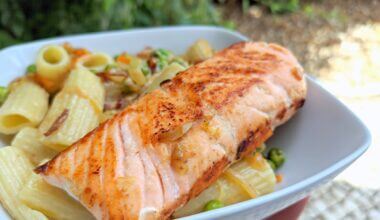
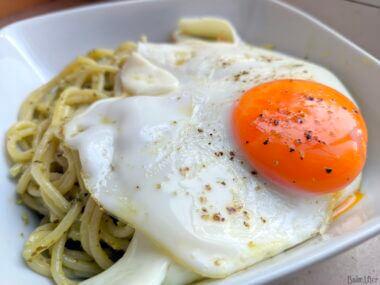
This first category covers foods obtained directly from plants or animals that have either not been processed at all, or have gone through minimal processes meant purely to preserve them or make them safer and easier to eat, without significantly changing their nutritional profile. These are, as a rule, the most nutrient-dense foods you can eat and the foundation of any healthy diet. The processes involved are things like cleaning, refrigerating, removing inedible parts, pasteurizing, fermenting, or vacuum-packing.
Examples: fresh fruit, vegetables, fresh meat, pasteurized milk, eggs, rice, beans, flour, fresh mushrooms.
Processed Culinary Ingredients
This category covers foods or substances extracted from unprocessed foods or from nature, used in the preparation and seasoning of dishes. The processing is mostly about making them easier to use in cooking and extending their shelf life. You typically use these in small amounts, to season or improve what you’re making. The processes involved include refining, pressing, milling, and drying.
Examples: olive oil, vegetable oils, butter, sugar, salt, honey, starch, spices.
Processed Foods
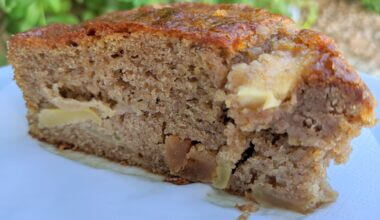
This category covers foods made by combining ingredients from the first two categories, produced with the addition of salt, sugar, oils, or other substances to unprocessed foods, with the goal of improving durability and flavor. Now, these are not necessarily low in nutrition, and some are actually quite nutritious. But they frequently have higher amounts of things like salt, sugar, and fats, and lower amounts of micronutrients, so as I always say, eat these with a bit more moderation. The processes involved include salt preservation, alcoholic fermentation, canning, steaming, and baking.
Examples: traditional bread (made only with flour, water, salt, and yeast), cheeses, yogurt, pickled vegetables, simple canned fish, fruit in syrup, chorizo, ham.
Ultra-Processed Foods
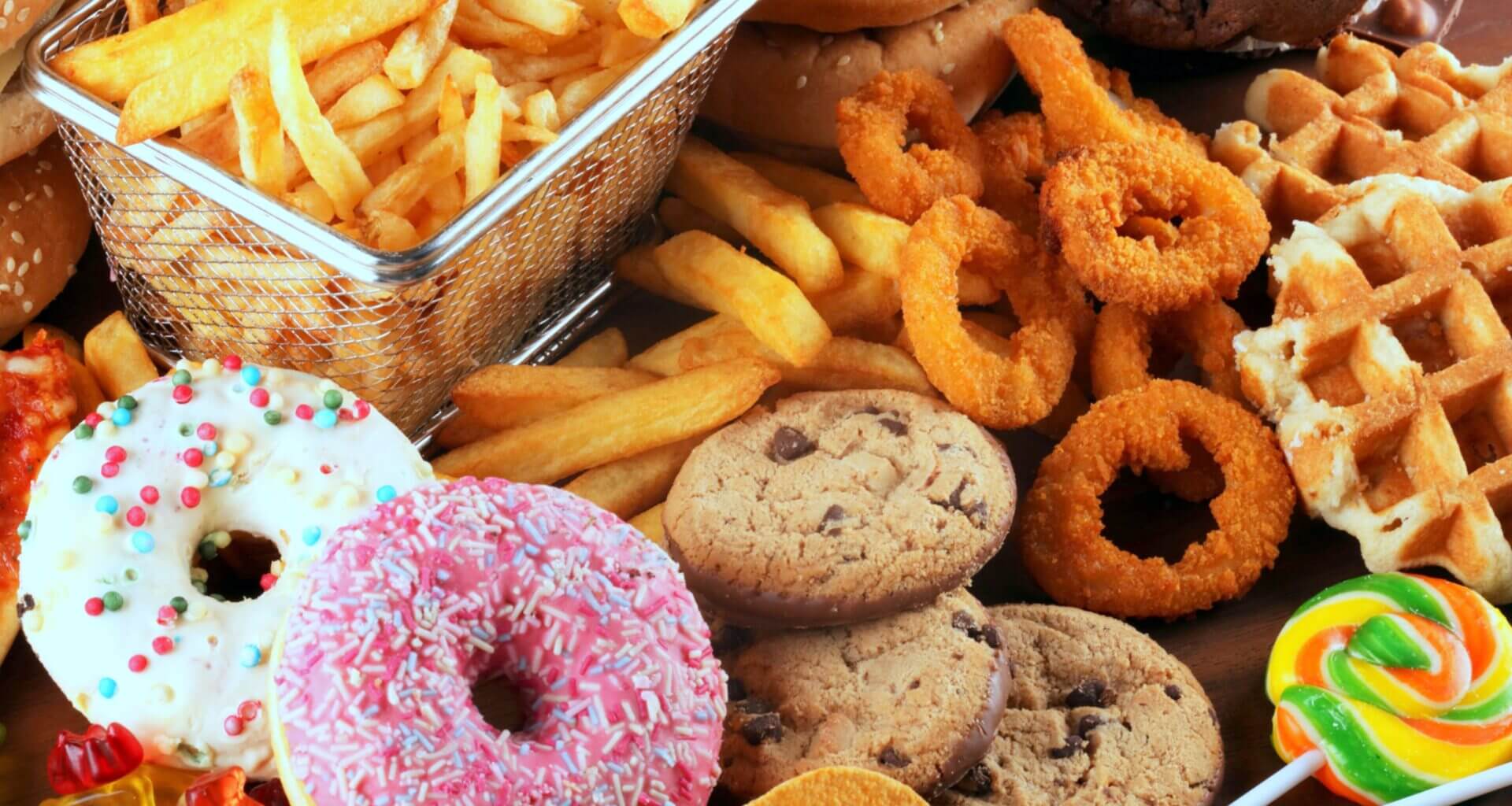
This last category covers all industrial creations. These are difficult or outright impossible to make at home because they require specific equipment and techniques, and they are produced entirely or predominantly from substances extracted from foods, derived from food components, or synthesized from scratch. These products are designed to be incredibly convenient, intensely tasty, and to have a long shelf life. They tend to be the richest in calories, sugar, saturated fat, and salt, and the poorest in fiber and micronutrients. The most common processes include extrusion, molding, pre-frying, hydrogenation, and the addition of colorings, flavorings, emulsifiers, and other additives.
Examples: Nutella (yeah, I said it), sodas, packaged snacks, cookies, breakfast cereals, ready meals, hot dogs, nuggets, instant noodles, sauces, frozen products, energy drinks, potato chips…

Important Things to Keep in Mind
One of the most important things to understand is that the NOVA system is not perfect. The definitions are broad and sometimes vague, so some products are genuinely hard to categorize as processed versus ultra-processed. On top of that, some unprocessed foods can have a poor nutritional profile (fruit juice, nuts with added coatings, fatty ground meat) and, on the flip side, some ultra-processed products can actually have a decent nutritional profile (probiotic Greek yogurt, plant-based burgers, infant formula). So not everything is black and white, and I think it is genuinely counterproductive to demonize industrial food production. Bad nutrition beats no nutrition, and if you look at ultra-processed products from the early 2000s and compare them to the same products or similar ones today, the vast majority have less sugar, fewer unhealthy fats, and fewer pointless additives. There is a real positive progression happening with processed and ultra-processed foods.
That said, do not forget that ultra-processed foods are linked by multiple studies to an increased risk of various health problems, and that in the average supermarket, roughly 70% of what is on the shelves is ultra-processed. Many restaurants, especially fast food chains, serve mostly ultra-processed food. A full McDonald’s combo meal is almost 100% ultra-processed food, every single item on the tray.
Processed vs. Ultra-Processed: The Blurry Line
Here is an important point that trips a lot of people up. Many similar commercial products can fall into completely different categories. Plain natural yogurt, Greek yogurt, skyr, and kefir are all processed foods. But fruit yogurt, chocolate chip yogurt, flavored yogurt, protein yogurt, lactose-free yogurt? All ultra-processed, even though they are all “yogurt.” This distinction comes up constantly. A plain loaf of bread is a processed food, but put chorizo inside it or add a glaze on top and it becomes ultra-processed. Or maybe the bread looks plain but it has a long list of additives to make it stay soft for two weeks, in which case it was ultra-processed all along. Walk down the bread aisle at any supermarket and you will find both kinds sitting right next to each other with zero indication of the difference.
It is also worth noting some nuances around the categories themselves. Just because something is unprocessed does not automatically mean it is nutritionally superior to a processed equivalent. There is actually a study that compared the quality of fresh tomatoes versus canned tomatoes across various countries, and it found that the farther the country of consumption was from where the tomatoes were grown, the worse the fresh tomatoes were. The longer a tomato spends traveling from vine to plate, the more nutritional quality it loses. A canned tomato, on the other hand, is canned within hours of harvest and retains most of its nutrients for much longer, even accounting for what is lost in the canning process. If both are eaten within a day or two of being picked, fresh wins. But a few days later, the canned version will actually be better. You see a similar story with fresh versus frozen fish.
Along the same lines, eating plain flour, which is a minimally processed food, is actually a bit hard to digest. But use that flour to make bread, a processed food, and you end up with something nutritionally superior to the sum of its parts. The yeast, the development of gluten, the structure of the bread, all of it makes the nutrients more accessible and easier for your body to use. Same logic applies to something like dried pasta.
The Ingredient List Trick
One of the best practical ways to tell a processed food from an ultra-processed one is to look at the ingredient list. If a bread’s ingredients are just flour, water, yeast, and salt, or if a product in general has three or four ingredients you actually recognize, it is almost certainly a processed food. But if that same bread has twenty ingredients and half of them are names you cannot pronounce, it is clearly ultra-processed. Worth remembering too that systems like the Nutri-Score label are really only categorizing ultra-processed foods and creating distinctions between “less bad” within a group, not comparing them to genuinely good foods. There are plenty of products sitting at a green A on the Nutri-Score that are still not great nutricionaly, they are simply the best inside that food category.
Take Nutella as an example, and yes there are other chocolate hazelnut spreads out there. Some have more cocoa, less fat, or better ingredients overall. I once found a store-brand version that was not only cheaper than Nutella but had more cocoa, more hazelnut and half the saturated fat. And honestly I would bet it tasted better too. So if you are going to buy an ultra-processed product, at least try to pick one that is a little better. There are healthier sauces and mayonnaises with fewer additives. There are fish fingers and chicken nuggets with less caloric breading and a higher actual percentage of fish or chicken. You have options, if you pay attention.
Tips and Tricks with Processed Foods
- Check the ingredient count first. A product with 3 to 5 recognizable ingredients is almost always in the processed or minimally processed range. If the list runs past ten ingredients and includes things you would never find in a home kitchen, you are looking at an ultra-processed product.
- Additives are the giveaway. Words like “emulsifier,” “flavor enhancer,” “artificial color,” “hydrogenated oil,” “high-fructose corn syrup,” or anything listed as “E followed by a number” are typical markers of ultra-processed foods. One of these in the ingredient list puts a product firmly in that category.
- Use apps to help. Apps like Open Food Facts let you scan a barcode and get an instant NOVA classification for over 75,000 products. Genuinely useful when you are standing in the supermarket aisle wondering what you are actually holding.
- Frozen is not automatically bad. Frozen vegetables, frozen fish, and other frozen basics are usually minimally processed and can be nutritionally comparable to or even better than their fresh counterparts, depending on how long the fresh version has been sitting around.
- Better within the category still counts. If you are going to eat ultra-processed food, comparing labels within the same product type genuinely helps. Two chocolate spreads can look identical but have meaningfully different amounts of sugar, saturated fat, and additives. Small differences, made consistently, add up.
- Nutri-Score and similar labels are relative, not absolute. A green A does not mean a product is healthy in any meaningful sense. It just means it is less bad than the other products in its category. Keep that context in mind.
The Bottom Line
Any questions or rants of your own, drop them in the comments! Until next time.
Discover more from BakeAfter
Subscribe to get the latest posts sent to your email.