
Sweeteners sit in almost every pantry, coffee cup, and diet soda. Some people swear by them, and others treat them like a villain. As usual, the truth lives somewhere in the middle, so let’s sort it out together, starting by the sweeteners!
So What Are Sweeteners?
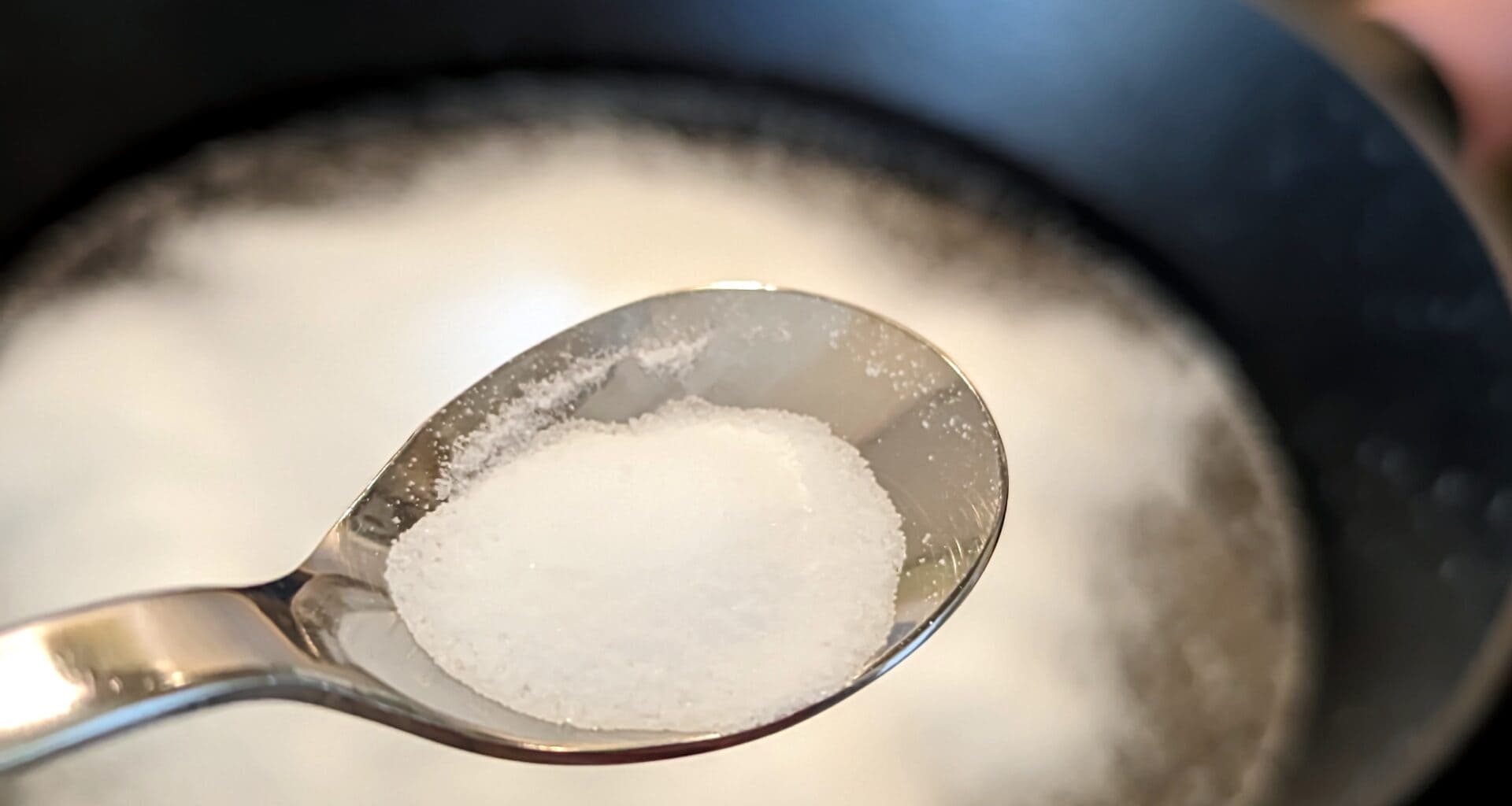
Artificial sweeteners are made in a lab or better yet they are lab made and used in place of regular table sugar to sweeten foods and drinks. Most of them are far sweeter than sugar, so you need between 200 and 20,000 times less to get the same sweetness. Because the amounts are so tiny, the calories are basically zero, which is why they are called non-nutritive.
And yes i know, the food industry loves to divide sweeteners into ‘natural’ (like stevia and erythritol) and ‘artificial’ (like aspartame and sucralose). But let’s be honest: you can’t harvest a bag of pure, crystalline erythritol off a vine any more than you can pick aspartame from a tree. Both rely on high-tech industrial processing to reach your pantry. So for me, its all lab made! ;D
But not everything on the shelf works the same way. Sucralose adds no calories, while aspartame does carry a few, though in such small amounts that it hardly matters. Stevia, erythritol, and monk fruit are often grouped in the same aisle, even though they come from different sources.
The Good Side of Sweeteners
For many people, sweeteners are a useful tool, not a magic trick. They give you a sweet taste with fewer calories or none at all. Short-term trials suggest they may have little effect on blood sugar and may help lower body weight when combined with eating less.
That is why they can help people with diabetes, obesity, or high blood pressure, especially at the start of a change in eating habits. They also don’t feed the bacteria that cause cavities the way sugar does. The key word is “tool.” They help you cut down on sugar, but they don’t make a dessert magically healthier!
The Not So Good Side of Sweeteners
So here is the honest part. In 2023 the World Health Organization suggested not using non-sugar sweeteners to control weight or lower the risk of diseases like diabetes. Its review found no clear long-term benefit for body fat in adults or children.
Observational studies also link long-term use to a higher risk of type 2 diabetes, heart disease, and early death in adults. That evidence is rated low to very low certainty, and association is not proof of cause. People who already have overweight, insulin resistance, or higher cardiometabolic risks are often the ones who switch to sweeteners in the first place, meaning the sweetener is a response to the risk, not necessarily the cause.
Then there is the cancer headline. In June 2023, aspartame was classified as “possibly carcinogenic to humans” (Group 2B). The joint FAO/WHO food additives committee reviewed the same data and did not change its recommended daily limit. That limit is 40 mg per kilogram of body weight per day. A 150 lb (68 kg) adult would need to drink well over a dozen diet sodas a day to pass it.
Two more notes, Aspartame should be avoided by people with phenylketonuria, because it adds phenylalanine. And some sweeteners can upset the stomach, cause small intestinal problems, and some leave a bitter or metallic aftertaste.
So When and How to Use Sweeteners?
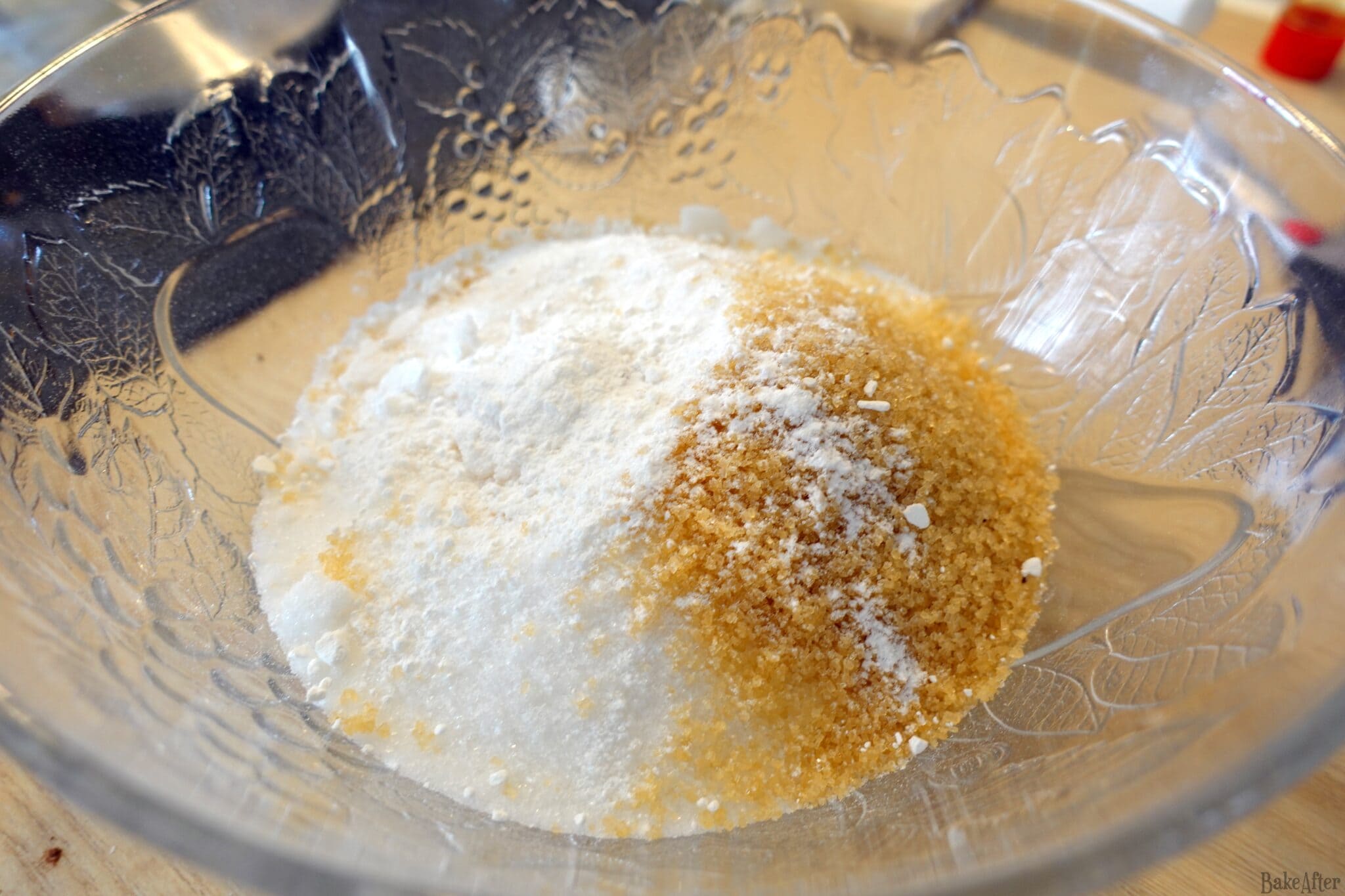
Most sweeteners don’t love heat. Many break down at high temperatures and turn bitter. Some also don’t brown or caramelize like sugar, and they are a poor choice for meringues.
Sugar does more than sweeten. It adds bulk, moisture, and color. That is why a one-to-one swap rarely works and why the small sweetener packets are bad for baking.
Stevia blends made with erythritol are heat stable, but they won’t brown the way sugar does.
Sucralose bakes well if you use a baking blend with bulking fillers.
Erythritol is about 70% as sweet as sugar and is heat stable. You may need about 1¼ cups for every cup of sugar.
Don’t use small packets or pure liquid sucralose in cakes, because you lose all the bulk.
Are Sweeteners Healthier and a Good Alternative to Sugar?
They are fine in moderation for most people, and useful in some situations. But they are not a free pass, and they are not a proven weight-loss shortcut. Use them as a helper, keep an eye on the amounts, and enjoy real sugar once in a while, in small portions. A little common sense in the kitchen goes a long way.
Remember the bigger goal. Its healthier to cut sugar, but the healthiest way is to train your taste buds to enjoy less sweetness overall, not just to swap one sweet for another.
Tips and Tricks with Sweeteners
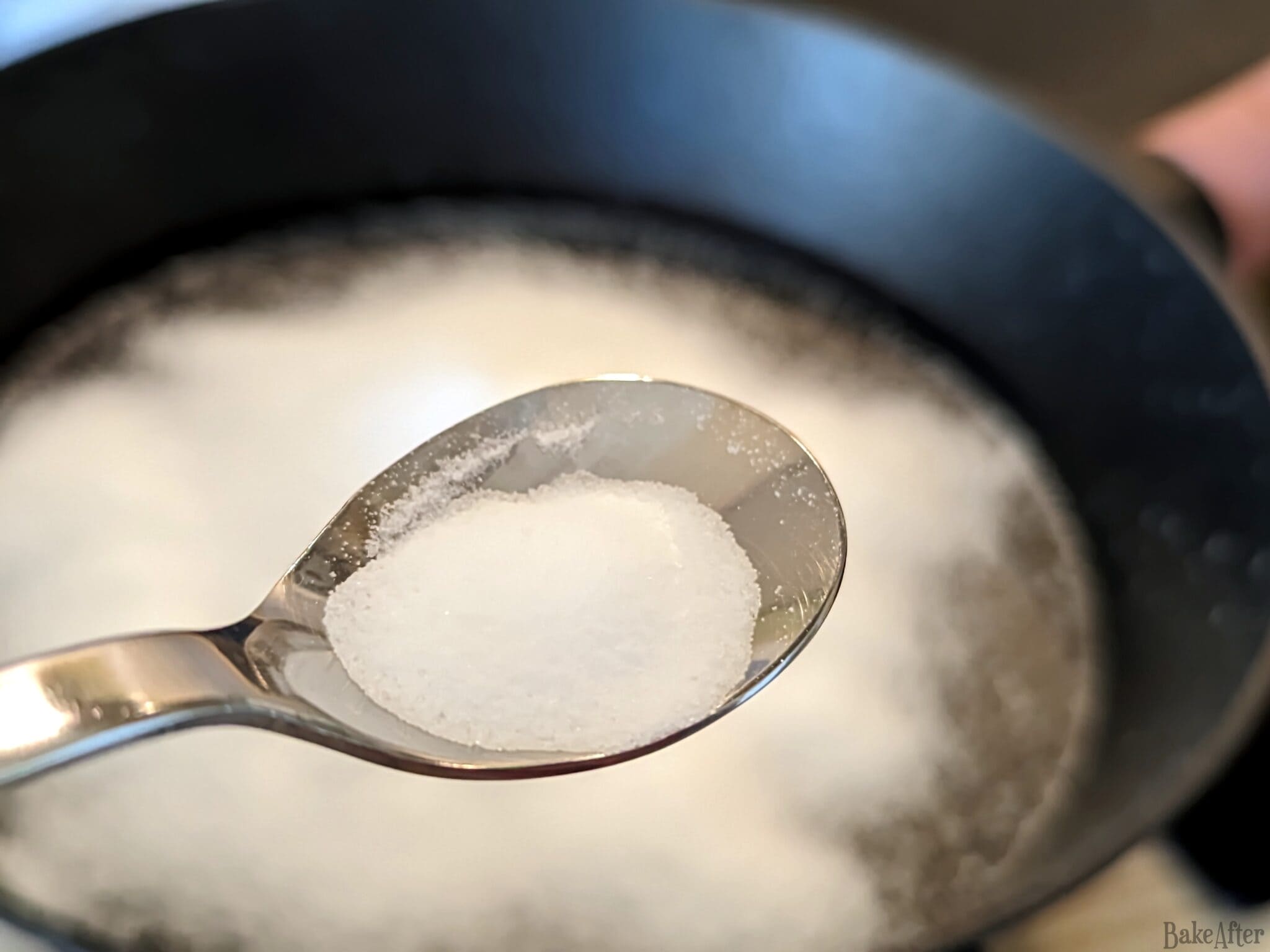
- Start by replacing only half of the sugar. See how the sweetener behaves before going all in.
- Grind granular erythritol into a powder first, because it can feel gritty in batters.
- Add a little extra butter, oil, or liquid, since erythritol is drying.
- Lower the oven by about 25°F (15°C) and watch the bake closely.
- Blend two sweeteners to balance the flavor and soften any aftertaste.
- Add a small amount of allulose to encourage browning, but watch the oven closely, as allulose caramelizes and darkens much faster than sucrose.
- Check the package. Each product has its own conversion ratio. And lots of times what are they best used for!
Discover more from BakeAfter
Subscribe to get the latest posts sent to your email.