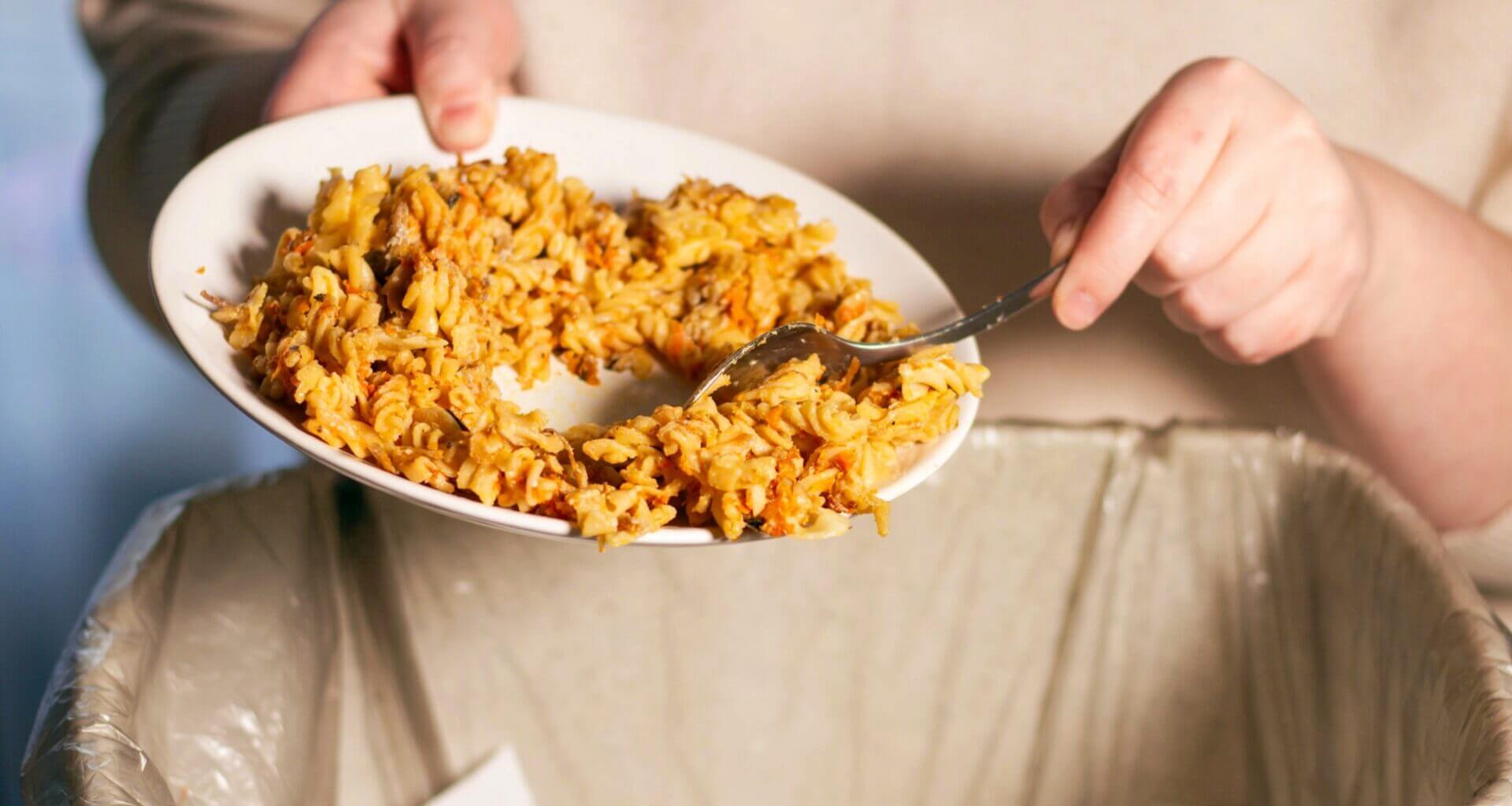

I had a bit of a “scare” last week, I made a big pot of soup for dinner, got a phone call halfway through cleaning up, and completely forgot about the pot sitting on the stove (btw I’m always careful about turning off the stove I never leave the kitchen with stuff on the stove). Found it again the next morning, still on the counter, still smelling fine to me. And that “smelling fine” part is exactly the problem, because bacteria don’t announce themselves with a bad smell most of the time, by the time food smells or looks off it’s usually already well past the point of being risky. So off it goes to the sink, sink full of soup and sink full of disgrace for my food waste!
So I figured this was a good excuse to sit down and actually go through the rules properly, how long cooked food can really sit out, why the clock matters more than your nose, and what to do once you’re past the safe window. Let’s get into it.
Why Room Temperature Is the Enemy
Bacteria that cause food poisoning grow fastest between 40°F and 140°F (about 4°C to 60°C), this range is usually called the “danger zone.” Your kitchen counter sits right in the middle of it, so the moment cooked food drops out of the oven or off the stove and starts cooling on the counter, the clock starts ticking. Bacteria can double in number in as little as 20 minutes in the right conditions, which is a lot faster than most people assume.
So, How Long Can Cooked Food Actually Sit Out?
Two hours is the general rule. Most cooked food is considered safe to sit at normal room temperature for up to two hours, after that, the risk of bacterial growth climbs fast enough that it’s not worth pushing your luck, even if the food still looks and smells perfectly normal.
One hour if it’s hot outside. If the room or outdoor temperature is above 90°F (about 32°C), think summer barbecues, a hot kitchen with the oven running, a picnic in the sun, cut that window down to about one hour. Heat speeds everything up, including bacteria.
And yes! The clock includes serving time. This trips people up a lot, the two hour window isn’t just “how long it sat on the counter after I was done eating,” it includes the time food spent on the table while everyone was serving themselves, plus any time it sat out before it even got cooked all the way, if that applies. Add it all up.
What Counts as “Cooked Food” Here
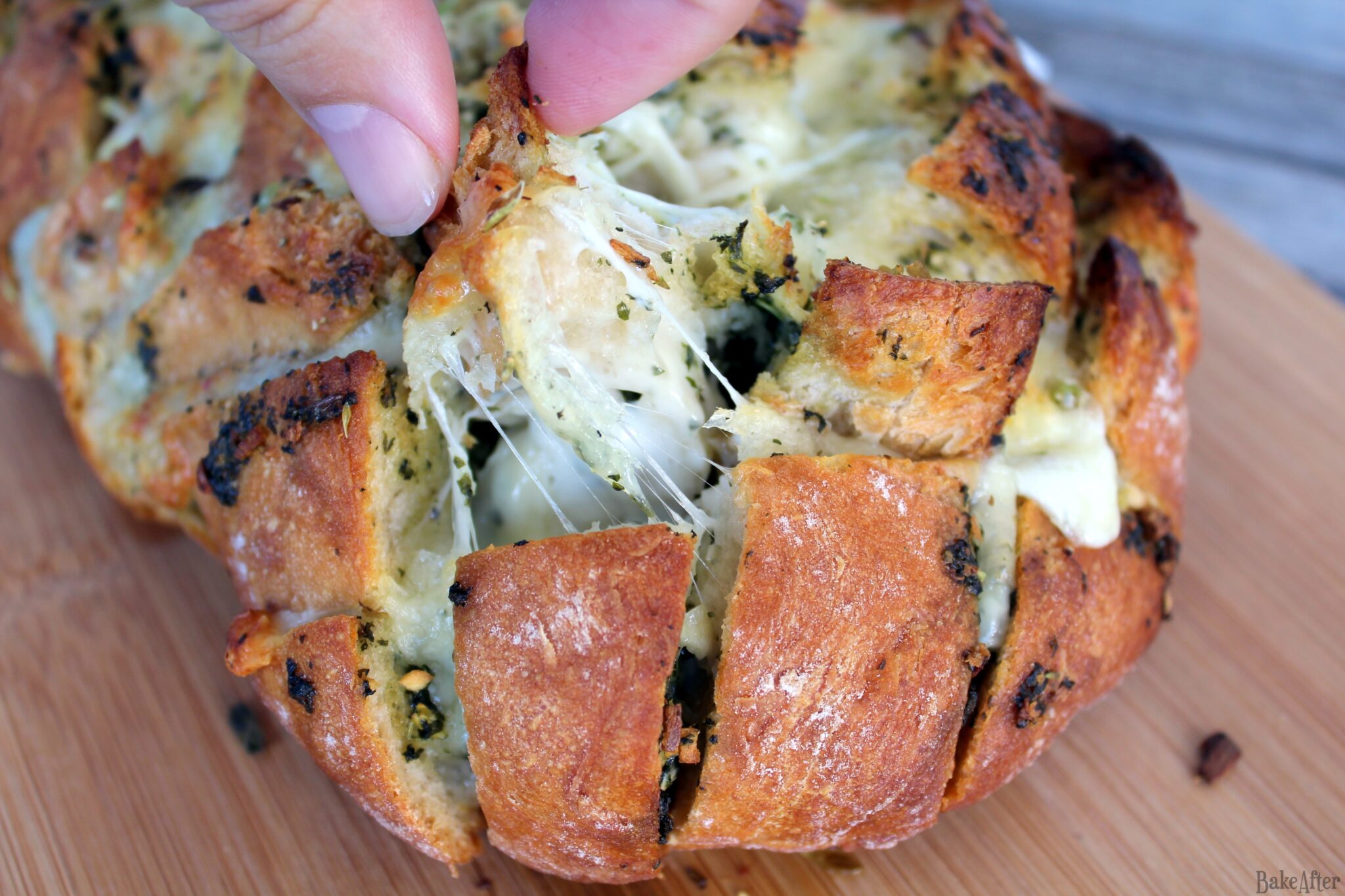
This rule applies to pretty much anything that was cooked and needs refrigeration once it cools, meat, poultry, fish, rice, pasta, soups, stews, casseroles, cooked vegetables, sauces with dairy or eggs, and leftovers of any kind. It also applies to things like fried food, roasted vegetables, and baked dishes, cooking something doesn’t make it immune to spoiling once it’s out of the pan.
Rice deserves its own mention here, because it’s one of the riskiest foods to leave out. Cooked rice can carry a bacteria called Bacillus cereus, which survives cooking and produces a toxin as the rice sits at room temperature, this toxin isn’t destroyed by reheating either, so leftover rice that sat out too long is a genuine risk even after you nuke it in the microwave.
What Food Actually Gets a Pass?
Now, before you go throwing out every single item sitting on your kitchen table, it’s worth making a clear distinction here: this two-hour clock really applies to high-moisture, perishable foods.
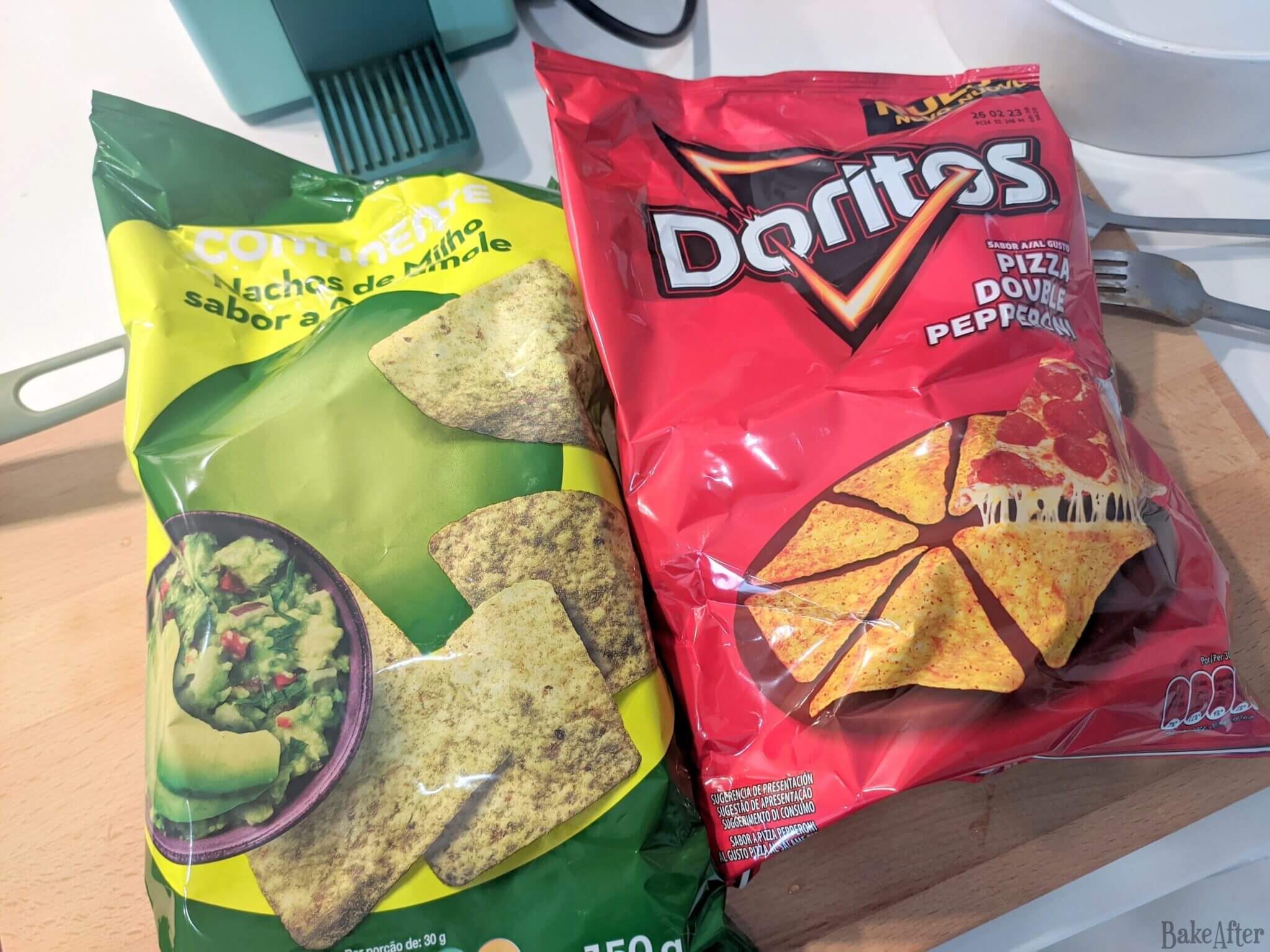
Anything coming out of a commercial package, think potato chips, pretzels, crackers, dry cookies, or beef jerky is a completely different story. You can leave a bag of potato chips sitting out on a picnic table in 90°F (about 32°C) heat all afternoon, and while they might get a little stale, they aren’t going to grow food poisoning bacteria.
The secret comes down to moisture and processing. Bacteria need water to survive and multiply, and commercial snacks are fried or baked until virtually all the moisture is gone. Combined with high levels of salt, sugar, preservatives and commercial processing , these foods create an environment where bacteria simply can’t grow, even on a hot day.
Other items that get a pass include unopened canned goods, dry bread, popcorn, and shelf-stable spreads like honey or peanut butter. So if you left a bowl of tortilla chips out after movie night or forgot a loaf of bread on the counter overnight, you’re totally fine, save your food safety panic for the leftover chicken!
What to Do Once the Clock Runs Out
Refrigerate it as soon as you’re done eating, don’t leave it on the counter “to cool down first.” Modern fridges can handle warm food just fine, so getting it chilled quickly is what matters. Just avoid shoving a massive, deep pot of piping-hot soup straight onto a shelf, a huge volume of food can warm up the surrounding items in your fridge and take many hours for the center to drop out of the danger zone, just let it cool down a few minutes and then put it in the fridge.
Split large batches into smaller containers. That’s why this step is so critical. Splitting a big pot of stew or a full tray of lasagna into smaller, shallow containers helps heat escape quickly so the whole batch drops out of the danger zone fast once refrigerated.
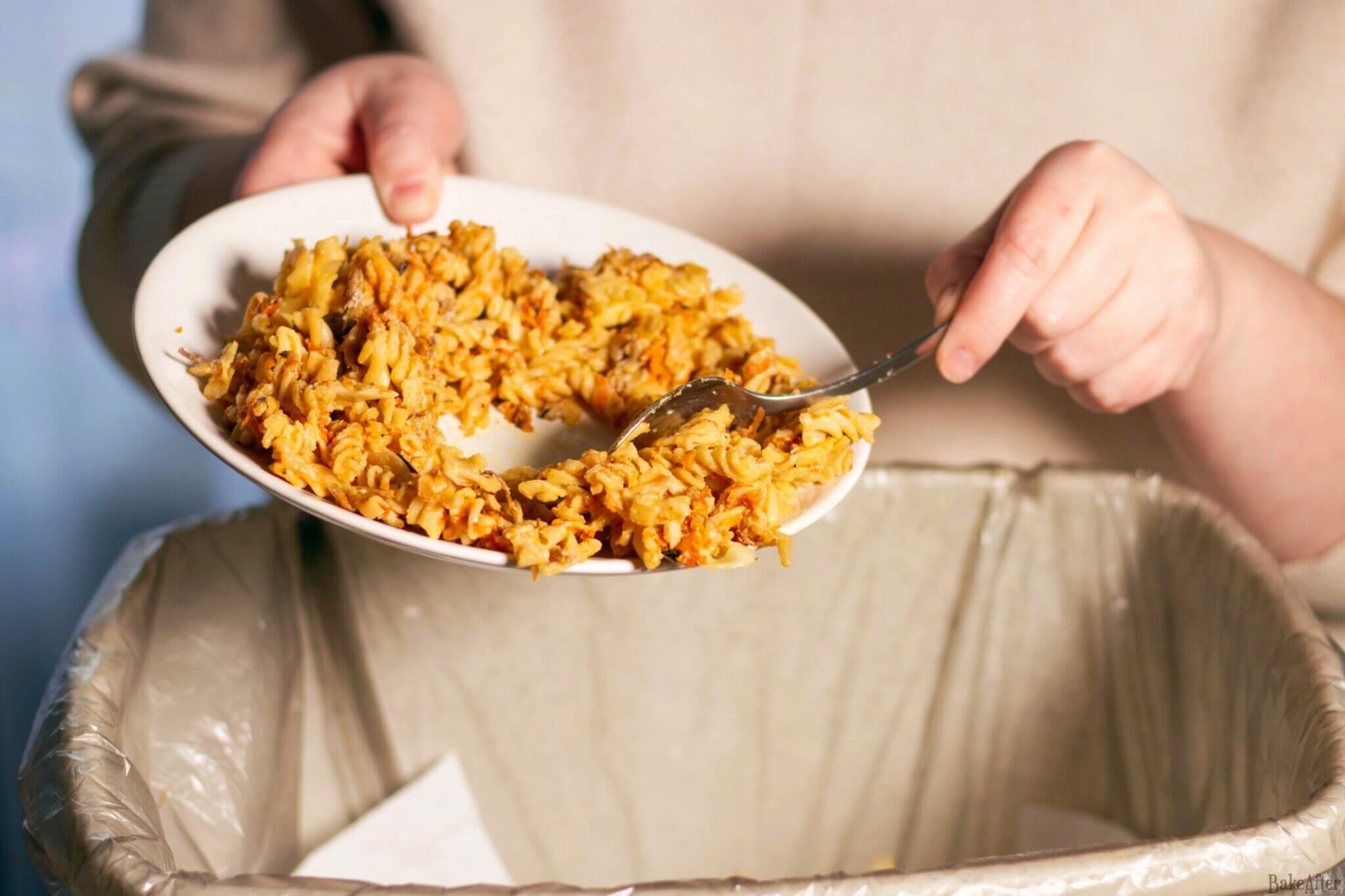
I’ll even put in bold! When in doubt, throw it out. I know it feels wasteful, and honestly it bugs me every time too, but a few dollars of food in the trash is a much better trade than a bout of food poisoning. If you’re not sure how long something sat out, don’t taste it to check, just let it go.oooo… let it gooooo… can’t hold it back anym…. ;D
Also don’t rely on smell or looks. This is the big one. Most food poisoning bacteria (like Salmonella or E. coli) don’t change the smell, texture, or taste of food at all, that’s spoilage bacteria doing that, which are different! Go by the clock, not your senses.
A Few Extra Food Safety Tips and Tricks
- Label your leftovers. A piece of tape and a marker with the date and time you cooked something takes ten seconds and saves you from playing guessing games three days later.
- Keep hot food… hot! If you’re serving over a longer stretch. For parties or buffets, a slow cooker on the “warm” setting or a chafing dish keeps food above 140°F (about 60°C), which takes it out of the danger zone entirely and lets you serve for longer without worry.
- Cool food faster with an ice bath. For soups, stocks, or sauces, sitting the pot inside a larger bowl of ice water and stirring occasionally brings the temperature down much quicker than just leaving it on the counter, handy if you’re short on time before you need the fridge space.
- Reheat leftovers to at least 165°F (74°C). A thorough reheat kills off live bacteria that might have managed to multiply during storage. But keep in mind: this only works for food that was handled safely in the first place. Reheating kills active bacteria, but it cannot destroy heat-stable toxins that bacteria create when food sits out too long. In other words, reheating isn’t a “magic reset button” for food left on the counter, once the clock runs out, heat won’t make it safe again.
- Remember this rule also matters during a power outage. If your fridge stops working, the same two hour window applies to anything that was already cooked and sitting out, and once your fridge itself climbs into the danger zone for too long, the food inside it is in the same boat, cook, eat or trash.
- For a picnic, limit the cooked items and yes do get commercial snacks and sweets, this is one of those situations where these less healthy foods are a perfect match, it’s a party and they will last longer with no big issues.
And that’s really it, nothing complicated, just a matter of watching the clock instead of trusting your nose. Hope this clears things up and keeps your kitchen (and your stomach) a little safer. Until next time!
Discover more from BakeAfter
Subscribe to get the latest posts sent to your email.