
Sometimes boiling an egg feels a like like it should come with an instruction manual. Sometimes the eggs come out undercooked, or the white sticks to the shell and takes half of it with it when you peel, or they get overcooked and end up with that slightly rubbery texture and green looking eggs. Should you put them in already boiling water, or start from cold? And what if you want a firm white but a yolk that still runs?
Well, it’s actually a lot simpler than it looks, and if you follow these steps you’ll get perfectly boiled eggs every single time. Use large eggs if you can, since they hold the timing better.
Do note that these instructions are not the absolute best, you can see the tips to improve your boiling egg skills heheheh, but they are the easiest and simplest to follow and I think that’s what most people want and need, simple and clear instructions to get it done, so… lets do it!
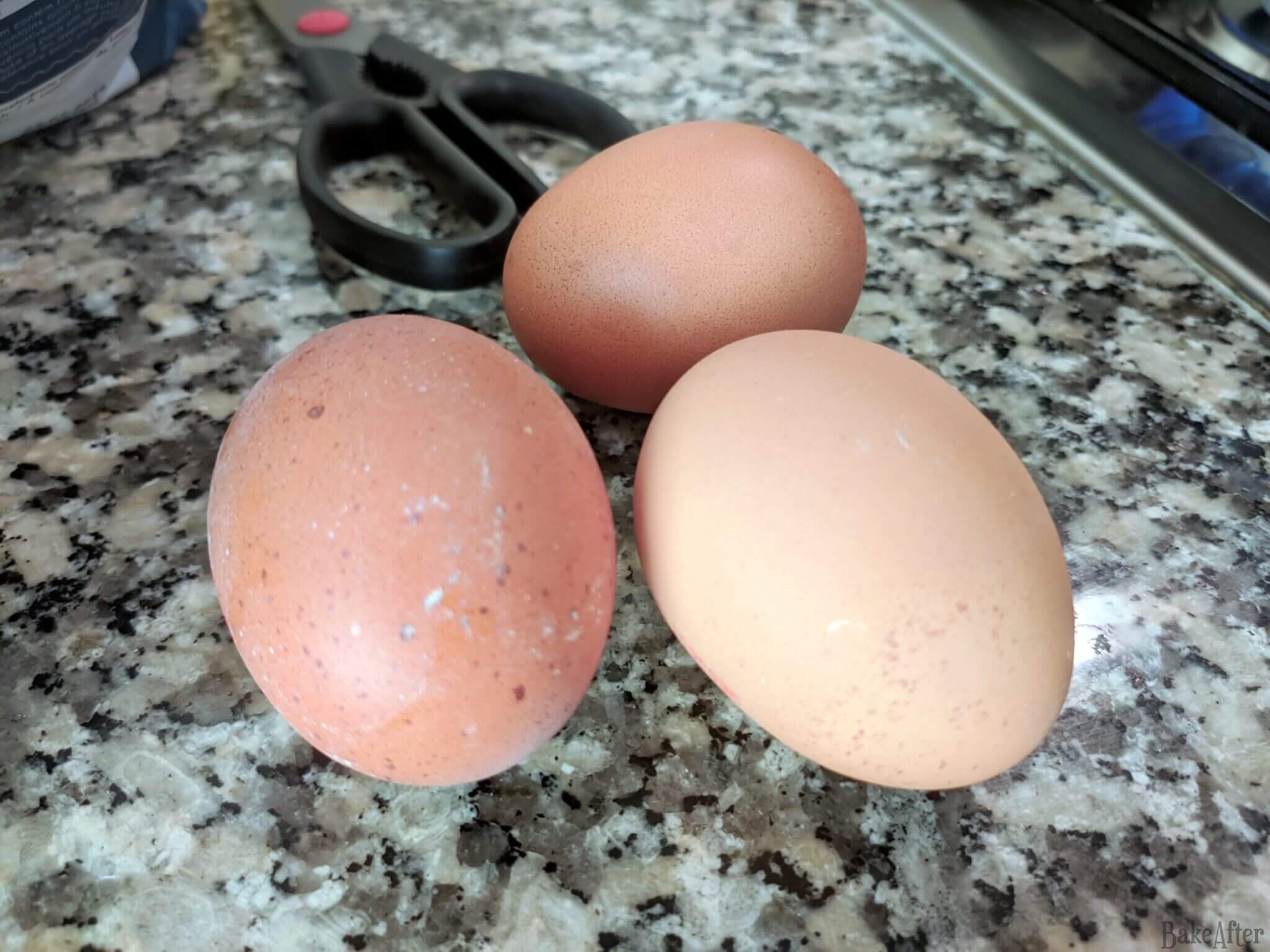
How to Boil a Perfect Egg
- Place the eggs in a small pot with cold water. The water needs to cover the eggs completely, but don’t fill the pot too high. You do this to raise the temperature of the eggs gradually instead of shocking them, if you drop eggs straight into boiling water the shell can crack and each egg will cook at a slightly different rate.
- Turn the heat to high and bring the water to a boil.
- As soon as it starts boiling, take the pot off the heat and cover it. This is where the real trick lies, how long you let it sit: Soft-boiled egg, wait 2 to 3 minutes Boiled egg with a runny yolk, wait 4 to 6 minutes Well-done egg, wait 7 to 10 minutes
- Once the time is up, take the eggs out of the pot and into a bowl, and let them rest there for 2 minutes. After that, run them under cold water for a few seconds and dry each one off.
- Crack the shell gently on two sides, then roll the egg on the counter like you would roll out a small piece of dough. This breaks up the shell and loosens the membrane that holds it to the white.
- From there it should peel off easily, and that’s it, a perfectly boiled egg. Cut it in half, add salt and pepper, and it’s ready to eat.
Tip: Keep in mind that larger or smaller eggs will throw these times off just a little, so cook with that in mind. Eggs also do best at room temperature, if yours are coming straight out of the fridge, add a few extra seconds to the cooking time to make up for it even if you are placing them in the cold water.
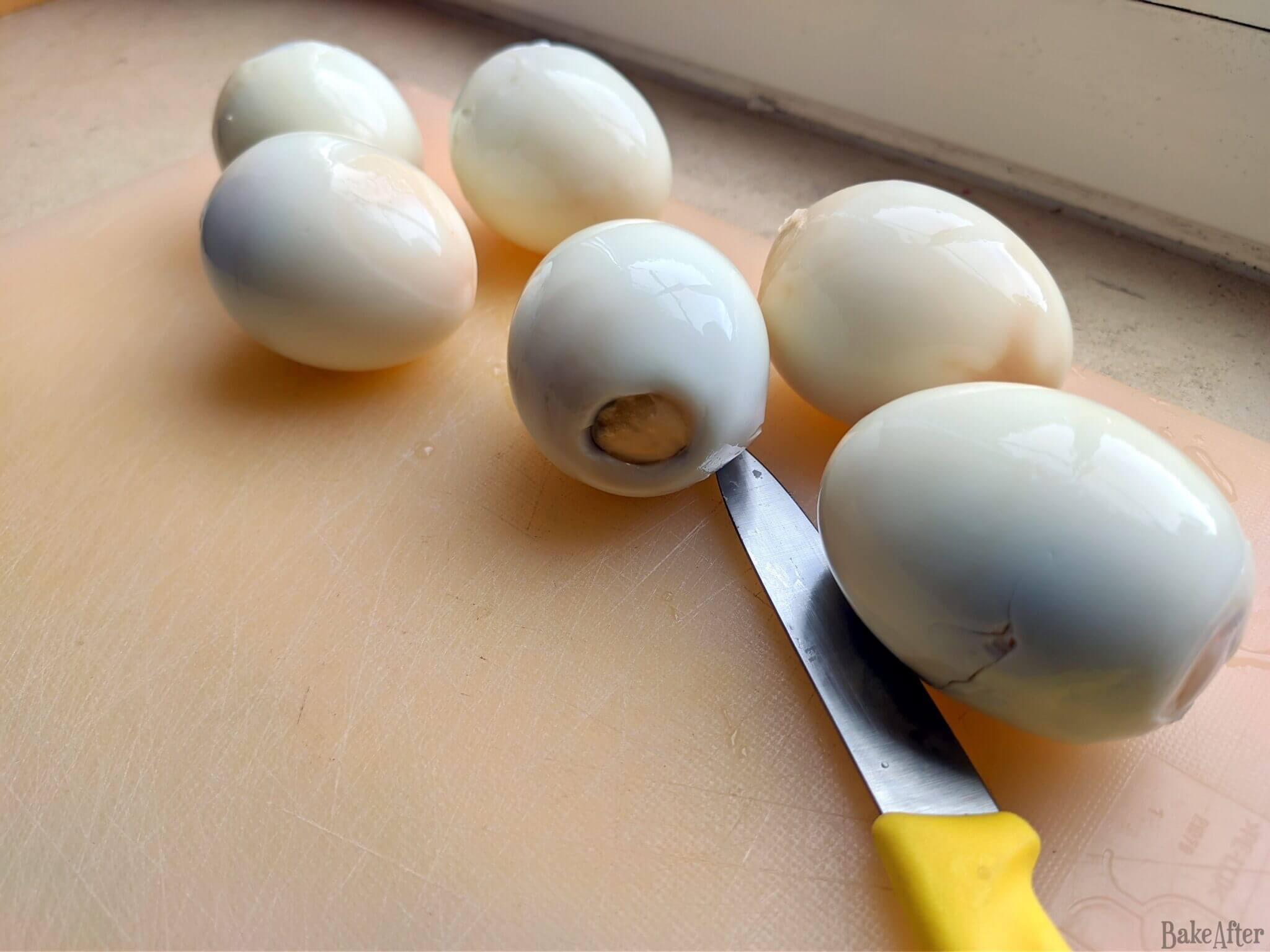
Tips and Tricks for Boiling Eggs
A few extra things worth knowing, gathered from cooks who boil eggs every single day:
- Before boiling, bring the eggs to room temperature first. Take them out of the fridge about 30 minutes before cooking. A cold egg is also more likely to crack.
- Add salt to the water. A tablespoon helps the eggs float instead of rolling around and cracking against the pot, and it also makes peeling a little easier afterward.
- Add a splash of vinegar too. Salt and vinegar together are actually the trick that three-Michelin-star chef Jesús Sánchez swears by. The vinegar’s acidity helps the egg white set faster and firmer (its the same thing that helps make perfect poached eggs), so it separates cleanly from the shell, and the salt cuts down on how much the white sticks to it in the first place. If a shell does crack while cooking, that same splash of vinegar (or a little olive oil) in the water will stop the white from leaking out everywhere.
- Cool them down properly. After boiling, drop the eggs into a bowl of cold water, ice included if you have it, for a couple of minutes. This stops the cooking instantly so the yolk doesn’t keep firming up past the point you wanted, and it makes the shell easier to remove (the difference of temperature of the very hot interior and the very cold shell makes these separate).
- Peel under running water. Cracking the shell and peeling it under a thin stream of cold water helps slide the membrane off the white without tearing it.
- After peeling, use a warm knife for a clean cut. If you’re slicing hard-boiled eggs for a salad or a garnish, dip the knife in hot water first, it keeps the yolk from crumbling.
Recommended Boiling Times for Eggs
| Egg Type | Average Weight | Soft-Boiled (runny yolk) | Hard-Boiled (firm yolk) |
|---|---|---|---|
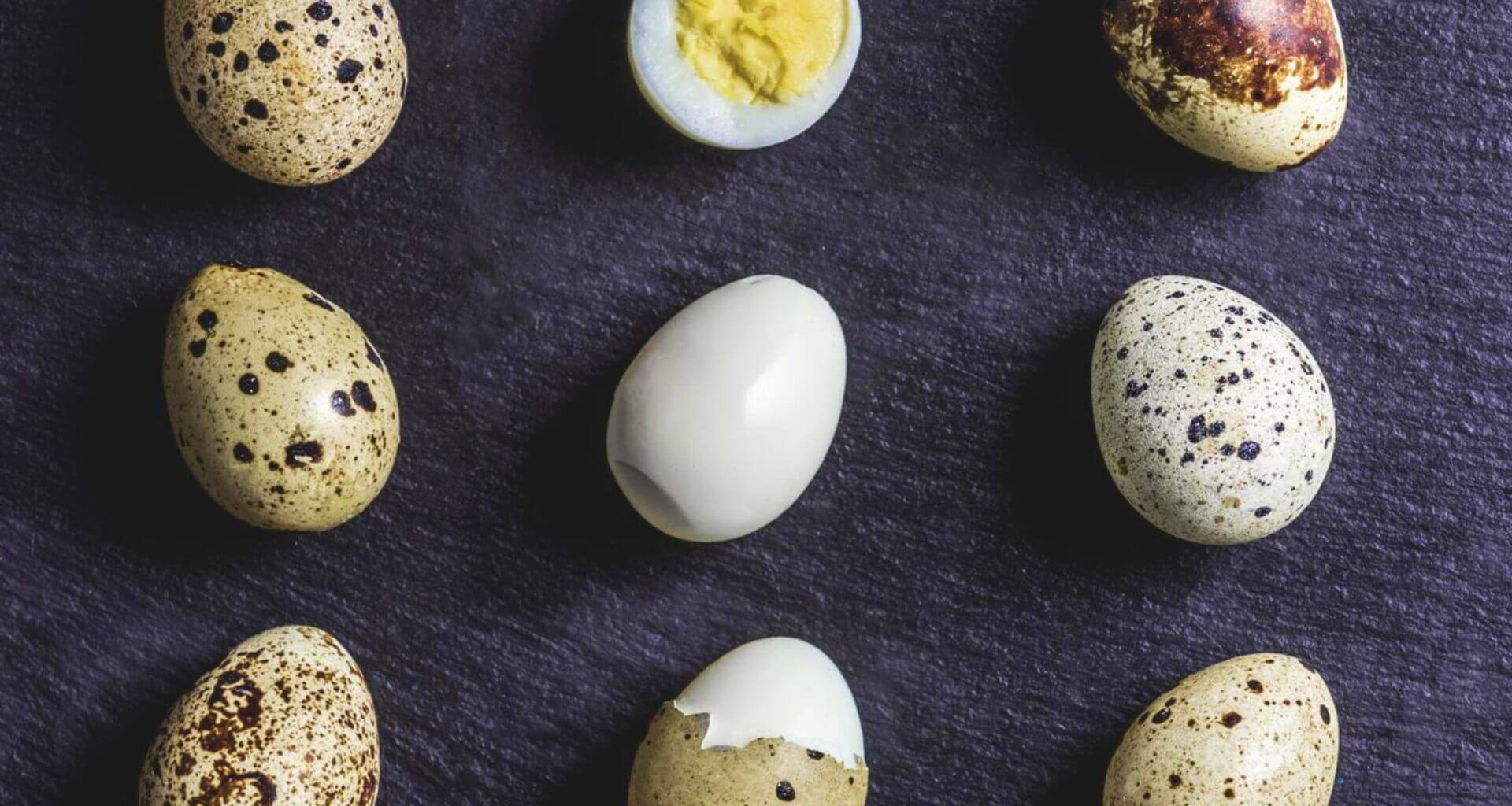
| Quail egg | 9-10 g | 1-2 minutes | 3-4 minutes |
| Chicken egg, small | ~45 g | 3-4 minutes | 6-8 minutes |
| Chicken egg, large | ~55-60 g | 4-6 minutes | 7-10 minutes |
| Duck egg | ~70 g | 6-8 minutes | 10-12 minutes |
| Turkey egg | ~80 g | 7-9 minutes | 11-13 minutes |
| Goose egg | ~140 g | Not recommended | 14-16 minutes, gentle simmer |
| Ostrich egg | ~1,400 g | Not recommended | 70-90 minutes, gentle simmer |
Notes: These times start counting from the moment you take the pot off the heat and cover it, right after the water reaches a boil, not from when you first turn on the stove.
If you’d rather keep the eggs at a gentle simmer instead of taking the pot off the heat, the times actually run a little shorter, since the water keeps putting energy in instead of slowly cooling down. In that case, closer to 3 minutes gets you a runny yolk, 6 minutes a soft one, and 8 to 10 minutes a fully firm one.
Discover more from BakeAfter
Subscribe to get the latest posts sent to your email.