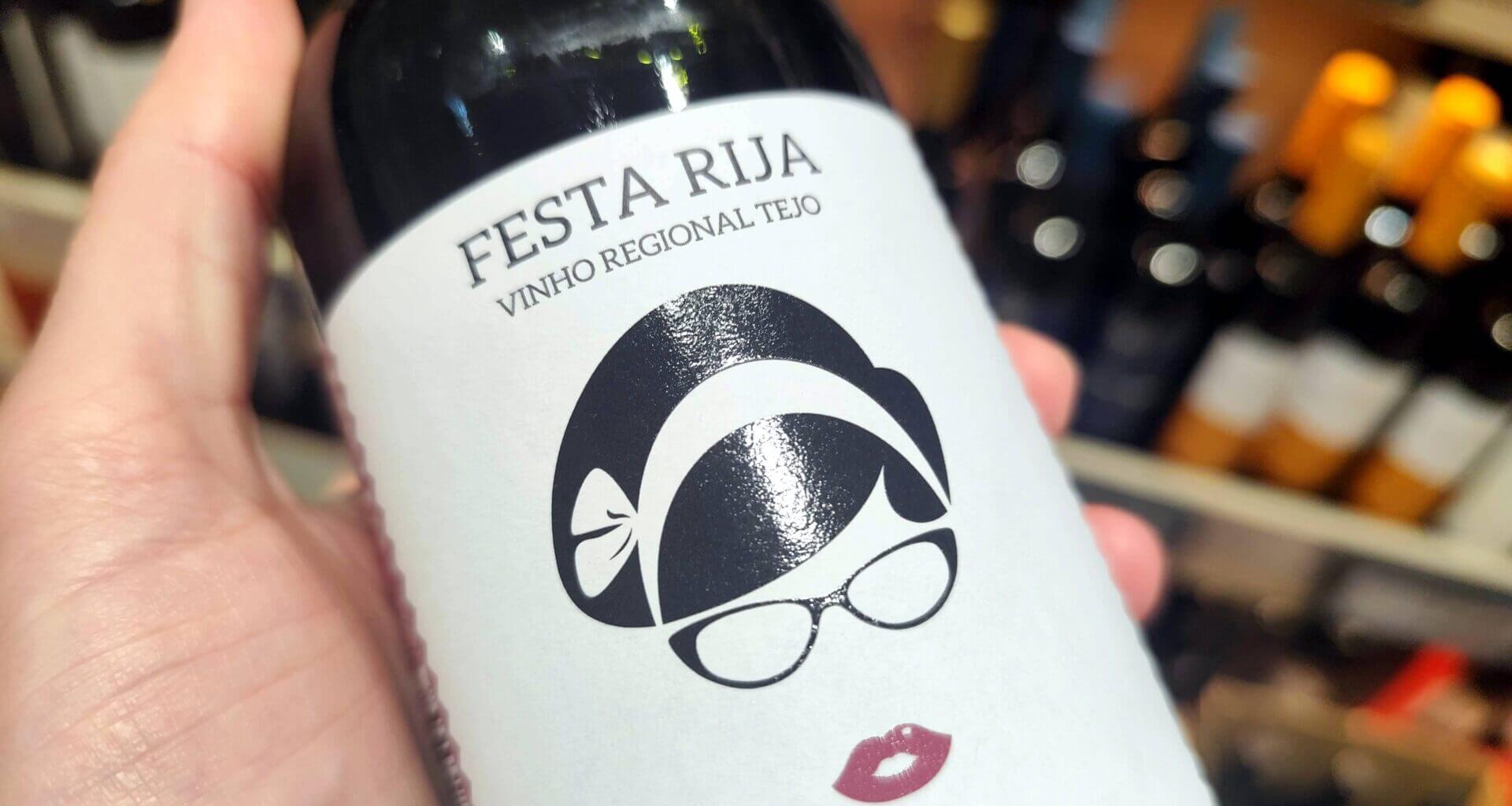

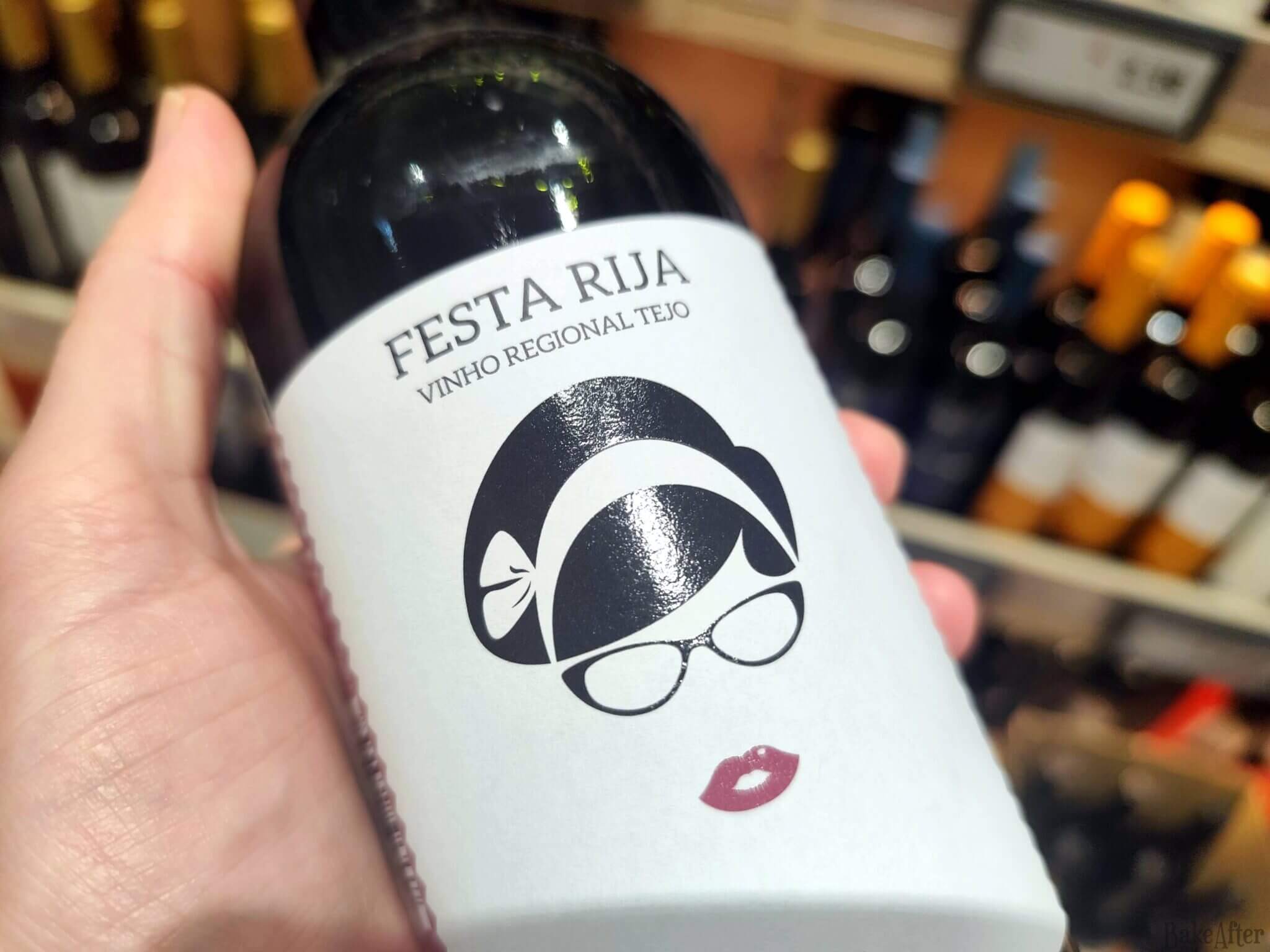
There’s an interesting moment that happens every time you go out to grab a nice bottle of wine. You’re standing in front of hundreds of bottles, beautiful labels, prices for every budget, interesting names from famous regions, and everything looks great, until the moment you actually have to pick one.
So, what do you choose? With beer it’s different, you see the brand and you know roughly what you’re getting. With something heavier, a whiskey or a gin, it’s the same story. But with wine there’s this almost universal hesitation, and I’m here to tell you that hesitation is completely normal, and honestly, it makes total sense that it exists.
Wine is probably one of the most complex and variable alcoholic beverage out there. It’s not a fixed product. Each bottle is, in a way, unique, even if it’s from the same brand, the same winery, and the same year. Factors like transportation, storage, temperature, and even the moment you open it can all influence the final result. So the question isn’t really “how do I choose the right wine” but rather “how do I make an informed choice in a universe where the information is never complete,” and that’s exactly what we’re going to look at here.
Wine Is a Unique Product
Before any tips or lists, I want you to keep one thing in mind, every bottle of wine is different. I’m not exaggerating. Even within the same barrel there are differences. The grapes picked on a hotter or cooler day, the time between harvest and bottling, the cork that seals better or worse, all of it counts. That’s why drinking wine is always, to some extent, a surprise.
But that doesn’t mean it’s impossible to make good choices. It just means that choosing a good wine is a combination of knowledge, experience, and a little luck. The more you taste, the more you know about regions, grape varieties, and styles, the closer you’ll get to choosing a wine you actually like. And when I say like, I don’t mean what the experts say you should like. I mean what you, with your palate and your preferences and whatever you’re in the mood for at the time, are going to enjoy in the glass.
The first thing to notice is whether a wine is a brand wine (also called a table wine or a blended wine, they all mean the same thing). These are produced every year with the goal of creating a consistent flavor profile, meaning these wines don’t really have a “vintage” and tend to taste the same, year after year. That’s because a winemaker keeps adjusting the grape varieties and the production process so the final result stays close to the target. It’s never exactly the same, but similar enough that if you know you like that wine, you can buy the same bottle a year later and have a reasonable confidence it’ll taste about the same a good way to spot this kind of wines is that they won’t have a year (they might have a best before date and such) on the label.
I’m not saying don’t buy brand wines. Brand wines have their place. A brand wine is like a Coca-Cola or a Budweiser, you know with more confidence what’s in the bottle, and if you like it? Great. If you’ve tasted a few brand wines, you can easily pick one for the right occasion. I’ve probably tried almost the entire universe of branded Vinho Verde by now (my favorite type of Portuguese Wine), so I know exactly which ones I like and which I don’t, and I know what I want for each moment. That’s the real value of a brand wine.
The rest of the wines, the so-called vintage wines or single-harvest wines, are obviously more complex, not only in aroma but in variety. To create a brand wine, you have to make some compromises, and one of them is complexity, because you want a wine that appeals to the largest number of people, so you smooth things out and create a distinct profile. You gain in consistency but lose a little in character. That’s why most of what I’ll talk about below applies more to harvest wines, but brand wines have a place at my table and should have one at yours too.
The Types of Wine
Before diving into grape varieties and regions, the first filter is the type of wine. There aren’t that many base types, and knowing them is a solid starting point for any choice. These are the most common types in the US and around the world, with plenty of sub-variations, but knowing these gets you halfway there.
- Red wine is made with red or black grapes fermented with the skins, which gives it that deep reddish color and a fuller, more robust aroma. It’s the most versatile type for pairing with meals, especially red meats, grills, pasta with rich sauces, and aged cheeses.
- White wine is made with grapes of any color but without the skins, or only with white-skinned grapes, resulting in a pale color between yellow and golden, and a lighter aroma with fewer tannins. It pairs very well with lighter meals like fish, shellfish, poultry dishes, and lighter salads.
- Rosé wine sits somewhere between red and white. It’s produced with red grapes but with much less skin contact time, which creates that characteristic pinkish color. It’s a fresh, aromatic wine, often with an some bubbly feel to it, so its a lighter wine quite versatile for casual occasions.
- Vinho Verde is a very particular type, especially associated with the northwest of the Iberian Peninsula (and produced mainly in Portugal). It’s a young wine, slightly sparkling, fruity, and low in alcohol. It comes in white, red, and rosé, but the white is the most common. It’s excellent for summer or as a companion to lighter meals. And yes i know this one isn’t common in the US… but sue me! ;D
- Sparkling wine, the most famous being Champagne, but also including Spanish Cava, Italian Prosecco, and various sparkling wines from the Americas, is a wine with a high level of carbon dioxide. Within sparkling wines there’s an important subdivision related to sweetness, ranging from Natural (the driest) through Brut and Dry, all the way to sweeter styles. Knowing what level of sweetness you prefer makes a huge difference when choosing a nice bottle.
- Fortified wine is a wine to which extra alcohol was added during fermentation, which raises the alcohol content and gives it much greater durability. Port wine, Madeira wine, and Moscatel are the most classic examples from Portugal. Sherry from Spain and Marsala from Italy are well-known in the American market. There are very different versions within this category, from very dry to very sweet, and they’re usually served as an aperitif or alongside desserts.
Understanding Wine Regions
One of the things that most improves the quality of your choices is understanding a little about wine regions. Not just your own country’s, but the world’s in general, even if only at a basic level.
Regions matter because climate, soil, and local traditions deeply shape a wine’s character. A wine from southern Spain, made with intense sun, is going to be a radically different product from a wine from Burgundy, it is a cooler region with a different winemaking tradition. That doesn’t mean one is better than the other. It means they’re different experiences, and if you know what you’re looking for, the region can be a very useful guide, because wines made in the same region or similar regions tend to share a lot of their characteristics.
The idea is to be curious. If you buy a wine from a region you don’t know, save the label or take a photo. If you like it, you know where to start exploring. If you don’t, that’s also useful information. Little by little you’ll build a personal map of which regions you enjoy the most, where certain areas become synonymous with things you like, without having to memorize exhaustive lists.
In Portugal, for example, regions often carry a government quality seal called DOC (Denominação de Origem Controlada), which guarantees the wine was produced in that specific region under defined production rules. Similar certifications exist in many countries, like AOC in France or DOC in Italy. It’s not an absolute guarantee of quality, because quality varies a lot even within the same region, but it is a guarantee of origin, which already gives you a better idea of the expected profile.
Grape Varieties Matter
After knowing the type of wine you want and have an ideia of the regions, the next level is getting to know some grape varieties. A grape variety, or cultivar, is simply the type of grape used in production. And it matters because each variety has unique characteristics that directly influence the flavor, aroma, and texture of the wine.
The logic is simple: if you taste a wine and really love it, and you find out it features a specific grape variety uniquely or in a higher percentage, remember that name. The next time you see that variety on a different bottle, you already have a clue that it might be something to your taste.
For example, Pinot Noir is known for producing very light, smooth, and fruity red wines with almost imperceptible tannins. If you prefer wines that are easier to drink, more fluid, without that typical astringency of some full-bodied reds, having a wine with Pinot Noir grapes is a great starting point. Similarly, if you see Syrah (also called Shiraz), that variety is well known for its floral and fruity aromatic profile, so a wine with that grape is quite likely to carry those properties. On the other hand, something like the famous Cabernet Sauvignon tends to produce more robust wines, with pronounced tannins and a lot of body. Completely different experiences, and knowing a bit about this before you buy saves a lot of trial and error.
Some grape varieties worth knowing for reds: Touriga Nacional, Tempranillo, Malbec, Zinfandel, and Syrah are good examples with very distinct personalities. For whites: Sauvignon Blanc, Chardonnay, Riesling, and Pinot Grigio are good reference points. With whites, it’s actually much more common to find wines made with a combination of several varieties, precisely because without the skins the aromas tend to be more neutral, and blending varieties helps create more complex and interesting profiles. I’m not going to give my opinion on each variety here, just experiment and build your own preferences.
The Marketing Side of Wine
I’ll be straightforward here because I think it’s important. A large part of what gets promoted on wine labels is pure marketing, and understanding that saves you money and dashed expectations.
Gold medals, festival prizes, distinctions from specialized magazines. You’ve seen those stickers on bottles, right? What do they actually mean, concretely? Almost nothing. Those awards are given at specific events, by specific panels, with a specific selection of wines that often paid to participate. They’re not exhaustive comparisons of all wines from a region or a country. They’re a drop in the ocean, and treating them as a guarantee of quality is a mistake. A wine with zero awards can be absolutely extraordinary. A mediocre wine with twenty gold medals because the competition was equally mediocre can be a disaster.
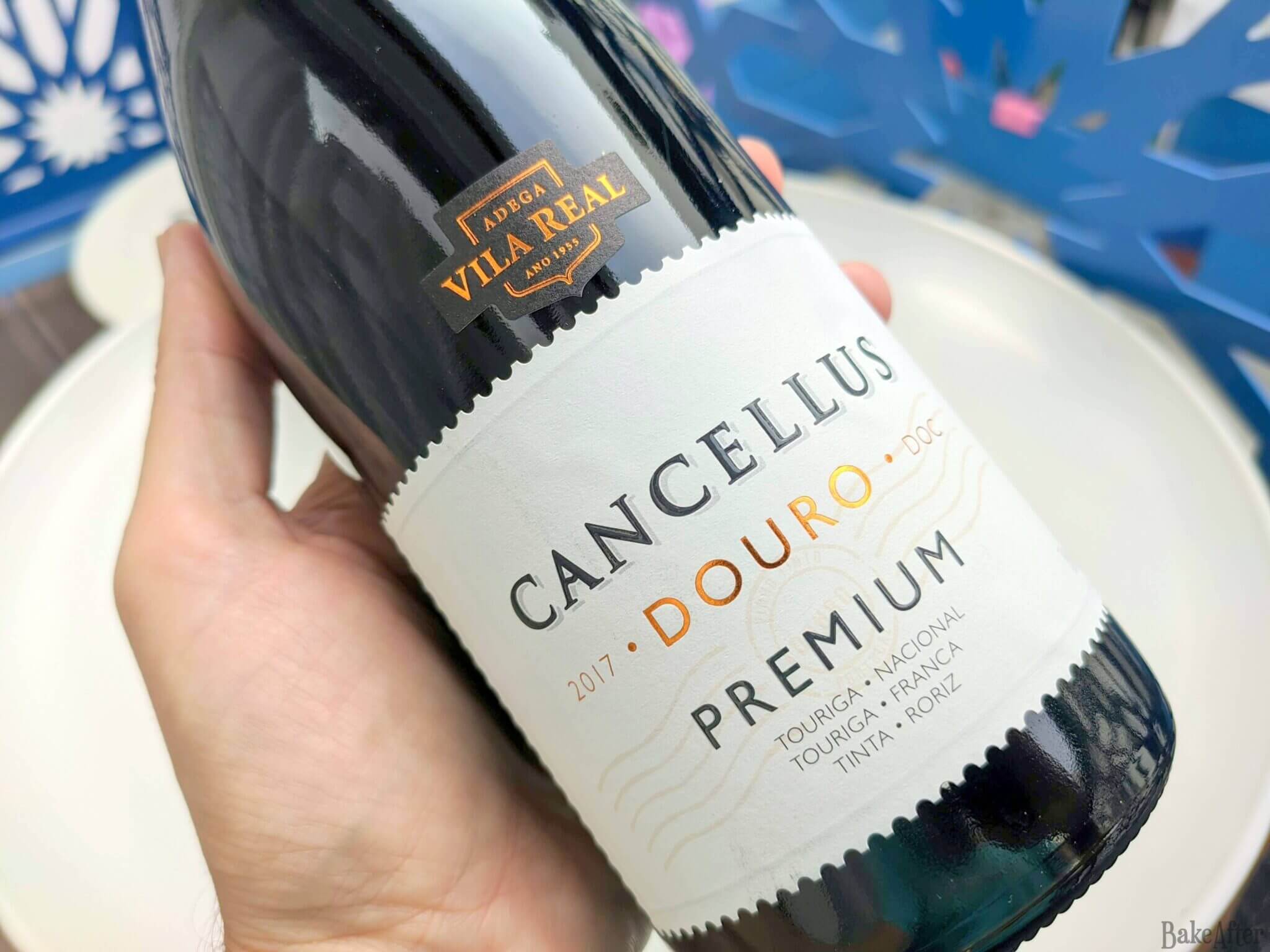
Then there are the designations that appear on labels and often say even less. Reserve, Grand Reserve, Premium, Selected, these categories have vague definitions and vary from country to country and even from producer to producer. In Portugal, for example, a wine only needs to be 0.5% above the region’s minimum alcohol content to be called a Reserve or “Reserva”. Does that tell you anything about the taste? It tells you absolutely nothing about quality.
Some designations do still have practical value. The DOC certification I mentioned earlier guarantees provenance, which is something worth having. Indicating a single grape variety tells you exactly which grape was used, which is useful once you know your favorite varieties. In Portugal, the “Garrafeira” designation means the wine went through an aging process in barrel and bottle, which can be relevant if you enjoy wines with more body and maturity. But it’s a short list of what labels actually give you versus what they promise. You’ll get much more from your own experience and from knowing a little about wines, regions, and varieties than from any fantasy written on the back label.
And about price, not everything expensive is good. There are excellent cheap wines and expensive wines that are a complete letdown. Price reflects production costs, marketing, packaging, and brand reputation, not necessarily the quality of what’s inside the bottle. And between us here, finding that cheap bottle of amazing smooth wine is in itself a pleasure! ;D
What Are You Using the Wine For?
Something a lot of people don’t think about before buying a bottle of wine is the use they’re going to give the wine. And that changes quite a bit of what you should be looking for.
If the wine will be served as an aperitif, before a meal, you normally want something light, fresh, and not too intense so you don’t overwhelm your palate before eating. A white Vinho Verde, a dry sparkling wine, or a light rosé are natural choices for this moment.
The same goes for the weather, is it hot? Then a fresh or even a wine best served cold is the obvious options, is it cold, well then a nicer full body wine at room temperature is much more delicious and warming.
If it’s to accompany a meal, the classic pairings are a helpful starting point. Full-bodied reds with red meats and dishes with rich sauces. Light whites with fish, shellfish, and poultry. Rosés and Vinho Verde for more casual and lighter meals. Sparkling wines with shellfish and appetizers. Fortified wines with chocolate desserts or aged cheeses as an aperitif.
If it’s for cooking, the general principle is that a wine you wouldn’t drink also shouldn’t go in the pan. A decent wine will give you a decent result. If you use a low-quality wine, that will show in the dish, especially in sauces that reduce a lot and concentrate the flavor. Of course you don’t need to cook with your best bottle, but a cheap cooking wine from a plastic bag is, in general, a bad idea. The same goes for using a delicious but very full-bodied, tannic wine for cooking, it can overpower the dish. Everything in moderation. And i don’t need to tell you if the recipe calls for a specific type of wine, use that specific type of wine, making a shellfish rice with red wine is destroying those delicate flavours, but using a red wine with a long beef stew is just creating the most delicious and mouthwatering sauce you can have, the wine complements on eating but also on the cooking side.
If the wine is going into a cocktail, the choice is different again. Sangrias, kir, spritz, any cocktail with a wine base is going to combine other intense flavors, so a wine that’s reasonably alcoholic but more neutral actually works fine. No reason to spend on a complex wine that’s going to be masked by juices and liqueurs. A brand name wine is perfect for cocktails, you know what its is flavour profile and if it combines well with the other ingredients.
But i want to stress one important point, these are the classical options, that make sense and are good to know, but BUT! There is absolutely nothing wrong if you like to drink with particular red wine cold, or like to eat a nice hamburguer with sparkling wine, there is nothing wrong with that! If you enjoy it… great!
And if you’re storing it, either for a special occasion or because you bought in quantity, you need to think about storage. Wines being consumed soon are fine in a cool, dark spot. Wines for longer storage need stable temperatures, ideally between 54 and 59°F (12-15°C), stored on their side to keep the cork moist if it’s a natural cork closure.
Opening the Wine
There are just a couple of things here I find genuinely interesting and worth mentioning.
For red wines with some body and structure, opening the bottle 30 minutes to an hour before serving, the famous “letting the wine breathe,” can change the result quite a bit. Contact with air softens the tannins and lets the aromas develop. For very full-bodied wines, you can even use a decanter to speed up that process, which is also why some people say the bottle tastes even better the next day. But one important note, if the wine is old (more than 20 years), don’t decant it, because you risk the wine oxidizing and turning unpleasant. Decanting is for relatively young wines and it’s a unnecessary process 90% of the time, just letting it breath is enough.
For white wines and sparkling wines, cold is your best friend. Drinking a nice white wine at room temperature loses most of its freshness and lightness. An hour in the fridge or 20 minutes in a bucket of ice water makes an enormous difference. But once opened, you don’t need to let whites breathe for long because they are naturally lower on tannins.
For a special occasion or a gathering with guests who have different tastes, the best strategy is variety. Picking a small selection, a red, a white, maybe a sparkling wine for the start, ensures there’s something for everyone without having to guess each person’s preferences. And it’s always a good excuse to try new wines.
How to Actually Taste Wine
Wine tasting has a great aura of seriousness that often intimidates people. You watch someone go through the whole ritual, swirling the glass, sniffing, making strange sounds with their tongue, and it feels like you need a sommelier certification to understand anything. Ohh it tastes like cotton with rose petals and wet sock hahahaha, you really don’t need this…
There are techniques that help you understand what you’re drinking better. Looking at the color gives you clues about aging and grape variety. Smelling before tasting, because a large part of what we perceive as flavor in a wine is actually the aroma it gives. Letting the wine move across your entire mouth before swallowing, to notice the texture, the tannins, the acidity, and the finish.
But the most important question is always…. do you like it or not? The rest is context that helps you understand why. If you don’t enjoy a very astringent wine, you now know you prefer wines with fewer tannins. If you love a wine with a long, fruity finish, you have a characteristic to look for next time. Every glass you taste is information you can use. You’re tasting for yourself, not to judge the winemaker’s harvest. If it tastes good to you, that’s what matters most.
You also don’t need to like everything. The wine world is vast and there are very different styles. And please, ignore anyone who tells you what you “should” drink this or that, and that this wine is amazing and you taste it and you don’t enjoy it, thats is totally normal and fine. If a glass of light, fruity rosé with some bubbles is what gives you pleasure, then more power to you.
A Season Makes a Difference
This might seem like a minor detail, but I think it’s relevant. There are wines that call for certain times of year, and it’s not just about temperature.
In summer, especially in the heat, fresh and light wines, whites, rosés, Vinho Verde, and sparkling wines are much more appealing. They’re wines that are great served cold, that go well with the lighter meals typical of the season, and that fit the relaxed atmosphere of a backyard barbecue or a patio gathering, when it’s hot you drink light wine and light beer.
In fall and winter, the tendency is toward fuller-bodied wines, reds with more structure, aged wines that “warm you up” a little. It’s the ideal time to explore wines that need a little time in the glass, to try a Port wine with some cheese, or to open a bottle you’ve been saving for a special occasion.
And that’s pretty much it, in my case my rule is always to try new things if it’s for me or something informal, if it’s an occasion i’ll get something i know or try a variety to know i’ve got a winner, choosing wine doesn’t need to be a complicated thing and even when i get a dud its funny, i’ll be like where was this made, what kind of winery would produce this monstrosity hahahaha and that just makes it even nicer when you find a gem that you love a flavour that you never had before or that you had years ago… wine can be a beautiful magical thing.
Discover more from BakeAfter
Subscribe to get the latest posts sent to your email.