
One of the most delicious ways to preserve food is by creating sugar based preserves. While salt, vinegar, oil, fat, dehydration, freezing, and curing all have their place in the preservation world, there’s something special about sugar based methods like jams, jellies, preserves, conserves, and marmalade. These sweet spreads turn seasonal fruits into year round treats that brighten breakfast tables and elevate desserts.
But here’s the question that stumps even experienced home cooks: What exactly is the difference between all these fruit spreads and preserves? While they might seem interchangeable on the grocery store shelf and they sometimes are, each one has distinct characteristics that make it unique. Let’s break down these delicious preserves and discover what sets them apart.
The Building Blocks of Fruit Spreads
But before we dive into the differences, it’s important to understand what these spreads have in common. Nearly all fruit-based preserves rely on three essential ingredients:
- Fruit – The star of the show, providing flavour, natural sugars, and sometimes pectin;
- Sugar – Acts as both preservative and sweetener, and helps achieve the right consistency;
- Pectin – The natural “glue” found in fruit that creates that spreadable, gel like texture when combined with sugar and acid, it is a soluble fiber (a polysaccharide) found in the cell walls of fruits and vegetables.
Some fruits are naturally high in pectin (like apples, quinces, citrus peels, and currants), while others need pectin added to achieve the right consistency. Normally the balance of these three elements, combined with how much of the fruit makes it into the final product, determines what type of spread you end up with, but note there are exceptions, some preservers do not use any added pectin (because the fruit is already rich with it or the preserve doesn’t need it).
Jam (Its Chunky and Spreadable)
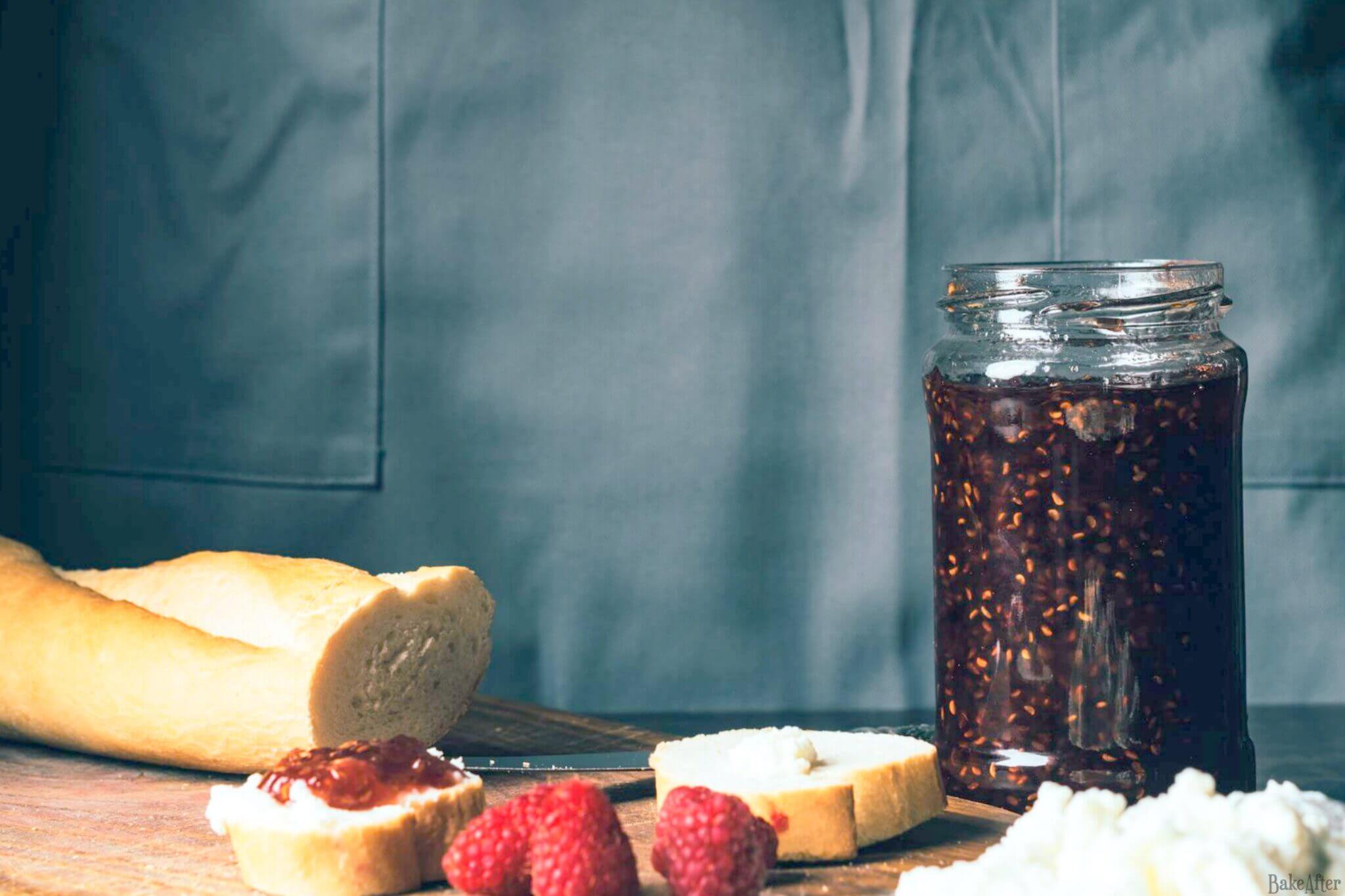
Jam is probably what most Americans reach for when making their morning peanut butter and jelly sandwich. It strikes a perfect balance between smooth and chunky, making it versatile and easy to spread.
So what makes jam a jam? Jam is created by crushing, chopping, or pureeing fruit, then cooking it down with sugar and sometimes added pectin. Unlike jelly, jam retains much of the fruit’s fiber, seeds (if they’re small and edible), and pulp, giving it a thicker, more textured consistency. The fruit pieces are small enough to spread easily but substantial enough that you can still identify what fruit you’re eating.
- Consistency: Semi-transparent to opaque, spreadable but with visible fruit bits;
- Best uses: Toast, sandwiches, filling for layer cakes, swirled into yogurt, or dolloped on cheese boards;
- Popular varieties: Strawberry, raspberry, blueberry, apricot, peach.
The beauty of jam lies in its versatility. Because it maintains so much of the fruit’s character while still being smooth enough to spread, it’s equally at home on a breakfast table or as an ingredient in thumbprint cookies. The small fruit pieces give every bite a burst of concentrated flavor without overwhelming the spreadable texture.
Jelly (Its Clear, Smooth, and Wobbly)
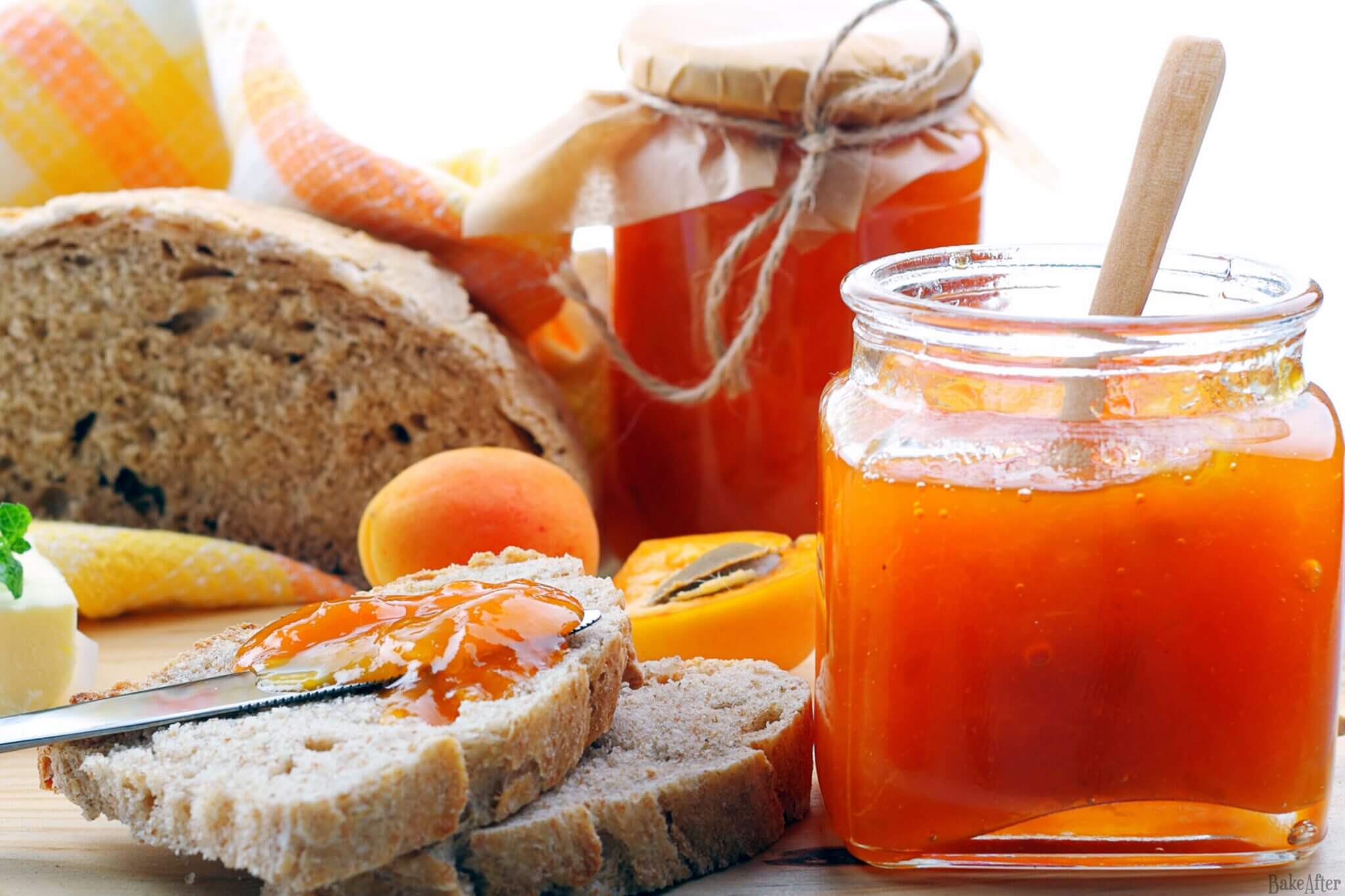
Jelly is the most refined member of the preserve family. If jam is chuncky and rustic, jelly is smooth and clear, super easy to spread.
What makes it jelly? Well Jelly is made exclusively from fruit juice, with all the solid parts of the fruit strained out. The juice is combined with sugar and pectin, then cooked until it forms a clear, smooth gel when cooled. Because it contains no fruit solids, jelly might have a color, but it tends to be transparent, holding its shape when scooped but still spreading easily.
- Consistency: Clear and gel like, firm enough to hold its shape but soft enough to spread;
- Best uses: Classic PB&J sandwiches, pastry fillings, meat glazes, elegant presentations where visual clarity matters;
- Popular varieties: Grape, apple, strawberry, mint, hot pepper.
Jelly might seem wasteful since so much of the fruit gets discarded, but this process creates something unique. The clarity and smooth texture make it perfect for applications where you want pure fruit flavor without any texture interference. Mint jelly with lamb, hot pepper jelly with cream cheese, and classic grape jelly are all classic examples.
But the trade off with jelly is that while you get a beautiful, uniform product, you sacrifice some of the complex flavours, nutrients and textures found in the fruit’s pulp and skin. However, the intensity of the flavour can be superior since you’re working with concentrated fruit juice.
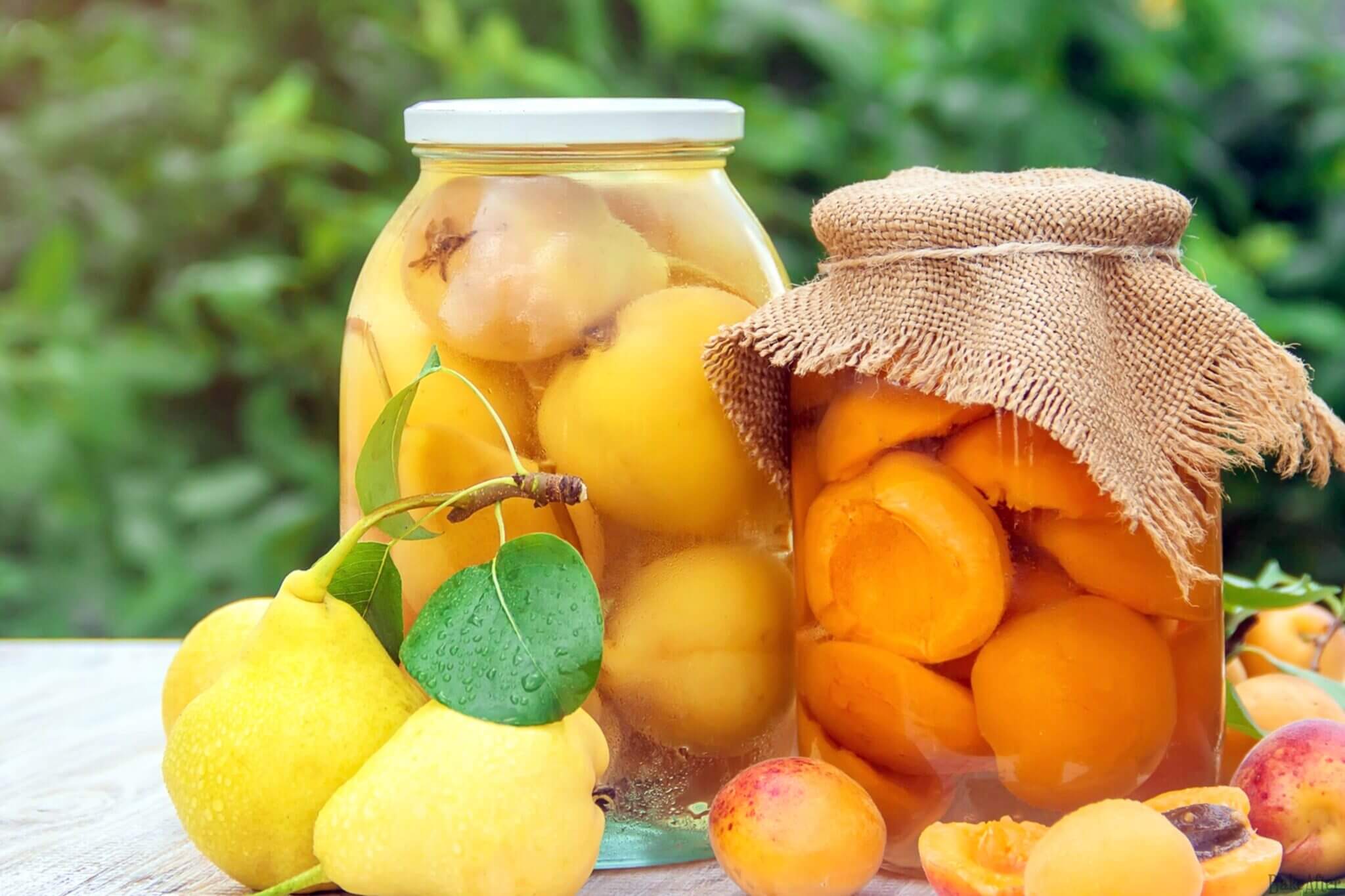
Preserves (Whole Fruit Suspended in Syrup)
Preserves represent the most rustic, fruit-forward option in the spread spectrum. While jam celebrates fruit in small pieces and jelly eliminates fruit solids entirely, preserves showcase the fruit itself.
What makes them preserves? Preserves feature large chunks or even whole pieces of fruit suspended in a liquid or thick, sweet syrup or light gel. The fruit pieces maintain much of their original shape and texture. Some preserves are cooked, while others preserve fresh fruit in a sugar syrup with minimal heat.
Consistency: Whole or chunky with large, identifiable fruit pieces in a normally thick syrup that’s looser than jam but thicker than a sauce;
Best uses: Spooned over ice cream, paired with sharp cheeses, topping for pancakes and waffles, baking ingredient when you want visible fruit pieces or when you want to eat the fruit outside of the fruit season;
Popular varieties: Peach, pear, cherry, apricot, pineapple, mango.
Preserves offer the most authentic fruit experience. When you bite into a piece of fruit from a jar of preserves, it still tastes distinctly like the original fruit, just sweetened and preserved. This makes preserves particularly appealing for showcasing high-quality, peak-season fruit. A spoonful of peach preserves in August can transport you back to summer when you open that jar in January.
Because the fruit pieces are larger and more distinct, preserves don’t spread as easily as jam or jelly. Instead, think of them as a topping or mix-in rather than a spread. They’re spectacular spooned over warm biscuits, swirled into oatmeal, served alongside aged cheddar or eaten plain.
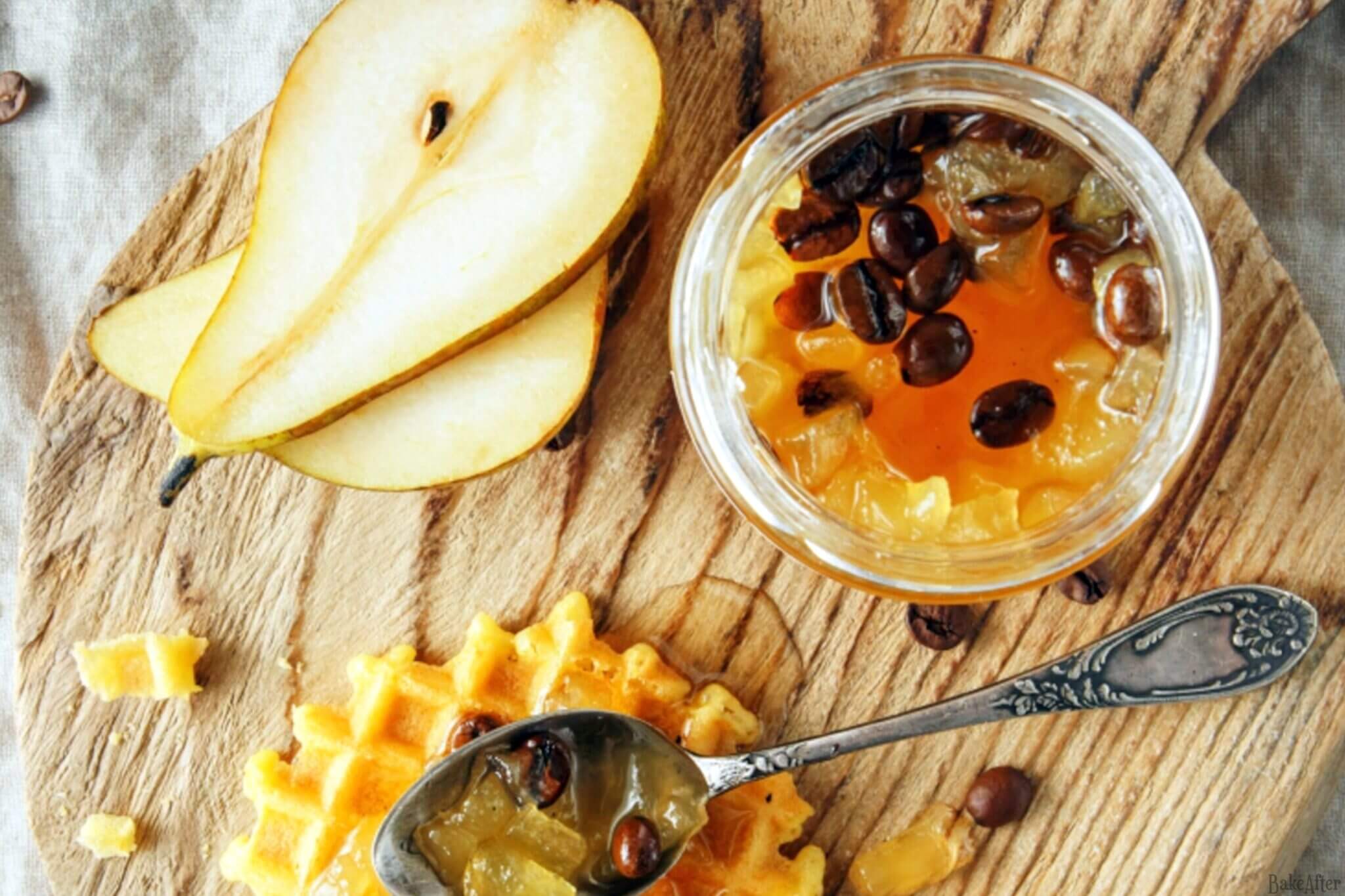
Conserves (A Jammy Mix of Fruits and More)
Conserves occupy an interesting middle ground between jam and preserves, with an added twist that makes them extra special.
What makes them conserves? Conserves are similar to jam but typically made with a mixture of different fruits rather than just one variety. They often include additional ingredients like nuts (especially walnuts or almonds), dried fruits (raisins, cranberries), seeds, or even a splash of liquor. The result is a complex, textured spread that’s part jam, part chunky preserve, and normally with more complex flavours.
- Consistency: Similar to jam but chunkier, with varied textures from multiple ingredients;
- Best uses: Cheese platters (especially with blue cheese or brie), elegant tea sandwiches, gourmet gift-giving, holiday entertaining;
- Popular varieties: Cranberry-orange with walnuts, mixed berry with almonds, fig with port wine.
The term “conserve” comes from the preservation method itself, and these spreads have long been associated with holiday celebrations and special occasions. The combination of fruits creates more complex flavor profiles than single-fruit spreads, while the added nuts, spices or dried fruits provide textural contrast. A spoonful of conserves on a cheese board elevates the entire presentation, offering something more sophisticated than standard jam.
While less common in everyday American kitchens than jam or jelly, conserves deserve recognition for their versatility and depth of flavour. They bridge the gap between simple fruit spreads and artisanal preserves, making them perfect for gift-giving or when you want to impress guests.
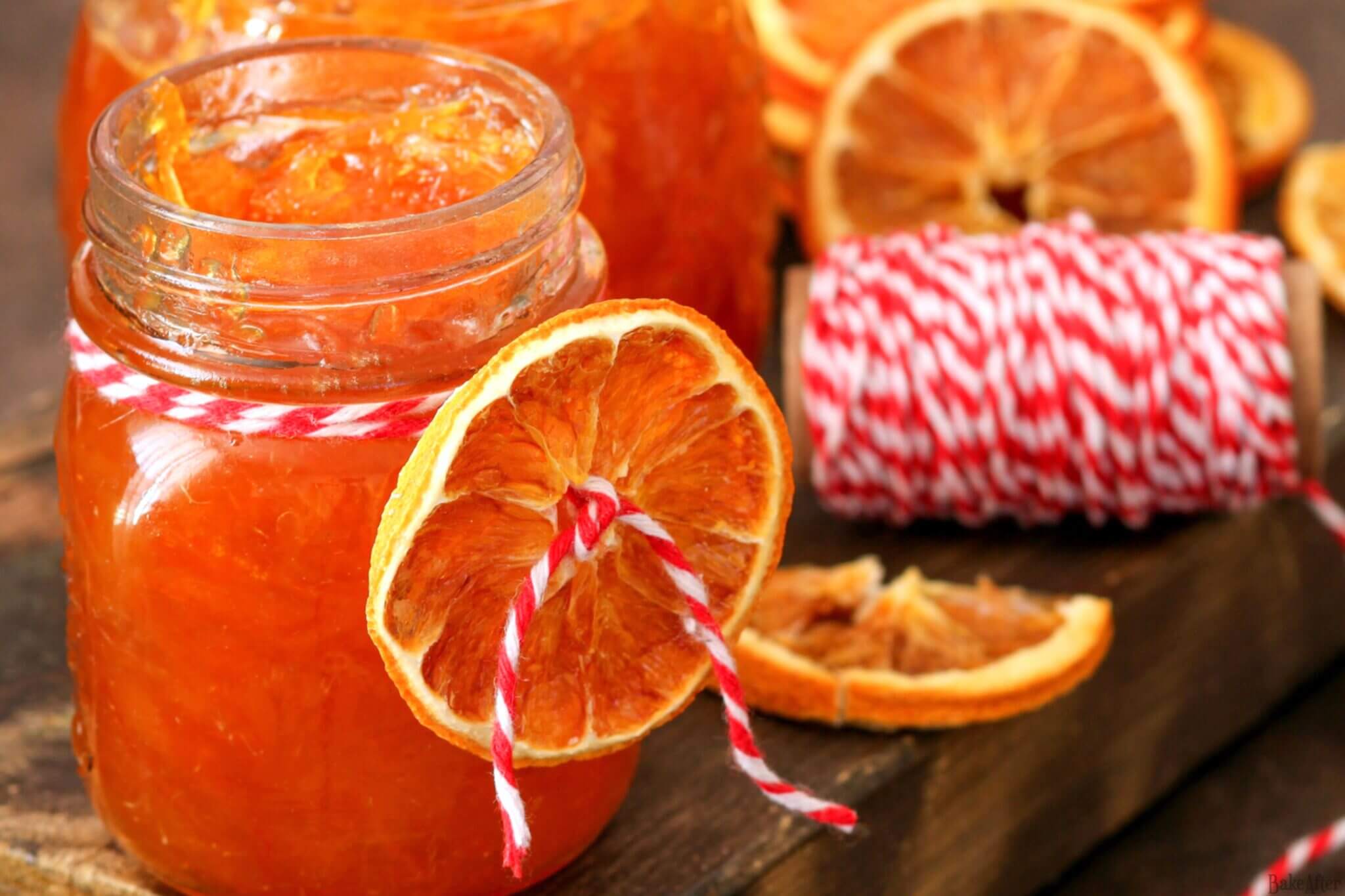
Marmalade (The Bittersweet Citrus Classic)
Marmalade stands apart from other preserves in both flavour profile and cultural significance. This is a very specific kind of combination of jelly with fruit, but not jam, something in between.
So what makes it marmalade? Marmalade is a preserve made specifically from citrus fruits, most traditionally bitter Seville oranges, though lemons, limes, grapefruits, and sweet oranges can also used or called a marmalade. What distinguishes marmalade from other preserves is the inclusion of citrus peel (or rind), which is sliced thinly and suspended throughout the preserve. This peel provides the characteristic bittersweet flavor and chewy texture that defines marmalade.
- Consistency: Similar to jelly but with suspended strips of citrus peel, creating a translucent spread with visible rind pieces;
- Best uses: Traditional British breakfast on toast, glaze for ham or poultry, ingredient in baking (especially British puddings and cakes), pairing with sharp cheeses;
- Popular varieties: Seville orange (traditional), lemon, lime, grapefruit, blood orange, three-fruit marmalade.
The word “marmalade” comes from the Portuguese word “marmelada,” which originally referred to a quince paste. Over centuries, the definition evolved, and by the 17th and 18th centuries, particularly in Scotland and England, marmalade had transformed into the citrus-based preserve we know today. The city of Dundee, Scotland, became famous for its thick-cut orange marmalade, supposedly created when a shipment of bitter Seville oranges needed to be used quickly.
The hallmark of good marmalade is balance. The natural bitterness from the citrus peel must be offset by enough sugar to make it pleasant, while the pectin-rich peel creates a firm but spreadable consistency. Traditional British marmalade leans into the bitterness more than American versions, which often use sweeter oranges and less peel for a milder flavor.
Marmalade’s slightly bitter edge makes it surprisingly versatile in savory applications. It works beautifully as a glaze for roasted meats, adds depth to salad dressings, and pairs exceptionally well with strong cheeses. That bittersweet complexity is what separates marmalade from sweeter fruit spreads and gives it its devoted following.
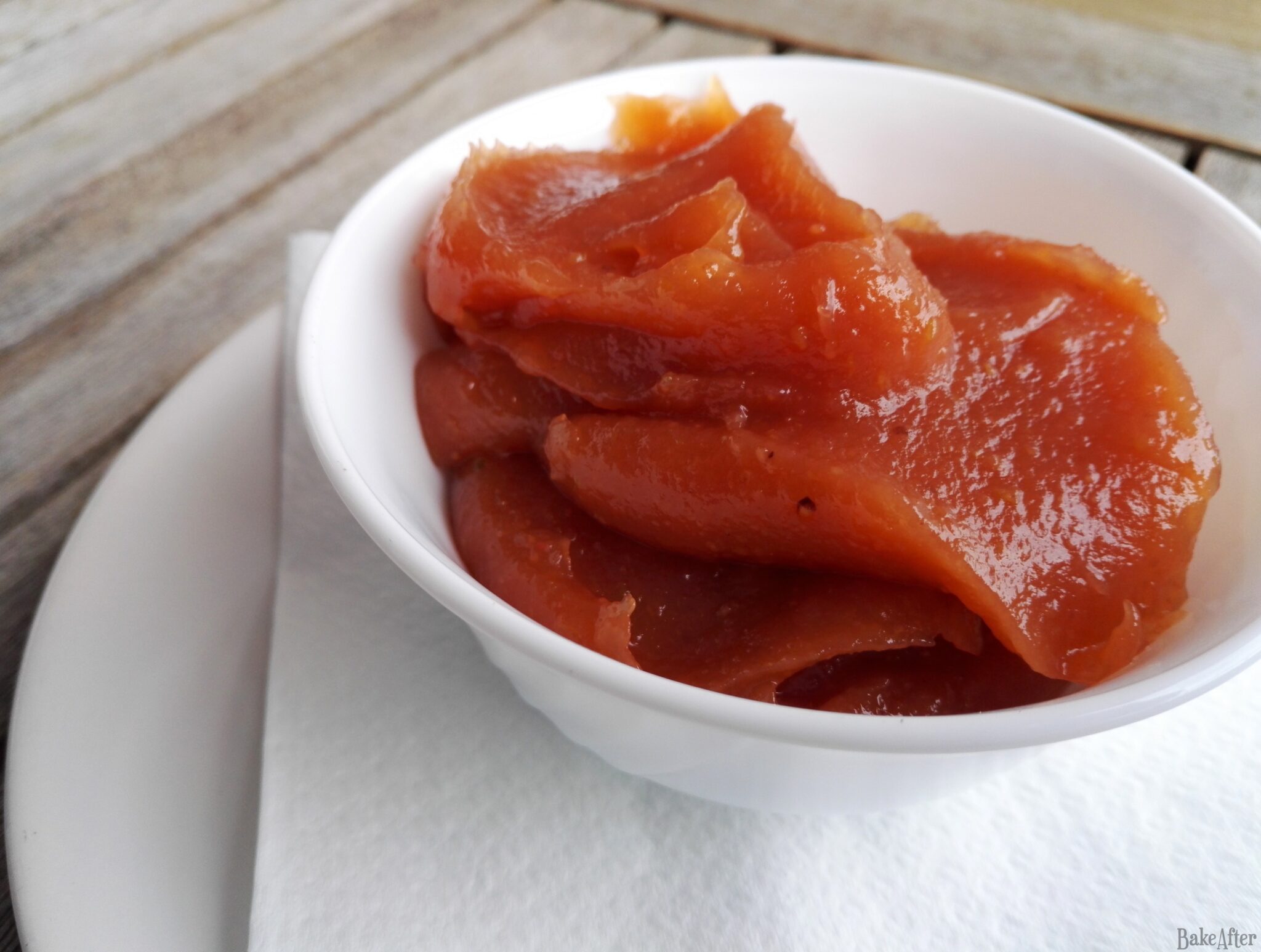
Quince/Goiaba Paste or Portuguese Marmelada and Brazilian Goiabada
Here’s where things might get confusing, like i said the word “marmalade” originally comes from the Portuguese “marmelada,” but these two products couldn’t be more different! While British marmalade is a citrus spread, Portuguese marmelada is traditionally a firm, sliceable quince paste that’s more like a candy than a spread.
What makes it a marmelada? Portuguese marmelada (also called quince paste, membrillo in Spanish, or pâte de coing in French) is made by cooking quince fruit with an equal amount of sugar until it becomes so thick and concentrated that it solidifies into a dense, sliceable block. The high natural pectin content in quinces allows this transformation without any added gelling agents. When cooled and set, it can be cut into squares or slices with a knife.
- Consistency: Firm, dense, and sliceable, similar to a very thick fruit leather or firm jelly that holds its shape completely;
- Best uses: Sliced and served with cheese (especially Manchego, Serra da Estrela, or aged cheddar), cut into small squares as a sweet treat, used in pastries, or paired with roasted meats;
- Traditional varieties: Quince (original and most traditional), guava paste (goiabada in Brazilian cuisine, made using the same technique).
The confusion between British citrus marmalade and Portuguese quince marmelada stems from history. Portuguese marmelada has been made since medieval times, and when the British began making their citrus preserve, they borrowed the name because both products had a similar glossy, preserved quality. However, the similarity ends there.
Portuguese marmelada is intensely sweet and concentrated, with a deep amber to russet color and a flavor that’s both floral and slightly astringent. It’s traditionally made in large batches during quince season (autumn) and aged in wooden boxes, developing more complex flavors over time. In Portugal and Spain, it’s a quintessential pairing with sheep’s milk cheese, where the sweetness of the paste balances the salty, tangy cheese perfectly.
Unlike British marmalade, which is spooned and spread, marmelada is always sliced. You’ll find it served in thick slabs alongside cheese on traditional Iberian cheese boards, cut into decorative shapes for special occasions, or enjoyed as a sweet on its own. The Brazilian version, called goiabada, is made with the guava fruit and also holds similar cultural importance and is often paired in Brazil with fresh cheese in a combination called “Romeo and Juliet.”
Special Mention: Fruit Butter and Compote
While not as common as the spreads above, two other fruit preparations deserve mention:
- Fruit Butter: Made by cooking fruit puree down for an extended time until it becomes thick, smooth, and spreadable, without added pectin. Apple butter is the most famous example, with its deep caramel color and concentrated apple flavor. Fruit butters are less sweet than jams and tend to have a velvety texture.
- Compote: Fresh or dried fruit cooked in sugar syrup until soft but still chunky, without pectin and usually without the intent to preserve long-term. Compotes are looser than preserves, more like a fruit sauce, and are typically refrigerated and consumed relatively quickly or used in other preparations. They’re wonderful spooned over pancakes, ice cream, or yogurt.
The Importance of Sugar
I think as a sidenote its important to talk about sugar, since it plays two crucial roles in all of these preserves, and understanding this helps explain why traditional recipes call for so much of it and why its important to use it, and when you see preservers that dont have it, mostly on commercial products, they have to add a lot of other ingredients to make up for it!
- Creating the Right Texture: Sugar isn’t just there just for sweetness. When fruit is cooked with sugar, it fundamentally changes the chemistry and structure of the preserve. The sugar combines with the fruit’s natural pectin and acid during cooking to create that characteristic gel structure. This is especially important when using commercial pectin, which is specifically formulated to work with certain sugar ratios. If you reduce the sugar significantly in a traditional recipe, you won’t be able to form that gel structure, no matter how much pectin you add. You’ll end up with a syrupy sauce instead of a spreadable preserve.
- Preservation Power: Also sugar is a powerful preservative. Products with a high sugar content have much longer shelf lives than those with little or no added sugar. This means that fruit naturally low in sugar won’t keep as long when preserved, and fruit preserved in a light syrup won’t last as long as fruit preserved in a heavy syrup.
This is critical to understand if you’re trying to make reduced sugar or sugar free preserves. While it’s possible using special low sugar pectins or alternative methods, these products will have shorter shelf lives and different textures than traditional preserves. The rule is simple: the more sugar, the longer it keeps. Finding the right balance between taste and preservation is key to successful home preserving.
Tips and Tricks for Perfect Preserves
Now that you understand the differences between these spreads, here are some pro tips for making or buying them:
For Home Preservers
- Use the ripeness ratio: When making jelly without added pectin, use fruit that’s about three-quarters ripe and one-quarter underripe. Underripe fruit has more natural pectin, helping your jelly set properly.
- Test for doneness: Place a small plate in the freezer before you start cooking. When you think your preserve is ready, drop a small amount on the cold plate. If it wrinkles when you push it with your finger after a minute, it’s done.
- Sterilize properly: Always sterilize your jars and lids before filling. This prevents mold and bacterial growth and ensures your preserves last as long as possible and after opening the preserve keep it in the fridge and use it all up in a few days.
- Don’t double recipes: Resist the temptation to make a double batch at once. Larger quantities don’t heat evenly and often won’t gel properly. Make multiple single batches instead.
- Mind the foam: Foam that forms during cooking can be skimmed off for a clearer final product, though a small amount of foam is harmless.
- Label everything: Date your jars and note which batch of fruit you used. This helps you track which recipes work best and ensures you use older preserves first and consume before it goes bad.
For Preserve Buyers
- Read the ingredients: Quality preserves should have fruit as the first ingredient, not sugar, corn syrup or any other ingredient. The fruit content should be at least 50%, ideally higher.
- Check the texture: Through the glass jar, you should be able to see what you’re getting. Jelly should be clear, jam should show fruit pieces, and preserves should have visible chunks.
- Consider pectin content: “Low-sugar” or “no-sugar-added” preserves use different pectin types and will have different textures. They’re not necessarily healthier overall since they may contain other not very healthy additives.
- Store properly: Unopened preserves can last for months in a cool, dark pantry. Once opened, refrigerate and use within a few days for best quality.
- Look for local: Farmers’ markets and local producers often make exceptional small-batch preserves using peak-season fruit. The quality difference is noticeable than commercial products.
The Bottom Line
While all these preserves start with fruit and sugar, the differences are substantial. Jelly offers smooth, clear elegance; jam provides everyday versatility with a bit of texture; preserves showcase the fruit itself; conserves bring complexity through multiple ingredients; marmalade delivers sophisticated bittersweet citrus flavor and portuguese marmalade gives you sliceable candy fruit, there is plenty to choose!
Also note that there are country and even regional diferences, not only in the products themselves but also naming, one might call a jam a jelly or a comercial product might call itself a jelly but have no fruit content, it depends a lot on regulations and traditions, so take my article as a basis and not a sure thing, like british marmelade and portuguese marmelade, they are both named the same but are not even the same category of sweet, one is a jelly with fruit bits and the other is more like a solid fruit paste.
And well i hope understanding these differences helps you choose the right spread for any occasion, so the next time you’re standing in front of the preserve aisle or considering which fruits to turn into preserves, you’ll know exactly what you’re looking for. Sweet, smooth, chunky, or bittersweet, there’s a perfect fruit spread for every taste and every use. 😀 Have a good one and see you next time!
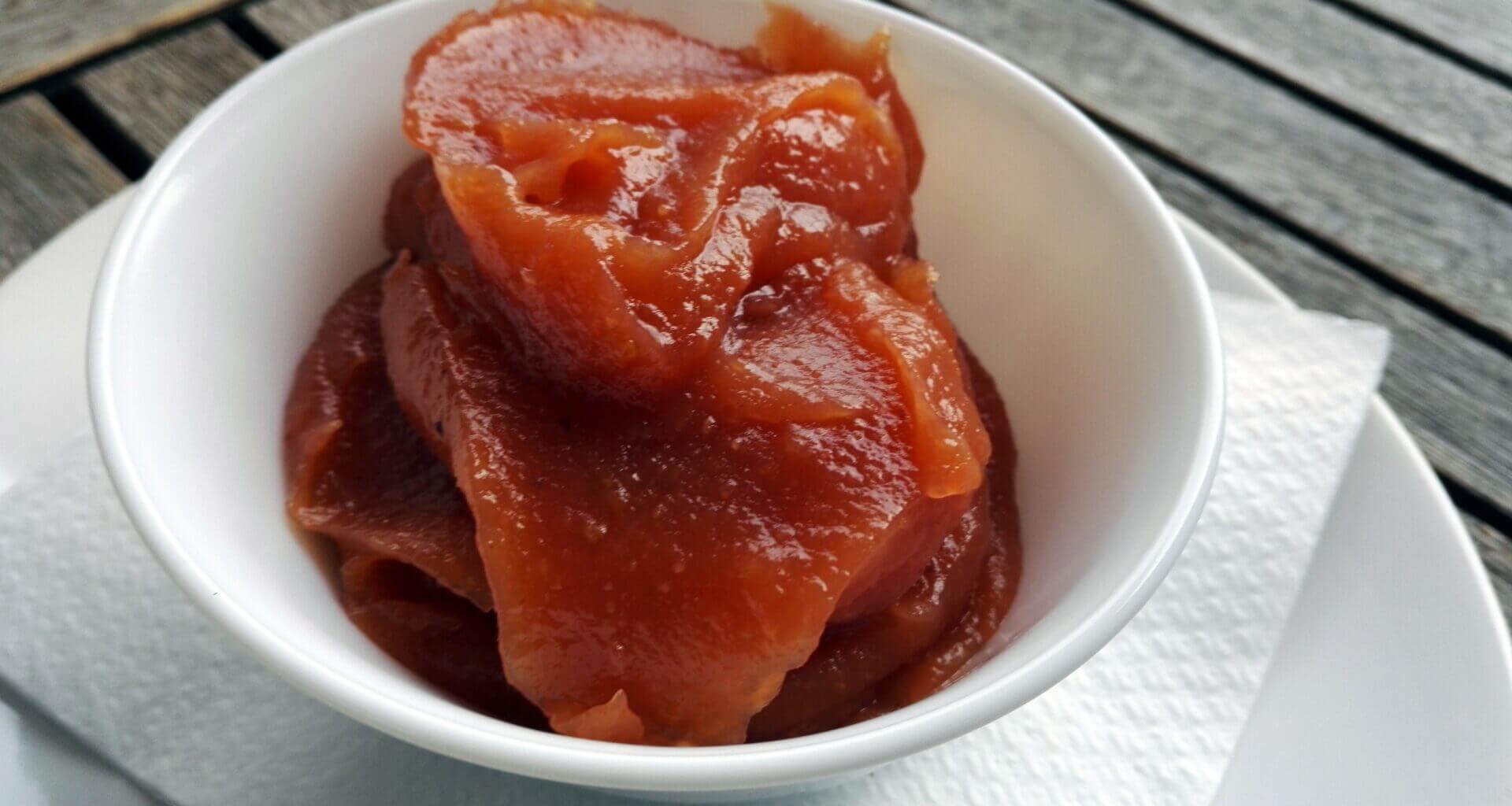
Btw the article image is from my homemade portuguese marmelade recipe hehehe In Portugal you have two kinds, one that you can cut slices with a knife and this kind that is more smooth and spreadable ;D
Discover more from BakeAfter
Subscribe to get the latest posts sent to your email.