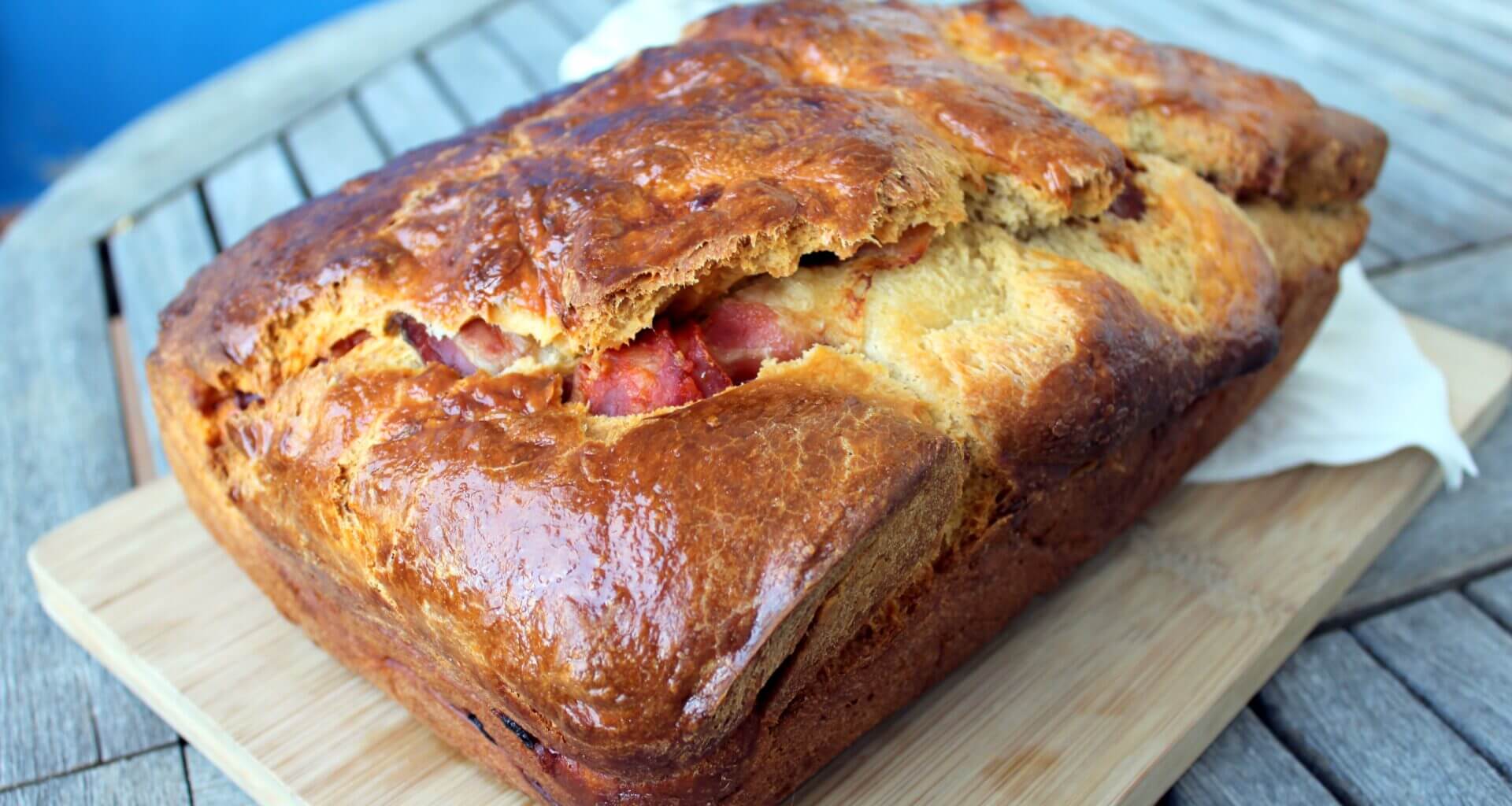

There’s nothing quite like super fresh bread straight from the oven or bakery, but what do you do when your bread goes stale and hard?
I’m going to explain roughly why bread gets hard over time and share the best ways to extend bread’s shelf life, bring stale bread back to life, and also give you some tips on how to make the most of bread that’s already gone hard. This wont be an extensive list but a quick and simple way to know what happen and your best bets to get your bread back to yummy!
So Why Does Bread Go Stale?
Bread is made from flour, and flour is primarily composed of starch, a carbohydrate. At room temperature, starch has a crystalline structure, but when you add water, it expands and creates a long molecule. If heated above 185°F (85°C), this molecule undergoes a gelatinization process where the crystals transform into a polymeric gel. What was once a solid structure becomes a spongy, elastic network. Most importantly, this structure traps water inside it, this new structure and the water are what make bread soft and fluffy.
So during baking, this new starch structure traps the water inside and prevents it from evaporating. However, as it cools, this structure begins to break down, and the elastic structure starts trying to return to a crystalline structure, a process called retrogradation (from the dictionary: to return to a primitive state, to go backward). This process not only makes the bread hard (because it wants to return to being flour) but also increases water evaporation, which makes the bread even harder.

How to Extend Bread’s Shelf Life
So what can you do? Well, the first thing NOT to do is put bread in the cold, that is, in the refrigerator. Cold temperatures only accelerate the retrogradation process.
However, freezing is different and can actually extend shelf life, because when you freeze bread, the process is halted. Both the starch and water are locked inside the bread as they are. That’s why when you freeze fresh bread and then thaw it, it still has a texture and flavor similar to fresh bread. But if you freeze stale bread, it’ll stay stale. So if you know you won’t eat the bread within 2 days, it’s always best to freeze it (and preferably already sliced, so you don’t have to thaw the whole loaf when you only want one slice).
The second thing you can do is, when buying or making bread, include ingredients that will extend the bread’s shelf life. Just like commercial bread adds enzymes, eggs, and fats to the dough, these react with the water and prevent it from easily escaping the bread, thereby increasing shelf life and keeping it soft for much longer. So adding a little fat to homemade bread can make the difference between bread going stale in 2 days or staying good for a whole week.
Beyond this, there isn’t much more you can do with regular bread, it’ll go stale naturally after 2 days if not frozen. Storing it in a bread box or wrapping it can extend shelf life a bit, but not enough to make a huge difference.
How to Rescue Stale Bread
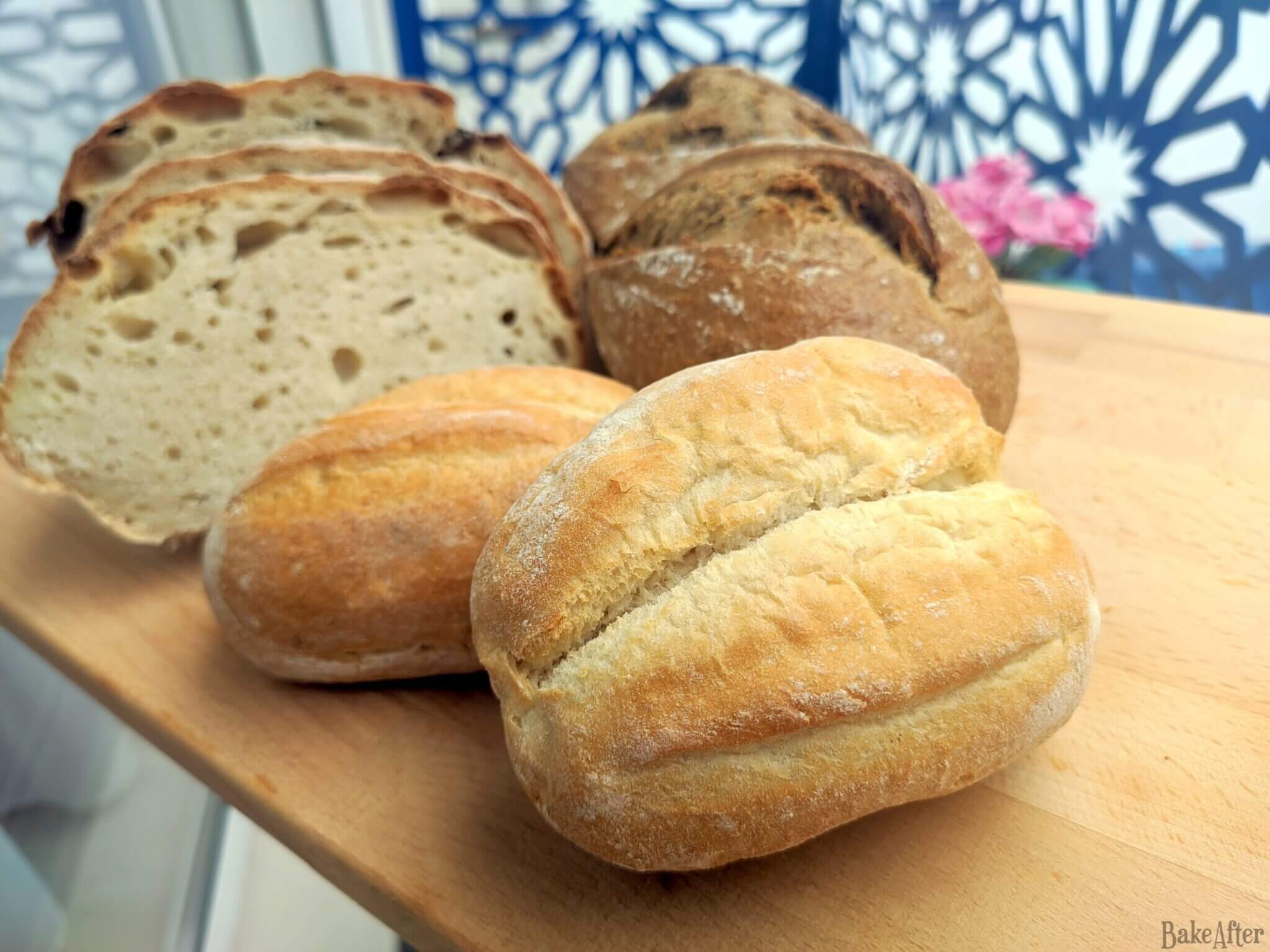
Okay, so now we have stale bread, how can we bring it back? Well, if the bread is only 1 day old, you just need to heat it, since the bread hasn’t had enough time to lose all of its moisture. By heating it, it will re-absorb some of the water and return to a condition similar to the original. To do this, put the bread in a very hot oven for a short time. When it starts to smell like bread, it’s ready (no more than 10 minutes for a large loaf). More time than that or less heat will dehydrate the bread further, and as we know dehydration is the bread’s enemy! ;D
If the bread is already 2 or 3 days old, it’s best to actually wet the bread yes, literally wet it. What you want is to wet it enough so that when you put it in the oven, the water will evaporate and some will be re-absorbed by the bread. A good trick is to wet the crust really well (to the point of being soaked) while leaving the interior not too wet. That way, when it goes in the oven, the bread will absorb the moisture (depending on the size of the bread, put it in an oven at about 340°F (170°C) for about 15 minutes, check how the bread is doing and adjust). Another trick is to wet the bread, wrap it in a cloth, and microwave it, same process where the steam will help the bread absorb some of the water it lost.
Of course, as we saw above, this will only partially help the bread become softer, because some of the starch has already converted back to its crystalline form.
How to Make the Most of Stale Bread
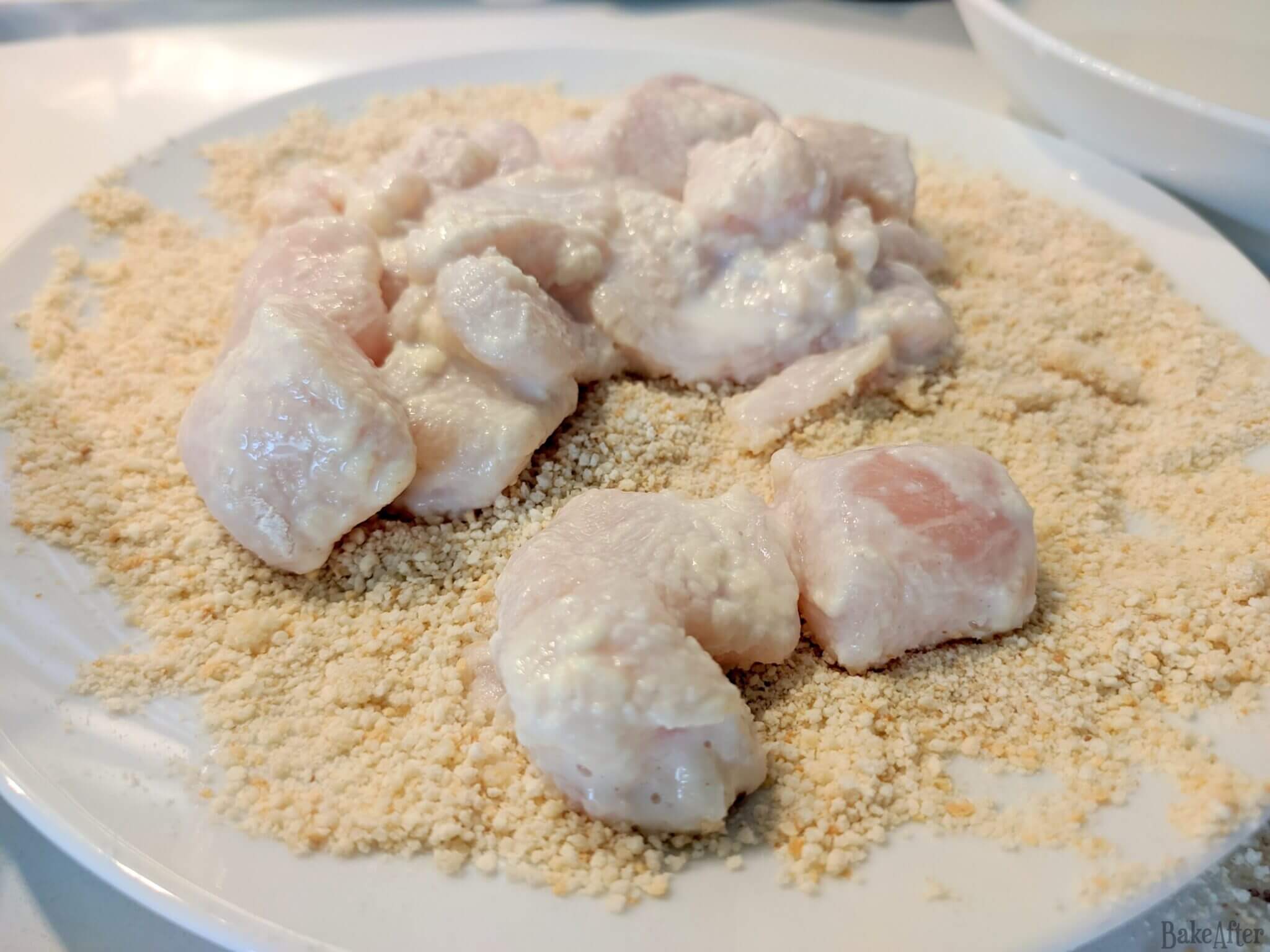
Okay, the bread has gotten too hard, so what now? Well, there are a thousand and one ways to use up stale bread, from toasting it, making breadcrumbs, making bread pudding, or various savory bread dishes. There’s no shortage of recipes that call for or need stale bread, no point throwing it out!
At worst when i have no idea i just make breadcrumbs, they will last well about a week, if you slightly toast them they will last a bit longer and breadcrumbs you can use on all sort of things, from meatballs and meatloafs to breading for chicken, pork, to a topping/crust for casseroles, baked pasta, as a thickener it has a ton of uses…
And that’s it! I hope you enjoyed the article and picked up some good tips to use at home, especially if you love bread as much as I do. If you have more bread tips and tricks, share them in the comments ;D Until next time!
Discover more from BakeAfter
Subscribe to get the latest posts sent to your email.