
So how do you know when it’s actually safe to eat food you’ve left out, of the fridge or just open the package or it touched the counter?
Well, first off, all recommendations for preserving and storing food are simply there to limit your exposure to potential problems, both from food starting to spoil or deteriorate, and from contamination with bacteria or other pathogens. You should take my advice as recommendations, and you have to be the one to choose what level of risk you’re willing to accept.
Don’t forget that even if food is deteriorating, you can always cook it or remove the worst parts, and if it’s contaminated, cooking it in certain ways can destroy the bacteria but thats not guaranteeded and im not even considering other issues like toxins.
Sure, your immune system is there to protect you. So things like eating a cookie that fell on your kitchen floor, sure, it’s definitely contaminated (a kitchen floor has more bacteria than the street, simply because there’s so much food for bacteria there), but eating that cookie after it falls on the floor won’t kill you. But just know that it’s contaminated, for sure!
Understanding the Warning Signs
Let’s break this down starting with common sense. If food has an abnormal color, if it has mold, if things are growing on it, if the food is softer than it should be, if it has a different smell (some foods have intense smells even rotten and are perfectly safe), especially an intense one, these are all signs the food probably isn’t in good condition anymore.
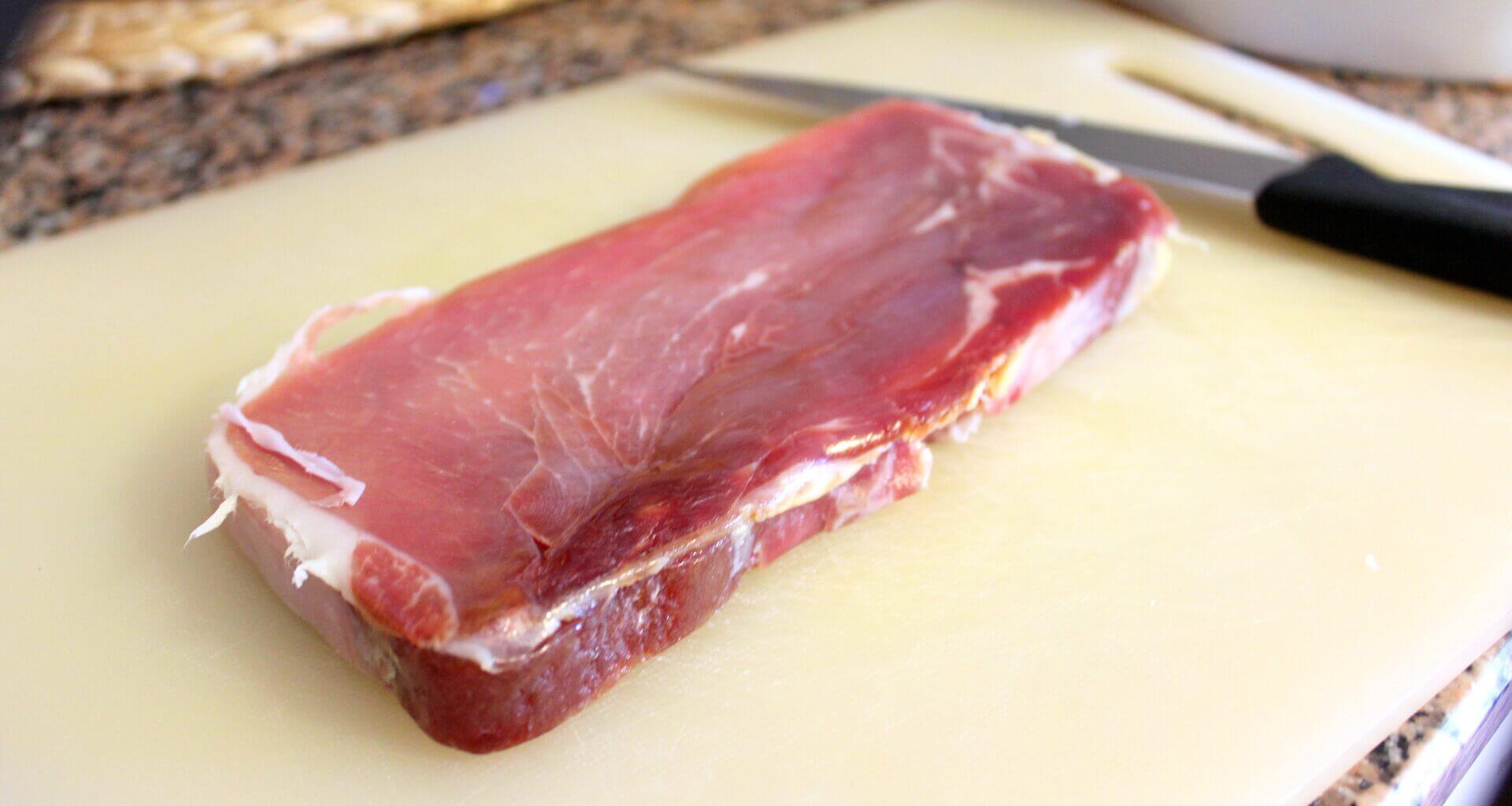
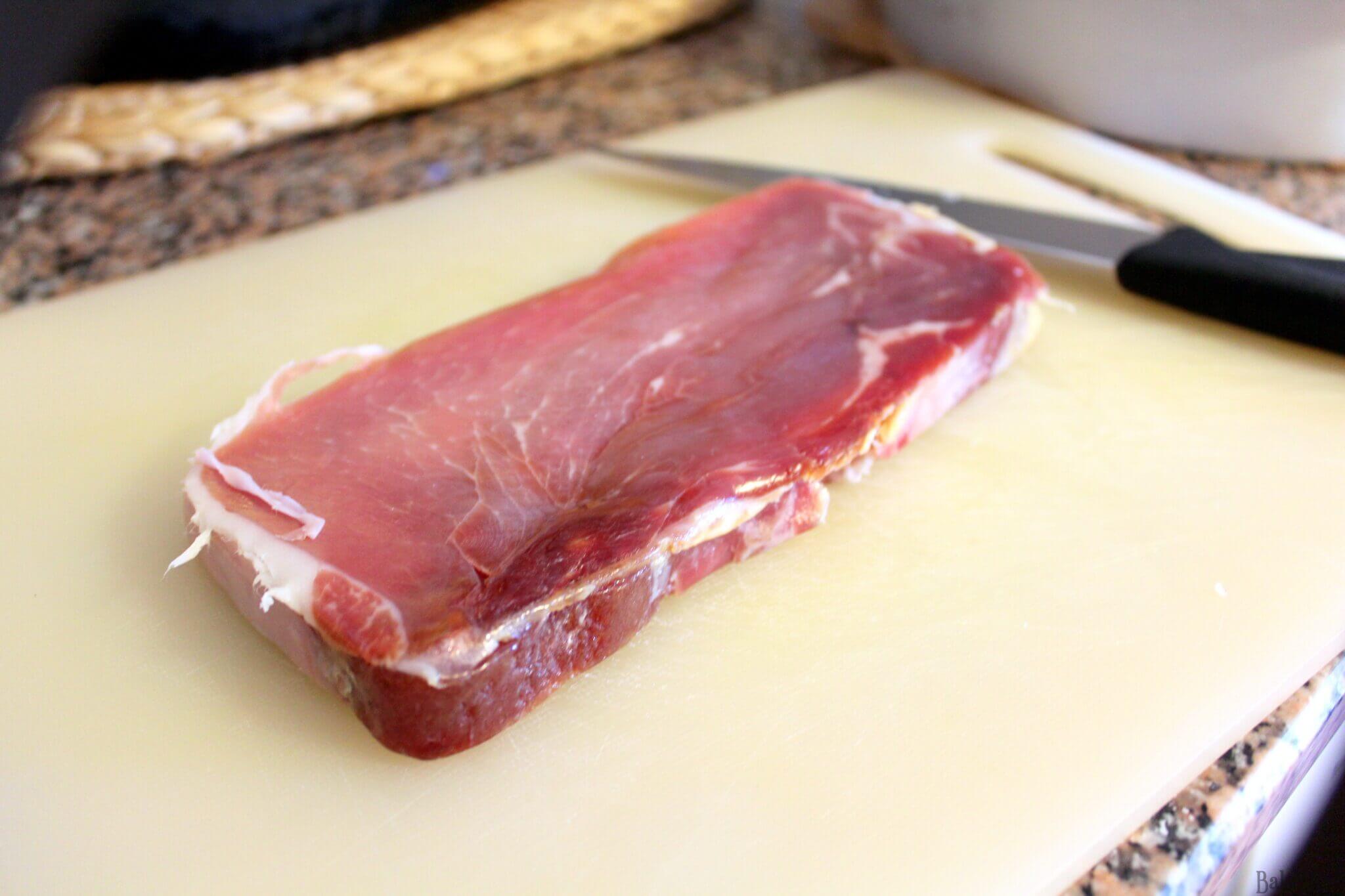
Note that even if you want to use much of this deteriorated food, it has already lost quality, so even cooking it won’t provide the nutrition that food in good condition would. For example, a steak that’s been frozen for a year, if you defrost it, you’ll see it might have a more bluish appearance. That doesn’t mean it’s spoiled, just that it’s quite deteriorated, and as such, you might as well throw it out, it wont have a good taste, texture or nutrition.
The High-Risk Foods
Now, there are a bunch of ingredients that unless you’re going to cook them, you should definitely keep cold or frozen, things like meats, fish, eggs, seafood, dairy based products, or certain products that have short expiration dates and should be consumed, cooked, or preserved quickly.
Products sold at room temperature, things like bread, cakes, cookies, fruits, vegetables, cheeses, smoked products, dried items, pickles, or preserved foods, these can clearly be kept and stored at room temperature for at least a couple of days or even much longer with producs that have natural long shelf life’s, like sugar or salt.
The Golden Rule
For all other ingredients, the good rules to follow are the ones required for restaurants and food production companies. These state that ingredients left at room temperature between 40°F and 140°F (4°C and 60°C) for more than 2 hours should be thrown out, and cooked products above 90°F (32°C) left at room temperature for more than 1 hour should be discarded.
Cold or hot food left in the “danger zone” 40°F-140°F (4°C and 60°C) for over 2 hours? Toss it.
Food left out when it’s over 90°F (32°C) outside for over 1 hour? Toss it.
This of course is a rule of thumb rule, if the food is a jam, you can leave it all day open on a counter and it will just fine to consume, take this more about general fresh food product, especially if the origin is animal.
Extra Tips for Preserving Food
After cooking something, maintain its temperature if you’re not going to eat it right away. When you want to store it, let it cool down a bit and then freeze or refrigerate it quickly. This will ensure you’re not facilitating bacteria growth and the food will be in the best condition when you defrost it.
Like i said above cooking something doesn’t mean you kill all bacteria or pathogens, some are very resistant to heat, acids, and even sugar (like fungi, for example). Don’t confuse cooking something with sterilizing something, they’re two very different processes.
But cooking does increase shelf life. It does kill most patogens, so raw chicken will spoil much faster than cooked chicken, and things like ground meat will drastically increase their shelf life after being cooked.
Even with modern preservation methods using chemicals and refrigeration, traditional preservation methods with sugar, salt, vinegar, etc., continue to be just as valid as ever and are often good alternatives. Making fruit jam is a good way to preserve fruit, even if just for a few more days, or to repurpose fruit you have too much of and don’t have time to consume on one go.
When in Doubt, Throw It Out
And always, ALWAYS! When in doubt, throw it out. Your health is more important and more expensive to maintain than any food item. Prevention is better than cure!
A long time ago I cleaned up a party with some people, and it had a huge amount of leftover pricey food, and i only took home some of the stuff that was still closed in their packets or bottles, while everyone else took trays of the leftovers, what happen? Food poisoning, and this was catered food just a few hours after the party, but you don’t know (when was it really cooked? How long was it at room temperature? Did it have cross contamination?), and if you don’t know, don’t trust! Its your health!
Quick Reference for Safe Storage Times
At Room Temperature
- Bread and baked goods: 2-3 days
- Fresh whole fruits: varies by type
- Hard cheeses (uncut): several days
- Cured/smoked meats (unopened): follow package
Refrigerated (below 40°F / 4.4ºC)
- Raw ground meat: 1-2 days
- Raw poultry: 1-2 days
- Raw fish: 1-2 days
- Cooked meat/poultry: 3-4 days
- Hard-boiled eggs: 1 week
- Leftovers: 3-4 days
Frozen (below 0°F / -17.8ºC)
- Ground meat: 3-4 months
- Whole poultry: 1 year
- Fish: 6-8 months
- Cooked meals: 2-3 months
Remember, these are guidelines for peak quality and safety. Your best tools are your senses and good judgment!
Discover more from BakeAfter
Subscribe to get the latest posts sent to your email.