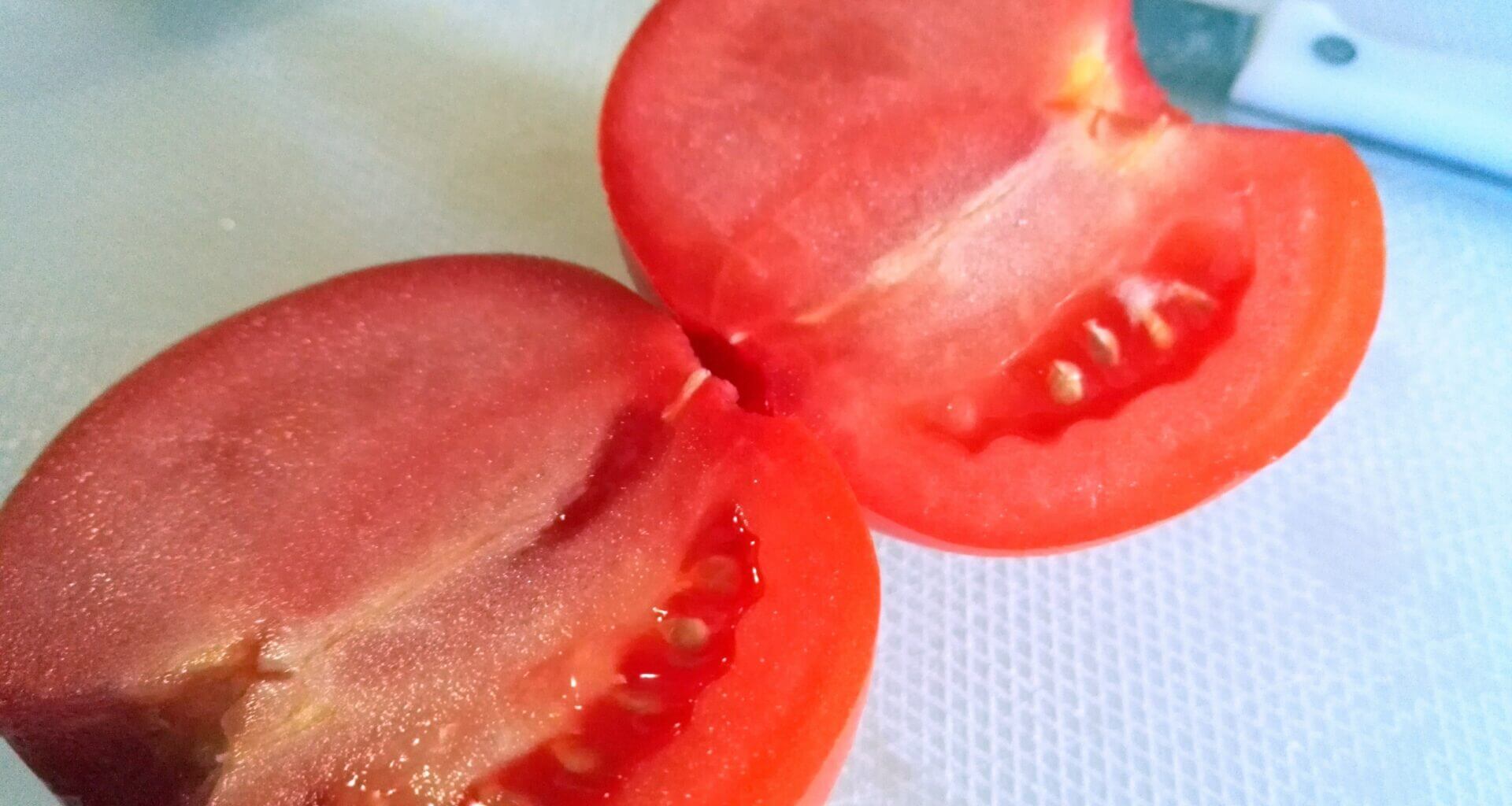

Gotta love me some beautiful sweet tomatoes! Who doesn’t love this fruit? It’s super popular, and if it were a vegetable, it would be the second or third most consumed in the world. It’s delicious fresh, with a pinch of salt, in salads, in sauces, in pizzas… pretty much everywhere. But here’s this thing… there’s a lot more going on with tomato production than most people realize, and today I want to talk about a little about that, especially the industrial production and processing of tomatoes.
Look, I’m not here to scare you away from tomatoes, quite the opposite. But I think it’s worth understanding what’s happening behind the scenes, especially with industrial tomato production. Fresh tomatoes and canned tomatoes sold in the European Union, at least, have some of the strictest and safest regulations in the world, not just for tomatoes but for all products on sale. But let’s talk about what makes tomato production so complicated.
Tomatoes Are High Maintenance
Setting aside everything else for a moment, the tomato as itself is a complicated fruit to produce. It requires a very specific climate and soil with few variations. Not only that, but tomatoes aren’t exactly the most resilient when it comes to pests, fungi, and bacteria. They’re also not very hardy when harvested, they don’t last long before they start to rot, and even if they don’t rot, they’ll get soft and less appetizing pretty quickly.
This creates a real challenge for farmers. Tomatoes need pretty precise growing conditions, and when things go wrong, too much rain, too little sun, temperature swings, the whole crop can suffer. And because they’re so vulnerable to disease, farmers often feel pressured to use more pesticides and fungicides than they might with hardier crops.
The Industrial Solution is Hybrids and Genetic Modification
So how does the food industry deal with all these problems? Well, they’ve developed hybrid tomatoes and, in some places, genetically modified ones.
Now, let’s be clear about what we’re talking about here. A hybrid fruit is when you cross two varieties of the same species to get characteristics from both. For example, you might cross a tomato that’s disease resistant with one that produces lots of fruit, hoping to get a tomato that’s both disease resistant and high-yielding. This has been done for centuries with all kinds of plants, it’s basically selective breeding on steroids.
A genetically modified fruit or vegetable is when you directly alter the plant’s genome and then, just like with hybrids, you see if the result is better, the same, or worse. Of course, with improved knowledge in this field, it’s becoming easier to know which genes to manipulate to get the results you want.
Related to genetically modified foods, we have transgenic foods, which is when you alter an organism’s genes by adding genes from other organisms. For example, you could mix a tomato with a sardine and make tomatoes that taste like sardines, or the classic cats that glow in the dark. 😀
The European Situation And the Global Reality
Getting back to tomatoes, as of today, genetically modified versions aren’t sold in the European Union. That’s true. But here we enter the fantastic world of industrial production. Did you know that a tomato product sold in the European Union might not actually contain tomatoes that were grown in the EU?
Here’s what happens: tomato products can be made from tomatoes grown anywhere in the world, processed into paste or concentrate, shipped to Europe, and then turned into ketchup, pasta sauce, or whatever else. The final product might be “made in Italy” or “packaged in Spain,” but the actual tomatoes? They could be from China, California, or anywhere else where production costs are lower and regulations are, shall we say, more flexible.
And this is where things get interesting or concerning, depending on how you look at it. In countries with less strict regulations, genetically modified tomatoes might be grown, industrial farming practices might be more aggressive, and pesticide use might be heavier. All of that gets concentrated into tomato paste, shipped across the world, and ends up in products on supermarket shelves in Europe.

The Taste Problem
Also have you noticed that supermarket tomatoes just don’t taste like anything anymore? That’s not your imagination. It’s a direct result of how modern tomatoes are bred and grown.
When tomato varieties are developed for industrial agriculture, the priorities are usually:
- Disease resistance;
- Uniform size and appearance;
- Durability during transport;
- Long shelf life;
- High yield.
You know what’s not on that list? Flavor!!!!!!
Those beautiful, perfectly round, uniformly red tomatoes that look great in the store? They’ve been bred to prioritize appearance and durability over taste. They’re picked when they’re still green and hard, then gassed with ethylene to turn them red. This makes them easier to transport without damage, but it means they never develop the complex sugars and acids that make a tomato taste like… well a tomato.
The Cost of Cheap Tomatoes
Modern industrial tomato farming has made tomatoes available year round at incredibly low prices. That’s genuinely amazing from one perspective, people can afford to eat tomatoes regularly, which is great for nutrition and enjoyment of the food.
But there’s a flip side. To produce tomatoes that cheaply, industrial farms often rely on:
- Heavy pesticide use (because those pests and diseases we talked about earlier don’t go away);
- Monoculture farming (planting the same crop in the same soil year after year, which depletes the soil);
- High water use in regions that might already be water stressed;
- Exploitation of agricultural workers (in some regions, not all);
- Long distance shipping that adds to carbon emissions.
None of this is necessarily about one company being evil or one country doing things wrong. It’s about the systemic pressures of producing cheap food at massive scale.

What About Organic Tomatoes?
Okay, so what about organic tomatoes? Are they the answer?
Organic tomatoes are grown without synthetic pesticides and fertilizers, which is definitely better for the environment and potentially better for your health. They often taste better too, because organic farming tends to focus more on soil health and traditional varieties that actually have flavor.
But, and this is important, organic doesn’t automatically mean local, small scale, or ethically produced. You can have industrial scale organic farms that still practice monoculture, still transport their produce across continents, and still prioritize yield over flavor. “Organic” is a step in the right direction, but it’s not a magic solution to all the problems. As well as because it cant be produced so intensively you wont have as much and it will be more expensive.
The Real Issue with Consumer Expectations
Here’s the uncomfortable truth, a lot of these problems exist because of what we, as consumers, have come to expect. We want tomatoes to be: Available year round, cheap, perfectly shaped and colored, unblemished and long-lasting in our fridges!!!!
That’s a pretty demanding list! And meeting all those expectations requires industrial agriculture, genetic modification, heavy pesticide use, and all the other things we’ve been talking about. But if we were willing to eat tomatoes that were:
- Seasonal (meaning you can’t get them all year round);
- More expensive;
- Oddly shaped sometimes;
- Occasionally blemished;
- Perishable within a few days.
…then we could have tomatoes that taste amazing, are grown more sustainably, and don’t require nearly as many chemical interventions.
So What Should You Do?
I want to leave you with this idea, it’s not a reason to be afraid, but it is a reason to be aware and to make smarter choices.
It’s difficult nowadays to completely avoid eating some genetically modified food without knowing it, just as it’s difficult not to consume some food that’s been contaminated with a bit of heavy metals, microplastics, or pesticides. The idea is to limit your exposure to these products of questionable quality.
It’s a bit like being in the city and breathing polluted air, the problem isn’t breathing it occasionally, it’s breathing it constantly for years So here are some practical tips that you can try yourself:
- Buy seasonal and local when you can. This is probably the single best thing you can do. Local tomatoes in season haven’t traveled thousands of miles, are usually picked riper, are cheaper, more delicious, and support farmers in your community.
- In the same vein, get to know your farmers’ market. Talk to the people growing your food. You might be surprised to find that some small farmers use organic practices even if they’re not certified organic (because certification is expensive).
- Grow your own if possible. Even a few tomato plants in pots on a balcony can give you amazing tomatoes. Plus, it’s incredibly satisfying to eat what you make.
- Read labels carefully. If you’re buying canned tomatoes or tomato products, look for ones that specify where the tomatoes were grown, not just where they were packaged.
- Adjust your expectations. Real tomatoes don’t all look like perfect red spheres. They have cracks, weird shapes, different sizes. That’s okay! That’s what real food looks like.
- Pay a bit more when you can. I know not everyone can afford to spend more on groceries, and that’s completely valid. But if you have the financial flexibility, spending a bit more for better quality tomatoes (not better looking) supports better farming practices and usually gets you better tasting food.
The Bottom Line
Look, this isn’t about being perfect. I’m not saying you should never buy supermarket tomatoes or that every tomato product is somehow dangerous. That would be a ridiculous and untrue claim on my part!
What I am saying is that it’s worth understanding what goes into producing those incredibly cheap, year-round tomatoes. There are trade-offs involved, in flavor, in environmental impact, in farming practices, and sometimes in your nutrition.
The more aware you are of these trade-offs, the better choices you can make for yourself, your family, and the kind of food system you want to support. Sometimes the “worse” choice is fine, we all have busy lives and tight budgets. But sometimes, in this case i think it’s worth making the effort to find a better tomato.
Because at the end of the day, life’s too short to eat flavorless tomatoes hehehehe:D They’re one of nature’s most delicious fruits when they’re grown right, and we all deserve to experience that.
And that’s it for today hope this text was helpful, if you have any questions just comment away or if you want to add anything or clarify also feel free to comment, see you guys next time!
Discover more from BakeAfter
Subscribe to get the latest posts sent to your email.